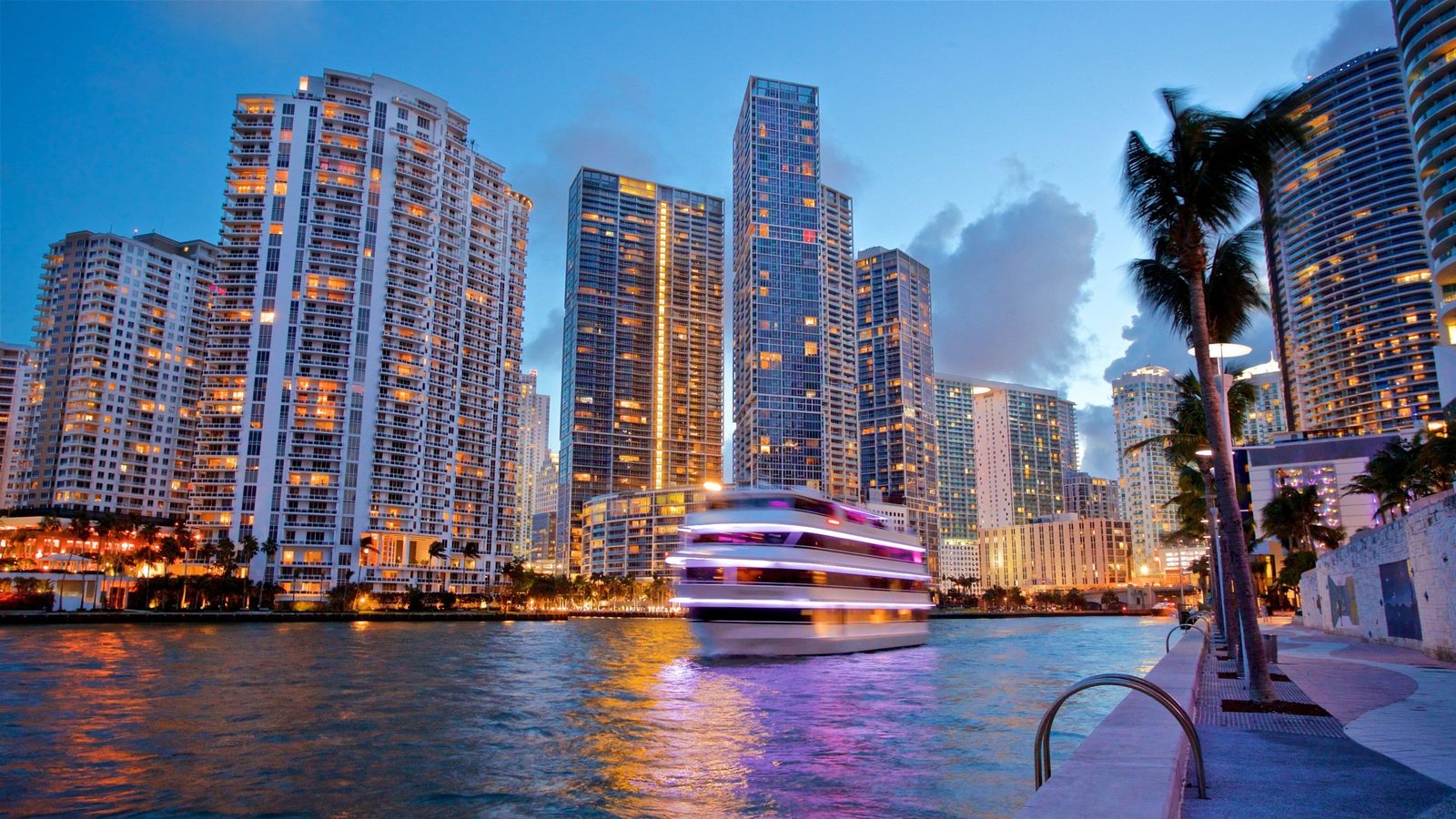
Cost of Living in Miami-Dade County in 2026: What Relocating Buyers Actually Pay
If you’re relocating to Miami-Dade County in 2026, the sticker price on the listing is not what you’re going to pay. The real number is the mortgage payment plus a reset property tax bill, homeowners insurance that’s climbed hard since 2022, and, depending on what you buy, an HOA fee, a CDD fee, or a condo special assessment that never showed up in the Zillow estimate. That’s the honest cost of living in Miami-Dade County in 2026: what relocating buyers actually pay, and it’s different depending on whether you’re buying a single-family home, a townhouse, or a condo, and different again depending on which suburb you land in.
Miami-Dade is a genuine buyer’s market right now, more inventory, more negotiating room, more price reductions than the county has seen in years. But “buyer’s market” doesn’t mean cheap, and it doesn’t mean uniform. A townhouse in Homestead and a condo in Brickell can carry wildly different total monthly costs even at the same purchase price. This guide breaks down what you’ll actually pay, suburb by suburb and property type by property type, so you can budget with real numbers instead of the ones on the listing photo.
Cost of Living in Miami-Dade County in 2026: The Real Monthly Number
Most relocating buyers build their budget around principal and interest. That’s the mistake. Here’s the full stack you need to run for any Miami-Dade property:
- Principal and interest on the loan amount
- Property tax, reset to your purchase price, not the seller’s old bill
- Homeowners insurance, which in Miami-Dade often means a separate flood policy too
- HOA dues (if applicable) or CDD debt service (if the community was built with bond-funded infrastructure)
- Reserve/assessment risk, especially in condos
For a $550,000 single-family home in a non-CDD neighborhood with 20% down, you’re realistically looking at $3,600 to $3,900 in principal, interest, taxes, and insurance (PITI) combined, before any HOA. Add a $150 to $300 monthly HOA in a managed community and you’re at $3,750 to $4,200. That’s the number to plan around, not the pre-approval letter number.
For a condo in the same price range, swap the HOA line for a monthly due that can run $600 to $1,400 depending on the building’s age and amenities, and you need to separately underwrite the reserve health of the building, which we cover below. This is the piece that catches relocators off guard most often, because a $225,000 Florida condo can come with a six-figure special assessment bill that nobody mentioned during the showing.
Single-Family Homes: What You Actually Pay By Suburb
Miami-Dade’s single-family market spans an enormous range, and the suburb you choose matters more than almost anything else in your monthly number.
The South Miami Corridor (Pinecrest, Coral Gables, Palmetto Bay)
This is the premium end. Pinecrest single-family homes typically list from $900,000 into the multiple millions, with the entry-level product concentrated in older, smaller homes on large lots that buyers often renovate or eventually rebuild. If you’re trying to find where the real entry point sits in this market, our breakdown of what first-time buyers actually find in Pinecrest is worth reading before you assume you’re priced out entirely. Coral Gables runs similarly high, often higher near the Biltmore and Old Cutler corridors, with strict architectural review boards that add both cost and protection to your investment. Palmetto Bay sits a notch below both, with single-family homes more commonly in the $650,000 to $950,000 range and a more suburban, family-first feel.
If you’re weighing Pinecrest against its most common cross-shop, our head-to-head on Pinecrest vs. Coral Gables walks through school zoning, lot sizes, and total cost side by side.
Kendall and the Central Corridor
Kendall remains the workhorse of Miami-Dade’s single-family market. Homes here typically run $500,000 to $700,000 depending on how close you are to the Palmetto (SR 826) and Kendall Drive corridors, with older, smaller ranch homes at the low end and updated or newer product pushing toward the top. HOA fees in Kendall’s platted subdivisions are usually modest, often $50 to $150 a month, since most of this housing stock predates the CDD-funded community model.
Cutler Bay and Homestead
This is where Miami-Dade still offers a realistic entry point for relocating buyers. Cutler Bay single-family homes commonly run $475,000 to $625,000. Homestead and the surrounding area (including Florida City) is where you’ll find the county’s most affordable new construction, with single-family homes frequently priced from $380,000 to $480,000. The tradeoff is commute distance and, in many of the newer Homestead communities, a CDD fee layered on top of the HOA, which we break down in the next section.
Townhouses and New Construction Communities
Townhouses are the product where Miami-Dade’s new construction boom is most visible, concentrated in Doral, Homestead, and pockets of Miami Lakes. If you’re weighing new construction against resale for this property type, our full comparison of new construction vs. resale in Miami-Dade covers the tradeoffs on price per square foot, warranty coverage, and how long it actually takes to build.
Doral
Doral townhomes typically run $450,000 to $650,000, and nearly every newer community here carries an HOA, often $250 to $400 a month, covering roof maintenance, landscaping, and community amenities like pools and gates. Doral’s appeal is the commute to both the airport corridor and downtown, plus a strong concentration of newer construction relative to the rest of the county.
Homestead
Homestead is the volume leader for new construction townhomes in Miami-Dade, with pricing commonly in the $340,000 to $430,000 range. This is also where CDD fees show up most often. A CDD, or Community Development District fee, is not the same as an HOA. It’s a separate charge that funds the bonds used to build the roads, water, and drainage infrastructure for the community, and it typically shows up as its own line item on your property tax bill, not your HOA statement. In Homestead’s newer communities, CDD payments commonly run $1,800 to $3,500 a year on top of an HOA that might be $200 to $300 a month. Builders will often quote you the HOA number in the sales office and leave the CDD line for you to discover on the tax bill. Ask for both numbers before you sign anything.
If you’re deciding whether Homestead’s new construction premium is worth it compared to buying resale elsewhere in the county, this breakdown of whether new construction is actually worth it in Miami-Dade and our list of the best new construction communities in the county are both good next reads.
Condos: The SIRS Law and the Six-Figure Assessment Risk
This is the section that matters most if you’re relocating and condo shopping in Miami-Dade, because it’s the one piece of the cost equation that isn’t on the listing sheet.
Florida passed a set of laws following the Surfside collapse requiring condo buildings three stories or taller that are more than 30 years old to complete a Milestone Inspection and a Structural Integrity Reserve Study (SIRS). The SIRS law forces associations to fully fund reserves for major structural components, roofs, plumbing, and load-bearing elements, instead of waiving reserves the way many older buildings did for decades to keep monthly HOA fees artificially low.
The result: buildings that underfunded their reserves for years are now catching up all at once, and that catch-up often comes as a special assessment, not a gradual HOA increase. We’ve seen $225,000 condos come with a six-figure special assessment bill split across the unit owners, sometimes payable over a few years, sometimes due in a lump sum. This is not rare. It’s becoming the norm in older buildings along the coast in Sunny Isles, Aventura, North Miami Beach, and parts of Kendall built in the 1970s and 1980s.
What to check before you buy any Miami-Dade condo
- Building age and last Milestone Inspection date. Ask directly, don’t rely on the listing agent’s summary.
- SIRS status. Has the reserve study been completed? Is the association fully funded or playing catch-up?
- Recent or pending special assessments. Get the last two years of board meeting minutes, not just the HOA disclosure.
- HOA trend, not just the current number. A $650 monthly fee that jumped from $400 two years ago tells you the building is already absorbing new costs.
Newer condo buildings (built after 2010, roughly) don’t face the same reserve catch-up problem, but they typically carry higher HOA fees from day one, often $700 to $1,400 a month for amenity-rich buildings in Brickell, Edgewater, and parts of Doral. You’re paying for the amenities and the newer construction either way. The question is whether you pay it upfront in the HOA or in a surprise assessment five years in.
Property Taxes in Miami-Dade: The Save Our Homes Reset Trap
This is the single most misunderstood cost for people relocating to Florida, and it applies just as much in Miami-Dade as anywhere else in the state.
Florida’s Save Our Homes amendment caps how much a homesteaded property’s assessed value can increase each year, generally around 3%, regardless of how much the market value has risen. That cap benefits the current owner, and it can make a seller’s tax bill look artificially low if they’ve owned the home for a decade or more.
Here’s the trap: that cap does not transfer to you. When the sale closes, the county reassesses the property at market value, and your first full-year tax bill is based on your purchase price, not the seller’s capped assessment. If you’re using the seller’s current property tax bill to budget your new home, you’re about to get a very unpleasant surprise, sometimes a tax bill that’s 40% to 80% higher than what the listing sheet implied.
Miami-Dade’s combined millage rate (county, municipal, school board, and special districts) generally lands your effective property tax rate somewhere around 1.9% to 2.2% of assessed value annually, though it varies by municipality. Run your own numbers off your actual purchase price, and file for homestead exemption as soon as you close, it’s the one lever you control, and it both reduces your taxable value and starts your own Save Our Homes cap going forward.
Homeowners Insurance in Miami-Dade County: Why It’s Higher Than You Think
Insurance has been the fastest-rising line item in every Miami-Dade relocation budget since 2022, and it hasn’t leveled off the way some buyers expect.
For a single-family home, annual premiums commonly run $4,500 to $9,000, with coastal and older-roof properties at the higher end. Homes with roofs older than 15 to 20 years often struggle to get standard coverage at all and get pushed toward Citizens Property Insurance, the state’s insurer of last resort, at a higher cost. If you’re buying anything east of US-1 or in a designated flood zone, which covers a meaningful share of Miami-Dade, add a separate flood policy, typically $700 to $2,000 a year depending on elevation and zone.
Condo buyers carry a different structure: the building’s master policy (covering the structure) is baked into your HOA fee, and you separately need an HO-6 policy covering your unit’s interior and personal property, typically $1,200 to $3,000 a year. When a building’s master policy premium spikes, and coastal buildings have seen exactly that, it shows up as an HOA increase, which compounds the assessment risk discussed above.
The practical takeaway: get a real insurance quote before you’re under contract, not after. A roof inspection and a quote from a licensed Florida agent can change your total monthly number by several hundred dollars, and it’s better to know that before your due diligence period runs out than after.
New Construction vs. Resale: Which Actually Costs Less Long-Term
This is one of the most common questions relocating buyers ask, and the honest answer is: it depends on which cost category you weight most heavily.
New construction in Miami-Dade, concentrated in Homestead, Doral, and select infill projects, typically comes with a builder’s warranty, a new roof and systems (lower insurance risk for years), and often a CDD fee that resale homes in older platted subdivisions don’t carry. Resale homes, especially in Kendall, Palmetto Bay, and Cutler Bay, often have lower HOA costs and no CDD, but you’re taking on unknown roof age, older electrical and plumbing, and a less predictable insurance quote.
We’ve dug into this tradeoff in detail, including real price-per-square-foot comparisons and how the CDD math actually plays out over a 10-year hold, in our full new construction vs. resale breakdown for Miami-Dade. If you’re specifically looking at whether the new construction premium pencils out, this piece on whether new construction is worth it in Miami-Dade is the more direct read.
Choosing the Right Suburb for Your Budget
Once you’ve run your real monthly number, the suburb decision usually comes down to trading commute and lot size against total cost. A rough framework:
- Under $450,000 all-in budget: Homestead new construction (townhome or smaller single-family), watch the CDD line.
- $450,000 to $650,000: Cutler Bay, Kendall, or Doral, depending on whether you want a yard (Cutler Bay/Kendall) or a newer build with amenities (Doral).
- $650,000 to $950,000: Palmetto Bay, select Kendall pockets, or entry-level Pinecrest.
- $950,000+: Pinecrest and Coral Gables, where you’re paying for school zoning, lot size, and long-term appreciation as much as the house itself.
If you’re relocating with a family and school district is driving the decision more than price, our guide to choosing the best Miami-Dade suburb for families breaks down zoning boundaries and how they map to these same suburbs. And if you’re specifically evaluating Pinecrest for the long term, whether that’s building new on a teardown lot or holding as an investment, our Pinecrest new construction guide and Pinecrest investment property breakdown go deeper on those specific plays.
The Bottom Line
The cost of living in Miami-Dade County in 2026 isn’t one number, it’s four: your mortgage payment, your reset property tax bill, your insurance premium, and whatever your HOA, CDD, or condo assessment adds on top. Miami-Dade’s buyer’s market gives you real negotiating leverage on the purchase price, but that leverage doesn’t offset a surprise property tax reset or a special assessment you didn’t know to ask about.
Run the full number before you write an offer, not after you’re under contract. If you want help running that real number for your specific situation and budget, reach out, it costs you nothing to have me walk through it with you.


More articles you might like
Cost of Living in Palm Beach County in 2026: What Relocating Buyers Actually Pay
7 min readCost of Living in Broward County 2026: What Relocating Buyers Actually Pay
14 min read
Living in Parkland, Florida (2026): Schools, Cost of Living, and Is It Worth It?
17 min read
Pinecrest vs. Coral Gables: Which South Miami Suburb Is Right for Your Family?
17 min readMoving to Pinecrest: Miami-Dade's Most Prestigious South Miami Suburb (2026 Guide)
21 min read