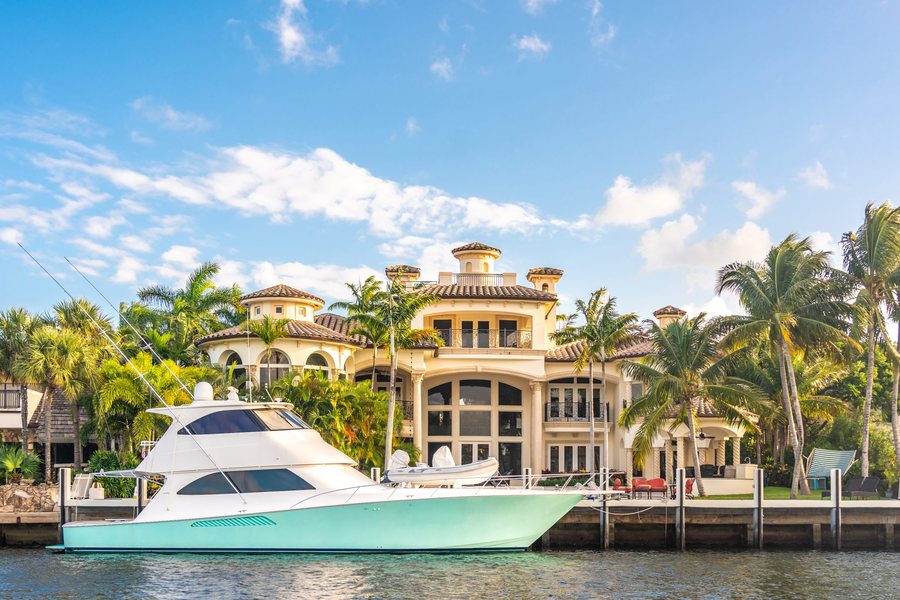
Is New Construction Worth It in Miami-Dade County in 2026?
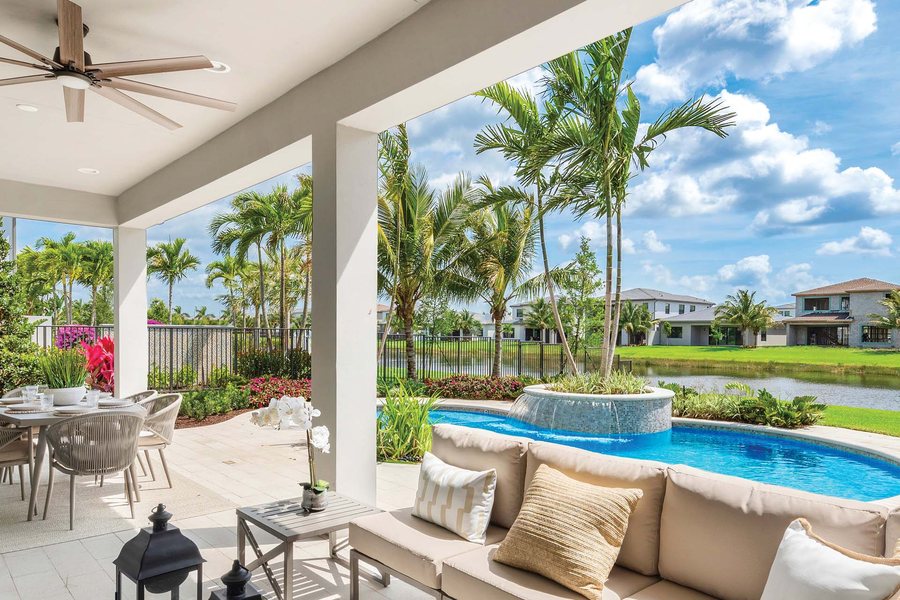
Is New Construction Worth It in Miami-Dade County in 2026? The Short Answer
Yes, for most buyers, new construction is worth it in Miami-Dade County in 2026. But that answer only holds if you do the math most buyers skip: the CDD assessment, the real HOA number (not the sales office estimate), and where in the county you’re actually buying. Miami-Dade is not one market right now. It’s at least three: a South Dade corridor expanding fast with new supply, a handful of legacy suburbs where new construction means guard-gated luxury product north of a million dollars, and older, built-out neighborhoods where “new construction” really means a teardown and a custom build. Each one has a different answer to whether new is worth it.
Here’s what changed since the last version of this guide. Miami-Dade single family homes now carry a median price around $678,000, with about 4.8 months of supply countywide. That puts single family in balanced territory, leaning slightly toward sellers, not the strongly seller-favored market of 2021 through 2023. That shift matters because it means builders are negotiating again, incentives are back on the table, and buyers who show up prepared have real leverage for the first time in years.
The 2026 Miami-Dade Market You’re Actually Buying Into
Before you evaluate any specific community, you need the county-level picture, because it’s the backdrop every builder pitch is built against.
Countywide, single family inventory sits at roughly 4.8 months of supply. Anything under 5 to 6 months is generally considered a seller’s market, so Miami-Dade single family is still tilted toward sellers, just not aggressively. That’s the median across the whole county, blending everything from a 1960s ranch in Westchester to a brand new estate in South Dade. It’s not the number that applies to any one new construction community, but it tells you builders aren’t desperate, and they don’t need to be.
What is different in 2026 is the sheer volume of new supply. Across the county there are more than 100 active or planned residential developments tracked right now, spanning ground level single family and townhome communities as well as condo and high-rise product, representing tens of thousands of units in the pipeline. That volume is concentrated unevenly. A large share of the ground level activity is happening in South Dade, around Homestead and the surrounding corridor, where land is available and zoning has opened up. Meanwhile in established, close-in suburbs, there’s very little raw land left, so “new construction” there increasingly means infill, teardown, and small-lot custom builds rather than master-planned communities.
That split is the first thing to understand before you answer “is new construction worth it in Miami-Dade County in 2026” for your own situation. The answer for a South Dade buyer looking at a production builder community is different from the answer for a buyer trying to get into Pinecrest or Coral Gables.
If you’re still deciding which part of the county even makes sense for your family, start with How to Choose the Best Suburb in Miami-Dade for Families in 2026 before you fall in love with a specific model home.
CDD Assessments: The Line Item That Changes the Math
This is the part almost nobody explains clearly, and it’s the single biggest reason new construction pricing looks deceptively affordable on a builder’s website.
A Community Development District, or CDD, is a special taxing district. When a builder or developer puts in the roads, water and sewer lines, drainage, and sometimes the amenity center for a new community, they typically finance that infrastructure with bonds. The CDD repays those bonds through an annual assessment charged to every homeowner in the district, collected right alongside your property tax bill. It is not optional, it doesn’t go away when the bonds are paid off early in most cases, and it is completely separate from your HOA dues.
Here’s why this matters for your 2026 decision. A base price advertised at, say, $520,000 for a new build in a CDD community can carry an additional $1,500 to $4,000 or more per year in CDD assessment, on top of HOA dues and standard Miami-Dade property taxes. That’s real money, and it’s the number builders’ sales offices are the least likely to volunteer up front. Some CDD assessments amortize down over 20 to 30 years. Others are structured so the annual cost stays roughly flat for the life of the bond. You need the actual CDD schedule, in writing, from the developer or the county’s special district records, not a verbal estimate from a sales rep who wants you to sign today.
Before you get emotionally attached to any floor plan in a CDD community, ask for three things in writing: the current annual CDD assessment amount, whether it’s fixed or subject to increase, and the payoff date on the underlying bond. If a builder or agent can’t produce that paperwork on request, treat it as a red flag, not a technicality.
The South Dade Rezoning Boom (And Why It’s Reshaping the Math)
South Dade, the corridor running through and around Homestead, is where most of the county’s new ground level supply is being built right now. Rezoning and land use changes over the past several years opened up parcels that were previously agricultural or underutilized, and national builders moved in fast because land there is still cheaper to acquire and entitle than anywhere closer to the urban core.
This is genuinely good news for buyers who want new construction and don’t need to be inside the Pinecrest or Coral Gables school zones. More supply means more builder competition, which means more incentives: rate buydowns, closing cost credits, design center allowances. It also means home prices in South Dade new construction tend to sit meaningfully below the county’s $678,000 single family median, giving first-time and move-up buyers a real entry point they don’t have farther north.
But the rezoning boom cuts both ways, and this is the honest part most content on this topic skips. Rapid expansion means infrastructure, schools, and traffic capacity are playing catch-up with rooftops. Commute times from South Dade into central Miami-Dade employment corridors can be long, and they’ll likely get longer before new road capacity or transit catches up with the pace of building. New CDDs are common in these South Dade developments precisely because the roads and utilities didn’t exist before the builders put them in, which loops back to the CDD math above. If you’re looking at South Dade specifically, budget extra time for your commute planning and ask pointed questions about which CDDs are active in the specific community you’re touring, because it varies block by block, not just development by development.
If your search is focused on identifying which specific communities are worth touring across the county right now, Best New Construction Communities in Miami-Dade County (2026) breaks those down by corridor and price point.
HOA Reality Check: What Guard-Gated Communities Actually Cost
Separate from any CDD, your HOA dues are the other number that quietly rewrites your monthly payment. This matters most at the top of the market, in guard-gated luxury new construction communities, but the principle applies at every price point.
Guard-gated communities carry meaningfully higher HOA dues than a standard non-gated subdivision, because you’re paying for staffed gatehouse coverage around the clock, estate-level landscaping upkeep on common areas, and amenity maintenance that goes well beyond a community pool. Take a community like Greenview at Presidential, a Lennar and BH Group joint venture product in this category. Entry pricing there realistically starts at or above $1 million, with larger Presidential Collection homes pushing well past that, and the HOA is not a token fee. Comparable guard-gated Lennar and luxury joint venture communities in Miami-Dade typically run anywhere from the mid $500s to over $800 a month, and that range moves depending on what amenities eventually get built out and whether a CDD gets layered on top of the HOA for infrastructure.
That’s not a reason to avoid guard-gated new construction. It’s a reason to get the current HOA and CDD schedule in writing from the sales office before you commit, not a verbal number from a sales rep on a Saturday walkthrough. Builder pricing and fee structures move with each new release and incentive package, so what a friend paid eighteen months ago in the same community may not reflect what you’d pay today.
The lesson scales down to every price tier. A $450,000 townhome in a gated community with a resort pool and clubhouse is going to carry higher dues than a $450,000 single family home in a non-gated subdivision with a small park. Neither is wrong, but they are not the same monthly payment, and builders rarely lead with that comparison unprompted.
Where New Construction Actually Pencils Out in Miami-Dade
Given everything above, here’s the honest breakdown of where new construction makes the most financial sense in Miami-Dade right now, and where it doesn’t.
South Dade and the Homestead corridor is where new construction pencils out best for buyers prioritizing price and product age over commute and school zone prestige. You get more house, more builder incentive leverage in this balanced-to-buyer-friendly pocket of the market, and modern floor plans with impact windows and current code compliance. You take on CDD exposure and a longer commute in exchange.
Established suburbs with limited raw land, like Pinecrest, work differently. There isn’t a meaningful pipeline of new master-planned communities there, because there isn’t available land left to plan them on. New construction in these areas means a teardown of an existing home followed by a custom or semi-custom build on the same lot. If that’s your target area, read New Construction in Pinecrest: Custom Homes and the Teardown Market before you assume “new construction” means the same process as buying from a builder’s model row in South Dade. It’s a different financing process, a different timeline, and a different risk profile.
Mid-corridor suburban infill communities, smaller builder projects filling in remaining parcels closer to the urban core, sit in between. Less CDD exposure than raw South Dade land because infrastructure often already exists, but higher base pricing because the land itself costs more.
If you’re weighing a specific close-in suburb against new construction elsewhere in the county, it’s worth comparing the tradeoffs directly. Pinecrest vs. Coral Gables: Which South Miami Suburb Is Right for Your Family? is a useful side by side if either of those is on your list, even if you ultimately decide new construction elsewhere fits your budget better than a resale or teardown in either.
The Teardown Alternative (Pinecrest and the Custom Build Route)
Worth calling out on its own, because it’s the path a lot of Miami-Dade buyers don’t realize is on the table until they’re already deep into builder tours. In neighborhoods like Pinecrest where the median home is decades old and lot values dominate the price, buying a dated house specifically to tear it down and build new is a legitimate route to getting new construction quality without leaving the school zone or neighborhood you actually want.
This isn’t a fit for every buyer. It requires construction financing knowledge, patience for permitting timelines that run longer than a production builder’s, and a realistic budget that includes demolition, soft costs, and the build itself, not just the lot purchase. But for buyers anchored to a specific Pinecrest elementary school boundary or a specific street, it’s often the only realistic way to get a genuinely new home. If you’re weighing this against a straightforward production-builder purchase elsewhere in the county, Pinecrest Real Estate Market: Prices and Conditions in Mid-2026 lays out what lot and teardown pricing looks like right now, and Pinecrest Investment Property: Returns, Rental Demand, and Long-Term Case is useful if you’re evaluating the long-term hold value of that approach versus buying new construction purely as a primary residence play.
A Checklist Before You Sign Anything
Whichever part of Miami-Dade you’re looking at, run this list before you put down a deposit on a new construction contract in 2026:
- Get the CDD schedule in writing. Current annual assessment, whether it’s fixed or can increase, and the bond payoff timeline. Not a verbal estimate.
- Get the current HOA dues in writing, along with what’s included and what amenities are still under construction versus already built and operating.
- Ask what phase of the development you’re buying into. Early phases sometimes get better pricing but longer construction timelines and more years of living next to active job sites. Later phases cost more but the community amenities are typically finished.
- Check flood zone and elevation requirements, especially in South Dade parcels that were previously agricultural, since insurance costs vary significantly by flood zone designation even within the same community.
- Confirm the builder’s actual delivery timeline, not the marketed one. Ask for the last three closings in that community and how long they actually took from contract to close.
- Compare the all-in monthly payment, principal, interest, taxes, insurance, HOA, and CDD, against a resale home in the same school zone, not just the sticker price against another sticker price.
- Verify school zoning directly with Miami-Dade County Public Schools, not the builder’s marketing map, since zone lines can shift as new schools are built to serve growing corridors like South Dade.
The Bottom Line
Is new construction worth it in Miami-Dade County in 2026? For most buyers, yes, particularly if you’re flexible on location and want to take advantage of the builder incentives that come with a balanced, buyer-leaning single family market and heavy South Dade supply growth. The homes are built to current code, come with builder warranties, and in many cases cost less upfront than comparable resale product in the same corridor.
Where buyers get burned isn’t the concept of new construction itself. It’s skipping the CDD paperwork, trusting a verbal HOA estimate, or assuming every part of the county has the same new construction story. South Dade, Pinecrest, and the guard-gated luxury tier are three different markets wearing the same “new construction” label. Get the real numbers in writing for the specific community and specific phase you’re considering, compare that all-in monthly payment against resale in the same school zone, and you’ll have an honest answer for your situation instead of a generic one.
If you want a second set of eyes on a specific community’s CDD and HOA numbers before you sign, that’s a five-minute conversation, not a sales pitch. Send the community name and I’ll tell you what to actually check.
More articles you might like
Is New Construction Worth It in Palm Beach County in 2026?
7 min read
Avenir Palm Beach Gardens: Complete Buyer's Guide to the County's Biggest New Construction Story
19 min read
New Construction in Miami Beach: Pre-Sales, New Buildings, and What Is Coming
13 min read
Cost of Living in Palm Beach County in 2026: What Relocating Buyers Actually Pay
7 min readHow to Choose the Best Suburb in Palm Beach County for Your Family (2026)
17 min read