Pinecrest vs. Coral Gables: Which South Miami Suburb Is Right for Your Family?
Here’s the revised post at full length, structure and links intact, voice preserved, zero em or en dashes:
If you’re cross-shopping Pinecrest and Coral Gables, the short answer is this: Pinecrest gives you more land and some of the strongest public schools in Miami-Dade for your dollar, while Coral Gables gives you walkability, architectural character, and a shorter commute into Brickell and downtown Miami. Neither is “better.” They’re built for different family priorities, and picking wrong means either feeling boxed in on a small lot in the city or feeling isolated on five acres of suburb when you actually wanted to walk to dinner.
I get this question constantly from relocating families and from Miami natives moving up. Both are legacy South Miami-Dade suburbs, both sit inside the same general corridor off US-1, and both carry serious prestige. But they were built on completely different philosophies, and that shows up in everything from lot sizes to sidewalks to what your kids’ school pickup line looks like. I’ve walked clients through this exact decision dozens of times, and the ones who end up happy are the ones who picked based on how they actually live day to day, not based on which name sounds more prestigious at a dinner party.
Pinecrest vs. Coral Gables: Which South Miami Suburb Is Right for Your Family?
Here’s the real framework. Coral Gables was designed in the 1920s by George Merrick as a planned Mediterranean Revival city, with tight architectural control, grid streets, plazas, and a walkable commercial core (Miracle Mile). Pinecrest incorporated much later, in 1996, specifically to preserve its rural, large-lot, tree-canopied character against the condo and townhome development creeping up from South Miami-Dade. That founding difference is still the whole story.
If your family wants a big yard, a pool you’re not staring at your neighbor’s fence to enjoy, and a genuinely quiet street with no sidewalks in older sections, that’s Pinecrest. If your family wants to walk to a restaurant on a Friday night, bike to the farmers market, and live inside a neighborhood with real architectural identity and shorter drive times to the office towers in Brickell, that’s Coral Gables. Both zone into strong schools. Both are expensive. The differentiator is lifestyle, not quality.
One thing worth saying plainly before we go further: you cannot get a Pinecrest lot inside Coral Gables city limits, and you cannot get Miracle Mile walkability inside Pinecrest. These aren’t features either village is planning to add. What you see today is what you’re buying into for the next twenty years, because both municipalities have spent decades protecting exactly the character that makes them different from each other.
Home Prices and What You Actually Get for the Money
This is where families get surprised, because the county-wide numbers don’t apply here. Miami-Dade single-family homes overall are running around $678,000 with 4.8 months of supply, balanced-to-seller-leaning territory. Pinecrest and Coral Gables are not that market. Both sit well above the county median, but the shape of the pricing is different.
Pinecrest has a minimum lot size requirement in most of the village (generally a half-acre in many sections, smaller in a few pockets near US-1), which structurally limits how cheap a home can be. Entry-level in Pinecrest today typically starts in the $900K to $1.2M range for an older, smaller home on a large lot, often a candidate for renovation or teardown. Move up to $1.5M to $2.5M and you’re in updated four and five bedroom homes on 15,000 to 20,000 square foot lots. Push past $3M and you’re in newer construction or fully rebuilt estates, some approaching an acre, particularly in the sections closer to Old Cutler Road. If you want the full range broken down by section, the Pinecrest Real Estate Market: Prices and Conditions in Mid-2026 update has the current numbers, and First-Time Buyer in Pinecrest: What the Entry Level Looks Like is worth reading if you’re trying to find the actual floor of this market.
Coral Gables has a wider spread because it includes everything from small 1920s Mediterranean cottages near Coral Way and Bird Road, to mid-century homes in the central Gables grid, to the waterfront mansions in Gables Estates and Cocoplum. That means you can genuinely find a charming 2/2 or 3/2 bungalow in the $800K to $1.1M range in the older core, something that doesn’t really exist in Pinecrest at that size. But push into the desirable central sections near Biltmore or the Granada/Country Club Prado area and you’re at $1.5M to $3M. The Ponce-Davis and Hammock Oaks pockets sit in a similar range with slightly larger lots than the historic core. Gables Estates and the waterfront enclaves run $4M to well over $10M for deepwater lots with yacht access. So on paper, Coral Gables can be the more affordable entry point, but the ceiling is also much higher.
The practical takeaway: if your budget is $900K to $1.5M and you want the most land for the money, Pinecrest usually wins. If your budget is under $1M and you want character architecture with a smaller footprint, Coral Gables usually wins. And if you’re comparing price per square foot rather than total price, Coral Gables’ historic core often prices lower per square foot than Pinecrest simply because the lots are smaller. You’re paying for the walkability and the architecture, not the acreage.
Here’s a scenario I see often: a family relocating from a Northeast city with $1.4M to spend and two kids under ten. If they’ve never had a real yard, Pinecrest usually wins the tour, because the lot size feels like a luxury they’ve never had access to. If that same family grew up in a walkable city and wants to keep that feeling, Coral Gables wins even at a smaller square footage, because the tradeoff feels natural to them rather than like a downgrade.
Schools: Public Options and Private Alternatives
This is the number one driver for families choosing between these two, so let’s be specific instead of vague.
Pinecrest public schools zone primarily to Pinecrest Elementary or Howard Drive Elementary, then Palmetto Middle, then Miami Palmetto Senior High. This trio is consistently ranked among the strongest public school pathways in Miami-Dade County, and it’s a major reason families pay the Pinecrest premium in the first place. All three schools carry A ratings, and Miami Palmetto’s IB program and AP course load are a big part of why families move here specifically for the school zone rather than for the address. The Pinecrest Schools: One of the Strongest School Systems in Miami-Dade guide breaks down boundaries and ratings if you’re narrowing in on a specific street, because zoning lines matter more than village limits here. It’s genuinely common for one side of a street to zone into Pinecrest Elementary and the other side to zone elsewhere, so don’t assume the village line and the school line match up.
Coral Gables public schools zone to Coral Gables Elementary, Ponce de Leon Middle, and Coral Gables Senior High. These are also strong, A-rated schools, and Gables High in particular has a well-regarded IB program that draws families from outside the immediate zone through the district’s choice process. It’s a real public option, not a fallback.
Where Coral Gables pulls ahead is private school proximity. You’ve got Gulliver Preparatory’s Pinecrest campus reachable from both suburbs, but Coral Gables is also minutes from Riviera Schools, Immaculata-La Salle, and a short hop to Ransom Everglades and Carrollton School of the Sacred Heart in Coconut Grove, and it sits next to the University of Miami campus itself, which matters if you’re a UM faculty family or want easy access to UM’s pre-college programs. Pinecrest families drive a bit further for most of these, though Gulliver’s main campus is literally in Pinecrest, which is a genuine advantage if that’s your target school.
Bottom line on schools: both zone into strong public options, so this usually isn’t the deciding factor unless you have a specific magnet or IB program in mind. Private school families lean slightly toward Coral Gables for proximity; public school families are roughly a wash, with Pinecrest’s public pathway having a slight edge in reputation.
Lot Size, Architecture, and Neighborhood Character
This is the most tangible day-to-day difference, and it’s the one buyers underestimate before they move in.
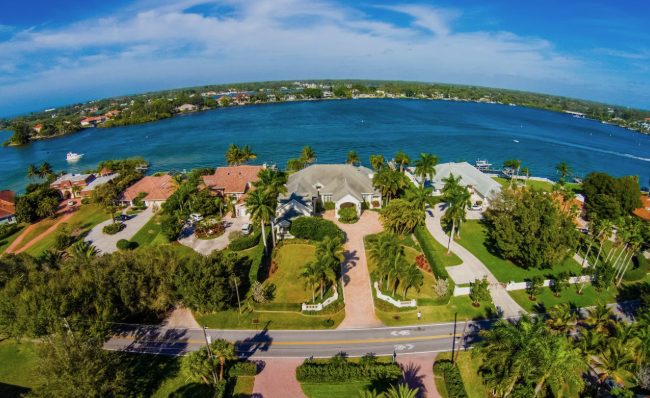
Pinecrest feels rural by design. Many streets have no sidewalks (that’s intentional, preserved as part of the village’s character), heavy tree canopy, and lots that let you actually have separation from your neighbors. Homes range from 1960s and 70s ranch-style houses to newer custom construction, without a dominant architectural style. If you want to see what the ground-up building process looks like here, including the teardown-and-rebuild trend that’s active on older lots, read New Construction in Pinecrest: Custom Homes and the Teardown Market. The village guards this rural feel aggressively through tree preservation ordinances and lot coverage limits, so don’t assume you can clear a lot and max out square footage the way you could elsewhere. Sections like the Pinecrest Estates and the streets closer to Old Cutler Road carry the heaviest canopy and the largest average lots, while parcels closer to US-1 tend to run smaller and more affordable.
Coral Gables feels like a designed city because it is one. Curved boulevards, Mediterranean Revival architecture (barrel tile roofs, stucco, arches), named plazas, and a genuine grid you can navigate on foot or bike. The city’s Board of Architects reviews exterior changes, which keeps the aesthetic consistent, but also means renovations, paint colors, and additions go through a real approval process. That’s a feature for people who value the architectural integrity, and a frustration for anyone who wants to renovate fast without design review. The historic core near Coral Way, the Granada section, and the streets around the Biltmore each have their own texture, and the waterfront communities of Cocoplum and Gables Estates operate almost like their own private enclaves with their own guard gates, separate from the walkable core most people picture when they hear “Coral Gables.”
If you want the wider picture on how Pinecrest itself breaks into distinct pockets, from the estates near Old Cutler Road to the sections closer to US-1, the Pinecrest Neighborhoods: Where to Live and What Each Area Is Like guide covers that street by street, which matters because “Pinecrest” isn’t one uniform product any more than “Coral Gables” is.
Commute and Daily Logistics
Coral Gables sits closer to the action. It’s a straight shot up Le Jeune Road, US-1, or the Palmetto to Brickell, downtown Miami, and Miami International Airport, typically 15 to 20 minutes to Brickell in normal traffic. It’s also the only one of the two with real Metrorail access, the Douglas Road and University stations sit right in the city, which matters if anyone in your household commutes by train rather than car. That proximity is a big part of why Coral Gables commands a premium on smaller lots.
Pinecrest sits further south along US-1, and while it’s not remote, you’re adding real time to that same commute, often 25 to 35 minutes to Brickell depending on when you leave. For a two-income household where one or both commute downtown daily, that’s not trivial. It’s the tradeoff for the extra land: you’re buying distance from the urban core in exchange for space and quiet. Pinecrest does sit close to Baptist Hospital and the South Miami medical corridor, which is worth knowing if anyone in your household works in healthcare, since that commute runs the opposite direction from Brickell and is genuinely short from most Pinecrest addresses.
Neither suburb is transit-rich in the way you’d get in a truly urban neighborhood outside of the Gables’ Metrorail stations. Both are car-dependent for day-to-day errands. The practical difference is minutes, not mode of transportation, but those minutes add up daily in a way families feel over a school year, especially with after-school activities that require a second or third drive across town.
Lifestyle, Parks, and Things to Do
Pinecrest revolves around Pinecrest Gardens (the former Parrot Jungle site, now a county-run cultural venue with a farmers market, splash pad, and green space), Suniland Park, and a genuinely family-first, low-key pace. It’s not a nightlife suburb. Weekends look like the farmers market, kids’ sports leagues, and backyard time. Dadeland Mall and the shopping along US-1 are close enough for errands without being part of daily foot traffic. If you want the fuller picture of what daily life looks like, including dining and community events, Life in Pinecrest: Pinecrest Gardens, Dining, Community, and What Makes It Special covers it in depth.
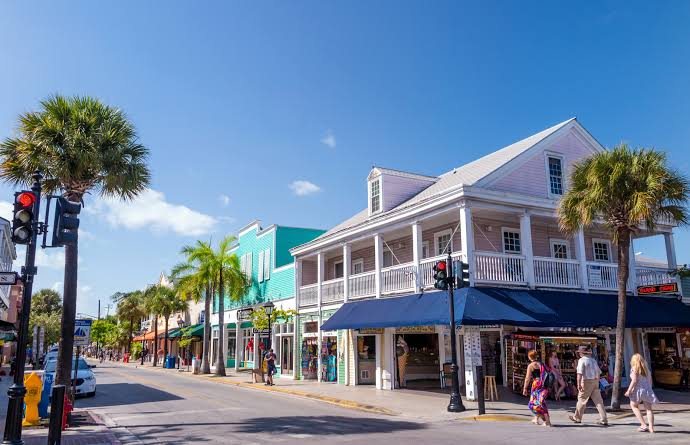
Coral Gables revolves around Miracle Mile and Giralda Plaza for dining, the historic Venetian Pool, the Biltmore Hotel and its golf course, and proximity to Coconut Grove and Downtown Miami for anything you can’t find locally. Books & Books on Aragon Avenue and the Coral Gables Museum add a cultural layer you won’t find in Pinecrest. It’s a suburb where you can genuinely walk to dinner, which is rare in South Florida outside of a handful of neighborhoods. If your family wants that European city feel where you park once and walk for a few hours, Coral Gables delivers it in a way Pinecrest structurally can’t, because Pinecrest wasn’t built to be walkable, it was built to not be.
HOA, Deed Restrictions, and Rules You Need to Know
Neither suburb runs on the classic Florida HOA model most relocators expect from newer master-planned communities. There’s no monthly HOA fee tied to most single-family homes in either place. But “no HOA” doesn’t mean “no rules.”
In Coral Gables, the city itself acts as the enforcement body. The Board of Architects reviews exterior renovations, additions, and even paint colors in many sections, and code enforcement is active. If you buy here expecting to make fast cosmetic changes without a review process, budget extra time and expect pushback on anything that clashes with the Mediterranean Revival aesthetic.
In Pinecrest, the village enforces tree preservation ordinances (you generally can’t just remove a grand tree because it’s inconvenient), lot coverage maximums, and setback requirements that protect the low-density feel. Some individual subdivisions within Pinecrest do have their own HOAs or deed restrictions, so this varies by street, not just by village, which is another reason to check the specific parcel rather than assuming.
If you’re relocating from a market where “no HOA” means “no rules,” recalibrate. Both of these suburbs protect their character aggressively, just through municipal code rather than a private association.
Property Taxes and Insurance: The Real Carrying Cost
Nobody talks about this part enough, and it changes the monthly math more than people expect. Both suburbs carry Miami-Dade County millage rates plus their own municipal rate, and on a $1.5M to $2.5M home that adds up to a meaningful annual bill, often $18,000 to $30,000 or more depending on assessed value and whether you’re transferring homestead portability from a previous Florida home. If you’re moving from a state with no property tax, budget for this before you fall in love with a house, not after.
Insurance is the other piece relocators underestimate. Older homes in both suburbs, particularly Coral Gables’ 1920s and 1930s stock, often need a four-point inspection before a carrier will write a policy, and roofs older than fifteen to twenty years can be a real sticking point regardless of how the house shows. Pinecrest’s larger, newer custom builds sometimes insure more easily simply because the systems are newer. Neither village sits in a high-risk coastal flood zone the way waterfront Miami neighborhoods do, but Coral Gables’ waterfront sections in Cocoplum and Gables Estates are the exception, and flood insurance there is a real line item, not an afterthought.
Resale Value and Long-Term Investment
Both suburbs have held value well through every cycle I’ve watched, and that’s not marketing, it’s a function of scarcity. Neither village has meaningful room for new subdivisions. Pinecrest’s minimum lot sizes and Coral Gables’ historic protections both cap supply permanently, so demand for what exists keeps pushing prices up over time even in years when the broader county market softens.
The teardown and rebuild trend in Pinecrest has been a genuine wealth driver for people who bought early. A half-acre lot with a dated 1970s ranch bought a decade ago is often worth more today for the land than the original purchase price for the whole package, and rebuilding on it typically returns strong value if you’re planning to stay ten-plus years. Coral Gables’ resale strength leans more on the walkability and school zone holding steady, since the historic districts can’t add inventory even if demand spikes.
Neither suburb is a rental-heavy market, and that’s by design. These are owner-occupied communities, and you’ll notice it in the lack of short-term rental activity compared to Miami Beach or Brickell. If cash flow from renting is your primary goal, neither suburb is the right play. If long-term appreciation and a stable owner-occupied neighborhood is the goal, both have proven track records.
Which One Should You Actually Choose?
Run this quick filter with your family:
- Budget under $1.1M and you want character, not acreage? Coral Gables, in the older core near Coral Way or south of Bird Road.
- Budget $1M to $2.5M and you want the most land and a top public school pathway? Pinecrest.
- Commute to Brickell or downtown daily and hate long drives? Coral Gables.
- Want a walkable weekend, dinner on Miracle Mile, dog walks past the Biltmore? Coral Gables.
- Want a quiet street with no sidewalks, big trees, and a backyard your kids can actually use? Pinecrest.
- Chasing a specific private school (Ransom Everglades, Carrollton, Riviera)? Coral Gables, for proximity.
- Chasing the Pinecrest Elementary to Palmetto to Miami Palmetto public pathway specifically? Pinecrest, obviously, since that pathway only exists inside Pinecrest’s boundaries.
If you’re still torn, it usually comes down to this: families who prioritize space and public school reputation choose Pinecrest, and families who prioritize walkability, architecture, and commute time choose Coral Gables. Both are excellent long-term holds. Miami-Dade single-family inventory sits at 4.8 months of supply county-wide, which is balanced-to-seller-leaning, and both of these suburbs consistently outperform that baseline because demand for this specific combination of schools and land (or schools and walkability) doesn’t let up even when the broader market softens.
I’ve also seen empty nesters flip this decision the opposite way from young families. A couple downsizing out of a big Pinecrest lot after the kids leave for college often lands in Coral Gables specifically for the walkability they gave up for two decades. And young professional couples without kids yet, especially anyone affiliated with UM or the med school, often start in Coral Gables for the commute and lifestyle, then move to Pinecrest once they’re planning for kids and want the school zone locked in early. Neither move is wrong. It just means the “right” suburb can change as your life stage changes, which is worth knowing before you buy something you plan to stay in for fifteen years.
For the deepest look at Pinecrest specifically, including how the village compares across every angle from investment returns to first-time entry points, start with the Pinecrest, Florida: The Complete Guide for Buyers in 2026 or Moving to Pinecrest: Miami-Dade’s Most Prestigious South Miami Suburb (2026 Guide). If you’re weighing Pinecrest against Coral Gables for an actual purchase decision, not just research, that’s exactly the kind of conversation worth having before you start touring. Tell me your budget, your commute tolerance, and what school pathway you’re targeting, and I can tell you within a few minutes which suburb actually fits, and which specific streets to look at inside it.

More articles you might like
Pinecrest, Florida: The Complete Guide for Buyers in 2026
18 min readMoving to Pinecrest: Miami-Dade's Most Prestigious South Miami Suburb (2026 Guide)
21 min readFirst-Time Buyer in Pinecrest: What the Entry Level Looks Like
13 min readNew Construction in Pinecrest: Custom Homes and the Teardown Market
13 min readPinecrest Investment Property: Returns, Rental Demand, and the Long-Term Case (2026)
14 min read