Pinecrest Investment Property: Returns, Rental Demand, and the Long-Term Case (2026)
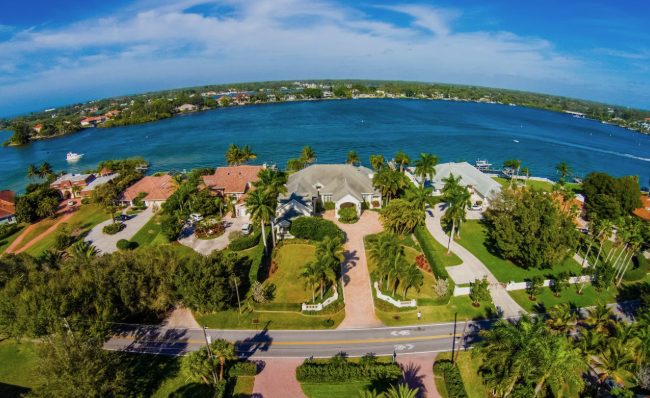
If you’re running the numbers on a Pinecrest investment property, here’s the honest answer up front: returns, rental demand, and the long-term case all point to the same conclusion. Pinecrest is not a cash-flow market. It’s a land-scarcity and appreciation market, and the two require completely different playbooks. Buy it like a Kendall duplex expecting an 8 percent cap rate and you’ll be disappointed. Buy it understanding what actually drives value here, and it can be one of the more defensible long-term holds in Miami-Dade County.
This guide breaks down what rents actually look like, who’s renting, what cap rates realistically run, and where the real return comes from over a 7 to 15 year hold.
Pinecrest Investment Property Returns: What Cap Rates Actually Look Like Here
Let’s start with the number most investors ask about first, because it’s the one that disappoints people who haven’t shopped this village before.
A well-located, updated single-family home in Pinecrest, four bedrooms, three bathrooms, on a standard lot near Palmetto Senior High or the Pinecrest Elementary zone, typically trades in the $1.2 million to $1.8 million range as of 2026. Estate properties along Old Cutler Road, near Pinecrest Gardens, or on the larger acre-plus lots in the village’s western sections regularly clear $3 million to $5 million and up.
Rent on that same $1.2 to $1.8 million home runs roughly $5,500 to $9,000 a month for a solid, move-in-ready property. Do the math and you land at a gross cap rate somewhere between 2 and 4 percent before taxes, insurance, and maintenance. After carrying costs, especially with Miami-Dade property tax reassessment on a purchase at full market value, net yield often sits closer to 1.5 to 2.5 percent.
Compare that to Kendall, Cutler Bay, or parts of Homestead, where a $450,000 to $600,000 single-family rental can produce a 5 to 6 percent gross cap rate. On a pure income basis, Pinecrest loses that comparison every time. If you’re background-checking this against the broader county, Miami-Dade single-family homes overall are running around 4 to 5 months of supply and a countywide median near $678,000, seller-leaning territory. Pinecrest sits well above that median, and the gap between price and achievable rent is exactly why the cap rate compresses the way it does.
So why do investors still buy here? Because cap rate isn’t the only return that matters, and in a market this constrained, it’s arguably not even the primary one.
Who Rents in Pinecrest, and Why That Matters for Demand
Rental demand in Pinecrest doesn’t look like rental demand in most of Miami-Dade, and understanding the tenant pool is the difference between a smooth hold and a frustrating one.
Relocating executives and corporate transfers. Pinecrest pulls a steady stream of families relocating for work who want to test the village, the commute, and the schools for a year or two before committing to a purchase. These tenants come from finance, healthcare administration, and corporate roles based in Coral Gables, Brickell, and the broader Miami metro. They’re reliable, they typically sign 12-month leases, and they treat the property well because they’re evaluating whether to buy in the neighborhood themselves.
Physicians and healthcare professionals. Baptist Hospital of Miami and South Miami Hospital sit just outside Pinecrest’s borders, and both draw a consistent flow of doctors, residents finishing training, and hospital administrators who want to live close to work without a long commute up US-1. This is one of the steadiest tenant segments in the village.
School-motivated families who aren’t ready to buy. Palmetto Senior High is consistently ranked among Miami-Dade’s top public high schools, and Pinecrest Elementary and other zoned schools draw families who will rent for a year specifically to lock in school zoning before they commit to a purchase. If you want the full picture on why this matters so much to demand, the breakdown in Pinecrest Schools: One of the Strongest School Systems in Miami-Dade explains exactly which zones drive the most pressure.
Downsizing or in-between owners. Some tenants are longtime Pinecrest residents who sold a large estate and are renting for 12 to 18 months while they build or renovate elsewhere in the village. This ties directly into the teardown and custom build activity covered in New Construction in Pinecrest: Custom Homes and the Teardown Market, where buyers often need a place to live while their new build is under construction.
What you won’t find much of in Pinecrest: young singles, roommate splits, or short-term transient renters. Zoning here is almost entirely single-family estate lots, many with minimums of 15,000 square feet and larger in parts of the village, so there’s no multifamily product to speak of and very little turnover-driven churn. That’s a demand pool that skews toward quality tenants and longer stays, which matters more to your actual return than most investors initially credit.
Pinecrest Investment Property Returns, Rental Demand, and Long-Term Case: Putting the Pieces Together
This is really the core question anyone evaluating Pinecrest has to answer: if the cap rate is mediocre, what’s the actual investment thesis?
The case breaks into three parts, and none of them show up on a first-year cash flow spreadsheet.
First, land scarcity is real and getting tighter. Pinecrest incorporated as a village in 1996 specifically to control its own zoning and preserve its low-density, large-lot character. There is no meaningful path to upzoning here the way there is in parts of unincorporated Miami-Dade or along transit corridors elsewhere in the county. The supply of buildable, code-compliant lots doesn’t expand. When a market can’t add supply and demand keeps arriving, price appreciation does the heavy lifting that rental income can’t.
Second, school zoning is a scarcity asset in its own right. Miami-Dade doesn’t have unlimited great public high schools, and Palmetto’s ranking pulls demand from families who would otherwise buy in South Miami, Coral Gables, or Pinecrest’s other close comparable, covered directly in Pinecrest vs. Coral Gables: Which South Miami Suburb Is Right for Your Family?. That competition for a fixed number of good school zones is a demand floor that doesn’t erode in a soft market the way discretionary purchases do.
Third, Florida’s tax position keeps pulling wealth south. No state income tax continues to draw high earners and retirees relocating from the Northeast and Midwest, and a meaningful share of that migration lands in Miami-Dade’s established, low-density suburbs rather than downtown high-rises. Pinecrest, along with Coral Gables and Palmetto Bay, sits directly in the path of that migration. This is a slower-moving trend than a headline rate cut, but it’s the trend that actually holds up over a 10-year investment window.
None of this means Pinecrest is immune to a slow year or two. It means the mechanisms that support long-term value here are structural, not sentiment-driven, and that matters more the longer your hold period is.
The Teardown and Land-Value Play
A meaningful share of Pinecrest investment activity isn’t traditional buy-and-hold rental at all. It’s land banking through an older home.
Because so much of Pinecrest’s value sits in the lot rather than the structure, investors and builders regularly buy dated 1970s and 1980s homes specifically for the land, hold them as a rental for a year or two to offset carrying costs, then either renovate extensively or demolish and rebuild. This is a well-worn path in the village, and it’s part of why teardown activity here looks different than almost anywhere else in South Miami-Dade.
If this is the angle you’re considering, rental income during the hold period should be treated as a bonus that offsets your carrying cost, not as the return itself. Your actual return comes from the spread between what you paid for the land-plus-structure and what a finished new build commands on that same lot. For the mechanics of how that spread works in Pinecrest specifically, including permitting timelines and what buyers are paying for finished new construction, New Construction in Pinecrest: Custom Homes and the Teardown Market walks through it in detail.
One honest caveat: this strategy requires patience and capital reserves. Permitting in the Village of Pinecrest, like most of Miami-Dade, has gotten slower, not faster, and holding costs on a $1.5 million lot for 12 to 18 months while entitlements move through the process is not a rounding error. Investors who go into this expecting a quick flip are usually the ones who end up frustrated.
The Rental Market: Rents, Vacancy, and What Landlords Should Expect
For investors focused purely on the traditional rental play rather than the teardown angle, here’s what actual operations look like.
Rent ranges. A standard 3 or 4 bedroom home on a typical Pinecrest lot rents in the $5,500 to $7,500 a month range if updated and move-in ready. Larger 5-plus bedroom homes, or properties with pools and larger lots, push into the $8,000 to $12,000 range. True estate properties along Old Cutler Road or in the village’s largest-lot sections can command $15,000 to $20,000-plus a month, though that segment of tenant is thinner and takes longer to fill.
Vacancy and turnover. Because the tenant pool skews toward relocating professionals and school-motivated families on 12-month leases, turnover is lower than the county average, but it’s not zero. Expect most leases to run one to two years before a tenant either buys their own home in the area or relocates again for work.
Maintenance reality. Older Pinecrest housing stock, much of it built in the 1960s through 1980s, comes with aging plumbing, roofs, and electrical systems that weren’t built for South Florida’s current insurance and wind-mitigation standards. Budget for this. A tenant paying $7,000 a month expects a functioning, well-maintained home, and deferred maintenance shows up fast in a market where the renter has options.
Insurance and carrying costs. This is the piece that erodes cap rate the most in 2026. Florida property insurance on an older, larger home has climbed significantly, and Miami-Dade property taxes reassess to purchase price, not the seller’s grandfathered basis. Run your numbers on actual quotes, not last year’s tax bill, before you commit to a purchase price.
If you want a current read on where pricing and inventory stand across the village before you underwrite a specific property, Pinecrest Real Estate Market: Prices and Conditions in Mid-2026 has the latest numbers by segment.
Where Pinecrest Fits Compared to Nearby Suburbs
Investors comparing Pinecrest to other South Miami-Dade suburbs should know what they’re actually trading off.
Palmetto Bay offers similar large-lot character and decent schools at a meaningfully lower entry price, which improves cap rate but comes with a step down in school ranking and brand recognition versus Palmetto Senior High’s zone.
South Miami offers a more walkable, denser downtown feel with some multifamily and townhome product, which can produce better cash flow than Pinecrest’s single-family-only stock, but with less of the land-scarcity story driving long-term appreciation.
Coral Gables competes directly with Pinecrest for the same buyer and tenant pool, generally at a higher price point with more architectural restriction (through the Gables’ historic preservation rules) and a more urban, walkable core. The full comparison is in Pinecrest vs. Coral Gables: Which South Miami Suburb Is Right for Your Family?.
Kendall and Cutler Bay offer the cash flow Pinecrest doesn’t, at the cost of the school zoning, land scarcity, and long-term appreciation thesis that makes Pinecrest defensible as a hold in the first place.
There’s no universally correct answer here. An investor prioritizing near-term cash flow should look at Kendall or Cutler Bay. An investor prioritizing a 10 to 15 year appreciation and land-value play, with rental income as a secondary offset rather than the primary return, is looking at the right market in Pinecrest.
Risks and Honest Downsides
No investment thesis is complete without the downside case, and Pinecrest has real ones.
Entry cost is high, and leverage is expensive. At $1.2 million-plus for a basic entry point, this isn’t a market where a small investor scales a portfolio quickly. Financing costs on a jumbo loan at current rates eat meaningfully into whatever spread exists between rent and mortgage payment.
Cash flow is thin to negative in year one. Most Pinecrest rental purchases, especially with financing, run negative or break-even cash flow in the early years once you account for the mortgage, taxes, insurance, and maintenance reserve. You need the balance sheet to carry that gap while you wait for appreciation to do its work.
Insurance market volatility. Florida’s property insurance market has stabilized somewhat compared to the sharpest years of the crisis, but it remains a real cost line that can move materially year to year, especially on older homes without updated roofs or wind mitigation.
Illiquidity relative to price point. At this price range, the buyer pool is smaller than at the county median. A $1.5 million home doesn’t move as fast as a $450,000 home if you need to exit quickly. Plan for this to be a genuine long-term hold, not a position you can unwind in a bad quarter.
How to Run the Numbers Before You Buy
Before making an offer on any Pinecrest investment property, get actual figures on these four items rather than estimating:
- A real insurance quote, not last year’s premium from the current owner. Insurance costs on older homes in this price range have moved enough that stale numbers will throw off your entire model.
- A property tax estimate at your purchase price, using the Miami-Dade Property Appraiser’s portability and reassessment rules, not the seller’s current bill.
- Comparable rents from homes that actually closed leases in the last 90 days, not listing prices. Pinecrest’s rental pool is thin enough that asking rent and achieved rent can diverge.
- A realistic maintenance reserve based on the age of the roof, AC, and plumbing, particularly on anything built before 1990.
If those four numbers still make sense against your target hold period and return expectations, you’re underwriting Pinecrest correctly. If you’re only looking at purchase price against a market-average rent estimate, go back and rebuild the model with real numbers before you commit.
For buyers still deciding whether Pinecrest is the right fit at all, whether as an investment or a primary home, the full overview in Pinecrest, Florida: The Complete Guide for Buyers in 2026 and the neighborhood-by-neighborhood breakdown in Pinecrest Neighborhoods: Where to Live and What Each Area Is Like are the right next stops.
The Bottom Line
Pinecrest investment property returns, rental demand, and the long-term case all come back to the same theme: this is a market where the return lives in the land and the school zoning, not the monthly rent check. Cap rates in the 2 to 4 percent range are the reality, not a sign you’re overpaying. Rental demand is real and steady, driven by relocating executives, physicians, and school-motivated families, but it’s a thin, high-quality pool rather than a high-volume one. And the long-term case rests on structural scarcity, fixed lot supply, a top-ranked school zone, and continued wealth migration into Miami-Dade, that doesn’t show up on a first-year pro forma but shows up clearly over a decade.
If you’re underwriting Pinecrest with those expectations set correctly from the start, it can be one of the more defensible long-term holds in South Miami-Dade. If you’re underwriting it like a cash-flow rental market, you’ll misprice it every time.



More articles you might like
Pinecrest, Florida: The Complete Guide for Buyers in 2026
18 min readFirst-Time Buyer in Pinecrest: What the Entry Level Looks Like
13 min readPinecrest vs. Coral Gables: Which South Miami Suburb Is Right for Your Family?
17 min readNew Construction in Pinecrest: Custom Homes and the Teardown Market
13 min readLife in Pinecrest: Pinecrest Gardens, Dining, Community, and What Makes It Special
16 min read