Pinecrest Real Estate Market: Prices and Conditions in Mid-2026
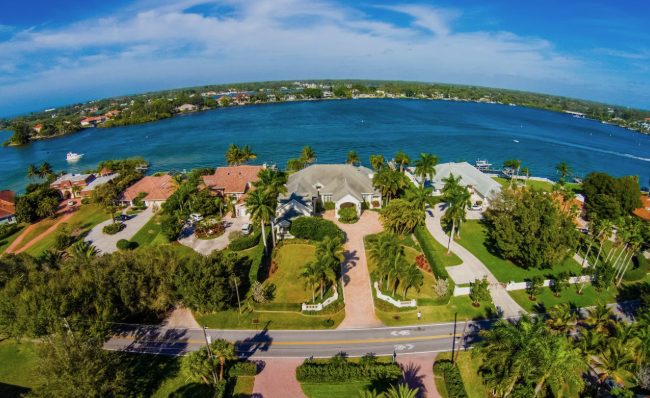
If you’re trying to figure out what’s actually happening in the Pinecrest real estate market in mid-2026, here’s the short version: this is still one of the tightest, most competitive suburbs in Miami-Dade County, but it is no longer the frenzy it was in 2021 through 2023. Renovated single-family homes under $2 million are still moving fast, often with multiple offers. Estate homes north of $4 million are sitting longer, and sellers at that level are negotiating. If you’re buying or selling in Pinecrest right now, the strategy you need depends entirely on which price tier you’re in, and that’s the part most generic market reports skip.
This guide breaks down where prices actually stand, how long homes are taking to sell, who’s competing for what, and what it means if you’re on either side of a transaction in the second half of 2026.
Pinecrest Real Estate Market: Prices and Conditions in Mid-2026
Pinecrest isn’t one market. It’s several markets stacked on top of each other inside the same village boundaries, and treating it as a single number (median price, average days on market) will mislead you more than it helps.
Here’s the honest breakdown by tier:
Entry-level Pinecrest (roughly $900,000 to $1.3 million). These are smaller, older homes, typically 3 bedroom, 2 bath, 1,600 to 2,200 square feet, concentrated closer to US-1 and the eastern edge of the village near Red Road. Many were built in the 1960s and 1970s and haven’t been substantially updated. This is where first-time buyers and young families trying to get into Pinecrest for the schools tend to land. If you want the full picture of what that entry point actually looks like day to day, we cover it in First-Time Buyer in Pinecrest: What the Entry Level Looks Like.
Core Pinecrest (roughly $1.3 million to $2.5 million). This is the heart of the market. Updated or newly renovated 4 bedroom homes on quarter-acre to half-acre lots, mostly west of US-1 toward Red Road and Miller Road. This tier sees the most transaction volume and, right now, the most competition.
Move-up and larger family homes ($2.5 million to $4 million). Bigger lots, often half acre or more, sometimes newer construction or a substantial rebuild. This tier has cooled noticeably compared to the two above it.
Estate tier (above $4 million, up to $8 million and higher). Old Cutler Road, South Pinecrest, and the largest lots in the village, some over an acre with equestrian zoning. This is where inventory has built up the most and where you’ll see the longest days on market and the most price reductions.
The pattern across almost every South Florida suburb right now is the same: the middle of the market is still tight, and the very top has softened. Pinecrest is a clean example of that.
Days on Market: What the Numbers Are Actually Telling You
Days on market (DOM) is the single best indicator of who has leverage in a negotiation, and in Pinecrest right now it varies enormously by price and condition.
Turnkey homes under $2 million that are priced correctly and show well are still going under contract in the range of two to four weeks, and it’s common for a well-marketed listing in this band to draw multiple offers in the first ten days. If you’re a buyer in this tier, you need to be pre-approved, decisive, and ready to move before you walk into a showing, not after.
Homes that need work, regardless of price, are sitting significantly longer, often 60 to 90 days or more, because the buyer pool for a fixer in Pinecrest has shrunk. Renovation and construction costs are still elevated, and buyers who might have taken on a project in 2021 are now doing the math and deciding it’s cheaper to pay more for something finished.
The estate tier above $4 million is where the slowdown is most visible. Homes in this range are commonly sitting on the market for 90 to 150+ days, and it’s not unusual to see a listing get one or two price reductions before it finds a buyer. This isn’t a sign that Pinecrest is losing value at the top. It’s a sign that the pool of buyers who can write a check for an $5 million Old Cutler estate is small, and that pool is being more patient and more selective than it was a few years ago.
If you want the deep dive on how Pinecrest as a whole compares against the neighboring luxury suburb that shares a lot of that same buyer pool, read Pinecrest vs. Coral Gables: Which South Miami Suburb Is Right for Your Family?
Why Inventory Stays Low: The Structural Reason Pinecrest Doesn’t Flood
This is the part outsiders consistently misunderstand about Pinecrest. It’s not that people don’t want to sell. It’s that the village has made it structurally difficult to add new supply.
Pinecrest enforces minimum lot sizes that are large by Miami-Dade standards, in many areas a quarter acre minimum and larger in South Pinecrest, along with strict setback requirements and one of the most aggressive tree canopy preservation ordinances in the county. You can’t subdivide most lots. You can’t clear-cut a lot and build to the property lines the way you can in parts of unincorporated Miami-Dade or newer municipalities. Every mature oak on a lot has to be accounted for in a permit application, and removing a protected tree requires village approval and often mitigation.
The practical effect: there is almost no raw land left in Pinecrest, and there hasn’t been for years. New construction happens almost exclusively through teardown and rebuild on an existing lot, one house at a time. That keeps total inventory permanently constrained, which is the real reason Pinecrest prices have held up even as some other South Florida submarkets have cooled more sharply. For the full picture of how that plays out lot by lot, see New Construction in Pinecrest: Custom Homes and the Teardown Market
Because there’s no builder pumping out 50 new homes a year in Pinecrest the way there might be in a Homestead or South Dade master-planned community, supply responds slowly to demand. That’s the structural floor under this market.
Who’s Actually Competing for Pinecrest Homes Right Now
The buyer pool in Pinecrest in 2026 breaks down into a few distinct groups, and understanding which one you’re competing against changes how you should approach an offer.
School-driven relocators. Pinecrest feeds into some of the strongest public schools in Miami-Dade, including Pinecrest Elementary, Palmetto Middle, and Miami Palmetto Senior High, and that draws families relocating from out of state, particularly the Northeast, who are willing to pay a premium specifically to be zoned into this district. These buyers are often less price-sensitive on the entry and core tiers because they’ve already priced in what private school tuition would have cost them elsewhere.
Local move-up buyers from Coral Gables, Pinecrest, and South Miami. Families already in the area trading up as their kids grow, or downsizing from a larger estate lot to something more manageable. This group knows the market cold and won’t overpay, which is part of why the upper tiers have softened; local buyers who know values are being more disciplined than out-of-town cash buyers were in 2021 and 2022.
Teardown investors and custom builders. Buyers purchasing dated homes specifically for the lot, with plans to demolish and build new. This group is doing careful math on land value versus construction cost per square foot, and elevated construction costs have made some of them more conservative on what they’ll pay for a lot in 2026 than they were two years ago.
International and Latin American buyers, many purchasing with cash, drawn to Pinecrest’s reputation, privacy, and proximity to both Miami’s urban core and the airport. This group remains active at the upper end of the market but has become more price-conscious as the exchange rate and global rate environment have shifted.
If you’re weighing Pinecrest against nearby options for either your own family or as an investment, two resources worth reading together are Pinecrest Investment Property: Returns, Rental Demand, and Long-Term Case and the full Pinecrest, Florida: The Complete Guide for Buyers in 2026
Teardown and Renovation Math: What It Actually Costs Right Now
Because so much of the “new construction” in Pinecrest is a teardown and rebuild, it’s worth being direct about the math, because it explains a lot of the pricing behavior described above.
A typical teardown lot in core Pinecrest runs anywhere from $900,000 to $1.8 million depending on location and lot size, before you’ve spent a dollar on construction. Custom construction costs in Miami-Dade in 2026 are commonly running $400 to $600+ per square foot for a quality single-family build, higher if you’re doing impact windows throughout, a pool, high-end finishes, or building on a larger South Pinecrest lot with more site work. A 4,000 square foot custom home, once you add the lot, can land anywhere from $3 million to well over $5 million by the time it’s finished.
That math is exactly why the estate tier has softened. Buyers doing a ground-up custom build increasingly have the option to buy an already-finished newer home for less than what it would cost them to build one from scratch, and that’s pulling some demand away from raw teardown lots at the highest price points. It’s also why turnkey, recently-built or recently-renovated homes in the $2 million to $4 million range are holding value better than dated homes that need a full renovation to be competitive.
Pinecrest Neighborhoods: Where the Money Moves in 2026
Price behavior isn’t uniform across the village, and knowing the sub-areas matters if you’re serious about buying here.
North Pinecrest, near the Coral Gables line. Closer to Sunset Drive and Red Road, this area draws buyers who want Pinecrest schools with easier access to Coral Gables and the Gables’ restaurant and shopping corridor. Prices here track closely with the core tier described above.
Around Pinecrest Gardens and the Village Center. Walkable to the farmers market, Pinecrest Gardens, and the library, this pocket carries a lifestyle premium. Homes here tend to sell fast when they hit the market in good condition. For a feel of what daily life looks like in this pocket specifically, see Life in Pinecrest: Pinecrest Gardens, Dining, Community, and What Makes It Special
South Pinecrest. The largest lots in the village, many over half an acre and some over an acre, with equestrian zoning in pockets near Kendall Drive and Old Cutler Road. This is the estate tier where days on market has stretched the most in 2026.
Along and near Old Cutler Road. The most prestigious address in the village, tree-canopied and quiet, commanding the highest per-square-foot prices in Pinecrest. This is where you’ll find most of the homes above $5 million.
Closer to US-1 and Red Road. The most accessible entry point price-wise, still zoned for Pinecrest schools but with smaller lots and older housing stock, and the fastest-moving segment of the entry-level tier.
For a full neighborhood-by-neighborhood breakdown with more detail on HOA structure (most of Pinecrest is not HOA-governed at the single-family level, though there are a handful of gated enclaves like The Moorings and Pinecrest Trails with their own associations and fees), read Pinecrest Neighborhoods: Where to Live and What Each Area Is Like and Pinecrest Schools: One of the Strongest School Systems in Miami-Dade
What This Means If You’re Buying in Pinecrest Right Now
If your budget is under $2 million and you’re looking at a renovated home in good condition, treat this like a competitive market. Get fully underwritten before you tour, be ready to make a decision within days rather than weeks, and don’t assume you’ll get a second look at a well-priced listing. This is not the segment to lowball in 2026.
If you’re looking at a fixer-upper anywhere in the village, or anything above $4 million, you have real room to negotiate. Sellers at these tiers are seeing longer market times and, in many cases, are more willing to talk about price, closing timeline, or covering some closing costs than they were two or three years ago. Don’t assume every Pinecrest listing is a bidding war. Ask your agent for actual comparable days-on-market data for the specific price band and condition you’re looking at before you decide how aggressive to be.
What This Means If You’re Selling in Pinecrest Right Now
Pricing accuracy matters more in mid-2026 than it did during the run-up years, especially above $3 million. Overpricing a listing in this market doesn’t just cost you time, it signals to buyers that the home has been sitting, which invites lowball offers once you do eventually reduce.
If your home needs updating, get honest with yourself about what buyers are actually willing to take on in this cost environment. A dated kitchen or bathroom is a bigger deduction from a buyer’s offer today than it was when renovation costs were lower and buyer competition was fiercer. In many cases, a modest pre-listing refresh, new paint, updated lighting, addressing obvious deferred maintenance, will do more for your net price than holding out for a buyer willing to take the home as-is.
If you’re on a large South Pinecrest or Old Cutler lot and you’re getting interest primarily from teardown buyers, understand that they are pricing the land, not the house. Knowing your true land value, separate from any sentimental value in the existing structure, will keep your pricing expectations grounded in reality.
The Bottom Line for the Second Half of 2026
Pinecrest remains one of the most structurally supply-constrained, school-driven markets in Miami-Dade County, and that isn’t changing anytime soon given the village’s zoning and tree canopy rules. But mid-2026 conditions are not uniform. The middle of the market, roughly $1.3 million to $2.5 million, is still moving fast and rewarding sellers. The top of the market, above $4 million, has genuinely slowed and now rewards patient, well-informed buyers.
Whichever side of a Pinecrest transaction you’re on, the mistake to avoid is treating this as one market with one set of rules. Know your price tier, know your neighborhood, and price or offer accordingly.
If you want the full ground-level view before you make a move, start with the Pinecrest, Florida: The Complete Guide for Buyers in 2026, and if you’re weighing Pinecrest against Miami-Dade’s other top-tier suburb, read the Pinecrest vs. Coral Gables comparison next. If you’re ready to talk about where your specific budget and timeline actually fit into this market, DM me “PINECREST” and I’ll walk you through what’s realistic right now.



More articles you might like
Pinecrest, Florida: The Complete Guide for Buyers in 2026
18 min readFirst-Time Buyer in Pinecrest: What the Entry Level Looks Like
13 min readPinecrest vs. Coral Gables: Which South Miami Suburb Is Right for Your Family?
17 min readNew Construction in Pinecrest: Custom Homes and the Teardown Market
13 min readPinecrest Investment Property: Returns, Rental Demand, and the Long-Term Case (2026)
14 min read