Moving to Pinecrest: Miami-Dade's Most Prestigious South Miami Suburb (2026 Guide)
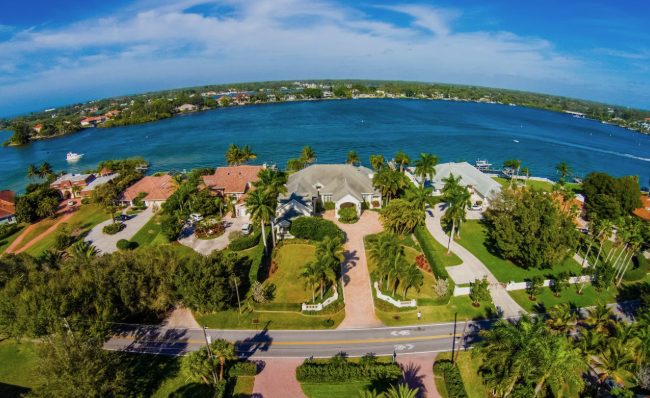
Moving to Pinecrest means buying into Miami-Dade’s most prestigious South Miami suburb on purpose, not by accident. This is not a neighborhood that got expensive because of a boom. It is a village of about 19,000 to 20,000 residents that incorporated in 1996 specifically to control its own zoning, protect its tree canopy, and keep lot sizes large. That decision, made almost 30 years ago, is why Pinecrest still looks and feels different from every suburb around it, and why the real estate carries a premium that has only grown since.
The incorporation vote itself tells you everything about how this village thinks. Residents in the mid-1990s watched unincorporated Miami-Dade allow denser development creep toward their streets and decided the only way to stop it permanently was to control their own destiny: their own council, their own building department, their own police department, and their own say over what gets built on every lot inside the village line. Thirty years later, that same instinct still runs the place. Nothing here happens by accident.
If you are relocating to South Miami-Dade and Pinecrest keeps coming up in every conversation with agents, teachers, and other parents, here is the honest, ground-level guide to what you are actually signing up for.
What Makes Pinecrest Different From Everywhere Else in South Miami-Dade
Pinecrest sits roughly between Coral Gables and South Miami to the north and Palmetto Bay to the south, bounded loosely by Red Road (SW 57th Avenue) on the east and stretching west toward SW 87th Avenue, with the village running from around SW 88th Street down to SW 136th Street. Inside those lines, three things separate Pinecrest from nearly every other suburb in the county.
First, lot sizes. Large portions of the village are zoned for half-acre and full-acre lots, especially west of US-1 and along Old Cutler Road. That is unusual for Miami-Dade, where most suburbs subdivided into standard 6,000 to 10,000 square foot lots decades ago. Pinecrest never did that at scale, and it is the single biggest reason land here holds and grows in value. The village’s residential zoning categories set real minimums, some parcels require 15,000 square feet, others require a full acre in the estate districts closest to Old Cutler Road, and those minimums cannot be subdivided away the way they can in a lot of unincorporated pockets nearby. That is the actual mechanism behind the scarcity, not just a reputation.
Second, the tree canopy is not incidental, it is policy. Pinecrest has some of the strictest tree preservation ordinances in the county. You cannot just remove a grand oak or ficus because it is inconvenient for a driveway. Permits are required, replacement trees are often mandated, and the village enforces it. That is why streets like Old Cutler Road and the residential blocks around Pinecrest Gardens still feel like a canopy tunnel instead of a subdivision. It also means if you buy a lot with heritage trees on it, plan your build or renovation around them rather than assuming you can clear the lot the way you might in a newer western suburb.
Third, many streets in Pinecrest still do not have sidewalks, and that is deliberate. The village has resisted full sidewalk build-out in parts of its footprint to preserve a semi-rural, almost equestrian character that goes back to when this area was citrus groves and small farms. Some pockets still allow horses on larger lots. You will not find that anywhere else inside the urban core of Miami-Dade. It also means Pinecrest sits on some of the higher, drier ground in the county, part of the Miami Rock Ridge, which is worth knowing if you are comparing flood risk and insurance exposure against coastal Miami-Dade neighborhoods closer to Biscayne Bay.
Moving to Pinecrest: What You’re Actually Buying Into
When people talk about moving to Pinecrest, Miami-Dade’s most prestigious South Miami suburb, they are usually talking about three things at once: the schools, the land, and the quiet. You are not moving to Pinecrest for nightlife or walkability to restaurants. You are moving here because you want a large lot, mature trees, a strong public school zone, and a 15 to 25 minute drive to Brickell, Coral Gables, or Dadeland depending on where you land inside the village.
Pinecrest also runs its own police department and its own building and code enforcement, separate from unincorporated Miami-Dade. That matters more than people expect. Permitting, code compliance, and even how fast a pothole gets fixed run through the village, not the county. Long-time residents will tell you this is one of the quiet reasons property values here have stayed resilient. Nobody is fighting county bureaucracy to keep the neighborhood looking the way it looks.
Think about what that means in practice. If a neighbor starts a project that violates setback rules or removes protected trees without a permit, the village’s own code enforcement responds directly, not a county office juggling complaints from fifty other neighborhoods. Response times on quality-of-life issues tend to be faster, and enforcement tends to be more consistent, because the people making the rules live under the same rules.
For buyers relocating from out of state, the comparison that usually lands the point is this: if you are coming from a metro where a $1.5 million budget buys a large custom home in an unincorporated county with light zoning enforcement, Pinecrest will feel restrictive at first. You cannot pave over your whole front yard, you cannot clear-cut a lot, and you cannot ignore setback rules because you have the money to fight it later. What you get in exchange is a neighborhood that will look and feel the same way in twenty years that it does today. For a lot of relocating families, especially ones burned by watching a previous neighborhood get overbuilt around them, that tradeoff is the entire appeal.
For the full breakdown of what a Pinecrest purchase actually involves in 2026, from inspection quirks on older homes to what “estate zoning” means for your build plans, the Pinecrest, Florida: The Complete Guide for Buyers in 2026 is the deeper companion piece to this one.
Pinecrest Neighborhoods and Where to Land
Pinecrest is not one uniform strip of estate homes. The village has distinct pockets, and where you land changes both your price and your day-to-day feel.
East of US-1, along and near Old Cutler Road, you are in the most prestigious and most expensive stretch of the village. Lots here regularly run a half acre to over an acre, tree canopy is thickest, and homes range from renovated 1960s and 1970s ranches to ground-up new construction pushing well past $5 million. This is the corridor people mean when they say “Old Cutler.” Streets branching off Old Cutler between roughly Sunset Drive and Coral Reef Drive carry some of the highest per-acre land values in South Miami-Dade, and inventory here can sit thin for months at a time because owners tend to stay for decades.
West of US-1, toward SW 87th Avenue, lots are still generous but pricing is more accessible, and you will find a mix of original owners who have been in the same home for 30 years alongside younger families who bought in over the last decade and renovated. This is where a lot of the realistic entry-level Pinecrest buying happens, which is covered in more detail in First-Time Buyer in Pinecrest: What the Entry Level Looks Like. Buyers who get priced out of the Old Cutler corridor but still want the Pinecrest address and school zoning almost always end up shopping this side of the village first.
Around Pinecrest Gardens and Sunset Drive, you are closer to the village’s cultural core, walking distance in some cases to the Sunday farmers market and the shaded paths of the old Parrot Jungle grounds, now a 20-acre botanical park and event venue owned by the village. This pocket tends to appeal to buyers who want a shorter walk or bike ride to community life without giving up the lot size that defines the rest of the village.
South Pinecrest, near the Palmetto Bay line, tends to run slightly more affordable per square foot while still carrying Pinecrest’s school zoning and address, which makes it a common landing spot for buyers who want the schools without the absolute top-of-market Old Cutler price tag. It is also the pocket most likely to get cross-shopped directly against northern Palmetto Bay, since the two areas sit close enough that the practical difference in day-to-day life is small even though the price gap can be significant.
For a street-by-street sense of which pocket fits which budget and lifestyle, see Pinecrest Neighborhoods: Where to Live and What Each Area Is Like.
Schools: The Real Reason Most People Move Here
Ask most Pinecrest buyers why they picked the village over Coral Gables, South Miami, or Palmetto Bay, and schools come up before trees, before lot size, before anything else.
Pinecrest Elementary and Howard Drive Elementary are consistently among the highest-rated public elementary schools in Miami-Dade County. Palmetto Middle School feeds into Miami Palmetto Senior High, which runs a well-regarded International Baccalaureate program and is one of the most competitive public high schools in the county for college placement. Families who could easily afford Miami’s top private schools still choose Pinecrest specifically to stay zoned for Palmetto.
That said, private school access matters here too. Gulliver Preparatory School’s Pinecrest campus sits right on Red Road, and Palmer Trinity School is a short drive south. That combination, elite public option plus elite private options minutes away, is unusual and is part of why families with school-age kids treat Pinecrest as a finish line rather than a starting point.
Here is a scenario that plays out constantly with relocating families. A couple is moving from out of state with two kids, one heading into third grade and one into sixth. They assume any home inside the village limits zones to the same schools. It does not work that way. School zoning inside Pinecrest is not uniform. Two homes ten minutes apart can zone to different elementary schools, and that difference alone can move a home’s price by six figures. Confirm the actual zoned school with the Miami-Dade County Public Schools locator before you write an offer, not after. It is a five-minute check that can save you from buying the wrong house for the right reason.
It is also worth understanding what “competitive” actually means at Miami Palmetto. The IB program is application-based and selective, not automatic just because you live in the zone. Families who move to Pinecrest specifically chasing an IB seat should talk to current parents about the application timeline and academic thresholds well before the move, not after closing.
The full zoning breakdown, boundary quirks included, lives in Pinecrest Schools: One of the Strongest School Systems in Miami-Dade.
The Real Cost of Moving to Pinecrest
Here is what most out-of-market buyers underestimate: Pinecrest does not have a single villagewide HOA, but that does not mean it is cheap or unregulated.
Home prices. As of mid-2026, single-family homes in Pinecrest are largely a seller’s market, with limited inventory relative to demand. Entry-level product, typically an original concrete block ranch on a large lot in need of updating, generally starts in the $1.1 million to $1.5 million range depending on the pocket. Renovated homes on the same size lots run $1.8 million to $3 million. Push into Old Cutler Road estates or newer ground-up construction and you are commonly looking at $4 million to $8 million-plus, with the very top of the market well beyond that.
To put that in perspective for a relocating family: a $1.3 million entry-level home in west Pinecrest and a $2.4 million renovated home closer to Old Cutler can sit on nearly identical size lots and zone to the same elementary school. The price gap is almost entirely about the condition of the structure and, sometimes, the specific street. That is a real decision point for buyers, gut-renovate a dated but structurally sound home yourself, or pay the premium for someone else’s finished work.
Property taxes. Because Pinecrest is its own municipality with its own millage rate layered on top of Miami-Dade County and school board taxes, effective tax bills run higher in dollar terms than an equivalent home in unincorporated Miami-Dade, simply because assessed values are higher. Budget accordingly, and always pull the actual current tax bill on any specific property rather than estimating from the county average. On a $2 million home, that combined millage can easily mean a five-figure annual tax bill, and Florida’s homestead portability rules only help if you are moving from another Florida homestead, not from out of state.
HOA and deed restrictions. Most of Pinecrest has no mandatory HOA. Some gated enclaves and newer subdivisions inside the village do carry their own associations with dues and architectural review, particularly around parts of Old Cutler Road. Always ask specifically whether the parcel you are buying sits inside one of those associations, because the village’s own code enforcement (tree removal, fence height, setback rules) applies everywhere regardless. A buyer coming from a heavily HOA-regulated market up north sometimes assumes “no HOA” means no rules. In Pinecrest, the village itself functions like a strict HOA for exterior standards, it is just enforced by code officers instead of a homeowners board.
Insurance. Older homes, especially anything built before the 1990s wind codes, will need a wind mitigation inspection and often carry a meaningfully higher premium than newer construction. This is true across South Florida, but it hits harder in Pinecrest because so much of the housing stock is original 1960s through 1980s construction on large lots. Roof age is usually the single biggest lever on premium. A 1970s ranch with an original roof will price very differently for insurance than the same house with a roof replaced in the last five years, and that gap can run into the thousands annually. Factor a roof condition report into your offer strategy on any older Pinecrest home.
For current comps, days on market, and where pricing is trending street by street, the Pinecrest Real Estate Market: Prices and Conditions in Mid-2026 tracks the numbers directly.
New Construction, Renovation, or Teardown
Because so much of Pinecrest’s housing stock is 40 to 60 years old on land that is now worth more than the structure sitting on it, the village has one of the most active teardown and custom-build markets in South Miami-Dade.
Buyers generally fall into three camps. Some want a move-in-ready renovated home and are willing to pay the premium for someone else having already done the work. Some buy the original ranch specifically to gut renovate, keeping the footprint but modernizing systems, kitchens, and impact windows. And a growing group buys purely for the lot, tears down, and builds custom, often in the $3 million to $6 million range once land and construction are combined.
There is no dominant national production builder inside Pinecrest the way there is in western Broward or Palm Beach County. This is custom home territory, built lot by lot by local architects and builders who know the village’s tree preservation and setback rules, which are strict enough to trip up anyone unfamiliar with them. Permitting through the Village of Pinecrest’s own building department also runs on its own timeline, separate from county permitting, and can move faster or slower depending on the scope of the project. Budget extra time either way.
A realistic teardown timeline in Pinecrest, from closing on the lot to a certificate of occupancy on new construction, commonly runs 18 to 30 months once you account for design, permitting, tree survey and preservation approval, and actual construction. Buyers who assume it will move at the pace of a production builder in a newer western community are usually disappointed. The upside is the finished product: a custom home built to your specifications on a lot size you could not replicate closer to the coast at any price.
The full picture on land values, what a teardown actually costs end to end, and which builders are doing credible work in the village is in New Construction in Pinecrest: Custom Homes and the Teardown Market.
Pinecrest vs. Coral Gables, South Miami, and Palmetto Bay
Buyers relocating to South Miami-Dade almost always cross-shop Pinecrest against Coral Gables, and increasingly against Palmetto Bay as prices push south.
Coral Gables offers more architectural uniformity (Mediterranean Revival, deed restrictions villagewide), more walkability in its downtown core, and a similarly strong school zone, but at generally smaller lot sizes and a higher price per square foot for comparable homes. Pinecrest wins on land, tree canopy, and a quieter, less urban feel. Coral Gables wins on walkability and architectural consistency. If your daily life involves walking to dinner, biking to a farmers market downtown, and living somewhere that looks like a postcard year-round, Coral Gables usually wins that comparison. If your priority is acreage, privacy, and keeping a horse or a large pool and yard, Pinecrest usually wins it.
South Miami, wedged between the two, is smaller and more affordable but does not carry the same acre-lot inventory or the same school reputation villagewide. It works well for buyers who want proximity to both Pinecrest and the Gables without paying either area’s top-tier prices, but the lot sizes and school zoning are simply not comparable street for street.
Palmetto Bay, just south of Pinecrest, is the value play. Similar tree canopy character, similar large-lot zoning in parts, but generally 20 to 30 percent less expensive for a comparable home, without the same brand-name prestige or the same top-tier public school concentration. For a buyer who wants the general feel of Pinecrest, large lot, mature trees, quiet streets, but is not committed to Miami Palmetto’s specific school zone or the Pinecrest name on the mailing address, Palmetto Bay is worth a serious look before committing to Pinecrest pricing.
If you are weighing Pinecrest against the Gables specifically, the direct comparison, school by school and price point by price point, is in Pinecrest vs. Coral Gables: Which South Miami Suburb Is Right for Your Family?
Life in Pinecrest: What the Village Actually Feels Like Day to Day
Pinecrest Gardens is the cultural anchor of the village, a 20-acre botanical garden and event space on the site of the old Parrot Jungle, hosting a well-attended Sunday farmers market, theater performances, and community events year-round. Sunset Drive and the Dixie Highway corridor carry most of the village’s dining and retail, with The Falls shopping center just south offering a larger open-air mall experience.
Day to day, Pinecrest is quiet by design. There is no downtown strip to walk to on a Friday night, and that is the point for the people who move here. Commuting north to Brickell or downtown Miami typically runs 25 to 40 minutes depending on traffic and which part of the village you start from, with Dadeland’s Metrorail stations offering a rail option for anyone commuting into the urban core without driving the whole way. US-1 is the main artery through the village, and traffic on it during peak hours is the one honest downside residents will bring up unprompted, so if your job has any flexibility on start time, use it.
Neighborhood parks add to the day-to-day picture beyond Pinecrest Gardens itself. Smaller village parks scattered through the residential streets give families walkable green space without needing to drive to Pinecrest Gardens or The Falls every time. For families with kids in youth sports, the village’s recreation programs and nearby athletic fields are a regular part of weekly life, and it is common to see the same families at the Sunday farmers market, at Palmetto sporting events, and at village-run holiday events throughout the year. That repetition, seeing the same people across different parts of village life, is a big part of why residents describe Pinecrest as feeling more like a small town than a Miami suburb, even though it sits fifteen minutes from Brickell.
For the fuller lifestyle picture, including which parks, clubs, and community events actually shape life here, see Life in Pinecrest: Pinecrest Gardens, Dining, Community, and What Makes It Special
Common Mistakes Relocating Buyers Make in Pinecrest
A few patterns show up again and again with out-of-market buyers, and knowing them ahead of time will save you money and frustration.
Assuming the whole village zones to the same schools. Covered above, but worth repeating because it is the single most common and most expensive mistake. Verify the zoned school for the specific parcel, every time.
Waiving inspection on an older home to win a competitive offer. It happens in a seller’s market, and it is riskier here than in newer construction markets. Original 1960s and 1970s homes can carry outdated electrical panels, older plumbing, and roofs nearing the end of their insurable life. A full inspection, or at minimum a four-point inspection focused on roof, electrical, plumbing, and HVAC, should stay in your process even when you are moving fast.
Underbudgeting for the combined tax and insurance number. Buyers focus on the mortgage payment and forget that Pinecrest’s own millage plus an older home’s insurance premium can add meaningfully to the true monthly cost. Get a real number from a local insurance agent and the county property appraiser’s site before you finalize a budget, not a rough estimate.
Assuming “no HOA” means no restrictions. As covered above, the village enforces its own code aggressively. Do not plan a major landscaping change, fence, or addition without checking what the village allows first.
Underestimating renovation and permitting timelines. Whether it is a kitchen remodel or a full teardown, permitting through the village’s own building department takes real time, and tree preservation review can add more. Build a buffer into any renovation plan rather than assuming a mainland-standard timeline.
Should You Move to Pinecrest? Who This Actually Fits
Pinecrest fits a specific buyer. If you have school-age kids and want top-tier public schools without paying private tuition, if you want land and tree canopy over walkability, and if your budget realistically starts above $1.1 million for entry-level and climbs from there, Pinecrest is likely the right call and will hold its value as well as anywhere in Miami-Dade.
It fits less well if you want new-build convenience with a warranty and a homeowners association handling exterior maintenance, if you need to be under $1 million for a single-family home, or if walkable nightlife and retail matter more to your daily life than a quiet, tree-covered street. In those cases, South Miami, parts of Coral Gables, or even a newer western Broward or Palm Beach community may be the better fit.
Rental demand and long-term appreciation in Pinecrest have both stayed strong precisely because supply is capped by the village’s own zoning. That scarcity is the whole investment case, and it is worth understanding in full before you buy, whether you plan to live in the home or hold it. That case is laid out in Pinecrest Investment Property: Returns, Rental Demand, and Long-Term Case
Quick Answers Before You Tour
Do all Pinecrest homes zone for Miami Palmetto Senior High? Most of the village does, but confirm the specific address. Boundary lines exist, and they move a home’s value.
Is there a villagewide HOA? No. Some individual enclaves have their own associations, but the village’s own code enforcement covers exterior standards everywhere.
What is the realistic entry price for a single-family home? Roughly $1.1 million to $1.5 million for an original, unrenovated home on a standard Pinecrest lot as of mid-2026.
How long does a teardown and custom build take? Plan on 18 to 30 months from closing on the lot to a finished, occupiable home once design, permitting, and tree review are factored in.
Is Pinecrest walkable? Not in the way Coral Gables or downtown areas are. You are trading walkability for land, trees, and quiet.
Before you tour anything in Pinecrest, know your zoned schools, know whether the specific parcel carries an HOA, and know your real budget including the village’s own tax rate. Get those three things straight first, then start narrowing to a neighborhood. If you want the honest numbers on a specific address or pocket of the village, that is what South Florida Insider is here for at southflinsider.com.

More articles you might like
Pinecrest, Florida: The Complete Guide for Buyers in 2026
18 min readPinecrest vs. Coral Gables: Which South Miami Suburb Is Right for Your Family?
17 min readFirst-Time Buyer in Pinecrest: What the Entry Level Looks Like
13 min readNew Construction in Pinecrest: Custom Homes and the Teardown Market
13 min readPinecrest Investment Property: Returns, Rental Demand, and the Long-Term Case (2026)
14 min read