New Construction vs. Resale in Palm Beach County: Which Is the Smarter Buy in 2026?
New construction vs resale in Palm Beach County, which is the smarter buy in 2026, depends almost entirely on what you’re shopping for. If you want a single-family home, new construction is winning right now because resale inventory is tight and you’d otherwise be competing for scraps. If you want a condo, resale is winning because the market has flipped in buyers’ favor and there’s real room to negotiate. Townhouses split the difference depending on which suburb you’re looking at. There is no single right answer here, only the right answer for your property type and your budget, and this guide breaks down exactly how to think about it.
I get this question every week from relocation buyers and I want to give you the honest breakdown instead of a sales pitch for whichever side pays my commission. Let’s get into the numbers.
New Construction vs Resale in Palm Beach County: Which Is the Smarter Buy in 2026
Here’s the framework I use with every client. Palm Beach County isn’t one market, it’s three markets stacked on top of each other: single-family, condo, and townhouse. Each one is behaving differently in 2026, and the new-vs-resale decision changes completely depending on which one you’re in.
Single-family homes in Palm Beach County are sitting at roughly $685,000 median with about 4.2 months of supply. That’s balanced-to-seller-leaning territory. When supply drops under five months, sellers stop negotiating on price and buyers start competing for the same handful of listings.
Condos are the opposite story. Palm Beach County condos are averaging around $279,000 with about 7.8 months of supply, which is a genuine buyer’s market. Sellers are motivated, price reductions are common, and there’s real leverage on the table.
Townhouses sit in between, and this is the category where county-wide averages lie to you. Palm Beach County townhouses are running around 4.5 months of supply, which is still balanced-to-seller-leaning, unlike Broward (6.5 months) and Miami-Dade (7.5 months), which have both tipped into buyer’s market territory. That distinction matters more than people realize, and I’ll get into why below.
Single-Family Homes: Resale Is Tight, New Construction Sidesteps the Bidding War
If you’re shopping for a single-family home in Palm Beach County right now, here’s what resale actually looks like on the ground. At 4.2 months of supply, well-priced homes in move-in condition in places like Wellington, Royal Palm Beach, and parts of Lake Worth are getting multiple offers within the first two weeks. You’re not just competing on price, you’re competing on financing terms, inspection contingencies, and closing timelines.
New construction sidesteps that fight entirely. You’re not bidding against six other buyers, you’re working off a builder’s price list and a lot map. That’s a real advantage if you’ve been burned by a lost bidding war on resale.
But don’t mistake “no bidding war” for “no negotiating.” You still need to understand what you’re actually paying for:
Lot premiums. Corner lots, lake-view lots, and cul-de-sac lots can add anywhere from $10,000 to $60,000 over the base price depending on the community. Ask for the lot premium sheet up front, not after you’ve fallen in love with a specific homesite.
Builder incentives. Most builders in Palm Beach County are offering rate buydowns, closing cost credits, or design center allowances right now to keep absorption moving. These incentives are usually tied to using the builder’s in-house or preferred lender, so run the math both ways before assuming the incentive is free money.
CDD and HOA fees. This is the number that surprises resale buyers moving into new construction. Community Development District (CDD) fees fund the infrastructure (roads, drainage, amenities) and get bonded over 20 to 30 years, showing up as a line item on your tax bill separate from your HOA dues. A community with a $2,800 annual CDD assessment plus a $350 monthly HOA is a materially different carrying cost than a resale home with no CDD and a $150 monthly HOA, even if the sticker prices look similar. Always ask for the CDD amortization schedule, not just the current year’s number, because some CDD assessments step down (or up) over time.
If you’re weighing whether new construction pencils out for your specific budget, I put together a full breakdown in Is New Construction Worth It in Palm Beach County in 2026? that walks through the total cost of ownership question in more detail than I can cover here.
Condos: A Buyer’s Market Changes the Math Entirely
Condos are where the “new construction vs resale” conversation flips completely. At 7.8 months of supply and a median around $279,000, Palm Beach County’s condo resale market has real inventory sitting on the shelf, which means real negotiating power for buyers.
Here’s why that matters more for condos than for houses. Post-Surfside, lenders and buyers are scrutinizing building reserves, structural inspections (the mandated 40-year and 25-year recertifications depending on the municipality), and milestone inspection reports far more closely than they used to. A resale building that’s already completed its structural integrity reserve study (SIRS) and has fully funded reserves is a known quantity. A brand-new condo building is a newer, unknown quantity, and new construction condo developers have to work harder to justify a premium over resale when resale sellers are this motivated.
That doesn’t mean new construction condos are a bad buy, it means the burden of proof is on the builder. If you’re looking at a new condo project, ask these questions before you put down a deposit:
- What’s the projected HOA dues once the building is fully sold out and stabilized (not the promotional rate during pre-construction)?
- Is the reserve funding plan fully funded from day one, or phased in over several years?
- What’s the developer’s track record on delivering other projects on time and on budget in Palm Beach County?
Meanwhile, resale condo buyers in 2026 are in a position to ask for price reductions, seller-paid closing costs, and even seller credits toward special assessments in older buildings. If you’re comparing a resale unit in a 2005-era building against new construction, get the condo docs and the last three years of board meeting minutes before you compare price per square foot. A cheaper resale unit with an upcoming special assessment isn’t actually cheaper.
Townhouses: The One Category Where the Answer Splits by Zip Code
This is the category I want you to pay the closest attention to, because county-wide averages will mislead you here more than anywhere else.
Palm Beach County townhouses overall sit around 4.5 months of supply, balanced-to-seller-leaning. But that number is an average of very different sub-markets. Coastal and central corridors, think Boca Raton, Delray Beach, and parts of Lake Worth Beach, have tight townhouse resale inventory because land is scarce and demand from relocating buyers is high. Western communities closer to Lantana, Royal Palm Beach, and the Highway 441/State Road 7 corridor have more active new construction townhouse product because that’s where the developable land actually is.
Compare that to Broward (6.5 months) and Miami-Dade (7.5 months), where townhouse resale has clearly tipped into buyer’s market territory county-wide. A townhouse shopper in Delray Beach is having a fundamentally different experience than a townhouse shopper in Pembroke Pines, even though both are technically “South Florida.”
Practically, here’s what that means for you:
- If you’re set on Boca Raton, Delray Beach, or the barrier island corridor, expect resale townhouse competition and consider new construction options further west or in newer master-planned communities to get more space for your dollar.
- If you’re flexible on location and prioritizing value, western Palm Beach County new construction townhouse communities are delivering more product with more room to negotiate on lot premiums and design center credits than the coastal resale market will give you.
One community worth knowing by name if you’re shopping this category: Everton in Lantana, which has both single-family and townhouse product and gives you a real look at what CDD and HOA structures look like in a newer western Palm Beach County master plan. I’ve also written up the Everton floor plans in detail and a full Everton review covering pricing, HOA, and CDD if you want the specifics before you tour.
The Hidden Costs: CDD, HOA, and Builder Incentives You Need to Understand
This is the section resale buyers skip and then get surprised by six months into owning new construction. Let’s make sure that doesn’t happen to you.
CDD fees are not optional and they don’t go away. They’re a lien on the property, transfer with the home, and typically run for 20 to 30 years. They fund roads, drainage, and sometimes amenity centers. Ask your title company or the builder’s sales office for the exact current-year CDD assessment and the total bond balance remaining. A community with a large remaining bond balance can mean a higher CDD payment for longer than a community closer to paying its bond off.
HOA dues in new construction often start low and step up. During the initial sellout phase, some builders subsidize HOA dues or keep them artificially low because the community isn’t fully built out yet (fewer amenities open, fewer homes sharing the cost). Ask what the projected dues are once the community is fully built and turned over to a homeowner-run board, not just the current promotional number.
Builder incentives usually come with strings. A $15,000 closing cost credit sounds great until you realize it’s only available if you use the builder’s preferred lender at a rate that’s a quarter point higher than what you could get shopping around. Run both scenarios (builder incentive with builder lender vs. no incentive with your own lender) before deciding.
Resale carrying costs have their own hidden math too. Older homes and condos come with insurance underwriting risk that new construction doesn’t have. Homes with roofs older than 10 to 15 years are facing higher windstorm premiums or requiring a four-point inspection before a carrier will even write a policy. Condo buildings without a completed SIRS report can face special assessments that show up as a five-figure bill with little warning. Don’t assume resale is automatically the cheaper option just because the sticker price is lower.
Where New Construction Is Actually Delivering in Palm Beach County Right Now
If you’ve decided new construction makes sense for your situation, here’s where the real activity is in 2026.
Boca Raton still has pockets of new construction, mostly infill and luxury product, but land scarcity means prices reflect that scarcity. Agave Boca is a good example of what infill new construction looks like in a built-out coastal market, smaller footprint, higher price per square foot, but you’re buying location that resale in the same zip code can’t easily replicate.
Lantana and the western corridor are where the volume is. Everton is the community I mentioned above, and it’s representative of what’s happening across western Palm Beach County: master-planned communities with a mix of single-family and townhouse product, amenity centers, and CDD structures that fund the infrastructure. This is where builders have room to run and where you’ll find more inventory to choose from and more room to negotiate lot premiums.
Wellington and Royal Palm Beach have a mix of new construction and resale, and this is genuinely a market where you should compare both side by side before deciding, since resale inventory here is closer to balanced than in the coastal corridor.
If you’re still narrowing down which suburb fits your family before you even get to the new-vs-resale question, start with How to Choose the Best Suburb in Palm Beach County for Your Family and Best Palm Beach County Suburbs for Families Relocating in 2026. And if you’re torn between city energy and suburban space specifically, I broke that down directly in West Palm Beach vs Palm Beach Gardens.
How to Decide: A Framework for Your Specific Situation
Here’s the decision framework I actually walk clients through, broken down by what matters most to you.
If you want predictability and are buying a single-family home: Lean new construction. Resale inventory is tight enough (4.2 months) that you’ll be competing for homes in decent condition, and new construction lets you avoid that fight while getting a warranty and modern finishes. Just verify the total carrying cost including CDD and HOA before you sign.
If you want negotiating leverage and are buying a condo: Lean resale. At 7.8 months of supply, sellers are motivated, and resale buildings come with known, auditable reserves and inspection history that new construction can’t yet prove.
If you’re buying a townhouse: Ask where first, then decide. Coastal and central Palm Beach County townhouse resale is tight, so new construction in those corridors (where available) or a willingness to look west toward Lantana and Royal Palm Beach will give you more options and more negotiating room.
If you’re relocating and don’t have a hard location requirement yet: This is actually the easiest position to be in. You can let the market data steer you, tight resale means look at new construction, loose resale means negotiate hard on an existing home, and you’re not locked into a specific zip code that might be fighting the wrong side of the market.
If your timeline is under six months: Resale almost always wins on speed. Even “quick move-in” new construction inventory homes typically take 60 to 120 days to close, and a custom build can run 8 to 14 months depending on the builder’s current backlog.
The Bottom Line
New construction vs resale in Palm Beach County isn’t a countywide answer, it’s a property-type and zip-code answer. Single-family resale is tight enough that new construction is the smarter play for most buyers in that category. Condo resale is loose enough that it’s the smarter play there. Townhouses depend entirely on whether you’re looking coastal or western.
Don’t let a builder’s sales office or a listing agent tell you the market favors their product across the board, because the data says it depends on exactly what you’re buying and where. Get the real supply numbers for the specific property type and suburb you’re targeting, get the CDD and HOA documents in writing before you compare price per square foot, and make the decision based on your actual timeline and priorities, not on which side of the transaction someone else is trying to sell you.
If you want a second opinion on a specific community or a specific resale listing you’re comparing against new construction, send me the addresses and I’ll pull the real numbers for you.
Watch: learn more
Go deeper with my South Florida Insider videos.

The Best Flex-Space Townhome in West Palm Beach: Pulte's Nautical Plan
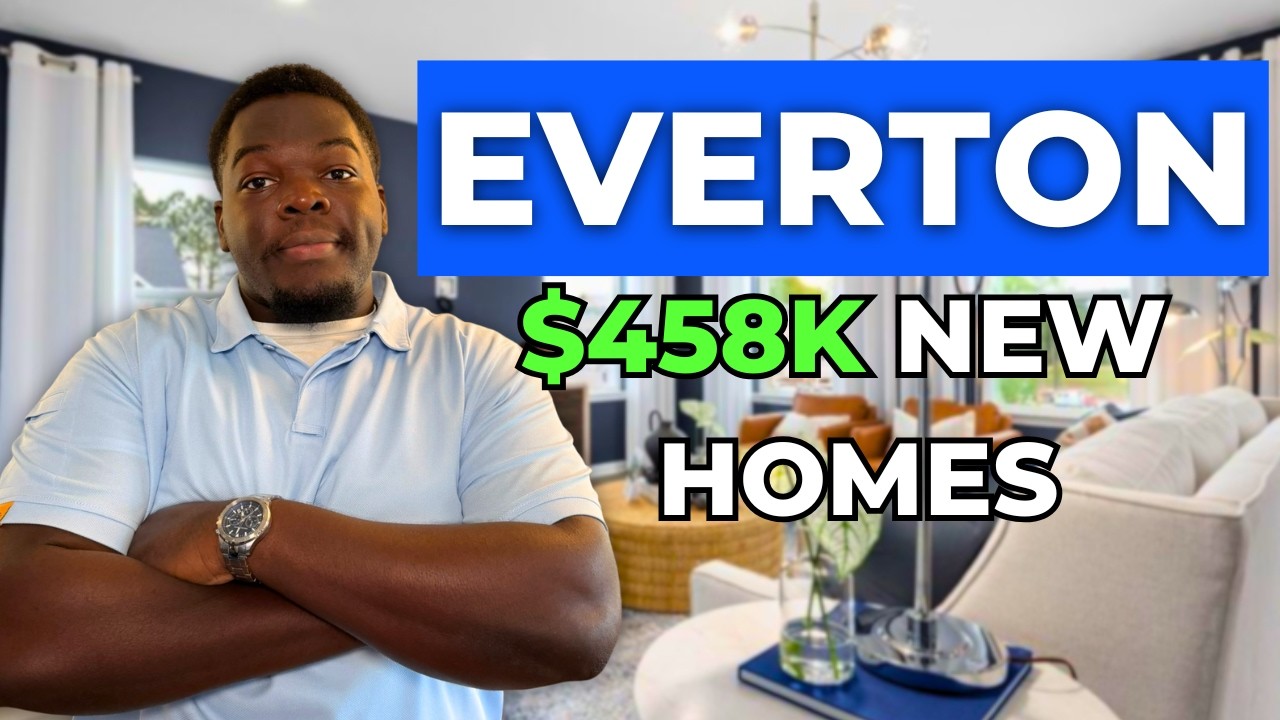
Inside Everton's Latitude II Model: $458k New Homes In Palm Beach
The Best Flex-Space Townhome in West Palm Beach: Pulte's Nautical Plan
More articles you might like
New Construction vs. Resale in Miami-Dade County: Which Is the Smarter Buy in 2026?
19 min readBest New Construction Communities in Miami-Dade County (2026)
19 min read
New Construction vs Resale in Broward County: Which Is the Smarter Buy in 2026?
16 min read
Best New-Construction Communities in Broward County (2026): The Honest Comparison
13 min readBest Palm Beach County Suburbs for Families Relocating in 2026
13 min read