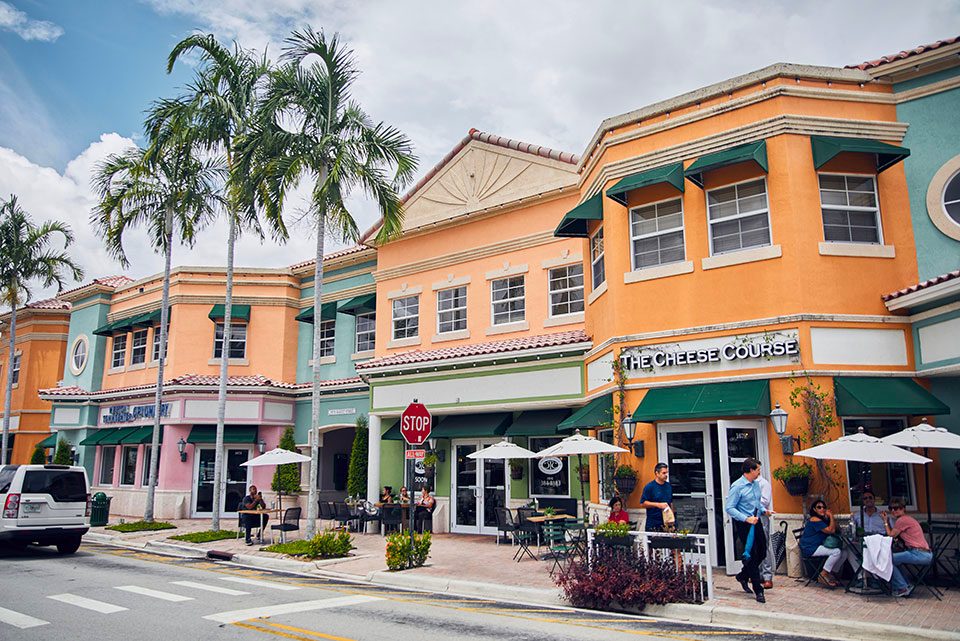
New Construction vs. Resale in Miami-Dade County: Which Is the Smarter Buy in 2026?
Here’s the expanded post, full body, at least 2,500 words, headings and links preserved, no em or en dashes anywhere.
If you’re trying to decide between new construction vs resale in Miami-Dade County, which is the smarter buy in 2026, the honest answer is: it depends entirely on what you’re buying, not just where. Miami-Dade is technically a buyer’s market right now, but that label hides a county that’s actually three different markets stacked on top of each other, single-family, condo, and townhouse, and each one tells buyers something different about whether to chase a builder’s price list or negotiate on the resale side.
I get asked this question weekly, usually by relocating families comparing a builder community in South Dade to a resale listing in Pinecrest or Palmetto Bay, or by investors trying to figure out if a pre-construction condo in Edgewater still pencils against a resale unit in Brickell. I had a version of this exact conversation last month with a family relocating from Ohio who had already fallen in love with a model home in a South Dade community, without once asking what months of supply looked like in the resale listings ten minutes away. There’s no single right answer. There’s a right answer for your situation, and it comes down to reading the actual numbers by property type instead of treating “Miami-Dade real estate” as one market.
The Short Answer, By Property Type
Here’s the breakdown as of mid-2026, and it’s the foundation for everything else in this guide:
- Single-family homes: Miami-Dade sits around $678,000 median with roughly 4.8 months of supply. That’s balanced, leaning slightly toward sellers. Resale inventory in that price band moves, so you’re competing for it.
- Condos: Miami-Dade condos are sitting at roughly $396,000 median with about 11.3 months of supply. That is a real, undeniable buyer’s market. Sellers are motivated. Negotiating room exists.
- Townhouses: This category runs around 7.5 months of supply, also buyer-leaning, but it varies more by submarket than single-family or condo does.
Those three numbers are the reason “new construction vs. resale” doesn’t have one answer in Miami-Dade. New construction sidesteps a fight in the single-family category where resale inventory is tight. In condos, it has to justify a premium against resale sellers who are already negotiating. This is also why the countywide “buyer’s market” headline you see in most market reports is close to useless on its own. A buyer’s market number that’s really an average of an 11.3-month condo glut and a 4.8-month single-family squeeze tells you almost nothing about the specific property you’re actually trying to buy. You have to break it apart before it means anything.
Single-Family Homes: Resale Still Has Leverage, New Construction Sells Certainty
At 4.8 months of supply, Miami-Dade single-family homes are not flooded with inventory. That number matters because anything under six months is generally considered to favor sellers, and Miami-Dade is right on that edge, tighter than Broward’s 4.6 months but a hair looser than Palm Beach’s 4.2 months. In practical terms, well-priced resale homes in Pinecrest, Palmetto Bay, and Cutler Bay are still fielding multiple offers when they’re priced right, especially in the $600,000 to $900,000 range where inventory is thinnest.
That’s exactly the environment where new construction earns its premium. You’re not bidding against six other buyers. You’re working off a price list, and the builder needs to move units on a schedule, not wait for the perfect offer. Communities in the South Dade Expansion corridor, stretching from Cutler Bay down through Homestead and west toward the urban development boundary, are where most of Miami-Dade’s ground-level new construction is concentrated right now. If you want the full inventory picture, including which builders are actually delivering on time versus which ones are stacking delays, that’s covered in Best New Construction Communities in Miami-Dade County (2026).
What New Construction Actually Buys You Here
It’s not just “no bidding wars.” It’s:
- Warranty coverage on major systems and structural items for the first one to ten years, depending on the builder. That typically breaks down into a one-year fit-and-finish warranty, a two-year mechanical warranty on plumbing and electrical, and a longer structural warranty that can run anywhere from six to ten years depending on the builder’s program. Read what’s actually covered, because “structural warranty” often means the load-bearing frame, not the stucco cracking or the tile grout.
- Predictable condition. No aging roof, no 20-year-old AC handler you’re inheriting, no septic or well surprises. In a county where insurance underwriters are increasingly picky about roof age, walking in with a brand new roof and a permit history that starts today, not in 1998, is worth real money on your homeowner’s policy.
- Modern floor plans built for how people actually live now, open kitchens, flex rooms, primary suites on the ground floor in many single-story plans. A lot of the resale stock in the $600,000 to $700,000 band in South Dade was built in the late 1990s and early 2000s, with chopped-up formal living and dining rooms that don’t match how most families actually use a house today.
- Energy code compliance that’s meaningfully newer than a home built even ten years ago, which shows up in your electric bill every August. Florida’s energy code has tightened multiple times since 2010, and impact windows, better insulation, and more efficient AC systems aren’t cosmetic upgrades, they’re the difference between a $280 FPL bill and a $420 one in a South Florida summer.
But you’re paying for all of that, and the price list rarely tells the whole story. Lot premiums for corner lots, preserve views, or larger homesites can run $15,000 to $50,000 depending on the community. Then there’s the CDD or HOA question, which is where a lot of relocating buyers get caught off guard. If you haven’t read it yet, Is New Construction Worth It in Miami-Dade County in 2026? walks through exactly how those fees stack against a comparable resale purchase.
Where Resale Still Wins on Single-Family
In established, close-in suburbs like Pinecrest, Coral Gables-adjacent neighborhoods, and Palmetto Bay, there simply isn’t meaningful new construction inventory, most of the ground-level product is either infill custom builds or teardown rebuilds on a lot you already own or buy separately. If your priority is a specific school zone, a specific commute, or an established tree canopy that a brand-new community fifteen years from full build-out doesn’t have yet, resale is your only real option. Pinecrest, Florida: The Complete Guide for Buyers in 2026 and New Construction in Pinecrest: Custom Homes and the Teardown Market both dig into what “new construction” even means in a suburb that’s essentially built out.
A Real Buyer Scenario: South Dade New Construction vs. Palmetto Bay Resale
Here’s how this actually plays out with real numbers. Say you’re comparing a new single-family home in a South Dade builder community, base price $650,000, against a resale home in Palmetto Bay listed at $700,000. The builder home looks cheaper on paper. But add a $25,000 lot premium for a preserve-view homesite, $35,000 in design center upgrades most buyers end up adding (flooring, cabinet upgrades, impact glass upgrades if not standard), and a CDD fee of $2,200 a year, and you’re closer to $710,000 with an ongoing carrying cost the resale home doesn’t have. Meanwhile the Palmetto Bay resale, if it needs a new roof in the next five years, might cost you $18,000 to $25,000 to address, but you can negotiate that into the purchase price today instead of paying it as an unavoidable add-on. Neither answer is automatically right. The point is you have to run both all-in, not sticker to sticker.
Condos: The Buyer’s Market Is In Resale, and It’s Not Close
This is where the “new construction vs. resale” question stops being close. At 11.3 months of supply and a $396,000 median, Miami-Dade’s condo resale market is oversupplied relative to demand. That’s a lot of sitting inventory, and sitting inventory means motivated sellers, price reductions, and actual room to negotiate on price, closing costs, or both.
New construction condos have to work harder to justify their premium in that environment. A pre-construction or newly delivered unit in Edgewater, Brickell, or Little Havana’s high-rise corridor is often priced 20 to 40 percent above a comparable resale unit a few blocks away, and the builder isn’t nearly as flexible on price as a resale seller who’s watched their unit sit on the market for five months.
The Post-Surfside Factor Nobody Skips Anymore
Here’s the piece that changed the calculus permanently. Since the Surfside collapse, Florida law now requires structural integrity reserve studies and much stricter reserve funding for condo associations, and lenders have gotten aggressive about scrutinizing those numbers before they’ll approve a mortgage on an older building. That’s actually an argument in favor of new construction condos, not against them, because a brand-new building starts with reserves and a structural report that are already compliant, no special assessment looming, no association fighting over a multi-million-dollar reserve shortfall.
But it cuts the other way too. Plenty of established, well-run associations in Miami-Dade, particularly in buildings that were already funding reserves properly before the law changed, are in solid shape and trading at prices that reflect the current buyer’s market, not a scare discount. The mistake is assuming every older condo building is a reserve-study risk and every new building is automatically clean. Ask for the reserve study and the association’s financials on any resale condo before you write an offer, full stop.
I’ll add one more layer to this, because it comes up constantly with investors. Some of the buildings sitting at the higher end of that 11.3-month supply number are older buildings, built in the 1970s and 1980s, that are mid-way through a special assessment right now to fund the required reserve catch-up. Those units are priced to sell for a reason, and the reason isn’t always bad management, sometimes it’s simply a building doing the right thing late instead of never. The due diligence period on a Miami-Dade condo resale in 2026 needs to include a real conversation with the association’s management company, not just a review of the standard disclosure packet.
Where This Leaves You as a Condo Buyer
If you’re buying to live in it long-term and you want price certainty on assessments and reserves, new construction takes that variable off the table, but you’re paying a real premium for it in a market where resale sellers are negotiating. If you’re an investor or a value-focused buyer, the 11.3-month resale supply is your leverage. That’s a market where you can reasonably ask for 5 to 10 percent off list, seller-paid closing costs, or both, especially on units that have sat 90-plus days. I’ve seen sellers on units sitting past the 120-day mark agree to cover a full year of association dues just to get a contract signed. That’s not a headline number you’ll see in a listing, it’s a conversation your agent needs to have directly with the listing agent.
Townhouses: The Property Type Nobody’s Talking About
Townhouses in Miami-Dade sit at roughly 7.5 months of supply, which puts the county in buyer’s market territory here too, though less extreme than condos. This is worth calling out because townhouses are the property type most likely to get lumped in with “new construction” marketing without buyers checking the actual local supply picture first.
Compare that to Broward, where townhouses run about 6.5 months, and Palm Beach, where they’re actually still balanced-to-seller-leaning at around 4.5 months. That gap matters. The same “new construction vs. resale” question about a townhouse in Homestead or South Miami-Dade plays out very differently than it would in Delray Beach, where inventory is tighter and resale sellers have more leverage. In Miami-Dade’s softer townhouse market, new construction communities are often having to compete on incentives, rate buydowns, closing cost credits, design center allowances, to move product against resale alternatives that are sitting and increasingly negotiable.
If you’re weighing a townhouse purchase specifically, don’t assume the single-family or condo numbers apply. Pull the actual months-of-supply figure for the specific submarket and price point you’re shopping, because 7.5 months countywide can hide pockets that are much tighter (South Dade near new employment centers) or much looser (older townhouse stock further from job corridors). A townhouse community near the new employment growth around the South Dade corridor can behave more like the single-family market, competitive, moving fast, worth chasing on a builder’s list. An older townhouse enclave off a corridor that hasn’t seen much new job growth can sit for six or eight months without a serious offer, which is exactly where a resale buyer should be pushing on price and concessions rather than accepting list.
The Real Cost Difference: Base Price vs. All-In Price
This is where most buyers get the comparison wrong, on both sides.
On the new construction side, the base price on the price list is a floor, not a ceiling. Add in:
- Lot premiums ($10,000 to $50,000+ depending on lot type and community)
- Design center options (flooring upgrades, cabinet tiers, appliance packages can easily run $20,000 to $60,000)
- CDD fees, which are often separate from HOA dues and can add $1,500 to $3,500 a year on top of HOA
- HOA dues themselves, which tend to run higher in newer master-planned communities with more amenities to maintain
- Impact glass or window screen upgrades that aren’t always standard on every plan, and can run several thousand dollars if they’re an add-on rather than included
On the resale side, the sticker price is closer to the real number, but you need to budget for:
- Inspection-driven repairs or price negotiation (roof, AC, water heater age)
- Insurance, which can run meaningfully higher on an older roof in Miami-Dade’s wind zone
- Possible special assessments if you’re buying a condo in a building still working through post-Surfside reserve compliance
- A realistic maintenance reserve, most experienced buyers budget one to two percent of the home’s value per year for ongoing upkeep on a resale property, something a brand new home mostly defers for the first several years
The honest way to compare is all-in monthly cost, not sticker price: mortgage, insurance, HOA/CDD, and a realistic maintenance reserve for resale properties. A full breakdown of what buyers are actually paying monthly across the county, not just the mortgage number on the listing, is in Cost of Living in Miami-Dade County in 2026: What Relocating Buyers Actually Pay.
Timeline: How Long Each Path Actually Takes
This is the part that catches relocating buyers off guard the most, and it deserves its own section because it changes the whole decision if you’re on a deadline. A resale purchase in Miami-Dade, once you’re under contract, typically closes in 30 to 45 days, sometimes faster on a cash deal. New construction is a different timeline entirely. If you’re buying a home that’s already built and sitting as spec inventory, you can close almost as fast as a resale deal. But if you’re buying to-be-built or early in a community’s release phase, you’re looking at anywhere from six to eighteen months from contract to closing, depending on the builder’s pipeline, permitting backlogs, and how far along the community is in its build-out. I’ve had clients sign a contract on a to-be-built home expecting a nine-month timeline that stretched to fourteen months because of permitting delays with the county. If you need to be in a home by a specific date, whether that’s a school year start or a lease expiration, that timeline risk needs to be part of the new construction vs. resale decision, not an afterthought you discover halfway through the build.
Where This Plays Out on the Map
Miami-Dade’s new construction pipeline is heavily weighted toward two zones: the South Dade Expansion corridor for ground-level product, and the urban core (Brickell, Edgewater, Downtown, and increasingly Little Havana) for condo and high-rise product. That’s not evenly distributed, which means your “new construction vs. resale” answer changes depending on where in the county you’re actually looking.
- South Dade / Homestead corridor: This is where most single-family new construction is concentrated, and it’s the clearest case for new construction winning, tight resale supply, active builder competition, and new infrastructure and retail following the growth. This is also the corridor where you’ll see the most builder-to-builder competition on incentives, which works in your favor if you’re comparing multiple communities against each other rather than falling for the first model home you tour.
- Pinecrest, Palmetto Bay, Coral Gables-adjacent suburbs: Essentially built out. New construction here means teardown-and-rebuild on a resale lot, not a builder community. Resale (or resale-to-rebuild) is the only real path in, and buyers need to budget both the acquisition cost of the lot and the true cost of a custom build, which in this part of the county routinely runs well north of $300 per square foot once permitting, impact fees, and site work are factored in.
- Brickell / Edgewater / Downtown high-rise corridor: Heaviest concentration of new condo supply, and also where resale’s 11.3-month buyer’s market leverage is strongest. This is the clearest case for resale winning on price, with new construction only making sense if you specifically want pre-Surfside-law-compliant reserves and zero deferred maintenance.
If you’re relocating and still deciding which suburb fits your family before you even get to the new-vs-resale question, How to Choose the Best Suburb in Miami-Dade for Families in 2026 is the right starting point, and if Pinecrest specifically is on your shortlist, Pinecrest vs. Coral Gables: Which South Miami Suburb Is Right for Your Family? breaks down how those two compare on schools, commute, and price per square foot.
How to Decide: A Framework
Strip away the noise and it comes down to four questions.
1. What property type are you buying? Single-family: new construction has a real case in growth corridors. Condo: resale has real leverage countywide. Townhouse: check the specific submarket, don’t trust the countywide average. Don’t let a general “Miami-Dade is a buyer’s market” headline talk you out of a legitimate bidding situation on a single-family home in a tight price band, and don’t let new construction marketing talk you out of real negotiating leverage on a condo that’s been sitting for months.
2. How much do you value price certainty vs. negotiating room? New construction gives you a fixed price list and predictable condition, but limited room to negotiate beyond incentives. Resale gives you real negotiating room in a buyer’s market, but you’re taking on unknowns (condition, reserves, deferred maintenance) that need to get priced into your offer. If you’re the kind of buyer who loses sleep over an inspection report finding something unexpected, that’s worth being honest with yourself about before you fall for a resale deal that looks cheap on paper.
3. Does the neighborhood you actually want have new construction at all? In built-out suburbs like Pinecrest and Palmetto Bay, this question answers itself. There’s no builder price list to compare against, only resale or a custom rebuild. Don’t spend three weekends touring model homes in South Dade if what you actually want is a specific Palmetto Bay elementary school zone that no builder is building in.
4. Have you actually pulled the reserve study, the HOA budget, or the CDD schedule? This is the step buyers skip on both sides. A resale condo with healthy reserves can be a better buy than a new one with an aggressive design center upsell. A new construction home with a $3,000 annual CDD fee can cost more monthly than a comparable resale home with no CDD at all. Do the math before you fall in love with either option.
The Bottom Line
New construction vs. resale in Miami-Dade County, which is the smarter buy in 2026, isn’t a countywide question, it’s a property-type and submarket question. Single-family buyers in South Dade have a genuine case for new construction because resale inventory is tight enough to make bidding wars real. Condo buyers have the opposite case, an 11.3-month resale supply means real leverage that a builder’s price list can’t match. Townhouse buyers need to check their specific submarket before assuming either side has the advantage.
The buyers who end up happiest with their decision are the ones who ran the actual numbers, all-in monthly cost, realistic timeline, reserve study or CDD schedule, before they picked a side. The ones who end up frustrated are almost always the ones who fell in love with a model home or a view and worked backward to justify the price.
If you’re actively comparing a specific new construction community against a specific resale listing in Miami-Dade and want a side-by-side on the real numbers, incentives, HOA/CDD load, and resale comps, that’s exactly the kind of breakdown worth getting before you write an offer. Send me the two addresses and I’ll run it for you.
More articles you might like
New Construction vs. Resale in Palm Beach County: Which Is the Smarter Buy in 2026?
13 min readBest New Construction Communities in Miami-Dade County (2026)
19 min readNew Construction vs Resale in Broward County: Which Is the Smarter Buy in 2026?
16 min read
Best New-Construction Communities in Broward County (2026): The Honest Comparison
13 min read
Best Palm Beach County Suburbs for Families Relocating in 2026
13 min read