How to Choose the Best Suburb in Palm Beach County for Your Family (2026)
How to Choose the Best Suburb in Palm Beach County for Your Family (2026)
Here’s what most “best suburbs” lists get wrong: they rank neighborhoods by school grades and curb appeal, then hand you a list, as if every family is optimizing for the same thing. If you’re actually trying to figure out how to choose the best suburb in Palm Beach County for your family in 2026, the real starting point isn’t a ranked list. It’s a question: what property type do you need, and what does that property type’s market actually look like right now?
That second part matters more than people think. Palm Beach County isn’t one market. It’s single-family homes, townhomes, and condos, and each of those three behaves completely differently right now. If you skip that step and just fall in love with a neighborhood, you’ll walk into a negotiation blind, either overpaying in a tight market or leaving leverage on the table in a soft one.
I’ve walked enough relocating families through this to know the framework that actually works. It’s not glamorous, but it saves people real money and real stress. Most of the families I talk to come in with a neighborhood name already picked out, usually because a friend lives there or they saw it on a “top suburbs” list online. Then we run the numbers on what they’re actually shopping for, and the plan changes. That’s not a knock on those families, it’s just how this market works right now. Here’s how I’d break it down.
Step One: Know Your Market Leverage Before You Fall in Love With a Neighborhood
Palm Beach County single-family homes are running around $685,000 with roughly 4.2 months of supply. That’s balanced-to-seller-leaning, and it’s actually tighter than Broward ($615K, 4.6 months) or Miami-Dade ($678K, 4.8 months). Translation: if you’re set on a single-family house in Palm Beach County, you’re not walking in with a lot of negotiating room. You need to know your numbers, your max, your must-haves, before you tour, not after.
What does 4.2 months of supply actually mean in practice? At the current pace of sales, it would take about four months to sell every single-family home currently listed in the county if no new listings came on the market. Anything under six months is generally considered a seller’s advantage. So when you find a well-priced home in a desirable zip code, expect competition, expect the seller to hold firm on price, and expect that “let me think about it overnight” often means someone else writes the offer first. I’ve seen families lose a home they loved over a two-day delay because they wanted to sleep on it. In this kind of market, your pre-approval, your proof of funds, and your decisiveness matter as much as your offer price.
Townhomes tell a different story depending on whether they’re new or existing. Palm Beach County townhomes overall are tight and seller-leaning too, around 4.5 months of supply, which is closer to single-family behavior than you’d expect. This is exactly why new construction townhome communities like Everton in Lantana matter so much right now. When resale townhome inventory is this thin, builders filling that gap with incentives (rate buydowns, closing cost credits, design center credits) become one of the few places families actually have leverage.
Condos are the outlier. Across South Florida, condo supply runs 7.8 to 11.3 months, all genuine buyer’s markets. Miami-Dade condos sit at the extreme end (11.3 months), but Palm Beach County condos are still soft compared to houses and townhomes. If a condo works for your family, either as a starter, a downsize, or a beachside second option in West Palm Beach or Delray, you have real room to negotiate on price and concessions.
So before you ask “Wellington or Jupiter,” ask this: single-family, townhome, or condo? That answer changes your entire strategy. It changes how fast you need to move, how firm you can be on price, and honestly, it changes which suburbs even make sense to consider. A family chasing a single-family home in Wellington is playing a completely different game than a family looking at a condo in downtown West Palm Beach, even though they’re both technically “moving to Palm Beach County.”
Palm Beach County Single-Family Suburbs: What $685K Actually Buys
At the countywide median of $685K, here’s roughly what that gets you by area:
Royal Palm Beach and Greenacres are the value plays. You can find single-family homes here below the countywide median, often with more square footage and lot size than you’d get closer to the coast. Commutes to downtown West Palm Beach run 20 to 25 minutes via Southern Boulevard or Okeechobee Boulevard, longer at rush hour. These are solid picks for families who want space and don’t need to be inside the A-rated school zones everyone talks about (though several Royal Palm Beach schools are respectable, just not the marquee names). I’ve placed families here who came in dead set on Wellington, ran the numbers on what an extra $150K to $200K actually bought them in terms of square footage and yard, and changed their minds by the second weekend of touring.
Wellington is the equestrian-and-schools suburb. Bigger lots, mature neighborhoods, and it consistently ranks near the top for Palm Beach County schools, Wellington High and the feeder elementary/middle schools included. You’ll pay above the countywide median here, and homes with any acreage or equestrian zoning (Wellington’s “Equestrian Preserve Area”) carry a real premium. Families relocating for the horse community specifically already know this; families relocating for schools alone should compare it against Palm Beach Gardens before assuming Wellington is the default. Wellington also runs a slower pace of life than people expect from South Florida, more cul-de-sacs and community events, less nightlife, which is exactly what some families want and exactly what disappoints others who pictured something closer to the beach.
Boynton Beach sits right around the county median and has absorbed a lot of new construction over the last several years, particularly toward the western edge near Lantana and the Turnpike corridor. It’s a practical middle-ground pick: reasonable commute to both West Palm Beach and Boca Raton, decent school options, and enough new inventory that you’re not only choosing between 20-year-old resale stock. It’s also become a landing spot for families priced out of Boca who still want easy Turnpike access for that commute south.
Jupiter runs above the median and is the pick for families who want a slower, more suburban-coastal feel without being in West Palm Beach proper. Jupiter High feeds a strong reputation, and the area has good access to I-95 without the density of Boca or the Gardens. It’s a longer commute if you’re working south toward Boca or Fort Lauderdale, so weigh that before assuming Jupiter is the automatic “best” answer. Jupiter also tends to attract relocating families from the Northeast who want a beach town feel without downtown West Palm Beach’s density, so if that’s your reference point, it’s worth a serious look even at the premium.
Palm Beach Gardens competes directly with Jupiter for the “great schools, established suburb” buyer, but it’s more centrally located and closer to downtown West Palm Beach and PGA Boulevard’s retail and office corridor. If a parent is commuting for work rather than working remotely, that centrality can save real hours over a year. We break down exactly how these two compare in West Palm Beach vs. Palm Beach Gardens: City Energy or Suburban Comfort?, which is worth reading if you’re torn between city convenience and suburban space.
Townhomes: Where New Construction Is Filling a Real Gap
Because resale townhome inventory in Palm Beach County is running tight (that 4.5-month supply figure), families who want the lower-maintenance townhome lifestyle, without a single-family price tag, are increasingly looking at new construction communities instead of waiting on resale listings that aren’t coming up. This is a real shift from three or four years ago, when resale townhomes were plentiful and new construction was the “extra cost” option. Now it’s often flipped: new construction is the more available, more negotiable choice, and resale townhomes in good locations get snapped up fast.
Lantana’s Everton community is the clearest example of this in the county right now. It’s new construction, it’s positioned for exactly this “tight resale townhome supply” gap, and the builder incentives (which shift monthly, so always confirm current ones directly) often beat what a resale seller in the same price range will negotiate. If you’re comparing floor plans, Everton Floor Plans Explained (2026) walks through sizes and layouts so you’re not guessing at square footage from a sales center brochure. Families moving from up north are often surprised by how much livable space a well-designed townhome floor plan gives you compared to what “townhome” implies where they’re coming from.
Boca Raton has its own version of this with Agave Boca, which is worth a look if your family’s search radius includes South County and you want new construction over Boca’s older, established (and pricier) resale stock. Boca’s resale townhome market in particular has aged inventory in a lot of the established communities, so newer buyers are often trading square footage or lot presence for modern layouts and lower near-term maintenance costs.
Condos: The Buyer’s Market Most Families Skip, and Where It Actually Makes Sense
Most families searching “best suburb in Palm Beach County” aren’t thinking about condos, and for a house-with-a-yard search, that’s usually right. But it’s worth knowing that condos are the one property type in this county where you, as the buyer, hold real leverage. With supply in the high 7 to low 8 month range (better for you than Miami-Dade’s 11.3, but still a genuine buyer’s market), sellers are more willing to negotiate on price, closing costs, and timelines.
Where this actually applies to families: downsizing parents relocating to be near adult kids, a starter purchase before moving up to a single-family home in two or three years, or a second household member (in-law, adult child) who wants their own unit nearby without buying into the same HOA as the main house. West Palm Beach and Delray Beach have the deepest condo inventory in the county if this fits your situation. I’ve also worked with families who bought a condo intentionally as a one to two year bridge, banking the negotiating leverage now while they wait out the tighter single-family market, with a plan to move up once their target neighborhood’s inventory loosens. It’s not the flashy answer, but it’s a legitimate strategy if your timeline allows for it.
New Construction vs. Resale: The Real Tradeoff for Families
This question comes up in almost every conversation I have with relocating families, and the honest answer is that it depends on what you’re optimizing for. New construction gets you builder incentives, a warranty, and modern layouts, but often in communities that are still being built out (meaning construction traffic and evolving amenities for a year or two). Resale gets you mature landscaping, established neighborhoods, and sometimes a better lot, but at asking prices that reflect the currently tight single-family supply, with less room to negotiate.
There’s also a financing angle families overlook. Builders often have preferred lenders offering rate buydowns or closing cost credits that can be worth tens of thousands of dollars, but those incentives are usually tied to using their lender, so it’s worth running the math both ways rather than assuming your outside bank will automatically be cheaper. On the resale side, a seller who’s owned the home for years may have more room to negotiate on price than the incentive stack a builder offers, especially if the home has sat on the market a little longer than expected. Neither path is automatically better, it depends on your specific numbers.
I go through this tradeoff in full detail in New Construction vs. Resale in Palm Beach County: Which Is the Smarter Buy in 2026?, and if you’re still deciding whether new construction is worth the premium at all, Is New Construction Worth It in Palm Beach County in 2026? breaks down when it makes sense and when it doesn’t.
HOA and CDD Fees: What Actually Surprises Out-of-State Families
This is the number one thing that catches relocating families off guard, and it’s not the HOA fee itself, it’s realizing there are two separate charges. The HOA fee covers community upkeep, amenities, and management. The CDD (Community Development District) fee is a separate, often larger, tax-like assessment tied to the bonds that financed the community’s roads, drainage, and infrastructure when it was built. It shows up on your tax bill, not just your HOA statement, and it doesn’t go away when the community is “done.”
In practice, HOA fees in Palm Beach County’s family communities commonly run anywhere from $150 to $500 a month depending on amenities (gated entry, clubhouse, resort-style pool, lawn maintenance included or not). CDD assessments are separate and can add another few thousand dollars a year on top of that, sometimes more in heavily amenitized master-planned communities. Add those two together and a “reasonable” monthly payment on paper can look very different once you factor in the full carrying cost, which is exactly why I tell families to get both numbers in writing before they get attached to a specific floor plan.
Newer master-planned communities across Palm Beach County, including a lot of the new construction in Boynton Beach, Lantana, and western Royal Palm Beach, carry CDD fees. Older, established neighborhoods in Wellington, Jupiter, and Palm Beach Gardens are less likely to have them, but every community is different. Ask for the exact HOA and CDD numbers in writing before you fall in love with a floor plan. It’s a five-minute question that prevents a five-figure surprise, and it’s the kind of thing that doesn’t show up clearly on most listing sites, so you often have to ask directly.
School Districts and Family Fit, Suburb by Suburb
Palm Beach County Schools serve the whole county, but individual school ratings vary block by block, so “Palm Beach County has good schools” isn’t specific enough to make a decision on. Here’s how the major family suburbs actually stack up:
- Wellington and Palm Beach Gardens consistently produce the strongest combination of elementary, middle, and high school ratings in the county, which is why both carry a price premium.
- Jupiter competes closely with both, with Jupiter High School’s reputation drawing families who want a slightly less dense, more coastal-suburban feel.
- Boca Raton has strong options too (Spanish River, Olympic Heights feeder patterns), but you’re paying South County prices for it.
- Boynton Beach, Lantana, and Royal Palm Beach have solid, workable schools without the same premium, which is exactly why they’ve absorbed so much of the county’s new construction activity. Families who prioritize value over top-tier ratings do well here.
- Greenacres is the most underrated value pick in the county for families who want a real yard and a manageable commute without stretching for Wellington-level pricing.
Always verify current ratings and boundary lines directly, school zones shift, and a home eight blocks apart can be zoned for a different elementary school entirely. I’ve seen relocating families assume a home was zoned for a specific top-rated elementary school because it was in the same city, only to find out at closing that the boundary line cut right through the neighborhood. Confirm the exact zoned schools for the exact address, not the general area, before you write an offer.
Common Mistakes I See Relocating Families Make
A few patterns show up again and again with families moving into Palm Beach County from out of state, and they’re worth naming directly.
First, picking the suburb before checking the property type’s market conditions. A family that wants a single-family home in Wellington and treats it like a soft, negotiable market because “it’s just a suburb” is going to be frustrated when their offer gets outbid twice.
Second, underestimating commute reality. Google Maps gives you a number, but it doesn’t account for Southern Boulevard at 5pm or I-95 backups near PGA Boulevard during season. Drive the actual commute at the actual time of day before you commit, not just once on a quiet Tuesday afternoon during a house tour.
Third, not asking about CDD fees until after they’ve picked a floor plan. By then, they’re emotionally attached, and a few thousand dollars a year in assessments feels like a smaller deal than it should. Ask early.
Fourth, comparing a Northeast or Midwest housing market mentally to Palm Beach County’s numbers. A $685,000 median here buys something very different than $685,000 in most of the markets families are relocating from, and the negotiating dynamics (multiple offers, appraisal gaps, escalation clauses) are often unfamiliar territory. This is exactly why working with someone who knows the current local numbers, not last year’s, matters.
My Framework: Step by Step
If you want the short version to actually use, here it is:
- Pick your property type first. Single-family (tight, 4.2 months supply, less negotiating room), townhome (tight resale, but new construction fills the gap), or condo (buyer’s market, real leverage).
- Set your must-haves before touring. Commute corridor, school zone, HOA/CDD tolerance. Decide these on paper, not in a sales center.
- Match your property type to the right suburb. Single-family value hunters look at Royal Palm Beach, Greenacres, or Boynton Beach. Schools-first families look at Wellington, Palm Beach Gardens, or Jupiter. Townhome buyers look hard at new construction like Everton in Lantana given how thin resale supply is.
- Ask for HOA and CDD numbers in writing, every time, before you get attached to a floor plan or a listing.
- Decide new construction vs. resale deliberately, not because one is the only thing you toured. Read the tradeoffs, then choose.
- Drive the commute at the actual time you’d be commuting, not just during your tour appointment.
For a broader look at how these suburbs compare side by side for relocating families, Best Palm Beach County Suburbs for Families Relocating in 2026 is the companion piece to this one.
The Bottom Line
There’s no single “best suburb in Palm Beach County” for every family in 2026. There’s a best suburb for your property type, your budget, your commute, and your school priorities. Start with the market leverage question (single-family, townhome, or condo), then narrow by the specifics that actually affect your day-to-day life. That’s the framework that gets families into the right home the first time, instead of relisting six months later because the neighborhood looked right but the numbers never did.
If you’re actively relocating and want this framework applied to your specific budget and must-haves, that’s a conversation worth having before you start touring. DM me “PBC” and I’ll walk you through it directly.
Watch: learn more
Go deeper with my South Florida Insider videos.

The Best Flex-Space Townhome in West Palm Beach: Pulte's Nautical Plan
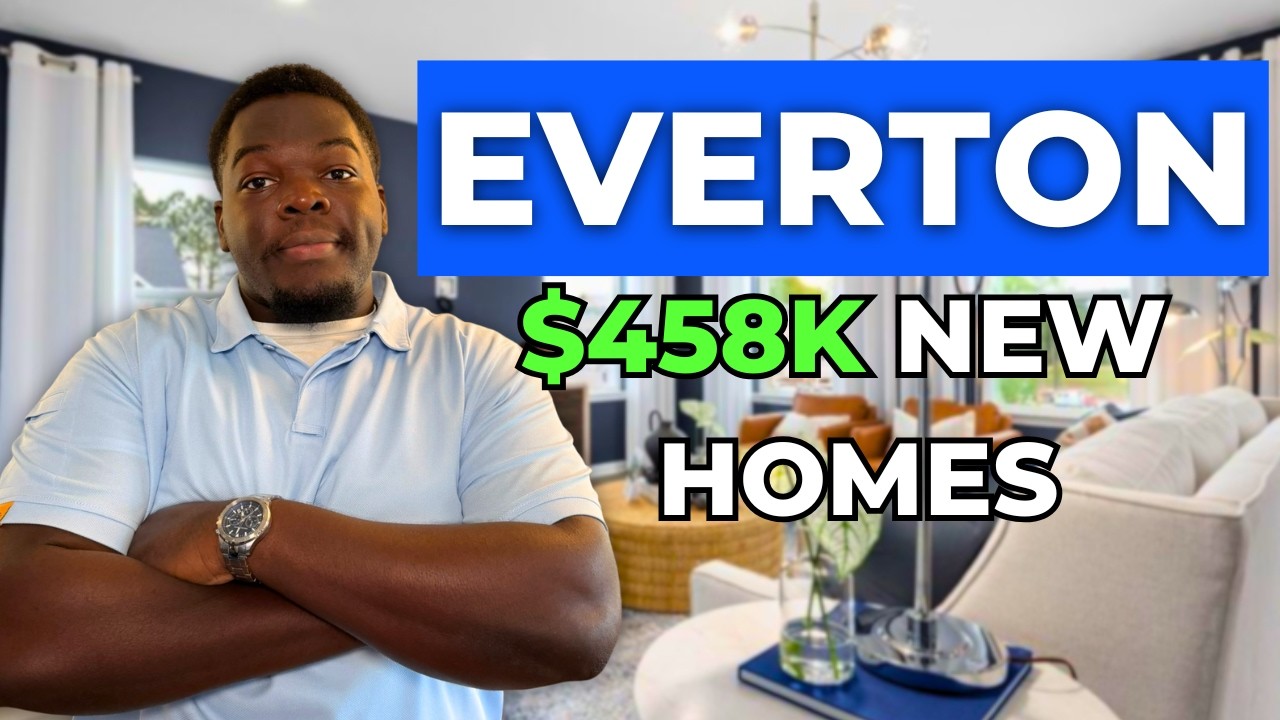
Inside Everton's Latitude II Model: $458k New Homes In Palm Beach
The Best Flex-Space Townhome in West Palm Beach: Pulte's Nautical Plan
More articles you might like
How to Choose the Best Suburb in Miami-Dade for Families in 2026
17 min readHow to Choose the Best Suburb in the Fort Lauderdale Area for Your Family (2026)
17 min read
How to Choose the Best New-Construction Community in Broward County (2026)
14 min read
Buyer's Guide to South Palm Beach, FL: What to Know Before You Purchase
19 min read
Buyer's Guide to Royal Palm Beach, FL: What to Know Before You Purchase
20 min read