Buyer's Guide to South Palm Beach, FL: What to Know Before You Purchase
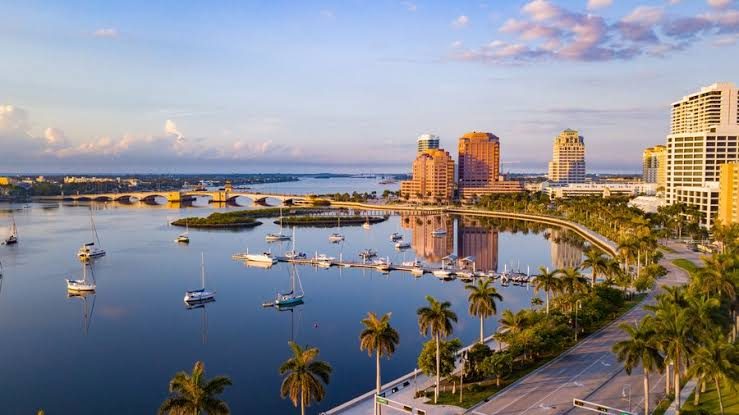
If you are putting together a buyer’s guide to South Palm Beach, FL, what to know before you purchase comes down to one idea: you are not buying a house, you are buying into a condo building’s finances. South Palm Beach is a sliver of a barrier island town, roughly three quarters of a square mile, wedged between the Atlantic Ocean and the Intracoastal Waterway, and outside of a handful of exceptions, everything for sale here is a condominium or a co-op. That single fact changes how you should shop, what you should budget for, and what questions actually matter before you sign a contract.
This guide walks through the real price ranges, what your money buys at each level, why new construction is not part of the conversation here, the financing quirks that catch first-time condo buyers off guard, and the due diligence checklist that protects you from the kind of surprise assessment that catches out-of-town buyers off guard every year.
Where South Palm Beach Actually Sits
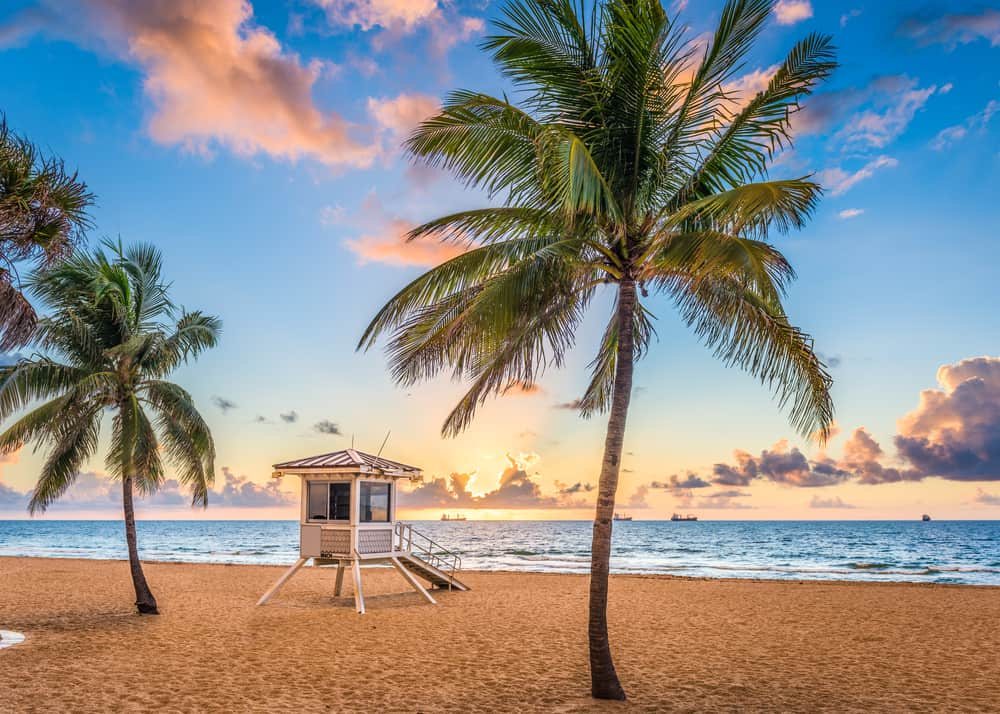
South Palm Beach runs along State Road A1A, sandwiched directly south of the Town of Palm Beach and north of Lantana’s beach and Manalapan. The ocean sits on one side, the Intracoastal (Lake Worth Lagoon) on the other, and in most stretches the town is only a block or two wide. There is no downtown, no big commercial strip, and no room to expand. The Lantana Bridge connects the island to the mainland town of Lantana, which is where most residents go for groceries, pharmacies, and everyday errands, since South Palm Beach itself has almost none of that built in.
That geography is the whole story. A1A is the only through road, the town runs its own small police department, and the entire footprint is walkable end to end. You can stand at the town’s northern edge and see the Palm Beach town line, and you can walk the southern edge and be looking at Lantana’s public beach within a few minutes. There is a small municipal beach with metered parking, a handful of buildings with direct beach access, and a public library that doubles as one of the only true community gathering spaces in town. If you have spent time researching the area already, our South Palm Beach, FL Real Estate Market 2026 breakdown covers the pricing trends in more depth. This guide is focused on the purchase decision itself.
What South Palm Beach Actually Is: A Condo Town, Not a Subdivision
Most South Florida buyer’s guides assume you’re choosing between neighborhoods, builders, or floor plans. South Palm Beach doesn’t work that way. The town is made up of a string of low-rise condo and co-op buildings, most built between the 1960s and 1980s, running along the ocean side and the Intracoastal side of A1A. Heights are capped, so you won’t find new high-rise towers going up, and you won’t find single-family subdivisions either, because there is essentially no land left to subdivide.
That means your buying decision is really a building decision. Two units with the same square footage, in two different buildings a block apart, can carry completely different monthly costs, completely different assessment risk, and completely different resale demand, depending on how well that specific building has been managed. This is the single biggest mental shift buyers need to make before they start touring units here. You are not just buying square footage and a view, you are buying into that building’s reserve fund, its insurance policy, and its board’s track record.
Think of it this way: a buyer touring two nearly identical two bedroom units, one in a building that has already completed its concrete restoration and funded its reserves properly, and one in a building that has deferred that work for a decade, is not choosing between two similar homes. They are choosing between a predictable monthly cost and a building that could hit them with a five figure special assessment notice a year after closing. The unit finishes might look the same in photos. The exposure is not the same at all.
Co-ops vs. Condos
A portion of the older buildings in South Palm Beach are structured as cooperatives rather than condominiums, which changes financing. Co-ops often require larger down payments, sometimes cash only, and board approval can be more involved than a standard condo association. In a co-op, you are technically buying shares in a corporation that owns the building, not a deeded real estate interest in your specific unit, and that structure means some lenders won’t touch the loan at all. Board interviews are also more common in co-op buildings than in condos, and some boards are genuinely selective about who they approve, which can slow down or even sink a deal after you’ve already gone under contract. If a listing doesn’t specify whether it’s a condo or a co-op, ask early, because it affects whether your lender can even touch the deal, and it affects your timeline just as much as your budget.
Buyer’s Guide to South Palm Beach FL: Price Ranges and What the Money Buys
Here’s what you really need to know about where the money goes at each tier. These are general ranges based on the building stock and unit types that make up the town, not a single moment-in-time MLS pull, so treat them as a starting framework and confirm current numbers on active listings when you’re ready to move.
Entry Level: Roughly $250,000 to $400,000
At this tier you’re typically looking at a one bedroom, one bathroom unit in an older building, often on a lower or mid floor, sometimes with a partial or no direct water view. These units tend to be smaller, in the 700 to 900 square foot range, and the building itself is more likely to be a co-op or an older condo association that hasn’t done major renovations. The unit price looks attractive, but this is exactly the tier where you need to slow down and look hard at the association’s reserves, because older buildings with lower buy-in prices are sometimes lower priced for a reason.
A buyer at this level should also expect the HOA fee to eat a bigger share of the total monthly payment than it does further up the price ladder. It’s not unusual for the fee on a modest entry-level unit to run several hundred dollars a month once insurance, water, and reserve contributions are all rolled in, and that number can climb fast if the building is catching up on deferred maintenance. Cash buyers have an edge at this tier, since some of the older co-ops and smaller associations are harder to finance conventionally, and sellers in that position often favor an offer that doesn’t depend on a lender’s condo questionnaire coming back clean.
Mid Tier: Roughly $400,000 to $700,000
This is where most two bedroom, two bathroom units land, along with better-positioned one bedrooms with real ocean or Intracoastal views. Buildings in this range have usually done some level of updating to common areas, lobbies, and pools, and the HOA fee reflects that maintenance. This tier is where the bulk of South Palm Beach transactions happen, and it’s the range where a careful comparison between two or three buildings pays off the most, because the unit finishes might look similar while the underlying building health is very different.
This is also the range where relocating buyers most often show up, families or couples moving from out of state who want a full-time residence with real ocean access but don’t want, or can’t justify, the price tag that comes with a comparable unit a mile north in the Town of Palm Beach. If you’re comparing that trade-off, it helps to think in concrete terms: a mid-tier two bedroom here can run meaningfully less than a similar unit in Palm Beach proper, while still putting you within a short walk or bike ride of the same beach.
Upper Tier: Roughly $700,000 to $1.2 Million
Direct oceanfront units, higher floors, larger two and three bedroom layouts, and renovated buildings with stronger reserve funds sit here. Buyers at this level are often full-time residents or serious second-home buyers who plan to hold long term, and they tend to ask harder questions about the building’s finances before writing an offer, which is the right instinct at any price point. Many of these buildings have already completed their milestone inspections and structural work, which is part of why the price sits where it does. You are, in effect, paying a premium for certainty as much as for square footage and view.
Premium: $1.2 Million and Up
Penthouse units, larger direct oceanfront layouts, and the handful of newer or fully renovated buildings top out here. At this level you’re paying for the view, the floor, and often a building that has already completed its major structural work, which matters more than people expect once you understand Florida’s current condo inspection rules, covered below. Buyers shopping in this range should still pull the same documents everyone else does. A high price tag does not mean a building is automatically well funded, and some of the more expensive units in town sit in buildings with sizable outstanding reserve gaps that simply haven’t been priced into the sale yet.
Across every tier, remember the mortgage payment is never the whole number. The HOA fee, which in South Palm Beach almost always includes building insurance, reserves, water, and often cable or internet, is part of your real monthly cost and deserves as much attention as the sale price. Palm Beach County’s condo market has also been running with a healthy amount of buyer’s market breathing room lately, several months of supply in most segments, which gives you more room to negotiate on price and terms than buyers had a few years ago, especially on units in buildings carrying known upcoming assessments.
New Construction in South Palm Beach: The Honest Answer
There isn’t any, and there won’t be. South Palm Beach is fully built out. There’s no vacant land left along the corridor, height restrictions limit what could be built even if land existed, and the town’s small footprint means redevelopment happens one building renovation at a time, not through new ground-up towers or master-planned communities.
If new construction is genuinely important to you, whether that’s a builder warranty, modern floor plans, or a CDD-backed community with amenities, South Palm Beach isn’t going to deliver it, and no amount of searching will change that. Buyers who want that experience are better served looking at communities like Agave Boca in Boca Raton, or expanding the search to newer-build corridors elsewhere in the county. It’s worth being direct about this upfront rather than letting a buyer spend months looking for something that doesn’t exist here.
What South Palm Beach does have instead is a steady cycle of building-level renovation. Lobbies, elevators, pool decks, and unit interiors do get updated over time, and a building that finished a major renovation two or three years ago can feel just as fresh as a newer property, without the new construction price premium. The trade-off is that you’re buying into the renovation history and financial position of that specific building rather than a builder’s warranty, so the due diligence checklist below matters even more.
Financing a Condo in South Palm Beach: What Catches Buyers Off Guard
Because this is entirely a condo and co-op market, financing looks different here than it does buying a single-family home elsewhere in Palm Beach County. Lenders don’t just underwrite you, they underwrite the building. Before your loan can close, most lenders require a condo questionnaire filled out by the association, and that questionnaire asks about reserve funding, pending litigation, the percentage of owner-occupied versus rental units, and whether any special assessments are pending. If a building fails that review, meaning it’s under-reserved, has too many rental units, or is tied up in litigation, your lender can decline the loan even if your own credit and income are solid.
This is why it pays to ask your agent or lender about a building’s Fannie Mae or FHA condo approval status before you write an offer, not after. Some buildings in South Palm Beach are approved for conventional financing without issue. Others are considered non-warrantable, which usually means you’ll need a portfolio loan with a higher down payment and a higher rate, or you’ll need to pay cash. Neither option is disqualifying, but you want to know which category a building falls into before you fall in love with a specific unit, not during your loan contingency period when your closing date is already at risk.
The Due Diligence Checklist Every Condo Buyer Needs Here
This is the part of the process that separates an informed buyer from someone who gets blindsided by a $30,000 special assessment six months after closing. Since almost every purchase in South Palm Beach is a condo or co-op, this checklist matters more here than almost anywhere else in Palm Beach County.
1. Structural Integrity Reserve Study (SIRS) and Milestone Inspection Status
Following the Surfside collapse, Florida law now requires condo buildings three stories or taller to complete milestone structural inspections and Structural Integrity Reserve Studies. Buildings within three miles of the coastline, which describes essentially every building in South Palm Beach, hit the 25-year milestone inspection mark rather than the standard 30-year mark. Ask directly: has this building completed its milestone inspection, what did it find, and is the SIRS fully funded or does it show a funding gap. This single document tells you more about your real financial exposure than almost anything else in the transaction.
2. Reserve Funding and Special Assessment History
Ask for the last two to three years of board minutes and the current reserve study. A building that is fully funded for roofing, structural, plumbing, and painting reserves is a very different purchase than one that has been keeping fees artificially low and deferring those costs. If the building has a special assessment already approved or under discussion, get the exact dollar amount and timeline before you factor your monthly cost. It’s also worth asking whether any assessments were levied in the last five years and how they were paid, in a lump sum or financed over time, since that pattern tends to repeat.
3. Master Insurance Policy and Flood Coverage
Every building on this barrier island carries flood risk, and most of the town sits in a flood zone that requires flood insurance for any mortgaged purchase. Ask what the master policy covers, what your individual unit (HO-6) policy will need to cover on top of it, and how the building’s insurance premium has trended over the last few renewal cycles. Coastal insurance costs have moved a lot in recent years, and the building’s premium history is a preview of where your fees are headed. If a building has had trouble securing or renewing wind or flood coverage, that is a serious flag worth raising with your agent before you go under contract, not after.
4. Rental Restrictions and Age Policies
Some buildings restrict rentals to annual leases only or require a minimum ownership period before you can rent, and some are age restricted. If your plan involves seasonal rental income or you’re buying with a future resale to a younger buyer in mind, confirm the rules before you fall in love with a unit. A building that only allows annual leases will attract a very different resale buyer pool than one that allows seasonal rentals, and that difference shows up in both your holding strategy and your eventual exit.
5. HOA Fee Breakdown
Get the line-item breakdown, not just the total. Know exactly what’s included, insurance, reserves, water, landscaping, staffing, so you can compare buildings on an apples-to-apples basis instead of just comparing the headline fee number. Two buildings can list nearly identical monthly fees while one is fully funding reserves and the other is barely covering day-to-day operations, and you won’t see that difference until you ask for the breakdown directly.
6. Board Minutes and Litigation History
Ask whether the association is currently involved in any lawsuits, either as plaintiff or defendant, and read at least a year of board meeting minutes if you can get them. Recurring complaints about leaks, elevator outages, or contractor disputes in the minutes are an early warning sign that a bigger expense is coming, even before it shows up as a formal assessment.
A wise move here isn’t a fast move, it’s an informed one. Pull these documents before you get emotionally attached to a specific unit, because the building’s paperwork tells you more about your real cost of ownership than the listing photos ever will.
Who South Palm Beach Actually Fits, and Who It Doesn’t
South Palm Beach works well for buyers who want a quiet, walkable, low-key barrier island lifestyle without Palm Beach town pricing, and who are comfortable with condo living and condo governance. Retirees, second-home buyers, and downsizers who want beach access out their front door and don’t need a yard tend to be the best fit. It also appeals to buyers who want proximity to Palm Beach and Palm Beach International Airport without paying Palm Beach prices, since the airport is roughly 20 to 25 minutes away and downtown West Palm Beach isn’t far behind that.
It’s a poor fit for buyers who want a single-family home, a yard, new construction, or a more active commercial main street with restaurants and shops within walking distance, since daily errands mean a short drive into Lantana. Families who want top-rated school zoning close to home and a broader mix of housing types are usually better served researching the Best Palm Beach County Suburbs for Families Relocating in 2026, which covers towns with more single-family inventory and more built-in amenities.
It’s also worth being honest about who ends up frustrated here after closing. Buyers who skip the reserve study and board minutes step, and there are always a few every year, are the ones who end up calling their agent six or eight months later asking why a $15,000 or $20,000 assessment notice just showed up in the mail. That outcome is avoidable. It just requires doing the homework before you write the offer instead of after you own the unit.
If you’re still deciding whether the town itself fits your life, not just the real estate math, our Is South Palm Beach a Good Place to Live? Honest 2026 Review goes deeper on the day-to-day experience of living there year-round versus part time.
Getting Around: Commute, Schools, and Everyday Life
South Palm Beach residents are zoned into the Palm Beach County School District, with the nearest schools located across the bridge in Lantana and greater Palm Beach County. Because the town itself is so small, virtually every resident is driving a short distance for school, groceries, and services, so it’s worth test-driving that commute at different times of day before you buy, especially around the Lantana Bridge, which can back up during peak season.
For commuting to work, I-95 access comes through Lantana Road, putting downtown West Palm Beach around 20 minutes away and Delray Beach a similar distance south. Everyday life here leans heavily on routine: a walk or bike ride along A1A, a short drive over the bridge for groceries and errands, and long stretches without needing the car at all if you work from home or you’re retired. Buyers coming from a suburban single-family lifestyle sometimes underestimate how much that shift matters, in a good way for some people and a genuine adjustment for others. If you’re weighing South Palm Beach against other parts of the county for lifestyle and commute, it’s worth comparing notes against guides like West Palm Beach vs Palm Beach Gardens or Jupiter vs Palm Beach Gardens, which cover very different lifestyle trade-offs elsewhere in the county and help clarify what you actually want out of your next zip code.
Making the Decision
The reality is South Palm Beach rewards buyers who do their homework and punishes buyers who don’t. Because the entire market is condo and co-op inventory in a handful of older buildings, the difference between a smart purchase and an expensive mistake usually isn’t the unit, it’s the building. Pull the reserve study, confirm the milestone inspection status, understand the fee breakdown, and compare more than one building before you commit.
If new construction, a yard, or more day-to-day amenities matter more to you than oceanfront walkability, it’s worth widening the search to nearby Palm Beach County suburbs before you settle on this stretch of A1A. But if a quiet, built-out barrier island with the beach a short walk from your door is the goal, South Palm Beach delivers that in a way very few towns in the county can match, as long as you buy into the right building.
Want a second set of eyes on a specific building or unit before you make an offer? Reply and tell me the building name and I’ll give you the honest read on its financials and what to ask for next.

Watch: learn more
Go deeper with my South Florida Insider videos.
Solterra: Everything You Need to Know Before You Visit

The Best Flex-Space Townhome in West Palm Beach: Pulte's Nautical Plan
Inside Everton's Latitude II Model: $458k New Homes In Palm Beach
More articles you might like
South Palm Beach, FL Real Estate Market 2026: Prices, Trends & What Buyers Should Expect
21 min readIs South Palm Beach a Good Place to Live? Honest 2026 Review
16 min read
How to Choose the Best Suburb in Palm Beach County for Your Family (2026)
17 min read
Buyer's Guide to Westlake, FL: What to Know Before You Purchase
13 min read
Buyer's Guide to Tequesta, FL: What to Know Before You Purchase
18 min read