Miami Beach, Florida: The Complete Guide for People Considering a Move
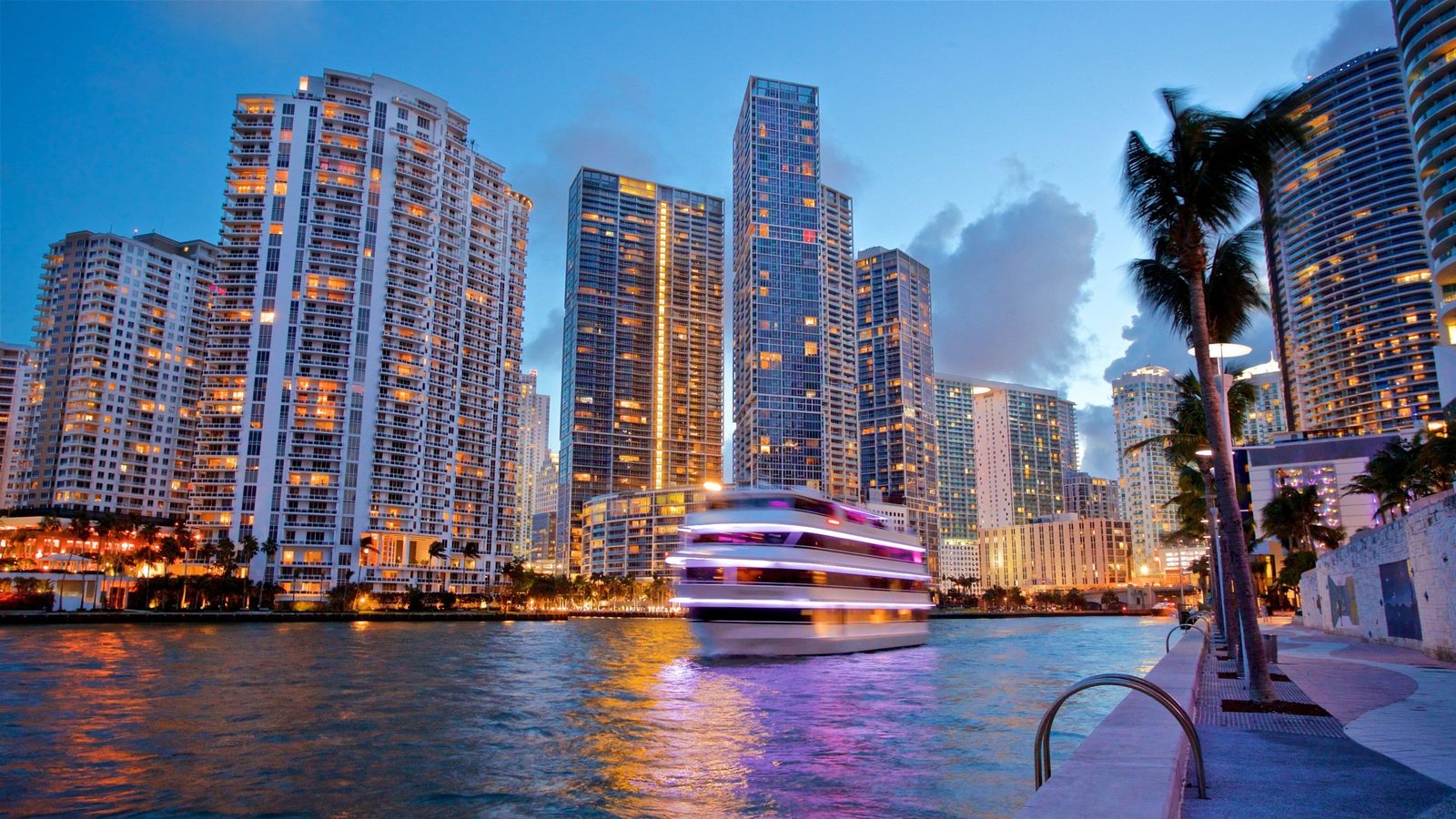
Miami Beach, Florida: The Complete Guide for People Considering a Move
Miami Beach is not one market. It is South Beach, Mid-Beach, North Beach, Sunset Harbour, and a handful of private islands, each with a different price point, a different pace, and a different answer to the question “should you move here.” This guide covers what actually matters if you’re considering it: real prices, real HOA numbers, flood insurance, schools, neighborhoods, and the tradeoffs nobody puts in the listing photos.
If you take one thing from this Miami Beach, Florida complete guide for people considering a move, take this: the island rewards people who want density, walkability, and beach access, and it punishes people who don’t do their homework on condo insurance and building age before they buy. I say this to clients every week. The people who end up happy here are the ones who treated the HOA docs and the milestone inspection report with the same seriousness as the view. The people who end up frustrated are the ones who bought the view first and asked questions later.
Miami Beach in Numbers: What You’re Actually Signing Up For
Miami Beach is a barrier island, about 7 square miles, connected to mainland Miami by four causeways (MacArthur, Venetian, Julia Tuttle, and the 79th Street Bridge). It has its own city government, its own police and fire, and its own zoning that is far more restrictive than most of Miami-Dade, which is part of why it has stayed low-rise and walkable instead of turning into a wall of towers like Sunny Isles or Edgewater.
A few facts that shape every decision here:
- Population sits around 80,000 year-round, but swells significantly in season (November through April) with snowbirds and short-term visitors. That seasonal swing changes everything from restaurant wait times to how full the parking garages are, and it’s worth experiencing before you commit if you can swing a scouting trip in February rather than a quiet week in September.
- Almost the entire island sits in FEMA Flood Zone AE, which means flood insurance is not optional if you have a mortgage, and it is a real cost even if you pay cash.
- Most housing stock is condos, not single-family homes. If you want a house with a yard, your options narrow fast and the price climbs fast. Roughly the only single-family inventory that isn’t a private-island price tag sits in a handful of pockets like Flamingo Park, North Bay Road, and parts of North Beach, and even there you’re competing against buyers who know exactly how scarce that inventory is.
- Building age matters more here than anywhere else in South Florida because of the 2021 Surfside collapse and the state laws that followed (Milestone Inspections and structural reserve requirements for condo buildings 3 stories or higher).
- Elevation is not uniform. Parts of the island sit a few feet higher than others, and that difference shows up in flood insurance quotes, in how a building handled recent king tide events, and in resale value over time. Ask any listing agent for the base flood elevation certificate on a property, not just the flood zone designation, before you assume two condos on the same block carry the same risk.
None of this is a reason to avoid Miami Beach. It’s context you need before you fall in love with a listing photo of a rooftop pool.
Neighborhoods: South Beach, Mid-Beach, Sunset Harbour, and Beyond
Miami Beach reads very differently depending on which few blocks you’re standing on. For the full breakdown, see Miami Beach Neighborhoods: South Beach, Mid-Beach, Sunset Harbour, and Beyond, but here’s the short version.
South Beach (South of Fifth, Flamingo Park, Ocean Drive corridor). This is the postcard: Art Deco buildings, Ocean Drive nightlife, Lincoln Road pedestrian mall. South of Fifth is the quiet, expensive exception, walkable to the Fisher Island ferry and Brickell without the Ocean Drive noise. Flamingo Park has 1920s bungalows and small apartment buildings, popular with people who want character architecture at a slightly lower price than the beachfront towers. Buyers who love South of Fifth are usually trading up from a Brickell high-rise and want the same low-key, walk-everywhere lifestyle but with sand instead of a river view.
Mid-Beach (roughly 23rd to 44th Street). Home to the Faena District, the Fontainebleau, and a run of newer luxury towers along Collins Avenue. Quieter than South Beach, more residential, still walkable to the sand. This is where a lot of full-time Miami Beach families end up if they want beach living without the club scene. It’s also where I steer clients who tell me they want “Miami Beach energy” but don’t actually want to hear the club music from their balcony at 2 a.m.
Sunset Harbour. A small, walkable pocket on the bay side near West Avenue, known for Whole Foods, a genuine restaurant row (Pubbelly, Sunset Harbour Yacht Club), and a real “everyday errands” feel that a lot of the island lacks. It draws young professionals and downsizers who want to walk to dinner without a car. Inventory here is a mix of older low-rise buildings from the 1960s and a wave of newer boutique construction, so the price spread on a two-bedroom in Sunset Harbour can be wider than people expect until they actually see units side by side.
North Beach (Ocean Terrace, 71st to 87th Street). The most affordable stretch of the island, with older mid-century buildings, a slower pace, and active redevelopment around Ocean Terrace. This is where first-time buyers and value-conscious relocators should start looking. For a deeper walk through what “affordable” actually means here, read First-Time Buyer in Miami Beach: Is It Realistic and Where Do You Start? North Beach is also the part of the island most likely to see meaningful redevelopment over the next decade, which cuts both ways: today’s value pricing could mean tomorrow’s appreciation, but it also means more construction noise and more buildings going through their first Milestone Inspection at the same time.
Venetian Islands, La Gorce, Star Island. The private-island tier: gated or semi-gated, waterfront single-family homes, prices from $3 million into the tens of millions. This is not a starter-home conversation. Buyers here are usually less concerned with HOA per-unit math and more concerned with dock access, boat draft, and privacy from the mainland.
What Homes and Condos Actually Cost in 2026
Prices vary block to block, but here is a realistic range by property type:
- North Beach condos (older, 1960s-1980s buildings): $300,000 to $500,000 for a 1-bedroom, $500,000 to $800,000 for a 2-bedroom, depending on renovation status and building assessments.
- South Beach and Mid-Beach condos (renovated Deco or newer towers): $600,000 to $1.5 million for a 1 to 2 bedroom, with true luxury oceanfront running $2 million to $10 million-plus.
- Flamingo Park bungalows and small multifamily: $900,000 to $2 million, competitive because inventory is genuinely limited.
- Venetian Islands and Sunset Islands single-family waterfront: $3 million to $15 million-plus.
- New construction and pre-construction units: Typically $1,200 to $2,500-plus per square foot depending on building and view. See New Construction in Miami Beach: Pre-Sales, New Buildings, and What Is Coming for what’s actually in the pipeline right now.
The honest takeaway: Miami Beach is not a cheap market anywhere on the island, but “affordable for Miami Beach” and “affordable for South Florida generally” are two different conversations. North Beach and inland Mid-Beach are where realistic first-time buyer budgets land. For a full, current snapshot of where prices are trending, see the Miami Beach Real Estate Market Update: Prices and Trends in Mid-2026.
To make this concrete, look at two buyers I get versions of every month. The first is a couple relocating from Chicago with $650,000 to spend and a strong preference for walkability. They’re not going to find that in South Beach at that price, but a renovated 2-bedroom in North Beach, or an older but well-maintained building in Mid-Beach a block or two off the water, puts them exactly in range. The second is a downsizer selling a $1.4 million house in Coral Gables who wants a doorman building with a pool and no yard work. That buyer typically lands in Mid-Beach or South of Fifth, and the conversation quickly becomes less about the sale price and more about the monthly HOA, because that’s the number that actually determines whether the move makes financial sense long term.
The Real Cost of Ownership: HOA, Flood Insurance, and Building Age
This is the section that actually determines whether Miami Beach works for your budget, and it’s the part most out-of-state buyers underestimate.
HOA and Condo Fees
Monthly HOA fees on Miami Beach condos commonly run $800 to $1,500 for older, modest buildings, and $2,000 to $5,000-plus for full-amenity oceanfront towers with valet, pools, gyms, and 24-hour staff. Before you fall for a unit, ask for the building’s most recent reserve study and any pending or recently completed special assessments. Older buildings that deferred maintenance for decades are now catching up fast because of state law, and that catch-up often lands as a five or six figure special assessment on unit owners.
I’ve watched buyers walk away from a unit that looked underpriced compared to everything else on the block, only to find out later the low price existed precisely because everyone in the building already knew about a $40,000 assessment coming due. The listing price told half the story. The condo docs told the rest.
Milestone Inspections and Structural Reserves
Since the Surfside collapse, Florida law (SB 4-D) requires condo buildings 3 stories or taller to complete Milestone Structural Inspections at 30 years of age (25 years if within 3 miles of the coast, which covers essentially all of Miami Beach), and to fully fund structural reserves rather than waive them. Practically, this means buildings built in the 1960s-1980s, which make up a large share of Miami Beach’s condo stock, are now going through inspections and reserve funding that can trigger real costs. This is not a reason to avoid older buildings, but it is a reason to ask specific questions before you buy: when was the last Milestone inspection, what did it find, and is the reserve fund actually funded or still being phased in.
A useful habit here: ask your agent or the listing agent for the “Phase 1” milestone report if the building has completed one, not just a summary. Phase 1 reports flag whether a Phase 2 (more invasive, more expensive) inspection is required, and that single detail can tell you whether you’re buying into a building that’s already cleared the hard part or one that’s about to start it.
Flood Insurance
Almost all of Miami Beach sits in FEMA Flood Zone AE. If you have a mortgage, flood insurance is required, and even cash buyers should carry it. Costs vary by elevation and building type, but budget for flood insurance as a real line item, often several hundred to over a thousand dollars a year for a condo unit, more for ground-level single-family homes. This stacks on top of standard homeowners and, in many buildings, wind/hurricane coverage carried at the association level and passed through in the HOA fee.
Ground-floor and lower-floor units in older buildings deserve extra scrutiny here. A unit on the third floor of a building with parking and lobby at grade generally insures very differently than a ground-level unit in a building without that buffer. It’s a detail that rarely shows up in the listing but shows up immediately in your insurance quote.
The Bottom Line on Carrying Costs
Add it up before you fall in love with a unit: mortgage or cash purchase price, property taxes (Florida has no state income tax, which helps, but Miami-Dade property taxes and the Miami Beach city millage still apply), HOA, flood insurance, and any pending assessment. A $700,000 Mid-Beach condo with a $1,800 HOA and an active special assessment can easily carry like an $850,000 purchase elsewhere. This is the math that belongs in your relocation budget before you get emotionally attached to a view.
I ask every relocating buyer to build this number out on paper before we tour a single unit: purchase price, estimated monthly principal and interest, HOA, flood insurance, homeowners, and an assumption for a future assessment based on the building’s age. If that all-in number doesn’t work at the price you can actually offer, it’s better to know before you fall for the building than after you’re under contract.
Schools and Life With Kids
Miami Beach is smaller and more walkable than most of the schools conversation gives it credit for. Public options include Fienberg-Fisher K-8 Center, South Pointe Elementary, Nautilus Middle School, and Miami Beach Senior High. Private options on and near the island include Hebrew Academy (RASG) and several smaller independent schools, with more choices a short drive across the causeway into Miami proper.
Families who move to Miami Beach for the long term tend to cluster in Mid-Beach and North Beach, where you get more space per dollar and a quieter, more residential feel than South Beach. Some families choose to live on the island and drive across the causeway for school options in places like the Design District or Miami Shores, which is a real and common pattern, especially once kids reach middle and high school age and parents want a wider set of options than the island alone provides. For the full school-by-school breakdown, zoning boundaries, and what parents actually say about the tradeoffs, read Miami Beach Schools: What Parents Need to Know.
Lifestyle: What a Day Actually Looks Like
Miami Beach is genuinely one of the few places in South Florida where you can live without a car if you choose your building right. Sunset Harbour residents walk to Whole Foods, coffee, and dinner. South of Fifth residents walk to South Pointe Park and the beach. Lincoln Road gives you an outdoor mall experience with restaurants, shops, and a Sunday farmers market.
The beach itself is public and maintained the length of the island, with lifeguard stands, beach access points every few blocks, and a genuinely different character depending on where you are: South Beach draws the tourist crowd and the Ocean Drive scene, Mid-Beach is calmer, and North Beach near 79th to 87th Street is where locals go to actually relax without stepping over a bachelorette party.
Weekday life for most full-time residents looks less like the postcard and more like a routine: coffee at a neighborhood spot, a walk or a Citi Bike ride instead of a car trip for anything under a mile, and a beach visit that happens on your schedule, not a vacation schedule, because it’s five minutes away instead of a flight away. That’s the actual value proposition for people who move here permanently rather than visit. It’s not the nightlife. It’s the ordinary days.
Traffic on and off the island is the honest tradeoff. The causeways back up during rush hour and during major events (Art Basel, Formula 1, spring break weeks), and if your job is on the mainland in Brickell or Downtown, budget real commute time, not Google Maps’ best-case estimate. A trip that shows 15 minutes at 10 a.m. can easily run 35 to 45 minutes at 8 a.m. or 5:30 p.m. If your work schedule is flexible, that tradeoff barely registers. If you’re commuting on a fixed 9-to-5 schedule to the mainland every day, it’s worth test-driving that exact commute at that exact hour before you sign anything. For the full walkthrough of restaurants, culture, and what a realistic day looks like, see Life in Miami Beach: Restaurants, Culture, Beach, and What a Day Actually Looks Like.
New Construction, Pre-Construction, and Luxury Product
Miami Beach’s strict zoning means new towers are rarer here than in Sunny Isles or Edgewater, which keeps the skyline low and keeps demand high for what does get built. Current pre-construction and recently delivered activity clusters in Mid-Beach along Collins Avenue and in select South Beach redevelopment sites, with pricing generally starting in the $1,200 to $1,800 per square foot range for standard product and climbing well past $2,500 per square foot for branded luxury towers. If new construction is on your radar, read New Construction in Miami Beach: Pre-Sales, New Buildings, and What Is Coming before you put down a deposit, because pre-construction contracts on the island have their own timeline and deposit structure that differs from resale.
Because land on the island is so limited, most new product is either a redevelopment of an existing site or a small boutique building rather than a large master-planned tower. That scarcity is exactly why new construction here carries a premium over comparable product in Sunny Isles or Hallandale just across the county line, and it’s a fair question to ask yourself whether that premium is worth it for your situation, or whether a newer building a few minutes north gets you 90 percent of the lifestyle at a meaningfully lower price per square foot.
On the resale luxury end, buyers with $1 million to $10 million-plus to spend should understand what different price bands actually deliver: renovated versus original finishes, direct oceanfront versus partial view, and which buildings have already completed their Milestone work versus which are still facing it. That full breakdown is in Miami Beach Luxury Condos: What $1M to $10M+ Buys You on the Island.
Investment and Rental Potential
Miami Beach remains one of the strongest short-term and seasonal rental markets in South Florida, but it comes with real regulatory nuance. Short-term rental (under 6 months) rules vary significantly by zoning district, some areas allow it, others restrict it heavily, and the city actively enforces violations with real fines. Before buying with rental income in mind, confirm the specific zoning and any building-level rental restrictions in the condo docs, since many associations cap or ban short-term rentals outright regardless of city zoning.
Long-term rental demand stays strong given the year-round population and steady relocation interest. Cap rates on Miami Beach are generally lower than inland Miami-Dade or Broward given the higher purchase price, so this tends to be an appreciation and lifestyle play more than a cash-flow play for most buyers. As a rough illustration, a $700,000 condo renting long-term for $3,800 a month is grossing about 6.5 percent before HOA, taxes, insurance, and vacancy, and once those costs are factored in, the real net cap rate often lands closer to 2 to 3 percent. Compare that to inland Broward, where a similarly priced single-family rental can net closer to 4 to 5 percent, and you can see why most Miami Beach investors are underwriting appreciation and personal use alongside the rental income, not the rental income alone. The full numbers, by neighborhood and property type, are in Miami Beach Investment Property: What the Numbers Look Like in 2026.
Who Should (and Shouldn’t) Move to Miami Beach
Miami Beach makes sense if you want walkability, beach access every day, and you’re comfortable underwriting condo insurance and building age before you buy. It makes sense for downsizers who want to trade a car and a yard for a doorman and a five-minute walk to dinner. It makes sense for investors who understand the short-term rental rules in the specific zoning district they’re buying into.
It makes less sense if you need a large single-family home with a yard on a tight budget, since that combination barely exists on the island outside the multi-million dollar tier. It also makes less sense if you’re rate-sensitive on carrying costs and haven’t budgeted for the real possibility of a special assessment in an older building. And it makes less sense if your job requires a predictable mainland commute during peak hours and you haven’t actually driven that route at the time you’d be driving it every day.
If you’re relocating from out of state and still deciding whether the island itself, versus a mainland Miami-Dade suburb, fits your life, the honest side-by-side is in Moving to Miami Beach: The Honest Relocation Guide for 2026. And if you want the full guide bookmarked in one place, that’s exactly what this page, Miami Beach, Florida: The Complete Guide for People Considering a Move, is for.
Next Step
Miami Beach is a great fit for the right buyer and an expensive mistake for the wrong one, and the difference usually comes down to whether you did the HOA, flood zone, and building age homework before you wrote an offer. Tell me which neighborhood you’re leaning toward, South Beach, Mid-Beach, Sunset Harbour, or North Beach, and I’ll give you a straight read on price, building condition, and whether it actually fits what you’re trying to do.


Watch: learn more
Go deeper with my South Florida Insider videos.

The Best Flex-Space Townhome in West Palm Beach: Pulte's Nautical Plan

Inside Everton's Latitude II Model: $458k New Homes In Palm Beach
The Best Flex-Space Townhome in West Palm Beach: Pulte's Nautical Plan
More articles you might like
Moving to Miami Beach: The Honest Relocation Guide for 2026
21 min readMiami Beach Schools: What Parents Need to Know
18 min readFirst-Time Buyer in Miami Beach: Is It Realistic and Where Do You Start?
13 min readNew Construction in Miami Beach: Pre-Sales, New Buildings, and What Is Coming
13 min readMiami Beach Investment Property: What the Numbers Look Like in 2026
13 min read