Miami Beach Neighborhoods: South Beach, Mid-Beach, Sunset Harbour, and Beyond
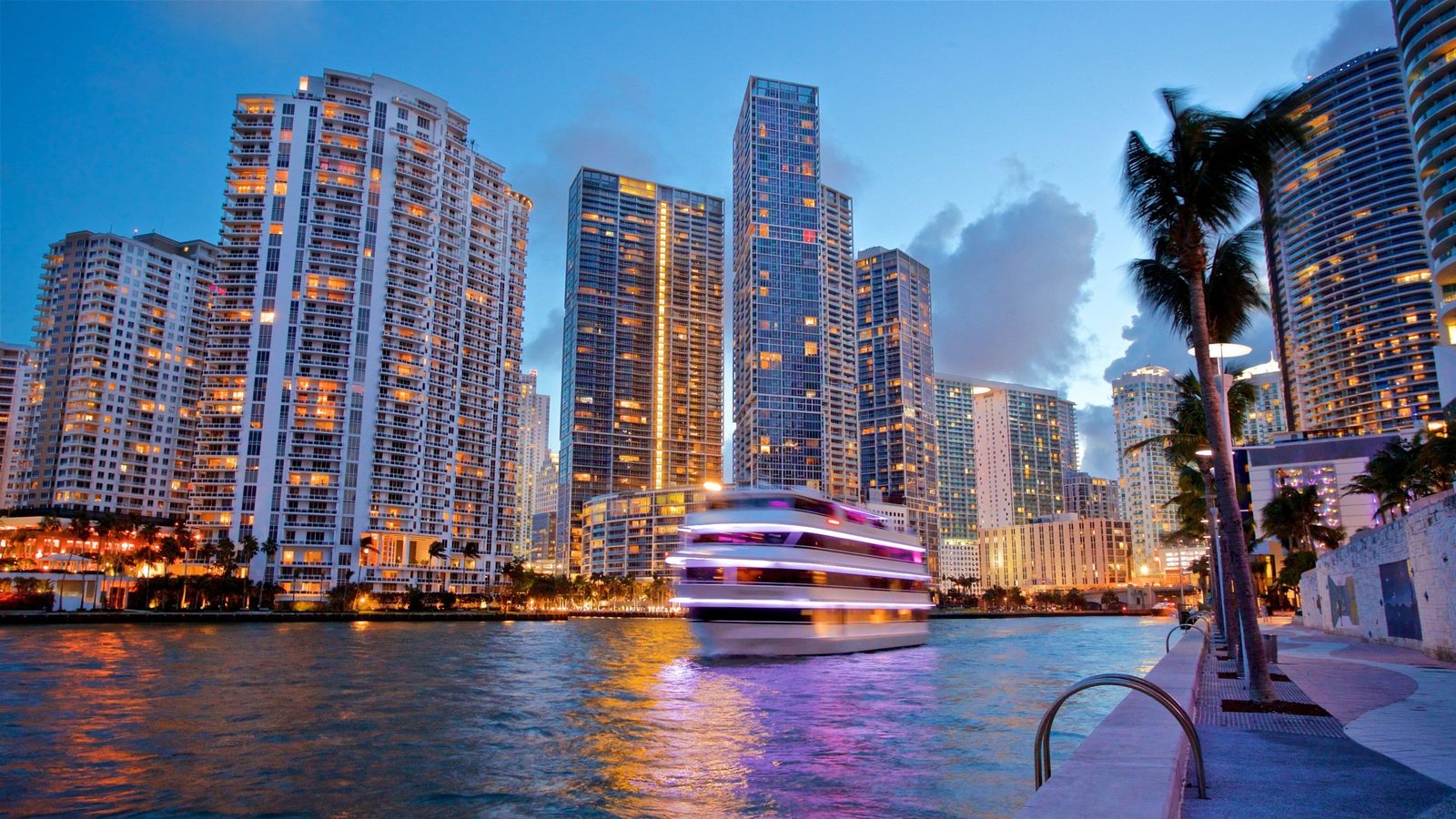
Miami Beach Neighborhoods: South Beach, Mid-Beach, Sunset Harbour, and Beyond
Miami Beach is a 7-mile-long barrier island, and no two stretches of it feel the same. That is the first thing people get wrong when they start looking here. They ask “how much does Miami Beach cost” as if it is one market. It is not. A one-bedroom condo three blocks apart can differ by $400,000 depending on whether it sits in South Beach, Mid-Beach, Sunset Harbour, or North Beach. This guide breaks down Miami Beach neighborhoods, South Beach, Mid-Beach, Sunset Harbour, and beyond, so you know what you are actually paying for before you make an offer.
I work with buyers on this island every month, from first-timers stretching for a studio to investors buying pre-construction units sight unseen. The pattern is always the same: people pick a neighborhood based on a nightlife photo or a wedding they attended once at a hotel on Ocean Drive, then find out six months later that the neighborhood they actually want to live in is somewhere quieter, a mile north. I had a buyer last year who came to me dead set on Ocean Drive because that’s where he stayed on vacation twice. Three showings in, once he actually stood at 2am under his own balcony and heard what South Beach sounds like on a Saturday, he pivoted to Sunset Harbour and closed six weeks later. That switch is common enough that I now show it as option one, not a backup plan.
Let’s go block by block so that does not happen to you.
If you want the full macro picture first, start with Miami Beach, Florida: The Complete Guide for People Considering a Move. This piece is the zoomed-in version, neighborhood by neighborhood.
South Beach: The Part Everyone Thinks They Know
South Beach is the southern third of the island, roughly from 5th Street up to 23rd Street. It is the most famous piece of real estate in Florida and also the most misunderstood. There are at least four distinct micro-markets inside “South Beach,” and they do not behave the same way. Buyers who treat “South Beach” as one neighborhood end up comparing a $450,000 Flamingo Park studio to a $6M SoFi penthouse and wondering why the numbers make no sense. They make no sense because those two units are, functionally, in different cities.
South of Fifth (SoFi)
South of Fifth is the quietest, most residential corner of South Beach, tucked below 5th Street down to the tip of the island at South Pointe Park. This is where a lot of the actual full-time South Beach population lives. Buildings like Continuum, Apogee, Icon South Beach, and Murano at Portofino sit here, along with a stretch of smaller boutique condos and a few remaining single-family homes near Alton Road.
Pricing: condos in SoFi’s newer towers run from roughly $900,000 for a one-bedroom up to $4M-$8M for larger units with direct bay or ocean views. Older, smaller buildings still have entry points in the $500,000s. This is a walkable, low-key neighborhood despite being minutes from Ocean Drive. Residents walk to South Pointe Park, Joe’s Stone Crab, and the marina instead of dealing with the Ocean Drive crowd at all. What I tell buyers considering SoFi: it reads like a retirement-money neighborhood, but plenty of the buildings here (Icon in particular) have a younger professional base that just values quiet over proximity to Lincoln Road’s foot traffic. It is not one demographic. It is people who already did the loud version of South Beach and moved eleven blocks south.
Ocean Drive and the Art Deco Historic District
This is the postcard image, the pastel hotels, the neon at night, the open-air cafes. It is also the least livable stretch for a full-time resident. Ocean Drive itself is almost entirely hotels and short-term rental buildings, zoned for tourism, loud at 2am on weekends. Most locals who “live in South Beach” do not live directly on Ocean Drive. A handful of true residential buildings exist a block or two inland, on Collins Avenue or Washington Avenue, where you get proximity to the beach without the noise directly under your window.
If nightlife energy and walkability to everything matter more to you than quiet, this corridor still has appeal, particularly for a pied-a-terre or seasonal buyer who is not there every night of the year. I have closed deals here for buyers who use the unit eight weeks a year and rent it the rest of the time through a management company. For that buyer, the noise is irrelevant, they’re not there for it, and the short-term rental income partially offsets the carrying cost. For a full-time resident with a 7am work schedule, it is a different calculation entirely. Know which buyer you are before you write an offer on this corridor.
Flamingo Park / Flamingo-Lummus
West of Washington Avenue, roughly between 6th and 15th Streets, Flamingo Park is South Beach’s actual neighborhood feel. Tree-lined streets, Art Deco apartment buildings converted to condos, and Flamingo Park itself with tennis courts, a pool, and a running track. This is where a lot of young professionals and longtime locals actually live. It is walkable to Lincoln Road and the beach but insulated from the tourist strip.
Pricing: one-bedroom condos in older Deco buildings start in the $350,000-$500,000 range, with renovated units and newer boutique buildings pushing $600,000-$900,000. A word of caution on the older Deco stock specifically: many of these buildings were converted from 1930s and 1940s apartment blocks, which means smaller unit sizes, no assigned parking in some cases, and elevator or structural upgrades that can trigger the special assessments I cover further down. That $380,000 one-bedroom can look like a steal until you see the reserve study. Ask for it before you fall in love with the unit.
Espanola Way and Lincoln Road corridor
Espanola Way is a small, charming pedestrian street with Spanish Village architecture, restaurants, and a handful of residential buildings. Lincoln Road, the pedestrian mall a few blocks north, anchors the whole area for shopping and dining. Condos near Lincoln Road trade at a premium for the walkability, generally $500,000-$1.2M for one and two-bedroom units. This pocket suits a buyer who wants to walk to dinner, walk to the gym, and walk to the beach without ever needing a car, which is a genuinely rare thing to offer in South Florida. The tradeoff is Lincoln Road’s evening foot traffic and the retail turnover that comes with a high-visibility commercial strip. Units on the upper floors, away from the pedestrian mall itself, solve most of that noise concern.
For anyone weighing whether South Beach is realistic on a first purchase, First-Time Buyer in Miami Beach: Is It Realistic and Where Do You Start? breaks down which of these micro-markets actually pencil for a starter budget.
Mid-Beach: Where the Island Gets Quieter and More Expensive
Mid-Beach runs roughly from 23rd Street up to 63rd Street, and it has become the primary growth corridor for new luxury development on the island over the past several years. This is a different pace of life than South Beach entirely, wider streets, less foot traffic, more hotel-condo hybrids and full-service buildings. If South Beach is where you go to be seen, Mid-Beach is where you go to be left alone with a five-star lobby.
Faena District (mid 30s to low 40s streets)
Anchored by the Faena Hotel and Faena Arts District, this pocket has redefined Mid-Beach as a luxury address. New construction here, and just north of it, commands some of the highest per-square-foot pricing on the island. The Perigon Miami Beach, delivered by Mast Capital and Starwood Capital in the Mid-Beach corridor, is pricing units from roughly $4.5M up past $15M. This is the tier of buyer paying for architecture, service, and a beach block address, not affordability. Buyers in this range are typically comparing the Faena District against South of Fifth and against Sunny Isles Beach’s branded towers a few miles north, and the deciding factor usually comes down to whether they want Mid-Beach’s residential quiet or Sunny Isles’ newer, denser skyline with more amenity-heavy buildings like The St. Regis Residences or Bentley Residences.
Central Bayshore and Nautilus
West of Collins Avenue, between roughly 41st and 55th Streets, Central Bayshore and the Nautilus neighborhood are Mid-Beach’s actual residential core. Single-family homes on quiet streets, many built mid-century and since renovated, with a real neighborhood feel and canal or bay access on some blocks. This is where families with kids at Nautilus Middle School tend to land. Home prices here range widely: renovated single-family homes run $1.5M-$4M depending on lot size and water access, with some waterfront properties well above that. This is the pocket I steer relocating families toward when they tell me they want “a house, not a condo, but still on the island.” The lots are bigger than you’ll find in South Beach, the streets are quiet enough for kids to bike, and you’re still a five-minute drive to the beach and ten minutes to Lincoln Road.
La Gorce Island and La Gorce Country Club area
One of the more prestigious, private residential pockets on the island, La Gorce sits along the golf course and offers larger lots and more privacy than almost anywhere else on Miami Beach. Homes here regularly trade from $3M into the $10M-plus range for waterfront estates. What sets La Gorce apart from Star Island or the Venetian Islands is the golf course backdrop rather than open bay water on every lot, which appeals to a buyer who wants privacy and green space over direct boat access. It’s a quieter, more insulated version of ultra-luxury than the guard-gated islands further south.
South of Fifth’s northern cousin: North of 63rd approaching Surfside
The upper end of Mid-Beach starts to blend into the Surfside border, where buildings trend newer and quieter, with easy access to Bal Harbour Shops without the density of South Beach. This transition zone is worth a second look for buyers priced out of the Faena District but still wanting Mid-Beach’s calmer pace, since pricing here tends to run meaningfully below the mid-30s and low-40s corridor for comparable square footage.
For a full breakdown of what these Mid-Beach towers and price points buy specifically, see Miami Beach Luxury Condos: What $1M to $10M+ Buys You on the Island.
Sunset Harbour: The Neighborhood Everyone Underestimates
Sunset Harbour sits on the bay side of South Beach, roughly bounded by Alton Road, Purdy Avenue, and the marina district around 20th Street. Ten years ago this was a warehouse and marine-supply district. Today it is arguably the most livable, walkable pocket on the entire island, and locals know it.
What makes Sunset Harbour work: it is genuinely a neighborhood, not a tourist destination. Whole Foods, a Sunday farmers market, a run of well-regarded restaurants (Sunset Harbour Yacht Club, Pubbelly, Ceviche 105 among them), and a low-rise streetscape that feels more like a small European coastal town than Miami. It is flat, bike-friendly, and close enough to walk to Lincoln Road in ten minutes while staying insulated from the noise.
Pricing has moved accordingly. Condos in Sunset Harbour’s newer boutique buildings run $700,000-$1.5M for one and two-bedroom units, with a handful of larger penthouse and townhome-style units pushing past $2M. This is a smaller inventory pool than South Beach or Mid-Beach, buildings here tend to be four to eight stories, boutique in scale, which keeps supply tight and demand steady from buyers who specifically want this neighborhood and won’t settle for a substitute a mile away.
I tell buyers this is the neighborhood that rewards patience. Inventory turns over slowly because people who land in Sunset Harbour tend to stay. If you find a unit here that fits, you generally cannot afford to wait a week to think about it, because the next comparable listing might not show up for two or three months. It is also worth noting Sunset Harbour flooded during some of the more severe king tide events before the city’s stormwater pump upgrades went in along Purdy Avenue and West Avenue. Ask any listing agent specifically about which pump zone the building sits in and whether flood mitigation work has been completed on that block, since the city has phased the upgrades rather than doing the whole neighborhood at once.
North Beach: The Value Play, and the Fastest-Changing Part of the Island
North of 63rd Street, Miami Beach shifts again. North Beach is where new development activity is heaviest right now, and it remains the most affordable entry point onto the island for a full-time buyer.
Normandy Isle and North Shore
These neighborhoods have a mix of older mid-century condo buildings and a growing wave of new mid-rise development. 72 Park Miami Beach, from Lefferts, is pricing from roughly $759,000 up to $2.2M and is actively selling and delivered, a real signal of where new-construction demand is landing on the island right now. Nearby, 72 Carlyle is pre-construction, pricing from $995,000 into the $10M range for larger units, showing the range of buyer this corridor is now attracting.
Older buildings in Normandy Isle and North Shore still offer the most accessible pricing on Miami Beach, with one-bedroom units available from the mid $300,000s to $500,000s, particularly in buildings without full amenity packages. This is where a lot of first-time buyers and investors are focusing because it is one of the only corridors left on the island where that price point still exists. I had a client last spring, a nurse relocating from Fort Lauderdale, who assumed Miami Beach was simply off the table on her budget. She closed on a renovated one-bedroom in Normandy Isle for $415,000, ten minutes from the beach, and her monthly carrying cost still came in lower than the Fort Lauderdale rental she left. That’s the case for North Beach in one sentence: it is the last place on the island where a normal income can still buy in.
Biscayne Point and Altos Del Mar
These are quieter, more residential single-family pockets tucked into North Beach, popular with buyers who want a house rather than a condo but still want to be on the island. Home prices vary widely by lot and water access, generally $1.2M-$3M, noticeably below comparable homes in Mid-Beach’s La Gorce or Central Bayshore. Biscayne Point in particular is a gated, single-entry peninsula, which gives it a level of privacy that’s hard to find at that price point anywhere else on the island. Altos Del Mar sits closer to the beach itself and has seen a steady wave of teardown-and-rebuild activity over the past few years as buyers replace 1950s ranch homes with modern construction.
If you’re weighing new construction against these older North Beach buildings, New Construction in Miami Beach: Pre-Sales, New Buildings, and What Is Coming walks through what’s actually delivering versus still in pre-sales.
The Islands: Venetian, Star, Palm, Hibiscus, and Fisher Island
Between Miami Beach and the mainland sit a string of private and semi-private islands that function almost as their own neighborhoods.
Venetian Islands (connected by the Venetian Causeway) offer waterfront single-family homes with private docks, popular with buyers who want boat access without the price tag of Star Island. Homes here run roughly $2.5M-$8M depending on lot size and water frontage. The Venetian Islands are made up of several distinct islands (Belle Isle, Rivo Alto, Di Lido, San Marino, and San Marco among them), each with its own character, and the causeway itself gives residents a quieter, more direct route into downtown Miami and the mainland than driving through South Beach traffic.
Star Island, Palm Island, and Hibiscus Island sit along the MacArthur Causeway and represent some of the most exclusive, guard-gated single-family addresses in Miami-Dade. Star Island in particular is known for celebrity ownership and estate-scale lots. Pricing starts around $8M-$10M and moves well past $30M for larger waterfront estates. Palm Island and Hibiscus Island sit a notch below Star Island in both price and profile, offering a similar guard-gated, boat-dock lifestyle for buyers who want the privacy without quite the same price tag or paparazzi attention.
Fisher Island is accessible only by ferry or boat and functions as its own private enclave, technically part of Miami-Dade rather than the City of Miami Beach, but close enough in identity that buyers often lump it in during their search. Condos here start around $2M-$3M and move into the eight figures for larger units, with one of the highest average household incomes of any zip code in the country. Fisher Island buyers are a specific type: people who want total privacy and are fine with the tradeoff of ferry-only access, which rules it out immediately for anyone who needs to come and go on their own schedule without coordinating a boat.
How to Actually Choose, Based on Lifestyle and Budget
Here’s the honest framework I walk buyers through:
- You want walkability and energy, budget allows $600,000-$1.5M: Flamingo Park or Sunset Harbour. Both put you close to Lincoln Road without Ocean Drive’s noise.
- You want quiet and a beach-block address, budget is $3M-plus: Mid-Beach, specifically the Faena District corridor or a Central Bayshore single-family home.
- You want the lowest entry point still on the island: North Beach, either an older Normandy Isle condo under $500,000 or new construction like 72 Park in the $700,000s.
- You want a house with a dock and don’t need South Beach proximity: Venetian Islands or Biscayne Point.
- You’re raising kids on the island: Central Bayshore or La Gorce, near Nautilus Middle and Fienberg-Fisher K-8. Full breakdown in Miami Beach Schools: What Parents Need to Know.
- You’re buying as an investor first, resident second: North Beach pre-construction or South of Fifth, both have shown steadier appreciation than the Ocean Drive tourist corridor. See Miami Beach Investment Property: What the Numbers Look Like in 2026 for the actual rent and appreciation numbers by pocket.
- You split time between Miami Beach and somewhere else, and want short-term rental flexibility: Ocean Drive corridor buildings and select South Beach hotel-condo hybrids are built for this. Just confirm the building’s short-term rental policy before you write an offer, since Miami Beach has tightened rules building by building, and what’s allowed in one tower a block away might be prohibited in the next.
- You want the highest privacy money can buy and don’t mind ferry access: Fisher Island. If ferry access is a dealbreaker but privacy still matters, Star Island or Palm Island get you guard-gated exclusivity with a bridge instead of a boat.
What Nobody Tells You About HOA and Building Age
Miami Beach has some of the oldest condo stock in South Florida, and that matters more here than almost anywhere else in the state since the post-Surfside structural reform laws (mandatory milestone inspections and reserve funding) took effect. Older buildings in South Beach, Mid-Beach, and North Beach built before the mid-1990s are now required to carry fully funded reserves, and many associations have passed large special assessments in the last two years to comply. Before you fall for a “great price” one-bedroom in an older building, ask for the most recent milestone inspection report, the reserve study, and whether a special assessment is pending or already levied. This single document can change the real cost of ownership by tens of thousands of dollars. Newer buildings like 72 Park, The Perigon, or anything delivered post-2020 do not carry this risk in the same way, since reserves are funded from day one.
I’ve seen this play out both ways. A buyer looking at a Flamingo Park Deco building found a $410,000 listing that looked like a steal against comparable units nearby at $520,000. The gap was a pending $38,000 special assessment for concrete restoration and a new roof, spread over eighteen months. That “steal” would have cost more out of pocket in year one than the more expensive, already-assessed unit down the block. On the flip side, I’ve had buyers walk from a beautiful, fully renovated unit purely because the association hadn’t completed its milestone inspection yet and couldn’t say when reserves would be fully funded, choosing instead to pay slightly more for a building where that work was already done and priced in. Neither buyer was wrong. The point is you have to actually ask, in writing, before you get emotionally attached to a unit. Your closing costs and your monthly HOA payment both depend on an answer most buyers never think to request.
It’s also worth understanding how this reshapes the calculus building by building, not just neighborhood by neighborhood. Two buildings on the same block in South of Fifth, built five years apart, can carry dramatically different HOA dues once one has completed its 40-year and 50-year recertification work and the other hasn’t started. That’s a due diligence step, not a neighborhood characteristic, and it applies whether you’re buying at $400,000 in North Beach or $8M on Star Island. Older estate homes on the islands aren’t subject to the same condo association statute, but they carry their own version of this risk in the form of deferred seawall maintenance and dock permitting, which is worth a separate inspection entirely.
The Bottom Line
Miami Beach neighborhoods, South Beach, Mid-Beach, Sunset Harbour, and beyond, are not interchangeable, and the price gap between them is not random. It tracks quiet versus energy, new construction versus 1960s concrete, and island-tip privacy versus walkable density. The right neighborhood for you is less about “Miami Beach” as a brand and more about which three-block radius actually matches how you live day to day.
If you’re still working through whether the move makes sense at all before you narrow down a neighborhood, start with moving-to-miami-beach-2026 or get the full lay of the land in Life in Miami Beach: Restaurants, Culture, Beach, and What a Day Actually Looks Like. And if timing is the question, current pricing and trend direction across these pockets are covered in Miami Beach Real Estate Market Update: Prices and Trends in Mid-2026.
Want a shortlist matched to your budget and how you actually want to live, not just what’s trending? Reach out and I’ll walk you through which pocket of the island fits, block by block.
Watch: learn more
Go deeper with my South Florida Insider videos.

The Best Flex-Space Townhome in West Palm Beach: Pulte's Nautical Plan
Inside Everton's Latitude II Model: $458k New Homes In Palm Beach
The Best Flex-Space Townhome in West Palm Beach: Pulte's Nautical Plan
More articles you might like
Miami Beach, Florida: The Complete Guide for People Considering a Move
18 min readMiami Beach Schools: What Parents Need to Know
18 min readFirst-Time Buyer in Miami Beach: Is It Realistic and Where Do You Start?
13 min readNew Construction in Miami Beach: Pre-Sales, New Buildings, and What Is Coming
13 min readMiami Beach Investment Property: What the Numbers Look Like in 2026
13 min read