Life in Miami Beach: Restaurants, Culture, Beach, and What a Day Actually Looks Like
Life in Miami Beach: What a Day Actually Looks Like (2026 Guide)
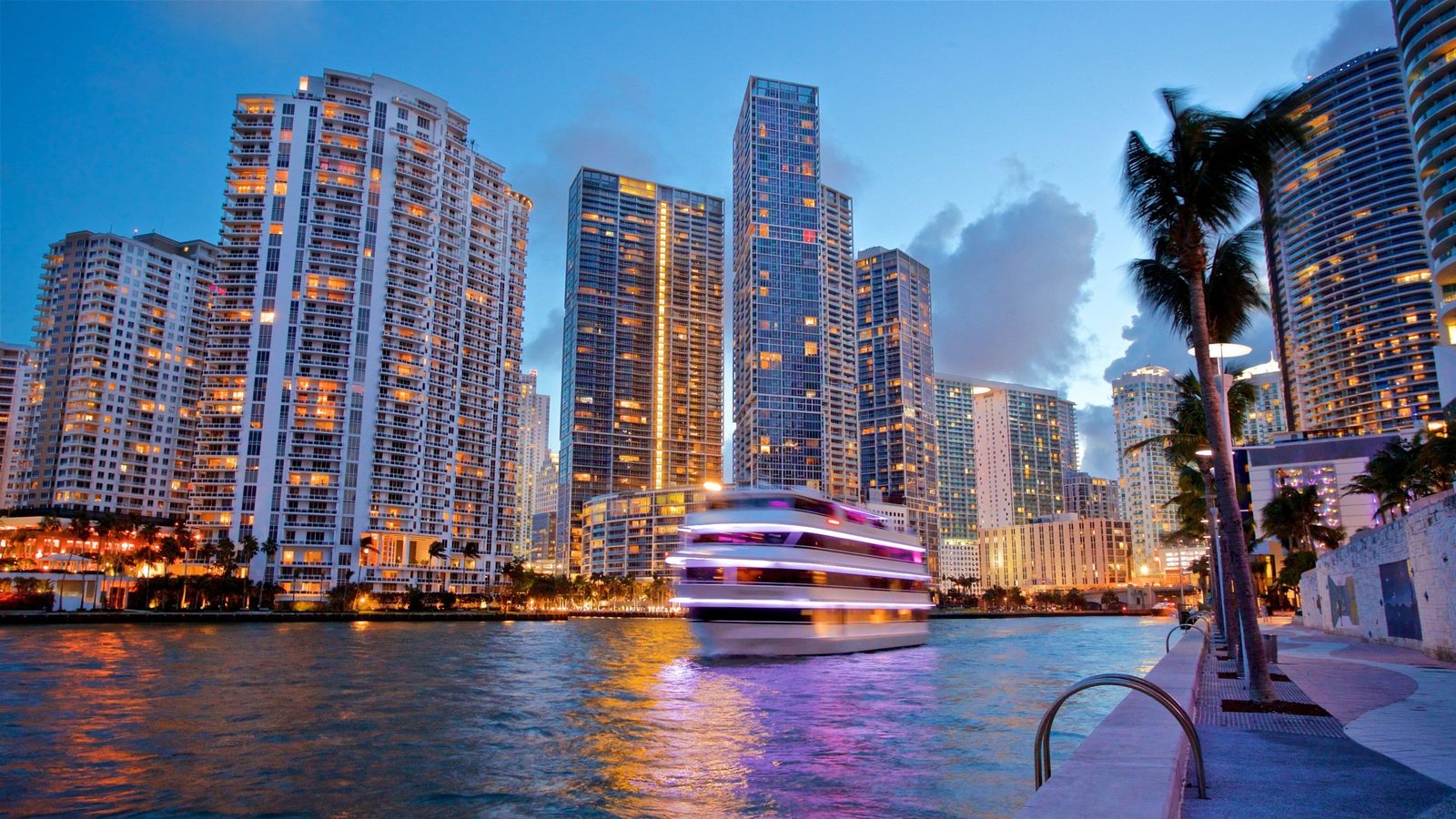
Life in Miami Beach, the restaurants, the culture, the beach, and what a day actually looks like, comes down to one thing most people get wrong before they move here: this is not one place. It is a narrow barrier island with at least five distinct personalities stacked end to end, from the tourist-driven chaos of Ocean Drive to the quiet, dog-walking normalcy of Sunset Harbour. The honest version of daily life here depends entirely on which few blocks you land in.
I’ve walked buyers through every stretch of this island, from South of Fifth condos to North Beach bungalows, and the question I get most isn’t “is it nice.” It’s “what does a Tuesday actually look like.” This is that answer, plus the parts nobody puts in the brochure.
What a Day in Miami Beach Actually Looks Like
Strip away the postcard version and a real weekday here runs on the heat clock, not the work clock.
6:00 to 9:00am. This is the window locals actually use the beach. Temperatures are still bearable, the sand isn’t packed with tourists yet, and you’ll see the same faces doing the same loop: a swim or a run along the boardwalk from South Pointe up through Mid-Beach, then coffee. Panther Coffee and the newer spots in Sunset Harbour fill up fast with people working before the humidity sets in. If you’re in South of Fifth, this is also when you’ll see the same handful of dog owners circling South Pointe Park before the cruise ship crowd shows up.
9:00am to 4:00pm. For residents who work regular jobs, this is indistinguishable from anywhere else, except the commute. If your job is on the mainland, you’re crossing the MacArthur Causeway, the Julia Tuttle, or the Venetian Causeway (which is tolled), and at certain hours that crossing is the single biggest quality-of-life variable in Miami Beach life. Errands, school pickup, and any car-dependent task get squeezed into gaps because parking on the island, even near your own building, is its own daily negotiation. A grocery run that would take ten minutes in Weston or Parkland can eat forty-five here once you account for finding a spot and walking it in.
4:00 to 7:00pm. The island shifts. This is when Lincoln Road fills with foot traffic, Sunset Harbour restaurants start their dinner setup, and the beach gets a second, calmer wave of people once the sun starts dropping. If you have kids, this is also the after-school window, and it matters where you land relative to Miami Beach’s actual school options, since the island’s school geography is tighter and more limited than most mainland suburbs.
7:00pm onward. Dinner is the real social currency of Miami Beach. Reservations, not spontaneity, run this island after dark. South Beach nightlife ramps up around Ocean Drive and Collins Avenue, while Mid-Beach and Sunset Harbour stay lower-key, more dinner-and-done. Weekends compress all of this into a longer, louder version, especially Memorial Day weekend and any major event on the calendar, which locals plan around rather than through.
The weekday versus weekend split. It’s worth being specific about this because it surprises transplants. A Tuesday in October on this island can feel almost sleepy south of Lincoln Road. A Saturday in March, during spring break, is a different city entirely: traffic on Ocean Drive crawls, garages fill by 11am, and locals who don’t need to be south of 15th Street simply avoid it. Residents learn the calendar fast. Memorial Day weekend, Fourth of July, and any circuit or music festival week get treated less like a normal weekend and more like a weather event you plan around.
That’s the skeleton. The flesh on it is food, culture, and beach, and each of those breaks down very differently depending on where on the island you are.
The Restaurant Scene: Where Locals Actually Eat
Miami Beach has more restaurants per square mile than almost anywhere in the country, and most of them are built for tourists, not repeat customers. Knowing the difference is most of what “living here” actually means.
Ocean Drive and the Entertainment District
This stretch is built for a one-time visit. Prices run high, turnover is high, and most residents avoid it except to walk friends and family through the Art Deco storefronts. If you do go, go for the architecture, not the food. Menus here change ownership more often than the neon signs do, and a restaurant that was a must-try two years ago can be a completely different operation, under a different name, by the time your out-of-town guests ask about it.
Mid-Beach and Collins Avenue
This is where the destination dinners live. Byblos brings a Mediterranean, Tel Aviv-inspired menu that’s become a go-to for a proper night out. Papi Steak draws a loud, see-and-be-seen crowd for steak. Los Fuegos by Francis Mallmann at the Faena is wood-fired, theatrical, and expensive, but it’s the kind of place you take out-of-town guests exactly once and remember. Katsuya at the SLS South Beach covers the sushi-and-scene lane. None of these are weeknight spots. They’re occasion restaurants. Residents in this stretch, including buyers looking at newer towers like The Perigon Miami Beach, tend to treat these as the two-or-three-times-a-month spots, not the everyday routine, and build the rest of their week around simpler, faster options closer to home.
South of Fifth (SoFi)
This is the quieter, more residential southern tip of the island, and it has its own restaurant identity built around consistency rather than spectacle. Joe’s Stone Crab is the anchor, open seasonally (stone crab season runs mid-October through mid-May), and it’s genuinely one of the oldest, most legitimate institutions in South Florida dining, not a tourist trap dressed up as one. Prime 112 and Smith & Wollensky round out the steakhouse-and-seafood identity of this pocket. SoFi residents eat here regularly, which is a different relationship than the Ocean Drive crowd has with its restaurants. It’s also a pocket where newer luxury product, like the Ritz-Carlton Residences South Beach and the Shore Club Residences, sits a short walk from these same institutions, which is part of why buyers pay a premium here over other stretches of the island.
Sunset Harbour
This is the neighborhood locals point to when they say Miami Beach “actually has a real food scene.” It’s walkable, low-key, and built around a mix of Italian (Sardinia Enoteca), coffee and bakery culture, and a Whole Foods anchor that makes it one of the few genuinely practical grocery situations on the island. This is where you’ll find people in gym clothes grabbing lunch between errands, not people dressed for a show. It’s also the neighborhood where I steer buyers who say they want “beach lifestyle” but actually mean “I want to be able to walk to dinner and not deal with valet every night.”
North Beach
North Beach, including Normandy Isle and North Shore, is the most affordable and least polished dining pocket on the island, with more of a neighborhood diner and local spot feel than anywhere south of it. It’s also where a lot of the island’s actual long-term residents, as opposed to seasonal or investment owners, tend to live and eat. Newer construction like 72 Park Miami Beach has started to pull a younger buyer into this stretch, but the day to day rhythm here still feels closer to a quiet mainland neighborhood than it does to South Beach, and that’s exactly the appeal for people who want the island without the circus.
If you’re weighing where on the island to actually put down roots, the restaurant geography above is a good proxy for the neighborhood breakdown covered in more detail in Miami Beach Neighborhoods: South Beach, Mid-Beach, Sunset Harbour, and Beyond.
Beach Culture: Which Beach, When, and Why It Matters
Miami Beach’s public beach runs the length of the island, numbered by lifeguard stand from roughly 1st Street to 87th Street, and it is genuinely free and open to the public the entire way, which surprises people used to beach clubs and access fees elsewhere.
But “the beach” is not one experience. South Beach, roughly 1st to 15th Street, is the loudest and most crowded, packed with tourists, cabana rentals, and a party atmosphere, especially on weekends and during spring break in March. Mid-Beach, in the 20s through 40s, is calmer, more hotel-adjacent, and where a lot of the resident crowd sets up. North Beach, 60s and up through 87th Street, is the most local, least crowded stretch, and it’s where you’ll actually recognize the same families and dog walkers week to week.
Parking is the honest catch. Metered street parking runs roughly $4 an hour in South Beach during peak hours, garages cost more, and on weekends finding a spot near your own preferred stretch of sand can eat 20 to 30 minutes before you even see water. Most residents solve this by walking or biking to the beach rather than driving, which is one more reason where you live on the island matters more here than almost anywhere else in South Florida.
Think about it this way. A buyer in a North Beach condo near 79th Street can be on the sand in under ten minutes on foot, no parking decision required. A buyer who bought inland-facing in South Beach without beach proximity in mind might drive fifteen minutes and circle another fifteen looking for parking, just to reach sand that’s technically “in Miami Beach.” I’ve had clients assume any Miami Beach address means easy beach access. It doesn’t. Walkability to the actual sand, not just the zip code, is what you’re really buying, and it should factor into the offer the same way school zoning does for a family buyer in Broward.
Beach access points also matter for daily use. Lummus Park, running through South Beach, has the widest sand and the most amenities, lifeguards, restrooms, showers, but also the most foot traffic. North Shore Open Space Park in North Beach is narrower on infrastructure but far quieter, more of a natural dune landscape than a manicured tourist strip. Residents who prioritize a quiet morning walk over convenience amenities tend to gravitate north for exactly this reason.
Arts and Culture Beyond the Beach
The Art Deco Historic District, centered on Ocean Drive and Española Way, is the visual identity of the entire city, pastel facades and neon signage that draw architecture tourists year-round. It’s worth walking even if you never eat there.
Beyond the postcard district, the real cultural engine is the Bass Museum of Art on Collins Avenue and the Wolfsonian-FIU near Washington Avenue, both legitimate institutions with rotating exhibitions that give the island actual cultural weight beyond nightlife. The Holocaust Memorial on Meridian Avenue is one of the most quietly powerful pieces of public art in South Florida and worth a visit regardless of where you land on the island.
Then there’s Art Basel Miami Beach every December, which briefly turns the entire island into the center of the international art world, with the fair itself at the Miami Beach Convention Center and satellite events spilling into hotels and galleries across the city. If you live here, December means higher prices, harder reservations, and a genuinely different island for about two weeks, and most residents either lean into it or plan travel around it. I have clients who book a trip out of town every Art Basel week on purpose, and others who build their whole social calendar around it. Neither is wrong, but you should know which one you are before you buy, because the difference shows up in how much you’ll actually enjoy owning here in December.
Beyond Art Basel, the New World Symphony’s SoundScape Park, next to the New World Center on 17th Street, runs free outdoor concert simulcasts on its wall projections during the season, which is the kind of low-cost, high-quality cultural access that doesn’t get talked about enough when people price out life here. It’s a real amenity, and it’s free, which matters when so much else on this island isn’t.
Nightlife and Social Life
Nightlife here splits cleanly by neighborhood, same as the restaurants. Ocean Drive and Washington Avenue carry the loud, club-driven, tourist-heavy scene, historically anchored by spots that come and go with the trends. Collins Avenue hotel lounges, like those at the SLS and Faena, run a more polished, expensive, adult version of the same energy.
For actual residents, social life tends to center on dinner rather than clubs, walkable evenings on Lincoln Road, and increasingly Sunset Harbour’s more relaxed bar and restaurant strip. The island’s population swells dramatically on weekends with visitors from Miami’s mainland and beyond, so locals who want a quieter night learn to either go early, go to Mid or North Beach, or just stay home on Friday and Saturday and go out midweek instead.
There’s also a practical layer to this that buyers underestimate: noise. If you’re looking at a unit anywhere near Washington Avenue or the blocks just off Ocean Drive, ask about weekend noise directly, not just view and finishes. A high floor with a great view can still be a loud floor on a Saturday night if you’re above an outdoor bar or a hotel pool deck running music into the evening. This is a due diligence step I walk every South Beach buyer through before they write an offer, and it’s not something a listing photo will ever tell you.
The Reality of Living on the Island
This is the part that doesn’t make it into the lifestyle content, and it’s the part I make sure every buyer hears before they write an offer.
Traffic and causeways. Getting on and off the island during rush hour, or during any major event, is the single most common complaint from residents. The MacArthur Causeway and Julia Tuttle Causeway carry the bulk of the traffic, and both back up predictably on weekday mornings and evenings, plus any weekend with a concert, festival, or Art Basel-scale event. A commute to Brickell or Downtown Miami that Google Maps says is fifteen minutes can realistically run thirty-five during a normal weekday rush, and closer to an hour during peak season events. Buyers who need to be on the mainland for work every day should test-drive the actual commute at the actual hour they’d need it before they assume the map is telling the truth.
HOA fees and building age. Since the 2021 Surfside condo collapse, Florida law now requires milestone structural inspections and full reserve funding for condo buildings, and Miami Beach has a lot of older oceanfront and bayfront stock. That means HOA fees have climbed meaningfully in older buildings, and special assessments are a real possibility if a building’s reserves weren’t already funded. This is one of the biggest financial surprises for buyers coming from HOA-light markets, and it’s worth understanding fully before shopping Miami Beach luxury condos or anything built before the mid-2000s. Newer buildings, think 72 Park Miami Beach in North Beach or The Perigon in Mid-Beach, are delivering with reserves already funded under the current law, which means a higher purchase price up front but far less exposure to a surprise assessment down the road. That trade-off, lower entry price with assessment risk versus higher entry price with a funded reserve, is one of the single most important financial conversations I have with every condo buyer on this island, and it belongs in the offer strategy, not an afterthought after closing.
Insurance and flood zone reality. As a barrier island, Miami Beach sits almost entirely in flood zones, and windstorm and flood insurance costs are baked into ownership here in a way that doesn’t apply on the mainland. Combined with HOA increases, all-in monthly ownership costs run meaningfully higher than the mortgage payment alone suggests. I’ve had buyers budget for a $4,500 monthly mortgage payment and get surprised by another $1,200 to $2,000 a month once HOA, flood insurance, and windstorm coverage are layered in. Run the full carrying cost, not just principal and interest, before you fall in love with a unit.
Hurricane season mindset. Much of the island falls in Evacuation Zone A, meaning it’s typically the first zone called for evacuation ahead of a storm. Residents build this into how they think about June through November, from where they keep supplies to how seriously they track storm tracks. It’s not a dealbreaker for most people, but it’s a real part of the calendar here that inland buyers often underestimate. If you’ve spent your life in Weston or Coral Springs, where evacuation orders are rare, this is a genuine adjustment, and it’s worth talking through with your insurance agent and your HOA before hurricane season, not during it.
Space and noise. Most housing stock is condo living, not single-family space, and sound travels differently in a dense, high-rise environment. Buyers coming from suburban houses with yards need to recalibrate expectations around square footage and privacy. A 1,400 square foot two-bedroom that felt spacious in a Davie townhome can feel tight on the island, and there’s no backyard to expand your living space into. That’s not a knock on condo living, it’s just a different lifestyle math, and it’s worth sitting with before you commit.
Who Actually Thrives Here vs Who Doesn’t
People who do well in Miami Beach tend to want walkability, don’t mind trading square footage for location, and build their life around food, the outdoors, and a shorter commute to a beach-first lifestyle. Empty nesters, remote workers, and people without a daily mainland commute tend to adjust fastest.
People who struggle here are usually the ones who moved for the postcard and didn’t budget for the causeway traffic, the HOA increases, or the fact that a “quick errand” often means fighting for parking twice. Families with school-age kids need to look closely at the island’s actual school geography, which is more limited than most suburban buyers expect, before assuming Miami Beach works the same way a mainland suburb does.
A few real patterns I’ve seen play out with buyers:
- The retiree downsizing from a Boca or Palm Beach Gardens house tends to thrive here fastest, because they’re trading yard maintenance for walkability on purpose, and they’re not fighting a mainland commute.
- The young professional working in Brickell or Downtown Miami does well if they pick a building close to the MacArthur Causeway and accept the commute as a real cost, not an afterthought. The ones who struggle picked North Beach for the price and then discovered the commute eats an hour of their day, every day.
- The family with two school-age kids almost always does better renting on the island for a year before buying, specifically to test the school situation and the causeway commute during actual drop-off hours, before committing to a purchase.
If you’re weighing whether the island fits your budget and stage of life, it’s worth reading through the complete guide to Miami Beach for people considering a move and, if buying is on the table, understanding what a first-time buyer can realistically expect here, since the entry price point and condo landscape are very different from most of Broward or Palm Beach County.
The Bottom Line
Daily life in Miami Beach is genuinely good if you pick the right few blocks and go in with clear eyes about the costs that don’t show up in a listing photo. The beach and the food scene are real and world-class in pockets like Sunset Harbour, Mid-Beach, and SoFi. The traffic, the HOA math, and the flood zone reality are equally real, and ignoring them is how people end up unhappy a year into ownership.
The reality is this: Miami Beach rewards people who do their homework on neighborhood, building age, and true carrying costs before they buy, and it punishes people who buy on vibes alone. If you want a straight read on where on the island actually fits your life and budget, reach out and I’ll walk you through it, no pressure, just the real numbers.
Watch: learn more
Go deeper with my South Florida Insider videos.

The Best Flex-Space Townhome in West Palm Beach: Pulte's Nautical Plan

Inside Everton's Latitude II Model: $458k New Homes In Palm Beach
The Best Flex-Space Townhome in West Palm Beach: Pulte's Nautical Plan
More articles you might like
Miami Beach Luxury Condos: What $1M to $10M+ Buys You on the Island
13 min readMiami Beach, Florida: The Complete Guide for People Considering a Move
18 min readMiami Beach Schools: What Parents Need to Know
18 min readFirst-Time Buyer in Miami Beach: Is It Realistic and Where Do You Start?
13 min readNew Construction in Miami Beach: Pre-Sales, New Buildings, and What Is Coming
13 min read