Moving to Fort Lauderdale: The Honest Relocation Guide for 2026
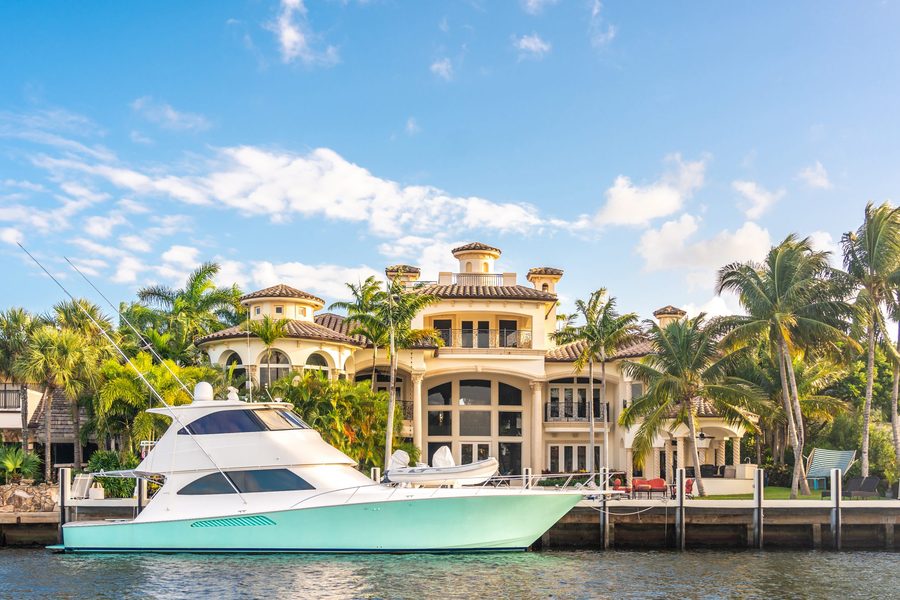
If you’re moving to Fort Lauderdale, here’s the honest relocation guide for 2026: this city delivers on the water, the weather, and the boating culture, but it comes with real trade-offs in insurance costs, flood zone exposure, and a housing market that rewards buyers who know exactly which neighborhood fits their life before they start touring. Fort Lauderdale isn’t Miami and it isn’t Boca. It’s its own thing, and most of what gets written about it online is either outdated or written by someone who’s never actually lived here.
I’ve worked with families relocating from New York, Ohio, Georgia, and California who all asked the same core question in different words: what does life actually look like here, and what does it actually cost? This guide answers that directly, with real neighborhood names, real price ranges, and the parts of the move that nobody puts in a listicle.
Moving to Fort Lauderdale: The Honest Relocation Guide for 2026 (Who This Actually Fits)
Fort Lauderdale works best for people who want water access without the price tag or intensity of Miami Beach, who don’t mind heat and humidity nine months a year, and who are okay with a car-dependent lifestyle outside of a handful of walkable pockets. It does not work well for people chasing a low cost of living or people who need four seasons.
The city itself (what most people mean when they say “Fort Lauderdale”) is technically a patchwork of very different micro-markets. Downtown and the beach corridor feel like a small coastal city. Neighborhoods like Rio Vista and Harbor Beach feel like old-money waterfront enclaves. And drive fifteen minutes west and you’re in suburban Broward that looks and feels more like Plantation or Davie than anything you’d picture when you hear “Fort Lauderdale.” Knowing which version you’re actually moving to matters more than almost anything else in this decision.
For a deeper side-by-side on how this compares to the other big South Florida option, see Fort Lauderdale vs Boca Raton: City Life vs Country Club South Florida.
What Fort Lauderdale Actually Costs in 2026
Let’s start with real numbers, because most relocation content dances around this.
Single-family homes: The median sale price for a single-family home in Fort Lauderdale proper is running close to $650,000 as of mid-2026, but that number hides a wide range. A block off Federal Highway in Poinsettia Heights or Tarpon River, you can still find a 3-bed, 2-bath on a 6,000-square-foot lot in the $500,000s. Cross into Rio Vista or Colee Hammock near the water, and you’re looking at $1.2 million and up, with true waterfront lots regularly clearing $3 million.
Condos: This is where Fort Lauderdale still offers value relative to Miami. You can find a solid 2-bed condo in the $300,000s to $500,000s in buildings along the New River, downtown, or in Coral Ridge, with HOA fees ranging from $500 to over $1,200 a month depending on age, amenities, and whether the building has recently completed (or is facing) a structural reserve assessment under Florida’s post-Surfside reserve laws. Ask for the last two years of HOA board meeting minutes and the most recent structural inspection report before you write an offer. This is not optional in 2026.
Suburban Broward: If you push west into Plantation, Davie, or Cooper City, your dollar goes noticeably further. A 4-bed, 2,200-square-foot home on a quarter acre in Cooper City runs $600,000 to $750,000, and you get top-rated schools and more house for the money than anything comparable inside the Fort Lauderdale beach corridor.
Rentals: A 2-bed apartment averages $2,400 to $3,200 a month depending on the submarket, with downtown and Las Olas running the high end and neighborhoods like Melrose Park or unincorporated Broward running the low end.
For the deeper numbers on what ownership actually pencils out to as an investment, not just a place to live, read Fort Lauderdale Investment Property: What the Numbers Look Like in 2026.
Neighborhoods: Where People Actually Land, and Why
This is the section most guides get lazy on. Here’s the real breakdown by who each neighborhood actually fits.
Victoria Park and Flagler Village
Walkable, dense, a mix of historic bungalows and new townhomes, minutes from Las Olas and downtown. This is where young professionals and empty nesters who want to ditch the car for daily errands end up. Home prices run $600,000 to $900,000 for renovated single-family, with new construction townhomes pushing past $1 million.
Rio Vista, Colee Hammock, and Harbor Beach
Old Fort Lauderdale money. Deep water lots, mature oak canopies, walking distance to Las Olas. This is the “yachting capital” version of the city people picture. Entry point is $1 million-plus, true waterfront is $3 million and climbing.
Coral Ridge and Coral Ridge Country Club
Family-friendly, canal-lined, close to the beach and to Bayview Elementary. A good middle ground between walkability and space. Expect $700,000 to $1.4 million depending on water access.
Wilton Manors and Middle River Terrace
Distinct, LGBTQ+-friendly, walkable main street (Wilton Drive), strong sense of community, and still more affordable than the beach corridor at $500,000 to $750,000 for single-family homes.
Plantation, Davie, and Cooper City
The suburban engine room. Larger lots, A-rated schools, HOA-light in many pockets, and this is where most relocating families with kids actually end up settling once they see the numbers. This is also where you’ll find the newer construction communities worth comparing against the older beach-corridor housing stock, covered in New Construction in Fort Lauderdale: What’s Being Built and What It Costs.
For the full neighborhood-by-neighborhood breakdown with more detail on each pocket, go to Fort Lauderdale Neighborhoods: A No-Nonsense Guide to Where to Live.
Schools: What Parents Need to Know Before They Buy
Broward County Public Schools runs the district, and school quality varies block to block, not just city to city, which surprises a lot of relocating families. Bayview Elementary (Coral Ridge), Virginia Shuman Young Elementary (Rio Vista area), and Nova schools in Davie consistently post strong results. If you’re buying inside the beach corridor and public school assignment matters to you, verify the exact zoned school for the specific address, not the neighborhood name, because boundary lines cut in unexpected places.
Private options carry real weight here too. Pine Crest School (Fort Lauderdale campus) and Cardinal Gibbons High School are the two names that come up constantly with relocating families who can afford the tuition and want a known quantity from day one.
If schools are your top filter for where to buy, this is worth reading in full before you tour anything: Fort Lauderdale Schools: What Parents Need to Know Before They Buy.
The Water, the Boating, and What “Yachting Capital of the World” Actually Means
Fort Lauderdale earns the yachting capital label honestly. Over 300 miles of navigable waterways run through the city, and it’s home to the Fort Lauderdale International Boat Show every October, one of the largest in the world. But “waterfront” here isn’t one thing. There’s ocean access with no fixed bridges (the most valuable and expensive), canal access with bridge restrictions that cap boat height, and lake or lagoon access with no ocean connection at all. Ask specifically about bridge clearance and whether the dock has ocean access before you assume a waterfront listing works for your boat.
Owning waterfront also means owning a dock, a seawall, and the maintenance that comes with both. Seawall repair or replacement can run $500 to $1,500 per linear foot depending on condition and materials, and older seawalls (pre-1980s construction) are a common negotiation point on older Rio Vista and Coral Ridge properties.
For what a real day actually looks like once you’re living here (not the highlight reel version), read Life in Fort Lauderdale: Restaurants, Beach, Boating, and What a Day Actually Looks Like.
Commute, Corridors, and Getting Around
Fort Lauderdale is not a walkable city in most of its footprint, and you should plan your life around a car unless you’re specifically buying in Victoria Park, Las Olas, downtown, or Wilton Manors.
I-95 and I-595 are your main arteries, and both see real congestion during morning and evening rush, especially where they interchange near the airport. US-1 (Federal Highway) runs the length of the city and is the slower, scenic alternative if you’re not in a hurry. Sunrise Boulevard and Las Olas Boulevard are the main east-west connectors between the beach and downtown.
Fort Lauderdale-Hollywood International Airport (FLL) sits just south of downtown, a real advantage for anyone who travels frequently, and the Brightline station downtown now connects you to Miami, West Palm Beach, and Orlando without touching I-95, which has become a genuine selling point for buyers who want to skip driving to Orlando entirely.
Taxes, Insurance, and the Costs Nobody Mentions on Instagram
Florida has no state income tax, and that’s real savings if you’re relocating from New York, California, or another high-tax state. But the trade-off shows up elsewhere, and this is the part most relocation content glosses over.
Property insurance is the number one budget shock for transplants. A standard homeowner’s policy on a non-waterfront home in Fort Lauderdale can run $3,500 to $6,000 a year in 2026, and that number climbs fast for older homes, homes closer to the water, or homes with older roofs (many insurers now require roofs under 15 years old, sometimes under 10). If you’re buying anything built before 2002, get a four-point inspection and a wind mitigation report before you shop insurance, because both directly affect your premium.
Flood insurance is separate from homeowner’s insurance and is required by most lenders if you’re in a FEMA flood zone, which covers a meaningful portion of the city given the canal network. Check the FEMA flood zone designation for any specific address before you fall in love with it, not after.
Property taxes run roughly 1.7% to 2% of assessed value annually in Broward County, and Florida’s homestead exemption plus the Save Our Homes cap (limiting annual assessment increases to 3% for primary residences) is a real long-term benefit once you’ve lived here a few years, but it means longtime owners often pay far less than the listing price would suggest, so don’t assume the seller’s current tax bill is what you’ll pay.
For a full walkthrough of what waterfront ownership specifically costs once you add up insurance, dock maintenance, and HOA or association fees, see Waterfront Living in Fort Lauderdale: What It Actually Costs and How It Works.
Hurricane Season and Climate Reality
Hurricane season runs June through November, and living here means keeping an eye on the tropics for half the year. Most residents don’t panic over every storm that forms in the Atlantic, but everyone here has a plan: shutters or impact windows, a stocked hurricane kit, and a sense of when to actually evacuate versus when to hunker down. Homes with impact windows and doors, or updated roofs rated for current wind codes, see real insurance savings, which is another reason newer construction commands a premium here beyond just aesthetics.
Summers run hot and humid, with regular afternoon thunderstorms from June through September. If you’ve never lived somewhere with a real wet season, budget mentally for it, because it shapes daily life more than people expect.
New Construction vs Older Fort Lauderdale Housing Stock
A meaningful share of Fort Lauderdale’s housing stock was built between the 1950s and 1980s, which means charm and mature landscaping, but also aging plumbing (galvanized or polybutylene pipe in some homes), older electrical panels, and roofs that may be past or nearing insurance-friendly age. None of this is disqualifying, but it needs to be priced into your offer and your inspection strategy.
Newer construction, concentrated more in the western suburbs and in select downtown and beach-adjacent infill projects, comes with modern wind-rated construction, lower insurance premiums, and often an HOA that comes with its own rules and fees to evaluate carefully. Neither option is universally better. It depends on whether you value character and location over lower ongoing costs, or the reverse.
If you’re weighing this trade-off directly, New Construction in Fort Lauderdale: What’s Being Built and What It Costs breaks down the current builder landscape and real pricing.
How to Actually Do This Move: Step by Step
-
Get real about your budget including insurance. Don’t just qualify for a mortgage payment. Get a quote on homeowner’s insurance for the specific type of home and zone you’re considering before you shop, not after you’re under contract.
-
Pick your trade-off: walkability or space. Decide honestly whether you want the Victoria Park or Las Olas lifestyle (smaller lots, higher price per square foot, walk to dinner) or the Plantation/Cooper City lifestyle (bigger lot, better school ratings, more driving). Most buyers waste weeks touring both before admitting which one actually fits their life.
-
Verify school zoning at the exact address, not the neighborhood name, if schools matter to your decision.
-
Check flood zone and insurance cost before writing an offer, especially on anything built before 2002 or anything near a canal.
-
If you’re relocating for new construction, get your own representation before you walk into the sales office. The builder pays your agent’s commission either way, so touring alone with the builder’s on-site rep representing only the builder leaves free representation on the table.
-
Time your move around the market, not the calendar. For where Fort Lauderdale’s market actually sits right now (inventory, days on market, price trends), see Fort Lauderdale Real Estate Market Update: Mid-2026.
-
If this is your first home purchase anywhere, the process here has its own quirks worth understanding before you start, covered in First-Time Buyer in Fort Lauderdale: Is It Realistic and Where Do You Start?.
Quick Answers to What People Actually Ask
Is Fort Lauderdale expensive compared to the rest of Florida? Yes, noticeably. It runs above the Florida state average on both home prices and insurance, though still below Miami Beach and most of Palm Beach’s coastal core for comparable water access.
How far is Fort Lauderdale from Miami? About 25 to 30 miles, roughly 30 to 45 minutes by car depending on traffic, or about 30 minutes via Brightline without touching I-95.
Do I need a car in Fort Lauderdale? In almost every neighborhood, yes. Victoria Park, downtown, Las Olas, and Wilton Manors are the exceptions where daily errands are genuinely walkable.
The Bottom Line
Moving to Fort Lauderdale in 2026 makes sense if you want real water access, a genuine boating culture, no state income tax, and you’re willing to budget honestly for insurance and pick a neighborhood that actually matches how you want to live day to day, not just how it looks in photos. It doesn’t make sense if you’re chasing a bargain cost of living or you need four true seasons.
If you’re serious about relocating and want help narrowing this down to the right neighborhood and the right home for your specific situation, especially if new construction is on the table, reach out before you start touring. It costs you nothing, and on new construction the builder pays your agent’s side regardless, so going in alone means leaving free representation on the table. Make a wise decision, not a fast one.

More articles you might like
Where to Live in the Fort Lauderdale Area (2026): Best Suburbs by Who You Are
18 min readFort Lauderdale vs. Miami: Which One Is Actually Right for You?
13 min readBest New Construction Communities Near Fort Lauderdale (2026): Ranked by Price and Fit
13 min readFort Lauderdale vs Boca Raton: City Life vs Country Club South Florida (2026 Guide)
13 min readLife in Fort Lauderdale: Restaurants, Beach, Boating, and What a Day Actually Looks Like
14 min read