Fort Lauderdale Real Estate Market Update: Mid-2026
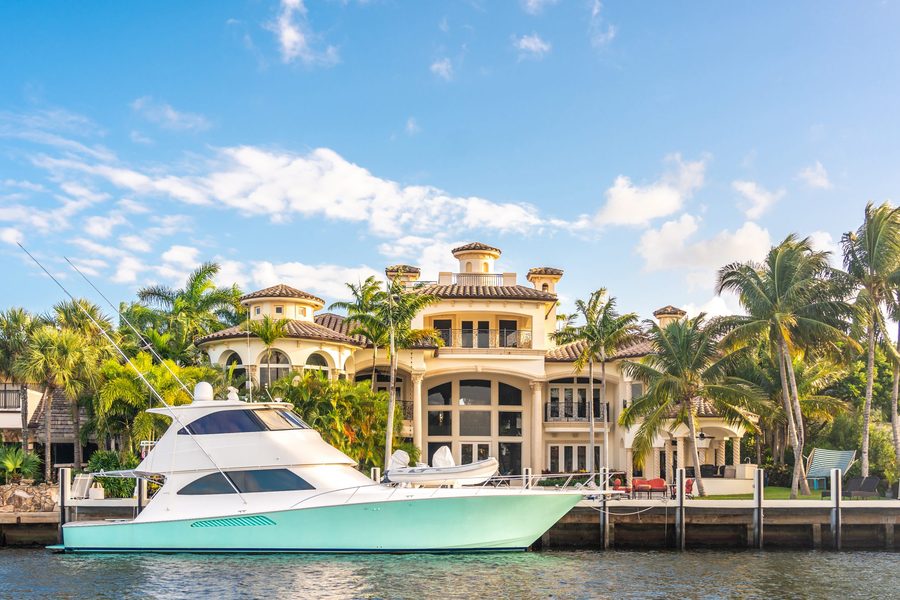
Fort Lauderdale’s real estate market in mid-2026 is not the market you remember from 2021. It’s slower, it’s more negotiable, and it rewards buyers and sellers who actually understand the numbers instead of going off what a neighbor’s house sold for two years ago. This Fort Lauderdale real estate market update for mid-2026 breaks down where prices actually stand, how long homes are sitting, why inventory has climbed, and what that means if you’re trying to buy or sell in the second half of the year.
The short version: single-family homes are holding up reasonably well, condos are under real pressure from rising insurance and reserve requirements, and the days of listing on a Friday and having five offers by Monday are mostly gone outside of a handful of hot pockets. That doesn’t mean the market is soft. It means it’s normal again, and normal requires more strategy than the last few years did.
Fort Lauderdale Real Estate Market Update: Mid-2026, By the Numbers
Here’s where things stand across Broward’s biggest city as of the middle of 2026:
- Median single-family home price: roughly $670,000 to $685,000, up modestly (1 to 3 percent) year over year, but essentially flat since late 2024.
- Median condo/townhome price: roughly $315,000 to $330,000, down slightly from the 2023 peak in several buildings once insurance and reserve costs are factored into monthly carrying costs.
- Median days on market: 55 to 70 days citywide, compared to under 30 days at the height of 2021-2022.
- Active inventory: up to roughly 4 to 4.5 months of supply, compared to under 2 months during the pandemic boom. Six months is generally considered a balanced market, so Fort Lauderdale is trending toward balance but hasn’t fully arrived.
- Price reductions: somewhere around a third of active listings have taken at least one price cut before going under contract, a sharp increase from the “priced right the first time” era of 2021.
- Cash buyers: still a meaningful share of the market, particularly in the $1.5 million-plus segment and among Northeast and Midwest relocators paying cash off a home sale up north.
None of this means prices are crashing. It means the artificial urgency of the last few years is gone, and homes are being valued closer to what they’re actually worth based on condition, location, and comparable sales, not on fear of missing out.
Home Prices by Segment: Where the Money Is Moving
Single-Family Homes
Single-family homes east of I-95, in walkable, tree-canopied neighborhoods, are the most resilient part of the market. Victoria Park, Coral Ridge, Rio Vista, and Colee Hammock continue to see steady demand from buyers who want to be close to Las Olas Boulevard, downtown, and the beach without living in a high-rise.
- Victoria Park: $650,000 to $1.2 million for updated homes, higher for new construction infill.
- Coral Ridge: $900,000 to $2.5 million, with waterfront lots (canal access, no bridges to open ocean) commanding the top of that range.
- Rio Vista: $1.5 million to $4 million-plus, one of the strongest waterfront markets in the county, largely insulated from the broader slowdown because inventory here is genuinely scarce.
- Colee Hammock: $1 million to $3 million, historic character homes mixed with newer builds just south of Las Olas.
Emerging and Value Neighborhoods
Wilton Manors, Sailboat Bend, Middle River Terrace, and Poinsettia Heights are where first-time buyers and young families priced out of the east side are landing.
- Wilton Manors: $500,000 to $900,000, walkable, strong community identity, close to Fort Lauderdale without Fort Lauderdale prices.
- Sailboat Bend: $600,000 to $1.1 million, historic bungalows a short walk from downtown.
- Middle River Terrace / Poinsettia Heights: $450,000 to $700,000, up-and-coming, worth watching over the next 24 months as renovation activity increases.
Condos and Downtown High-Rises
This is the segment carrying the most weight in mid-2026. Older condo buildings, especially those built before 2000, are facing steep special assessments and reserve funding requirements tied to Florida’s post-Surfside structural safety laws. That’s translating directly into softer resale prices and longer days on market for units in buildings that haven’t already completed their milestone inspections and funded reserves.
- Flagler Village / Downtown condos: $350,000 to $700,000, wide range depending on building age and whether reserves are fully funded.
- Older beachside condos (pre-2000 buildings): frequently seeing 5 to 10 percent price softening compared to 2023, driven almost entirely by rising HOA dues and assessment risk, not by lack of buyer interest in the location.
- New-build luxury towers: holding firm and often appreciating, because buyers are paying a premium to avoid the reserve and assessment uncertainty that comes with older stock.
If you’re weighing a downtown condo against a single-family home east of I-95, the math has changed. A guide like Waterfront Living in Fort Lauderdale: What It Actually Costs and How It Works walks through how dockage, insurance, and HOA structure affect true monthly cost, which matters more now than it did three years ago.
Days on Market: What’s Actually Happening
Fifty-five to seventy days doesn’t sound dramatic until you compare it to where the market was. In 2021 and early 2022, well-priced homes in desirable Fort Lauderdale neighborhoods were going under contract in under two weeks, often with escalation clauses and waived inspections. That urgency is gone.
What’s replaced it is a market where the first two weeks matter more than ever. A home that’s priced accurately and shows well typically still gets meaningful traffic and offers within 14 to 21 days. A home that’s priced 5 to 10 percent over market, hoping to “test it,” now sits for 60, 90, sometimes 120 days, picks up a stale listing stigma, and eventually sells for less than it would have with an accurate initial price.
The lesson for sellers: the “start high and negotiate down” strategy that worked in a low-inventory market actively hurts you now. Buyers see days on market. Buyers’ agents pull price history. A stale listing signals negotiating leverage to every buyer who walks through the door.
Inventory Levels and What’s Driving Them
Inventory has climbed for a few overlapping reasons, not just one:
- Rate lock-in is thawing. Owners who refinanced or bought at 3 percent rates in 2020-2021 held onto their homes for years rather than trade up into a 6.5 to 7 percent mortgage. As life events (job changes, family growth, downsizing) pile up, more of those owners are finally listing, even at higher rates, because they can’t wait forever.
- Insurance costs are pushing some owners to sell. Particularly for older homes and condos, rising windstorm and flood premiums have made carrying costs high enough that some longtime owners, especially those without a mortgage, are choosing to cash out rather than keep paying.
- New construction has added supply, particularly in the condo and townhome segment downtown and along the Flagler Village and Sistrunk corridors. For a full rundown of what’s actually being delivered, see New Construction in Fort Lauderdale: What’s Being Built and What It Costs.
- Relocation demand has normalized. The 2021-2022 surge of out-of-state buyers moving sight unseen has cooled into a steadier, more deliberate pace. People are still moving to Fort Lauderdale in real numbers, they’re just taking longer to decide and comparing more options before they commit.
More inventory is good news for buyers, but it’s not the same as a crash. It’s a return to something closer to a functioning market where supply and demand actually interact instead of demand simply overwhelming whatever’s available.
Neighborhood Snapshot: Where Prices Are Holding vs Softening
Not every part of Fort Lauderdale is experiencing this market the same way, and that’s the single most important thing to understand if you’re relying on citywide averages.
- Holding strong: Rio Vista, Coral Ridge waterfront, Las Olas Isles. Scarcity of true waterfront lots keeps these insulated regardless of broader trends.
- Steady, healthy demand: Victoria Park, Wilton Manors, Colee Hammock. These have strong walkability and identity that keeps buyer demand consistent.
- Softening, buyer opportunity: older condo buildings citywide, particularly beachside towers built before 2000 that are mid-assessment or still funding reserves.
- Watch closely: Middle River Terrace, Poinsettia Heights, Progresso. Renovation activity and proximity to downtown suggest these could outperform over the next few years, but they’re not proven yet.
If you’re trying to figure out which part of the Fort Lauderdale area actually fits your life, not just your budget, Where to Live in the Fort Lauderdale Area (2026): Best Suburbs by Who You Are breaks it down by lifestyle rather than just price point. And if you’re cross-shopping against the coast further south, Fort Lauderdale vs Boca Raton: City Life vs Country Club South Florida is worth reading before you widen your search radius.
What Buyers Should Expect in the Second Half of 2026
The reality is this is the most buyer-favorable Fort Lauderdale has been in five years, but “favorable” doesn’t mean “easy” or “cheap.”
You have room to negotiate, but only on the right listings. Homes sitting 45-plus days are where you’ll get real concessions: price reductions, seller-paid closing costs, repair credits. Fresh, well-priced listings in strong neighborhoods still move fast and won’t budge much.
Interest rates are the real story, not prices. Rates in the 6.5 to 7 percent range mean monthly payments matter more than sticker price for most buyers. Run the actual payment, including insurance and HOA, before you fall in love with a listing price.
Insurance is now a line item you underwrite before you fall in love with the house. Get a quote before you write an offer, not after. On older homes without updated roofs, wind mitigation, or impact windows, premiums can add $300 to $600 a month to your real cost of ownership.
Condo buyers need to read reserve studies, not just HOA statements. Ask directly: has the building completed its milestone inspection, is the reserve fund fully funded per the state’s requirements, and is there a pending or planned special assessment. This single question will save you from the worst surprises in this market.
If you’re a first-time buyer, this window is genuinely more workable than it’s been in years. More inventory, more negotiating room, and sellers who are more realistic all favor someone who’s patient and prepared. First-Time Buyer in Fort Lauderdale: Is It Realistic and Where Do You Start? covers the practical starting point.
If you’re buying for cash flow or appreciation rather than to live in it, the math has shifted enough that it’s worth running real numbers instead of assuming past appreciation repeats. Fort Lauderdale Investment Property: What the Numbers Look Like in 2026 walks through actual rent-to-price ratios by neighborhood.
What Sellers Should Expect in the Second Half of 2026
Price it accurately from day one. The single biggest mistake sellers are making right now is anchoring to a 2022 comp instead of a 2026 comp. Your listing agent should be showing you sales from the last 60 to 90 days, not the last three years.
Presentation matters more than it did in 2021. When buyers have options, cosmetic condition, staging, and photography actually move the needle on both price and days on market. Homes that need obvious work sell for a real discount now, not a token one.
Be ready to negotiate on more than price. Closing cost credits, home warranties, and flexible closing timelines are back as standard negotiating tools. Sellers who refuse to negotiate on anything but price often lose buyers to a more flexible competing listing.
If you’re in an older condo, get ahead of the reserve and assessment conversation. Buyers are asking about this before they ask about the pool. Having your documents organized and your building’s financials in good shape (or being upfront about what’s coming) builds trust and shortens your time on market.
Fall and winter (the traditional snowbird season) will likely bring a real uptick in buyer activity, as it does most years. Sellers who list in late summer with realistic pricing are positioning themselves to catch that seasonal demand rather than fighting it with a stale listing.
New Construction and the Condo Market
New construction is playing a bigger role in Fort Lauderdale’s overall inventory picture than it has in years, and it’s worth understanding separately from the resale market because the pricing dynamics are different.
Downtown and along Las Olas Boulevard, several towers are actively reshaping the skyline and the price ceiling. Selene Oceanfront Residences, Kolter Urban’s twin beachfront towers, are actively selling and under construction, with pricing from roughly $1.6 million up past $9.9 million and an expected completion in late 2025 or early 2026, standing as the tallest buildings directly on Fort Lauderdale Beach. Andare Residences by Pininfarina, Related Group’s 46-story tower on Las Olas Boulevard, is presale and under construction with pricing starting around $2.3 million, bringing Italian design pedigree to the corridor with a delivery expected in late 2026. Further out, Natiivo Fort Lauderdale and Viceroy Residences Fort Lauderdale are both in earlier construction phases, with Natiivo notable for being fully licensed for flexible short-term rentals, an increasingly attractive feature for investment-minded buyers given how much scrutiny traditional condo ownership costs are under right now.
The broader takeaway: new construction is commanding a real premium over resale in comparable locations, largely because buyers are willing to pay to avoid the reserve funding and special assessment uncertainty baked into older buildings. If new construction is on your radar anywhere in the metro, not just downtown towers, Best New Construction Communities Near Fort Lauderdale (2026): Ranked by Price and Fit ranks the options by actual price point and lifestyle fit.
Insurance, HOA Fees, and Milestone Inspections: The Factor Nobody Can Ignore
This deserves its own section because it’s quietly the biggest driver of condo pricing in Fort Lauderdale right now, more than interest rates or general market sentiment.
Florida’s post-Surfside condo safety laws require buildings three stories or taller to complete milestone structural inspections and to fully fund reserve accounts for major components like roofs, structures, and plumbing, rather than allowing boards to waive reserves as many did for decades. That deadline has already passed for most buildings, and the fallout is still working through the resale market in 2026.
Buildings that were underfunded are now hitting owners with special assessments that can run from a few thousand dollars to well over $50,000 per unit in extreme cases. Buildings that raised HOA dues proactively over the last few years to build reserves are in better shape but come with monthly dues that are noticeably higher than they were in 2021.
For buyers, this means the sticker price of a condo tells you less than it used to. A $300,000 unit with a $1,200 monthly HOA and a fully funded reserve can be a better deal than a $260,000 unit with a $700 HOA that’s about to be hit with a $30,000 special assessment. For sellers in older buildings, being transparent about where your building stands on these requirements, rather than letting a buyer discover it during due diligence, keeps deals from falling apart late in the process.
The Bottom Line for the Rest of 2026
Fort Lauderdale isn’t crashing and it isn’t booming. It’s correcting into a more normal, more negotiable market after several years of conditions that weren’t sustainable. Single-family homes in strong, walkable neighborhoods are holding value. Condos, particularly older buildings, are where the real price movement and negotiating opportunity are happening. Buyers who do their homework on insurance and reserves, and sellers who price honestly from the start, are the ones actually getting deals done in this market.
If you’re trying to figure out whether Fort Lauderdale is still the right call compared to nearby markets, it’s worth reading how it actually compares day to day, not just on a spreadsheet. Fort Lauderdale vs. Miami: Which One Is Actually Right for You? and Life in Fort Lauderdale: Restaurants, Beach, Boating, and What a Day Actually Looks Like are good next reads if the lifestyle side of the decision matters as much as the numbers.
Want a read on your specific street or building instead of a citywide average? DM me your neighborhood and I’ll send you the real comps, not a Zillow guess.
More articles you might like
Best New Construction Communities Near Fort Lauderdale (2026): Ranked by Price and Fit
13 min readWhere to Live in the Fort Lauderdale Area (2026): Best Suburbs by Who You Are
18 min readFort Lauderdale vs Boca Raton: City Life vs Country Club South Florida (2026 Guide)
13 min readFort Lauderdale vs. Miami: Which One Is Actually Right for You?
13 min readLife in Fort Lauderdale: Restaurants, Beach, Boating, and What a Day Actually Looks Like
14 min read