Fort Lauderdale vs. Miami: Which One Is Actually Right for You?
Fort Lauderdale vs. Miami: Which One Is Actually Right for You?
If you’re trying to decide between Fort Lauderdale and Miami, here’s the short answer: Fort Lauderdale gives you more space, easier boating, calmer traffic, and better value for the dollar, while Miami gives you international energy, a bigger job market in finance and hospitality, and a nightlife and culture scene that Fort Lauderdale doesn’t try to compete with. Neither city is “better.” They’re built for different lives. This guide breaks down the actual numbers, so you can figure out which one fits yours.
I’ve sold real estate in both counties. I get this question weekly from relocators who assume “South Florida” is one interchangeable market. It isn’t. Broward and Miami-Dade sit next to each other, but they function like two different cities with two different price ceilings, two different commute realities, and two different everyday paces. Let’s get into it.
Fort Lauderdale vs Miami: Which One Is Actually Right for You (The Fast Version)
If you want the quick gut check before the deep dive:
- Pick Fort Lauderdale if: you want a boat or waterfront access without Miami Beach prices, you work remotely or commute occasionally into Miami via Brightline, you want a quieter pace with easy beach access, or you’re raising a family and want new construction with A-rated schools nearby.
- Pick Miami if: your job is anchored in Brickell, Downtown Miami, or Coral Gables, you want walkable urban density with a global crowd, you’re building a career in finance, law, or hospitality, or you specifically want the energy of a bigger, louder city.
- Consider both if: you can work from anywhere in the region. A lot of my clients end up in Fort Lauderdale and use Brightline for Miami days. It’s genuinely one of the smartest moves in this market right now.
The Real Difference: Pace, Density, and What a Day Actually Feels Like
This is the part that doesn’t show up in a spreadsheet, and it’s the part people underestimate the most.
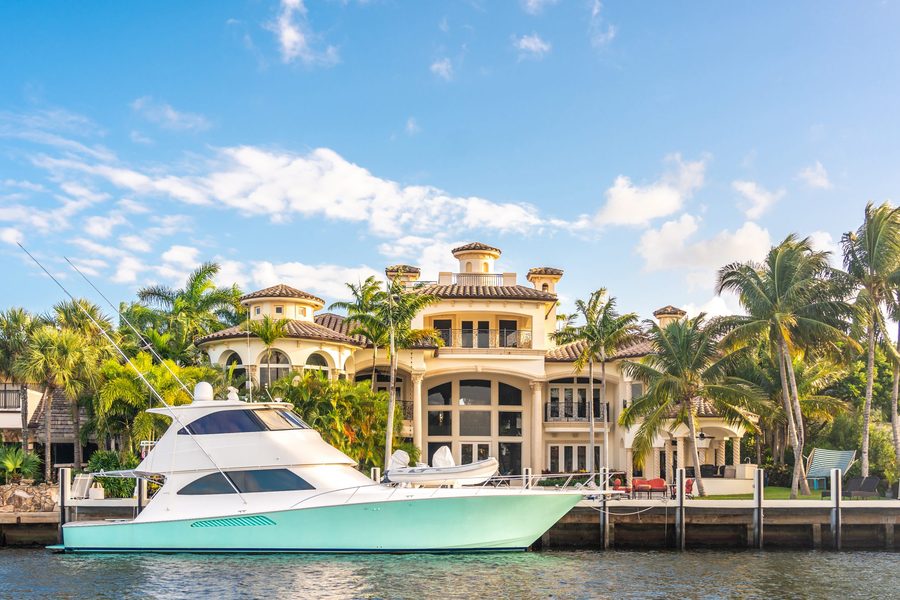
Fort Lauderdale, especially in neighborhoods like Rio Vista, Coral Ridge, Victoria Park, and the Las Olas corridor, feels like a mid-size coastal city. You can get from a waterfront home to the beach in ten minutes, to a good dinner on Las Olas Boulevard in fifteen, and to your dock in your own backyard if you’re on one of the finger islands. Traffic exists, but it’s manageable outside of rush hour and snowbird season (January through April). Wilton Manors, just north of downtown, has its own walkable strip with restaurants and a strong LGBTQ+ community that’s become one of the most sought-after small pockets in the county.
Miami is a different animal. Brickell is dense, vertical, and genuinely feels like a financial district anywhere in the world, glass towers, valet lines, a 24-hour energy. Coconut Grove and Coral Gables slow things down with tree canopy and old Mediterranean-style architecture, but you’re still inside a much bigger metro machine. Wynwood and Edgewater skew younger and more nightlife-driven. Pinecrest and Coral Gables skew older, wealthier, and more family-oriented, but at a price point that reflects it.
The honest way to put it: Fort Lauderdale is a boating and beach town that happens to have a real downtown. Miami is a global city that happens to have beaches. If you want your weekends built around a boat, paddleboard, or slower Sunday, Fort Lauderdale is going to feel like home faster. If you want your weekends built around restaurants, art, and a bigger social scene, Miami will feel more alive to you.
Cost of Living and Home Prices: What You Actually Pay in Each City
Here’s where the decision usually gets made. Numbers don’t lie, and the gap between these two markets is bigger than most people expect.
Fort Lauderdale Pricing (2026 Ballpark)
- Single-family homes citywide: roughly $625,000 to $675,000 median, with older non-waterfront neighborhoods like Poinsettia Heights or parts of Melrose Park starting closer to $450,000 to $550,000.
- Waterfront single-family (Rio Vista, Coral Ridge, Las Olas Isles): $1.5 million and up, with true deepwater dockage often pushing $2.5 million to $5 million plus.
- Downtown/Las Olas condos: $400,000 to $800,000 for a standard 2-bed, with luxury towers like Auberge Beach Residences or Icon Las Olas well above that.
- Western Broward new construction (Parkland, Coral Springs, Weston, Coconut Creek): $500,000 to $900,000 for new single-family homes, often with HOA dues of $150 to $400 a month and, in some communities, CDD fees of $2,000 to $3,500 a year layered on top. I break down exactly which new communities are worth that premium in Best New Construction Communities Near Fort Lauderdale.
Miami Pricing (2026 Ballpark)
- Miami-Dade countywide single-family median: roughly $580,000 to $620,000, but that number is dragged down by outer suburbs like Homestead and parts of Kendall.
- Coral Gables: $1.2 million and up for anything with real square footage, often $2 million-plus for the classic Mediterranean-style homes the neighborhood is known for.
- Pinecrest: $1.5 million and up, some of the best school zoning in the county, and buyers are paying directly for that zoning.
- Brickell and Downtown Miami condos: $500,000 to $900,000 for a standard unit, climbing past $1 million fast for water views or newer towers.
- Doral: the closest thing Miami-Dade has to Broward’s new-construction suburbs, $550,000 to $850,000 for new single-family and townhome product, also with HOA and sometimes CDD fees.
The takeaway: if you’re comparing like-for-like, waterfront to waterfront or new construction suburb to new construction suburb, Fort Lauderdale and its western suburbs consistently come in lower than Miami’s equivalent neighborhoods. Miami’s best school zones (Pinecrest, Coral Gables) are genuinely more expensive than Broward’s best school zones (Parkland, Weston), often by $300,000 to $500,000 for a comparable home.
Commute, Traffic, and Getting Around
This is the piece that changes people’s minds more than any other factor once they actually live it.
By car, Fort Lauderdale to Downtown Miami on I-95 is 25 to 30 miles depending on your starting point, and it can take anywhere from 30 minutes on a good midday run to over an hour during a Friday afternoon rush. I-95 through this stretch is one of the more congested corridors in the state, and it doesn’t really improve on weekends during tourist season.
Brightline changed the math here. The train runs from Fort Lauderdale’s downtown station to Miami’s MiamiCentral in about 30 minutes, with no traffic variability. A meaningful number of my clients now live in Fort Lauderdale specifically because they can Brightline into a Miami office two or three days a week and skip the highway entirely. If your job is Miami-based but flexible on where you sleep, this is the move.
Airports matter more than people think. Fort Lauderdale-Hollywood International (FLL) is smaller, faster to get through, and genuinely pleasant compared to Miami International (MIA), which is a major global hub with the delays and size that come with that. If you travel often, living near FLL is a real quality-of-life upgrade.
Within each city, Fort Lauderdale is more forgiving. Surface streets like Federal Highway, Las Olas, and Sunrise Boulevard get you around without much drama outside of peak hours. Miami’s density means more stoplights, more pedestrian and cyclist traffic to navigate, and a longer average trip even for shorter distances, especially anywhere near Brickell or South Beach.
Schools and Families: Broward vs Miami-Dade
Both counties run large public school districts, Broward County Public Schools and Miami-Dade County Public Schools, and both have standout zones and zones you’d want to avoid. The difference is where the good zones sit on the price map.
In Broward, Parkland and Coral Springs consistently produce some of the highest-rated public schools in the state, and you don’t have to pay Pinecrest-level prices to get into them. Weston is the same story, A-rated schools, master-planned neighborhoods, and pricing that’s high but still well under Miami’s equivalent zones. I go deep on the school-driven buying decision in Fort Lauderdale Schools: What Parents Need to Know Before They Buy, and if you’re weighing which suburb fits your family specifically, Where to Live in the Fort Lauderdale Area walks through it suburb by suburb.
In Miami-Dade, Pinecrest and Coral Gables are the gold standard, but you’re paying a premium specifically for that zoning, often $300,000 to $500,000 more than a comparable Broward home in a similarly rated zone. Doral has become a strong middle-ground option for Miami-based families who want newer construction and solid schools without Coral Gables pricing, similar to what Parkland or Coral Springs offers on the Broward side.
If schools are your top priority and budget is a real constraint, Broward’s western suburbs generally give you more school quality per dollar than Miami-Dade does.
Where the New Construction and Growth Is Actually Happening
New construction tells you where a market is headed, and right now Broward is building more family-oriented product while Miami-Dade’s new construction skews more vertical and urban.
Fort Lauderdale proper has limited land left for new single-family construction, most of what’s left is infill or teardown-rebuild in established neighborhoods like Victoria Park or Tarpon River. The real new construction volume is in the western suburbs, Parkland, Coral Springs, Coconut Creek, Weston, and Davie, where builders are still delivering full communities with modern floor plans, updated HOA structures, and in some cases CDD fees you need to understand before you buy. I cover what’s actually being built and what it costs in New Construction in Fort Lauderdale: What’s Being Built and What It Costs.
Miami-Dade’s growth is concentrated differently. Doral continues to expand with single-family and townhome product aimed at families priced out of Coral Gables and Pinecrest. Downtown Miami, Brickell, and Edgewater are almost entirely vertical, new condo towers, not new houses. If you want a new single-family home in Miami-Dade proper, your realistic options have narrowed to Doral, parts of Kendall, and further southwest toward Homestead, which is a longer commute back into the urban core.
If waterfront living specifically is your priority, both markets deliver it very differently and at very different price points. I break that comparison down fully in Waterfront Living in Fort Lauderdale: What It Actually Costs and How It Works.
Taxes, HOA, and the Fine Print Nobody Explains
Property tax millage rates are close between the two counties, generally in the 19 to 21 mill range depending on the specific city and special districts, but the assessed value you’re taxed on is what actually separates your bill. A $650,000 home in Fort Lauderdale and a $650,000 home in Miami will land in a similar tax range, but a $1.2 million Coral Gables home is obviously paying a much bigger annual number than the Broward equivalent, simply because the home itself costs more.
Where it gets tricky is HOA and CDD fees in newer communities, and this applies equally in both counties. A lot of new construction in western Broward (parts of Parkland and Coconut Creek especially) carries CDD fees that are separate from your HOA dues, often $2,000 to $3,500 a year, and they don’t go away, they’re a bond repayment tied to the land. Doral has similar structures in some of its newer developments. Always ask for the CDD disclosure and the HOA budget before you fall in love with a floor plan. I walk through exactly how to vet this in Best New Construction Communities Near Fort Lauderdale.
Who Fort Lauderdale Is Actually For
- Buyers who want a boat, a dock, or easy marina access without Miami Beach-level pricing.
- Families who want A-rated schools without paying Pinecrest or Coral Gables prices.
- Remote or hybrid workers who want Miami access without living in Miami traffic.
- First-time buyers looking for more house for the money. If that’s you, First-Time Buyer in Fort Lauderdale walks through what’s realistic right now.
- Investors looking for stronger cash-flow numbers relative to purchase price, which I lay out in Fort Lauderdale Investment Property: What the Numbers Look Like in 2026.
- Anyone who wants a slower daily pace without giving up beach access, good restaurants, or an international airport twenty minutes away.
Who Miami Is Actually For
- Career-driven buyers whose jobs are physically anchored in Brickell, Downtown, or Coral Gables and don’t want a commute at all.
- Buyers who want dense, walkable urban living with a genuinely global mix of people and culture.
- Anyone prioritizing nightlife, art, and a bigger restaurant and event scene over quiet and space.
- Buyers with the budget to pay for Coral Gables or Pinecrest zoning specifically, and for whom school prestige outweighs the price gap versus Broward.
- International buyers who want Miami’s name recognition and its status as a global gateway city.
My Honest Take
If you’re relocating from out of state and you’re not tied to a Miami-specific job, I steer most people toward Fort Lauderdale or its western suburbs first. You get more house, easier traffic, real boating access, and school options that don’t require a seven-figure entry price. Brightline has made the “I need to be near Miami” argument much weaker than it used to be, you can live in Fort Lauderdale and be in Brickell in half an hour without touching I-95.
That said, if your career or your identity is genuinely built around Miami’s energy, don’t force yourself into Fort Lauderdale just because the numbers are better. You’ll be fighting the city’s actual pace the whole time. The buyers who are happiest long-term are the ones who picked based on how they actually want to live, not just what pencils out on a spreadsheet.
If you’re comparing a third option too, I’ve also broken down how Fort Lauderdale stacks up against the country-club suburb further north in Fort Lauderdale vs Boca Raton, and if you want the full texture of daily life here before you decide, Life in Fort Lauderdale covers what an actual day looks like, restaurants, beach, boating, and all.
Next Step
If you’re still weighing Fort Lauderdale against Miami and want it narrowed down to your actual situation, budget, commute, schools, lifestyle, send me a message with “FTL VS MIA” and I’ll walk you through which one fits based on where you’re coming from and what you’re actually optimizing for. Most people don’t need more general information at this point, they need someone who knows both markets to tell them straight which one solves for their specific life.

More articles you might like
Where to Live in the Fort Lauderdale Area (2026): Best Suburbs by Who You Are
18 min readMoving to Fort Lauderdale: The Honest Relocation Guide for 2026
14 min readBest New Construction Communities Near Fort Lauderdale (2026): Ranked by Price and Fit
13 min readFort Lauderdale vs Boca Raton: City Life vs Country Club South Florida (2026 Guide)
13 min readLife in Fort Lauderdale: Restaurants, Beach, Boating, and What a Day Actually Looks Like
14 min read