New Construction in Fort Lauderdale: What's Being Built and What It Costs in 2026
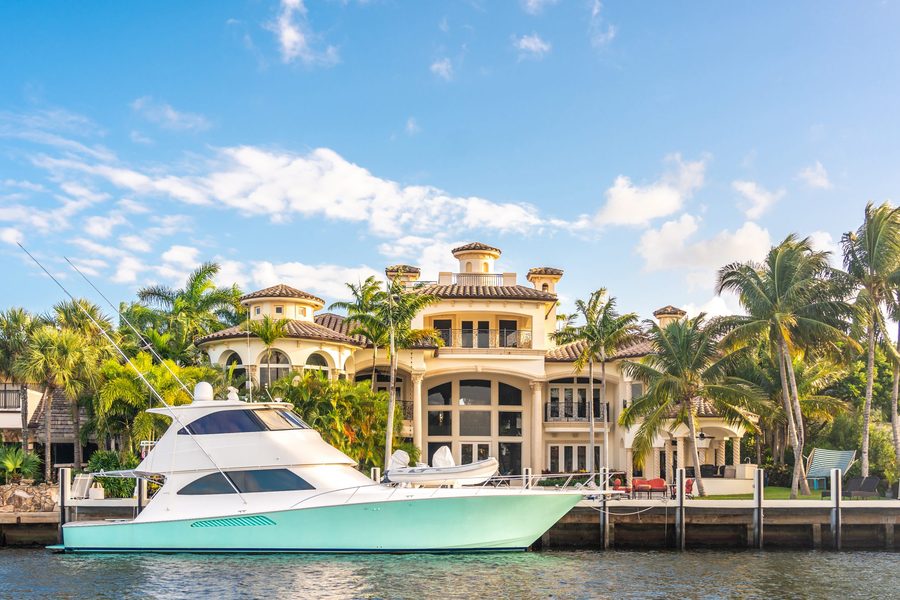
If you’re searching new construction in Fort Lauderdale, what’s being built and what it costs, here’s the honest answer before you spend a weekend touring sales centers: Fort Lauderdale the city is mostly out of land, so new construction here isn’t the sprawling single-family subdivisions you’ll find thirty minutes west. It’s condo towers downtown and along the beach, scattered infill single-family teardown-rebuilds in a handful of older neighborhoods, and a growing crop of small townhome buildings filling in odd lots. If you want a brand new single-family home on a builder warranty for under $700,000, you’re not going to find it inside Fort Lauderdale proper. That product exists, it’s just in Plantation, Davie, Coral Springs, and Parkland.
That distinction matters because a lot of buyers start their search assuming “Fort Lauderdale new construction” means the same thing as it does in Weston or Parkland. It doesn’t. What follows is a real breakdown, neighborhood by neighborhood and product by product, of what’s actually going up, who it’s for, and what it costs once you count HOA, insurance, and taxes, not just the sticker price.
New Construction in Fort Lauderdale: What’s Being Built and What It Costs
Break it into three buckets, because each one has a completely different buyer, price point, and risk profile.
Condo towers downtown and on the beach. This is where almost all of the large-scale new construction activity is. Projects like Natiivo Fort Lauderdale, Viceroy Residences, and Selene Oceanfront Residences are reshaping the skyline in Flagler Village, the downtown core, and along Las Olas Boulevard toward the beach. Prices run from the $500Ks for a studio in a flexible-use tower up to multiple millions for oceanfront units.
Boutique single-family infill. In neighborhoods that were built out decades ago with smaller homes on good lots, teardown-and-rebuild has become the main form of “new construction” you’ll find with a yard attached. Think Rio Vista, Colee Hammock, Victoria Park, Poinsettia Heights, Middle River Terrace, Tarpon River, and Sailboat Bend. These are one-off or small-batch spec builds, not a subdivision with a sales office, and they price accordingly, often $1.5 million and up depending on lot size and waterfront access.
Small-scale townhome buildings. Fill-in townhome projects of anywhere from six to twenty units are showing up on odd commercial or vacant parcels around the city, particularly near the Powerline Road corridor, Flagler Village, and pockets of Melrose Park and Croissant Park. These sit in a useful middle price band between the condo towers and the infill single-family homes.
If none of these three buckets match what you’re picturing (a new house, a yard, a two-car garage, an HOA under $150 a month) you’re not wrong to want that. You just need to widen your search radius. That’s exactly what Best New Construction Communities Near Fort Lauderdale (2026): Ranked by Price and Fit is built to solve, it ranks the actual production-builder communities within a reasonable commute of the city.
Downtown and Flagler Village: The Condo Tower Boom
Flagler Village and the downtown core are where the crane count is highest right now. This is the arts-district-turned-high-rise-neighborhood just north and west of Las Olas, and it’s absorbed most of Fort Lauderdale’s vertical growth over the last several years.
Natiivo Fort Lauderdale is the one to know if flexibility matters to you. It’s a four-story tower specifically designed and licensed to allow short-term rentals and homesharing, which is unusual, most Fort Lauderdale condo associations either restrict rentals outright or require six-to-twelve-month minimum leases. Natiivo’s studios to three-bedroom layouts start in the $500Ks, and it’s aimed squarely at investment buyers who want to capture tourism and business-travel demand without fighting an association’s rental rules. If your plan is owner-occupancy with the occasional rental income on the side, read the association documents closely, this is one of the few towers where that model is actually built into the zoning.
Viceroy Residences Fort Lauderdale, rising above Las Olas Boulevard and Flagler Village, is playing in a different league entirely. It’s a hospitality-branded luxury tower slated for delivery around 2028, with resort-scale amenities including an elevated pool deck with cabanas, a fitness hub, and a grand porte-cochère entry, and it’s zoned into the Viceroy hospitality network. Pricing here starts well above $1 million. This is a long-hold presale, not a quick flip, and buyers need to be comfortable with a multi-year construction timeline before occupancy.
Both of these towers illustrate something worth saying plainly: a lot of what gets marketed as “downtown Fort Lauderdale new construction” is actually a rental apartment building, not something you can buy a unit in. Before you get attached to a project, confirm it’s condo-for-sale and not multifamily-for-lease. Sales centers don’t always make that obvious on the first visit.
Las Olas and the Beach Corridor: Where the Real Money Is
Move east toward the water and pricing changes fast. Selene Oceanfront Residences, developed by Kolter Urban, is the marquee oceanfront presale on this stretch, targeting delivery in the back half of this decade. Oceanfront land in Fort Lauderdale is genuinely scarce, so anything new on the sand carries a premium over comparable inland product, and buyers here are largely second-home owners and downsizing empty-nesters rather than primary-residence families.
If you’re comparing this corridor to a similar beach lifestyle without the presale price tag, it’s worth reading Waterfront Living in Fort Lauderdale: What It Actually Costs and How It Works before you commit deposit money. New construction oceanfront and resale waterfront solve different problems, and the cost gap between them is bigger than most buyers expect going in.
Single-Family New Construction Inside the City: Infill, Not Subdivisions
Here’s where I want to be direct, because this is the part buyers get wrong most often. If your mental image of “new construction” is a builder’s model home, a paved cul-de-sac, and a sales office with a sign-in iPad, that experience mostly doesn’t exist inside Fort Lauderdale city limits anymore. What you’ll find instead is infill: a builder or investor buys an older, smaller home on a good lot, tears it down, and puts up a modern two-story spec house.
This happens most consistently in a specific set of neighborhoods:
- Rio Vista, east of the Andrews Avenue corridor near the New River, where waterfront and near-waterfront teardowns regularly rebuild into $2 million to $4 million-plus modern homes.
- Colee Hammock, tucked between Las Olas and the Intracoastal, similar story, similar price range.
- Victoria Park, closer to downtown, walkable to Las Olas, where infill spec homes tend to land in the $1.5 million to $2.5 million range on smaller lots.
- Poinsettia Heights and Middle River Terrace, both north of downtown along the river, currently in transition, with new construction pricing noticeably below Rio Vista and Victoria Park while the neighborhoods finish gentrifying.
- Sailboat Bend and Tarpon River, just southwest of downtown, historic and walkable, with a smaller but steady flow of new builds.
None of these come with an HOA in the traditional sense, most are older platted neighborhoods without a homeowners association at all, which means no monthly HOA dues but also no shared amenities and no architectural review board smoothing out what your neighbor decides to build next door. What you will pay is Broward County and City of Fort Lauderdale property tax, which runs close to 2% of assessed value annually, and homeowners insurance that reflects flood zone and wind exposure this close to the coast, often the single biggest surprise line item for buyers moving from inland markets.
If this is your first purchase and $1.5 million-plus infill sounds out of reach, it should, that’s not a starter-home budget. Read First-Time Buyer in Fort Lauderdale: Is It Realistic and Where Do You Start? for where entry-level actually sits in this market and which nearby suburbs put new construction within reach on a normal income.
Townhomes: The Product Filling the Gap
Between the seven-figure infill homes and the condo towers, small townhome buildings are quietly becoming the most practical new construction option inside the city. These are typically six to twenty unit buildings going up on infill commercial or vacant parcels, concentrated around the Powerline Road corridor, parts of Flagler Village, and pockets of Melrose Park and Croissant Park.
Pricing generally lands in the high $400Ks to low $700Ks depending on square footage and proximity to downtown, with a small HOA covering exterior maintenance, roof, and often a shared pool or courtyard. For a buyer who wants new construction, a garage, and a real address inside the city without the condo tower price tag or the infill teardown price tag, this is usually the answer, if you can find one under construction when you’re actually shopping. Inventory here is thin and turns over fast because there’s real demand and not much supply.
Why the Big Builder Communities Are West of the City
This is the honest part of the conversation most agents skip. If you want a production builder like Lennar, a real model home row, a floor plan you pick from a catalog, and a price under $700,000, that product is not going up in Fort Lauderdale. It’s going up in the suburbs that make up the greater Fort Lauderdale metro, communities like Cascata, the Mainstreet collection from Lennar, Altessa, and Merrick Square, spread across Plantation, Davie, Coral Springs, and Parkland.
These communities typically do carry an HOA, often $150 to $400 a month depending on amenities, and some carry a CDD (Community Development District) assessment on top of that if the community was built on land that required new infrastructure, roads, drainage, sometimes a clubhouse or amenity center financed through the district. CDD fees are essentially a second, smaller property tax line that pays off that infrastructure bond over 20 to 30 years, and they matter because they don’t show up on the sticker price, only on the closing disclosure and the tax bill. Always ask for the CDD payoff schedule before you fall in love with a floor plan.
For a full breakdown of which of these western communities fit which kind of buyer, whether you’re chasing top-rated schools, more house for the money, or a shorter commute, Where to Live in the Fort Lauderdale Area (2026): Best Suburbs by Who You Are walks through the tradeoffs suburb by suburb, and Best New Construction Communities Near Fort Lauderdale (2026): Ranked by Price and Fit ranks the actual communities by price point.
What New Construction Actually Costs (Beyond the Sticker Price)
The purchase price is the number that gets marketed. It’s rarely the number that determines whether the home fits your budget. Here’s what to actually underwrite:
HOA fees. Downtown condo towers with resort-style amenities run meaningfully higher than a garden-style suburban HOA, often $0.80 to $1.50 or more per square foot per month once you include staffing, insurance, and reserves. A one-bedroom in a tower like Natiivo or Viceroy can easily carry an $800 to $1,500 monthly HOA payment on top of the mortgage. Suburban single-family HOAs in the western new construction communities are far lighter, usually $150 to $400 a month.
CDD assessments. Common in the western production-builder communities, rare to nonexistent in Fort Lauderdale city infill and downtown towers. Ask specifically whether it’s still being paid off and what the annual amount is, it’s separate from your HOA and separate from your property tax bill, but it shows up on both your closing costs and your annual tax statement.
Insurance. This is the line item catching the most buyers off guard in 2026. Florida condo buildings now require Structural Integrity Reserve Studies (SIRS) and stronger reserve funding following the Surfside collapse and the state’s subsequent legislation, which pushes HOA dues and special assessment risk higher on older buildings, and pushes insurance premiums higher across the board, new construction included. Coastal wind and flood exposure adds another layer on top of that for anything east of Federal Highway. Get a real insurance quote before you’re under contract, not after.
Property taxes. Broward County property tax runs close to 2% of assessed value annually across Fort Lauderdale, and a newly built home or condo typically gets reassessed at or near its purchase price in the following tax year, which is often a jump from what the developer estimated during presale marketing. Budget for the higher number, not the marketing number.
Presale deposit structure. If you’re buying pre-construction in a tower like Viceroy or Selene, expect deposit schedules in the 20% to 50% range paid in installments tied to construction milestones, not a single deposit at signing. That capital is tied up, sometimes for years, before you close, so factor the opportunity cost and the construction-timeline risk into your decision, not just the eventual purchase price.
If you’re weighing whether any of this pencils as an investment rather than a place to live, Fort Lauderdale Investment Property: What the Numbers Look Like in 2026 runs the actual rental math against these price points.
Presale vs. Under Construction vs. Move-In Ready
These three stages carry very different levels of risk and very different pricing, and builders don’t always explain the difference clearly.
Presale means you’re buying based on renderings and a floor plan before the building exists. Pricing is usually lowest here, but so is certainty, delivery dates slip, and the finished product can differ from the marketing in small but real ways. Deposits are largest at this stage relative to what you’re actually buying.
Under construction means the project is underway and you can often walk the site or see a model unit in a completed portion of the building. Pricing has usually moved up from initial presale numbers, but you’re buying something more real, with a firmer delivery timeline and less speculative risk.
Move-in ready (or “quick delivery” in builder language) means the home or unit is finished or nearly finished. You pay the highest price per square foot at this stage, but you eliminate almost all construction and timeline risk, and in a rate environment where holding costs and uncertainty matter, that premium is sometimes worth paying.
Know which stage you’re buying into before you sign anything, and understand that the deposit and cancellation terms are completely different at each stage.
Who Should Actually Buy New Construction in Fort Lauderdale
New construction fits a narrower buyer than the marketing suggests. It makes sense if you want a warrantied home or unit with no deferred maintenance, you’re comfortable paying a premium for that certainty, and your lifestyle actually matches what’s available, downtown walkable condo living, oceanfront second-home ownership, or a teardown-rebuild budget north of $1.5 million.
It makes less sense if you’re picturing a traditional single-family neighborhood on a builder’s payment plan under $700,000, that product is real, it’s just not inside Fort Lauderdale, it’s in the suburbs feeding this metro. And if lifestyle is driving the decision as much as the home itself, it’s worth reading how daily life actually plays out here first, in Life in Fort Lauderdale: Restaurants, Beach, Boating, and What a Day Actually Looks Like, and if schools factor into your decision at all, Fort Lauderdale Schools: What Parents Need to Know Before They Buy is worth reading before you fall in love with a floor plan in a school zone that doesn’t fit.
One more thing worth knowing before you walk into any sales center: on new construction, the builder pays your agent’s commission, not you. It costs you nothing to have representation, but you have to register your agent before or during your first visit, otherwise the builder has no obligation to pay them and you’re negotiating price, upgrades, and closing costs alone against a team that negotiates for a living every day. If you’re comparing towers, infill lots, or western suburb communities and want an honest read on which one actually fits your budget and your life, reach out before your first tour. It costs nothing, and it’s the difference between someone in your corner and going in blind.

More articles you might like
Best New Construction Communities Near Fort Lauderdale (2026): Ranked by Price and Fit
13 min readWhere to Live in the Fort Lauderdale Area (2026): Best Suburbs by Who You Are
18 min readFort Lauderdale vs Boca Raton: City Life vs Country Club South Florida (2026 Guide)
13 min readFort Lauderdale vs. Miami: Which One Is Actually Right for You?
13 min readLife in Fort Lauderdale: Restaurants, Beach, Boating, and What a Day Actually Looks Like
14 min read