Life in Fort Lauderdale: Restaurants, Beach, Boating, and What a Day Actually Looks Like
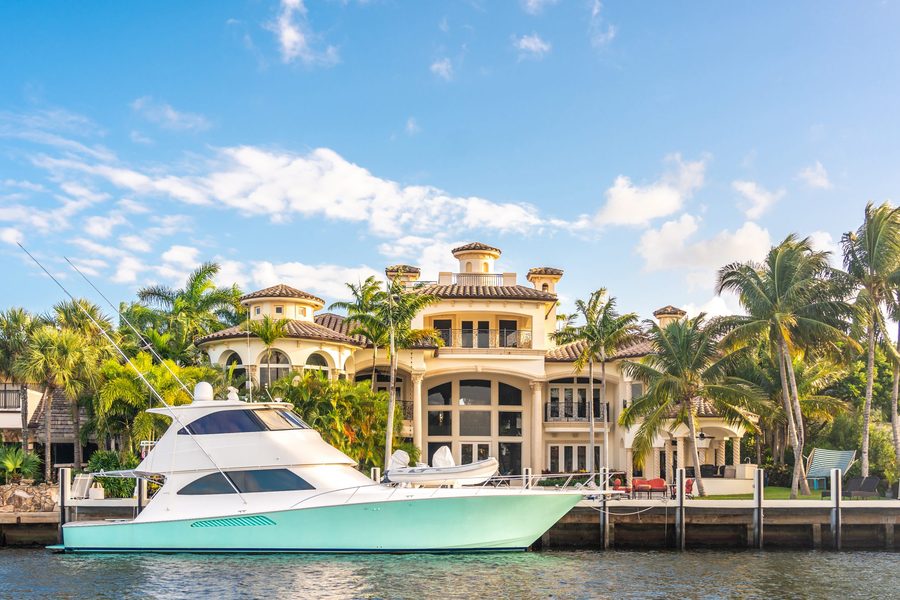
Life in Fort Lauderdale restaurants, beach, boating, and what a day actually looks like comes down to one thing most transplants don’t understand until they’ve lived here a few months: the water runs your schedule, not the beach. People move here picturing sand and sun. What they actually get, if they buy in the right pocket, is a life organized around canals, the New River, and roughly 300 miles of navigable waterway that touches almost everything you do, from where you eat brunch to how long it takes to get to work.
I was born and raised in this area. I’ve watched people move here for the beach and end up living for the boat traffic on a Sunday afternoon instead. So let’s walk through what a real day looks like here, what it costs, and where the lifestyle actually delivers versus where it’s just marketing.
What a Typical Day in Fort Lauderdale Actually Looks Like
Here’s the honest version, not the postcard version.
Morning. If you live east of Federal Highway, in Victoria Park, Colee Hammock, or Rio Vista, your morning probably starts with coffee at a local spot, then either a walk along the Riverwalk or a short drive to the beach for a sunrise swim before the parking gets tight. If you live west, in areas like Plantation or Weston, your morning is a drive. That’s the split almost nobody explains up front: Fort Lauderdale “lifestyle” content is filmed in a five-square-mile core, and most of the metro doesn’t live inside it.
Midday. Work happens, obviously, but South Florida runs on a flexible midday culture. Lunch on Las Olas Boulevard is common if you work downtown or in the FAT Village / Flagler Village area. If you’re remote, which a huge share of relocators are, midday is when people squeeze in a boat run or a beach hour because the crowds thin out between noon and 3pm on weekdays.
Afternoon. This is boating time. Weekday afternoons on the New River and the Intracoastal are quieter, which is when locals who own boats actually use them, not weekends. Weekends are for visitors and rentals. If you live on a canal in Rio Vista, Idlewyld, or Coral Ridge, you’ll notice boat traffic peaks around 4 to 7pm as people head out for a sunset cruise up to the Hillsboro Inlet or down toward Port Everglades.
Evening. Dinner is where Fort Lauderdale actually shows its personality. Las Olas and Himmarshee Village carry the weeknight and weekend dinner crowd. Wilton Drive in Wilton Manors carries a different, more neighborhood-bar energy. And if you’re near the beach, A1A restaurants lean more tourist-priced, which locals know to avoid on a Friday night.
That’s the rhythm. Water in the afternoon, food in the evening, and a real gap between how the “east side” and “west side” of the metro experience all of it. If you haven’t picked your suburb yet, Where to Live in the Fort Lauderdale Area (2026): Best Suburbs by Who You Are breaks down exactly which pocket matches which lifestyle, because the town you pick determines whether this daily rhythm is a five minute walk or a 25 minute drive.
The Restaurant Scene: Las Olas, Himmarshee, and Beyond
Las Olas Boulevard is still the anchor of Fort Lauderdale’s food identity, and it earns that reputation. Louie Bossi’s Ristorante brings a genuine Italian, wood fired energy with a sidewalk scene that runs late. Casa D’Angelo is the more formal, special occasion Italian option a few blocks off the main strip. YOLO and Grille on Las Olas both lean into the see and be seen crowd, patio seating, good happy hour, but expect valet lines on weekend nights.
What most content won’t tell you: Las Olas is priced for tourists and special occasions, not Tuesday dinner. A couple can easily spend $150 to $200 for dinner and drinks at the sit-down spots on the boulevard. Locals who live in Victoria Park or Colee Hammock treat Las Olas as the “date night” strip, not the everyday one.
For everyday, Himmarshee Village (technically part of downtown, just west of Las Olas) is where the real local nightlife and casual dinner crowd goes. It’s walkable, it’s got a mix of breweries, tapas spots, and late night bars, and prices run noticeably lower than a block away on Las Olas itself.
Wilton Drive in Wilton Manors is its own category entirely. It’s one of the most recognized LGBTQ-plus cultural corridors in the country, genuinely walkable, and packed with local restaurants and bars that don’t feel like tourist traps. If you want a neighborhood where you can walk to dinner five nights a week without getting in a car, Wilton Drive delivers that in a way Las Olas, despite the hype, mostly doesn’t for full-time residents.
Beyond those two corridors, the food scene spreads into pockets locals actually use weekly: Lauderdale-by-the-Sea and its low-key seafood spots, the Tarpon River / Rio Vista fringe with newer chef-driven restaurants, and the FAT Village Arts District, which runs a monthly art walk with food trucks and independent restaurants that’s genuinely different from the Las Olas crowd.
The Honest Take on Restaurant Pricing
Expect $18 to $32 entrees at the mid-tier spots, $40+ at the special occasion places, and a genuine, cheaper local layer if you know Himmarshee, Wilton Drive, and the neighborhood spots off the main corridors. If every meal out is on Las Olas or A1A, your food budget will run higher than it needs to.
Beach Life: Fort Lauderdale Beach vs. the Rest of the Coastline
Fort Lauderdale Beach, centered around Las Olas Oceanside Park and the beachfront promenade along A1A, is wide, clean, and genuinely walkable to restaurants and shops, which sets it apart from a lot of South Florida beach towns where the beach and the town are disconnected. Parking is the real friction point. Metered lots fill fast on weekends, and locals either walk, bike, or park a few blocks inland and hoof it.
If you want a quieter version of the same coastline, Lauderdale-by-the-Sea, just north, has a smaller town beach feel with a fishing pier and a lower key crowd. It’s popular with retirees and people who want beach access without the downtown energy.
Here’s the part relocators get wrong constantly: they assume “Fort Lauderdale” means beachfront living. Most of the metro’s best neighborhoods, the ones with the strongest schools and the most livable day to day setup, are a 10 to 20 minute drive from the sand, not steps from it. Beachfront condos and homes carry a real premium, and the tradeoff is worth understanding honestly. If waterfront access is the priority but oceanfront pricing isn’t in the budget, canal and Intracoastal adjacent living gets you most of the water lifestyle at a fraction of direct beachfront cost, which is exactly what Waterfront Living in Fort Lauderdale: What It Actually Costs and How It Works walks through in detail.
Boating and the Waterways: Why They Call It the Venice of America
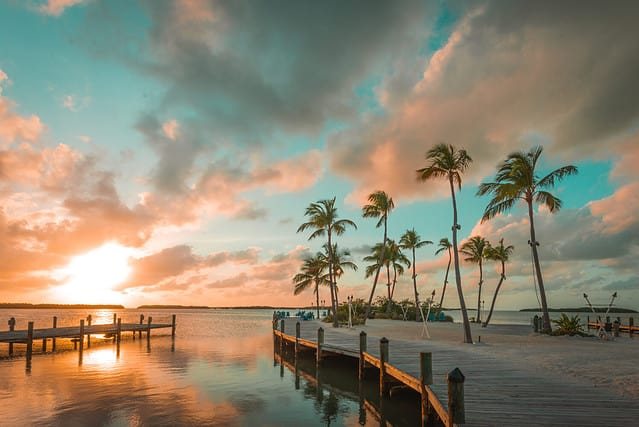
This is the part of Fort Lauderdale life that genuinely can’t be replicated in most of the country. With over 300 miles of navigable waterways, Fort Lauderdale earned the “Venice of America” nickname honestly, and it’s not just a slogan for tourism boards. The New River winds through downtown, connecting to the Intracoastal Waterway, which runs the length of the coast and gives direct or near direct ocean access to homes throughout Rio Vista, Idlewyld, Coral Ridge, Sunrise Intracoastal, and Las Olas Isles.
For homeowners with deeded dockage, a typical weekday routine might mean pulling the boat out after work, cruising the New River past downtown, and either heading out an inlet (Port Everglades or Hillsboro) for open water, or just staying inside the Intracoastal for a slower, no permit needed sunset cruise. Weekend mornings bring fishing traffic heading offshore. Weekend afternoons bring the sandbar crowds near Whiskey Creek and the Las Olas anchorage.
You don’t need to own a boat to participate. Freedom Boat Club and similar membership clubs let residents access a fleet without ownership costs, and daily rental outfits along the New River and Intracoastal make a one off day on the water realistic for $400 to $900 depending on boat size and season. Every November, the Winterfest Boat Parade turns the Intracoastal into a spectator event that draws over a million people to the seawalls and bridges, one of the clearest examples of how central boating culture is to the city’s identity, not a side hobby.
What Waterfront Access Actually Costs
Single family waterfront homes with deeded dockage in Rio Vista and Las Olas Isles typically run from $1.5 million into the $5 million plus range depending on frontage and dock depth (deep water for larger vessels commands a real premium). Victoria Park and Colee Hammock, both close to but not directly on the water, run $800,000 to $1.8 million and put you a five to ten minute walk or bike ride from the New River. Wilton Manors, wrapped by the Middle River, runs $750,000 into the $1.8 million range for single family, with a newer option in Altessa at Wilton Manors by Lennar, gated townhomes with rooftop terraces, priced roughly $793,000 to just over $1 million, giving buyers a new construction path into a walkable, water adjacent neighborhood without the older home maintenance load.
For people priced out of direct waterfront but unwilling to give up the lifestyle entirely, east side condos starting in the $300,000s put you within a short walk or drive of the Intracoastal and downtown marinas, which is a genuinely reachable entry point most relocators don’t realize exists until they’ve done the research.
The Neighborhoods That Actually Shape This Lifestyle
The Fort Lauderdale lifestyle described above isn’t uniform across the metro, and that’s the single biggest misconception out of state buyers bring with them. “Fort Lauderdale” gets used to mean the whole area, but the restaurant walkability, the boating access, and the beach proximity described in this piece are concentrated in a specific band of neighborhoods: downtown, Las Olas, Victoria Park, Colee Hammock, Rio Vista, Coral Ridge, Wilton Manors, and the immediate beach corridor.
Move west into Plantation, Weston, Davie, or Tamarac, and you get a completely different daily rhythm, more space, better lot sizes in some pockets, but a real drive to everything covered in this article. Neither is wrong. They’re different lives. If you’re comparing Fort Lauderdale’s urban, water centric lifestyle against a more suburban or country club alternative, Fort Lauderdale vs Boca Raton: City Life vs Country Club South Florida lays out that tradeoff directly, and if Miami is also on your shortlist, Fort Lauderdale vs. Miami: Which One Is Actually Right for You? covers the pace and cost differences that actually matter day to day.
For buyers who want the lifestyle described here but in a new build home rather than an older canal house needing seawall and dock updates, New Construction in Fort Lauderdale: What’s Being Built and What It Costs and Best New Construction Communities Near Fort Lauderdale (2026): Ranked by Price and Fit both go deeper into where the current building activity is concentrated and what it actually costs to buy new instead of renovating an older waterfront property.
Getting Around: The Traffic Reality Nobody Puts in the Brochure
Federal Highway (US-1) is the main north south spine through the east side and it moves slowly at almost any hour, especially where it crosses the New River near downtown and where drawbridges open for boat traffic. A1A along the beach is scenic but slow by design, two lanes, constant pedestrian crossings, and seasonal congestion. Sunrise Boulevard and Las Olas Boulevard both serve as the main causeways connecting the mainland to the beach, and both back up hard on weekend evenings.
I-95 and 595 handle the west to east commute for anyone living in Plantation, Sunrise, or further west and working downtown or near the beach, and that drive genuinely runs 25 to 45 minutes at peak hours depending on the exit. If your daily life is meant to include the restaurant, beach, and boating rhythm described here, living east of I-95, ideally east of Federal Highway, is what actually makes it a daily reality instead of a weekend event.
What This Lifestyle Actually Costs Over a Month
Here’s a realistic monthly picture for a couple living the described lifestyle from a Victoria Park or Coral Ridge home, not a downtown high rise, not a Rio Vista mansion:
- Dining out 2 to 3 times a week, mixing Himmarshee and Las Olas: roughly $500 to $800/month
- Beach parking and incidentals: $50 to $100/month
- Boat club membership (if not owning): $300 to $500/month, versus boat ownership carrying costs (insurance, dockage, maintenance) that typically run $500 to $1,500/month depending on size
- HOA or condo association dues, if applicable: waterfront condo buildings commonly run $600 to $1,200/month; single family HOAs in these neighborhoods are often minimal or nonexistent, since most of these are older, established neighborhoods without the CDD structures you’ll find in newer western Broward developments
That last point matters for relocators coming from areas with heavy HOA control. The classic Fort Lauderdale east side neighborhoods (Rio Vista, Colee Hammock, Victoria Park, Coral Ridge) are largely non-gated, low HOA or no HOA single family streets. The HOA and CDD fees people worry about are much more common in the western new construction communities, not in the walkable, water access core this article is about.
Who This Life Actually Fits, and Who It Doesn’t
This lifestyle fits people who want an active, social, water oriented daily routine and are willing to pay a real premium, in home price and in traffic patience, for proximity. It fits young professionals and couples who want walkability and nightlife (Fort Lauderdale proper or Wilton Manors), and it fits retirees and boaters who’ve planned their finances around waterfront access for years.
It does not fit people who want to drive five minutes to a big box store and back without traffic, and it does not fit families chasing the biggest possible house for the smallest possible price. Inventory in the walkable, water access neighborhoods is thin because turnover is low, people who get in here tend to stay, and a meaningful share of the housing stock dates from the 1980s through 2000s, meaning updates and renovation budgets should be part of the plan, not an afterthought.
If you’re weighing whether this is the right entry point into South Florida at all versus building generational equity somewhere with lower carrying costs, it’s worth reading how the numbers actually pencil out before committing, which is covered in Fort Lauderdale Investment Property: What the Numbers Look Like in 2026 and, for buyers just starting out, First-Time Buyer in Fort Lauderdale: Is It Realistic and Where Do You Start?.
The Bottom Line
Life in Fort Lauderdale restaurants, beach, boating, and what a day actually looks like isn’t a single lifestyle, it’s a handful of very different daily routines depending on which few square miles you buy into. Get east of Federal Highway, close to the New River or the Intracoastal, and you get the version people picture when they imagine Fort Lauderdale: boats on a Tuesday afternoon, dinner in Himmarshee on a Thursday, beach mornings on the weekend. Buy west of I-95 without accounting for that, and you’ll spend more time driving to that lifestyle than living in it.
The honest advice: figure out how much of this daily rhythm you actually want access to, then let that number, not the listing photos, decide which suburb and which price band you’re really shopping in.
Watch: learn more
Go deeper with my South Florida Insider videos.

The Best Flex-Space Townhome in West Palm Beach: Pulte's Nautical Plan
Inside Everton's Latitude II Model: $458k New Homes In Palm Beach
The Best Flex-Space Townhome in West Palm Beach: Pulte's Nautical Plan
More articles you might like
Waterfront Living in Fort Lauderdale: What It Actually Costs and How It Works
18 min readBest New Construction Communities Near Fort Lauderdale (2026): Ranked by Price and Fit
13 min readWhere to Live in the Fort Lauderdale Area (2026): Best Suburbs by Who You Are
18 min readFort Lauderdale vs Boca Raton: City Life vs Country Club South Florida (2026 Guide)
13 min readFort Lauderdale vs. Miami: Which One Is Actually Right for You?
13 min read