Where to Live in the Fort Lauderdale Area (2026): Best Suburbs by Who You Are
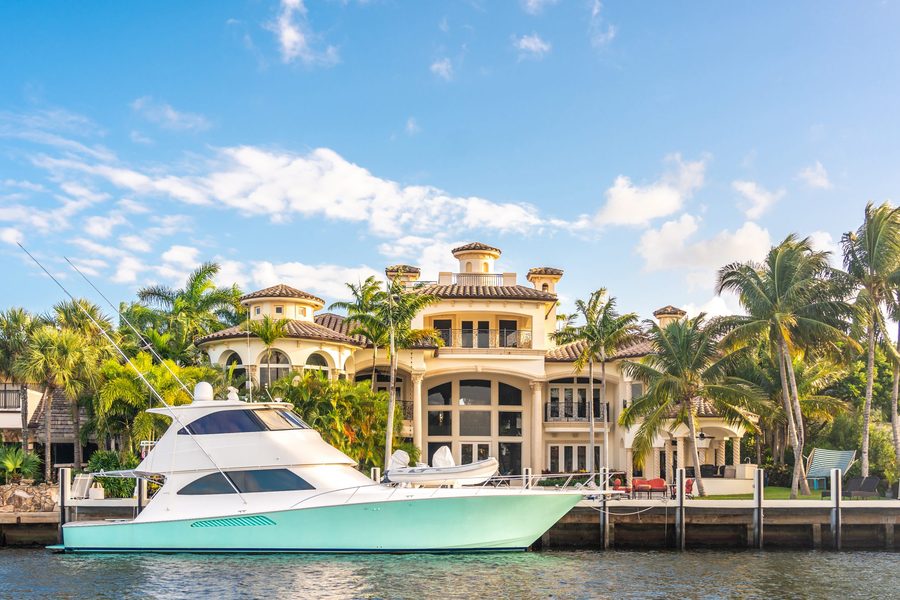
Fort Lauderdale isn’t one place, and treating it like one is the single biggest mistake I see relocation buyers make. If you’re searching for where to live in the Fort Lauderdale area in 2026, the honest answer is that “Fort Lauderdale” is a metro made up of a dozen very different towns, and the right one depends entirely on who you are: your family situation, your budget, your commute, and what you actually want your Tuesday night to look like. This guide breaks down where to live in the Fort Lauderdale area in 2026, best suburbs by who you are, with real prices, real schools, and where the new construction actually is, not a generic “South Florida has great weather” puff piece.
I’ve lived and worked this market my whole career. I get some version of the same question every week from a relocation buyer: “Just tell me where to live.” There isn’t one answer. A single dad moving for a hospital job in Plantation General has a completely different right answer than a family of five chasing Marjory Stoneman Douglas zoning, and both of them have a different right answer than a 28-year-old who wants to walk to dinner on Las Olas. Every town below gets the same honest treatment: what it costs, who it’s actually for, and what nobody tells you about the monthly bill until after you’ve closed.
Best Schools, Top Dollar: Parkland and Weston
If school district is your number one filter, this is where the search starts and often ends.
Parkland sits in the northwest corner of Broward County, feeding into Marjory Stoneman Douglas High School, consistently one of the top-rated public high schools in the state. Homes here skew newer, lot sizes are bigger than almost anywhere else in Broward, and the town enforces strict architectural standards through its HOAs, meaning you won’t see mismatched paint colors or a boat parked in a driveway for six months. Expect median prices in the $850,000 to $1.2 million range for single-family homes, with new construction starting closer to $700,000 for townhomes and climbing well past $1.5 million for estate lots in communities like Parkland Golf & Country Club or Cascata. Commute is the tradeoff: Parkland sits well off I-95, and getting downtown or to the airport during rush hour usually means 40 to 50 minutes via the Sawgrass Expressway or Coral Ridge Drive, longer if you’re commuting into Miami-Dade.
Weston, on the far southwest side near the Everglades, is Parkland’s counterpart. It’s planned, manicured, and built around Cypress Bay High School, another top performer. Weston runs $750,000 to $1.1 million for a typical single-family home, with condos and townhomes available from the mid-$400,000s in developments like Weston Hills or Bonaventure-adjacent areas. Weston has the advantage of I-75 access, which makes it a genuinely workable commute for anyone heading toward the western reaches of Miami-Dade or Doral, something Parkland can’t offer as cleanly. Both towns share one thing renters and out-of-state buyers underestimate: CDD fees. Community Development District fees are separate from HOA dues, they fund infrastructure like roads and drainage, and they can add $1,500 to $3,000 a year on top of your HOA. Nobody mentions this until the closing disclosure. Ask about it before you fall in love with a floor plan.
I had a family relocating from New Jersey last year set on Parkland purely because a coworker mentioned it. Once we ran the actual numbers, a $950,000 four-bedroom with a $280 monthly HOA and a $2,100 annual CDD fee, against a comparable Weston home with lower CDD exposure and a shorter I-75 commute, they ended up in Weston. Same school quality, better fit for their actual commute. That’s the exercise every buyer in this bracket needs to run before assuming Parkland is automatically the answer.
If schools are non-negotiable and budget allows, this pairing is the answer. For a deeper look at what a Fort Lauderdale-area lifestyle actually looks like day to day, including where these towns fit relative to the beach and downtown, see Life in Fort Lauderdale: Restaurants, Beach, Boating, and What a Day Actually Looks Like.
Great Schools, Better Value: Coral Springs and Coconut Creek
Not everyone needs the top 1 percent of school ratings. Most families need good schools, safe streets, and a mortgage payment that doesn’t eat their whole paycheck. That’s Coral Springs and Coconut Creek.
Coral Springs has been a stable, well-run suburb for decades. It’s got its own hospital system, a walkable downtown area around Coral Springs Drive, and school zoning that consistently lands in the A and B range without Parkland or Weston pricing. Median single-family prices run $500,000 to $650,000, with older ranch-style homes from the 1980s and 90s available under $450,000 if you’re willing to renovate. Neighborhoods like Eagle Trace and Turtle Run carry a slightly higher price tag for better lot sizes and mature landscaping, while the areas closer to University Drive and Wiles Road skew more affordable and more dated.
Coconut Creek, just southeast of Coral Springs, is quieter and greener, literally: it’s known as the “Butterfly Capital” for its landscaping ordinances and tree canopy. Prices run slightly lower than Coral Springs, typically $450,000 to $575,000, with established neighborhoods like Winston Park offering solid value on larger lots. There’s meaningful new construction activity in this corridor right now, including communities like Mainstreet and Altessa that bring modern floor plans, impact windows, and lower insurance premiums to a town that was mostly built out in the 90s and 2000s. Both towns sit within a reasonable 20 to 25 minute shot of the Sawgrass Mills retail corridor and the Sawgrass Expressway, which matters more than people think once you’re doing daycare pickup on a schedule.
This pairing is who I point most young families to when they tell me “we want good schools but we’re not trying to spend Weston money.” For the full rundown of what’s actively being built in this price band, Best New Construction Communities Near Fort Lauderdale (2026): Ranked by Price and Fit breaks it down community by community.
Classic Family Suburbs: Pembroke Pines and Cooper City
South of the city, closer to the Miami-Dade line, you land in the classic South Florida family suburb zone.
Pembroke Pines is one of Broward’s largest cities by population, with a wide range of housing stock from 1990s single-family neighborhoods to newer construction in the western reaches near Pembroke Falls and Chapel Trail. Median prices sit around $525,000 to $675,000. It’s diverse, dense with amenities (shopping, parks, the Grand Palms area), and functional rather than flashy. Communities like Silver Lakes and Embassy Lakes offer a lot of home for the money if you don’t need a brand-new build, and the western edge near Chapel Trail puts you closer to I-75 for anyone commuting toward Miami-Dade.
Cooper City is smaller, quieter, and has built a reputation as one of the safest, most tightly zoned family towns in the county. It doesn’t have Pembroke Pines’ commercial density, and that’s the point for a lot of buyers, fewer strip malls, more cul-de-sacs. Prices run higher than Pembroke Pines, typically $600,000 to $800,000, reflecting the smaller inventory and consistent demand from families who grew up there and want to raise kids the same way. Newer product in communities like Monterra and Estancia has pushed the ceiling up further, with some executive homes clearing $900,000.
Both towns work well if your priority is stability and community over walkability or nightlife. If you’re weighing this family-suburb profile against a totally different lifestyle further north, Fort Lauderdale vs Boca Raton: City Life vs Country Club South Florida is a useful comparison for buyers still deciding on the whole region, not just the suburb.
Walkable City Living: Fort Lauderdale and Wilton Manors
If you don’t have kids in the local school system, or you’re prioritizing lifestyle over school rating, the calculus flips entirely.
Fort Lauderdale proper, especially neighborhoods like Victoria Park, Flagler Village, and the Riverside/Colee Hammock pockets near downtown, gives you walkability, restaurants, the beach within a 10 to 15 minute drive, and boating access if that’s your thing. Condos start in the $350,000 to $450,000 range downtown, single-family homes in the walkable core run $650,000 to $1 million-plus, and true waterfront with dockage in areas like Rio Vista or the Isles climbs well past that, often into seven figures before you’ve touched the seawall repair estimate. This is a renter-heavy, younger-professional, empty-nester, or investor-buyer market more than a school-zoning market, and it’s worth knowing that a large share of buyers here are trading square footage for location and lifestyle on purpose.
Wilton Manors, immediately north of downtown, is smaller, LGBTQ-friendly and known for it, and has one of the most walkable main streets (Wilton Drive) in the county. Prices run $550,000 to $750,000 for single-family homes, generally smaller lots than the suburbs but a five-minute golf cart ride to everything you’d want on a Friday night. It’s a tight-knit community, and homes here tend to move fast when they hit the market because the inventory is genuinely limited.
If waterfront access specifically is what’s pulling you toward this part of the metro, Waterfront Living in Fort Lauderdale: What It Actually Costs and How It Works covers dockage, seawalls, and flood insurance realities that don’t show up in the listing photos.
Space and a Slower Pace: Davie
Davie is the answer for buyers who want land, literally, in a metro where most lots are a quarter acre or smaller. Davie has a rural, equestrian character in pockets (there are still horse properties and unpaved roads west of University Drive, some backing up toward Southwest Ranches and the Bergeron Rodeo Grounds), alongside more conventional subdivisions closer to State Road 84 and the Nova Southeastern University area.
Prices vary more here than anywhere else on this list because the product varies so much: standard single-family homes run $600,000 to $900,000, while acreage properties with room for horses or a workshop climb higher and get harder to comp accurately because there simply aren’t many comparable sales to pull from. Davie is a strong pick if you want a slower pace, more privacy, and don’t mind a slightly longer drive to the beach or to I-95. It’s also worth noting that some of Davie’s equestrian zoning comes with its own set of restrictions, well and septic in certain pockets, agricultural exemptions that affect your tax bill, so if that’s the draw, get a local agent to walk you through the zoning before you assume you can keep horses on any lot with open land.
The Underrated Value Play: Plantation
Plantation doesn’t get the marketing attention that Weston or Parkland gets, and that’s exactly why it’s worth a serious look. It’s centrally located, an easy shot to Fort Lauderdale, Sunrise, and the Sawgrass Mills corridor, with established neighborhoods, mature landscaping, and prices that run meaningfully below comparable square footage in Coral Springs or Weston. Median single-family prices sit around $450,000 to $600,000. Neighborhoods like Jacaranda and the area around Central Park offer larger, older homes on bigger lots than you’d find for the same money further west, and Plantation Acres still has genuine horse-property pockets for buyers who want a little land without going all the way out to Davie.
Plantation is who I point buyers to when they say “I want to be close to everything and I don’t want to pay Weston prices for it.” It’s not flashy, and that’s the appeal.
Commute Reality: I-95, 595, and the Sawgrass Expressway
Every one of these towns gets pitched on schools and price, but commute is the variable that actually determines whether you’ll like living there in six months. Fort Lauderdale’s metro runs on three corridors: I-95 up the east side, I-75 and the Sawgrass Expressway looping the western suburbs, and 595 cutting east-west to connect them to the airport and the port.
If you work downtown or near the beach, living in Parkland or Coral Springs means a real commute, 35 to 50 minutes depending on traffic, and rush hour on 595 or the Sawgrass Expressway can turn a 30-minute drive into 55 without warning. Weston and Plantation both sit closer to I-75 and 595, which makes them meaningfully easier for anyone splitting time between Broward and Miami-Dade. Davie and Cooper City fall in the middle. Fort Lauderdale proper and Wilton Manors are the only towns on this list where you can realistically skip the highway commute altogether for a lot of daily errands, which is part of why they carry a premium despite smaller lots.
Don’t pick a town off a schools list without mapping your actual commute during an actual weekday rush hour. I’ve had buyers fall in love with a floor plan in Parkland, then realize six months later that the daily grind to a Fort Lauderdale office was wearing them down. Drive it before you sign anything, not just on a Sunday afternoon.
Where the New Construction Actually Is
New construction across this whole corridor has picked up meaningfully, and it matters for two reasons: newer homes carry lower insurance premiums (impact windows, newer roofs, current wind mitigation), and on new construction, the builder typically pays your buyer’s agent’s commission, so using a Realtor costs you nothing out of pocket.
Right now, communities worth tracking include Cascata and other GL Homes-style developments pushing into the Parkland and Coconut Creek corridor, Mainstreet from Lennar, Altessa, and Merrick Square, each targeting a different price band from entry-level townhomes to executive single-family. Cascata’s estate lots and Merrick Square’s townhome product sit at opposite ends of that spectrum, so “new construction near Fort Lauderdale” can mean anywhere from the high $300,000s to well over $1.5 million depending on which community and which phase you’re looking at. Availability and pricing shift fast in these communities, sometimes month to month as builders release new phases and adjust incentives to hit sales targets, so treat any price you read online as a starting point, not a quote. For the current ranked breakdown by price and fit, go to Best New Construction Communities Near Fort Lauderdale (2026): Ranked by Price and Fit, and for a broader look at what’s being built and what it actually costs across the metro, New Construction in Fort Lauderdale: What’s Being Built and What It Costs.
The Real Monthly Costs Nobody Mentions
This is where a lot of relocation buyers get blindsided, and it’s the section I’d read twice if I were you.
HOA dues vary enormously, from under $100 a month in older, non-amenitized neighborhoods to $400 or more in gated communities with clubhouses, pools, and 24-hour guard gates. Read the HOA docs before you write an offer, not after. Some are restrictive about rentals, RVs, and even paint colors, and a surprising number cap how soon you can lease out the home if your plans change down the road.
CDD fees are the one buyers from out of state consistently miss. A Community Development District fee is a separate line item from your HOA, tied to the land itself, and it funds infrastructure like roads, drainage, and sometimes amenities in newer master-planned communities (common in Parkland, Weston, and newer Coconut Creek developments). It shows up on your tax bill, not your HOA statement, and it can add $1,500 to $3,000 or more per year depending on the community and how much of the district’s bond debt remains. Some CDDs let you pay off your share of the bond in a lump sum, which can lower your annual bill going forward, worth asking your title company or the district office about at closing.
Property insurance in Broward County has stabilized somewhat compared to the spikes of 2023 and 2024, but it still varies dramatically by roof age, construction type, and flood zone. Newer construction with impact windows and a current wind mitigation inspection will consistently outprice an older home with an aging roof, even in the same neighborhood. On a $600,000 home, that gap between a 25-year-old roof and a new-construction build can run $1,500 to $3,000 a year in premium difference alone, and flood zone status (X versus AE, for example) adds another variable most out-of-state buyers don’t think to ask about until the lender requires flood insurance at closing.
Property taxes in Florida run roughly 1.7 to 2.2 percent of assessed value annually across most of Broward, and remember: if you’re buying and the current owner has a homestead exemption with a lower assessed value, your first-year tax bill will likely reset higher based on your purchase price, not the seller’s old number. Budget for that jump, it’s routinely a few thousand dollars more than what the listing’s “estimated taxes” number suggests, because that number is usually pulled from the seller’s discounted homestead assessment, not what you’ll actually owe.
Put it together on a $600,000 home in a mid-range HOA community with a CDD: principal and interest, HOA of roughly $250 a month, insurance in the $250 to $400 a month range depending on the roof and flood zone, and a reset property tax bill, and your real monthly number often lands $600 to $900 above what a basic mortgage calculator tells you. That’s not a reason to avoid these towns, it’s a reason to run the full number before you fall in love with a house.
If you’re new to Florida buying altogether and want the full mechanics of financing, insurance, and closing costs laid out plainly, First-Time Buyer in Fort Lauderdale: Is It Realistic and Where Do You Start? walks through it step by step.
So Which One Is Actually You?
Here’s the shorthand I use with clients:
- Top schools, budget isn’t the constraint: Parkland or Weston.
- Good schools, want to keep more of your paycheck: Coral Springs or Coconut Creek.
- Classic family suburb, community over commercial density: Pembroke Pines (more amenities) or Cooper City (quieter).
- Walkable, social, water nearby, schools aren’t your priority: Fort Lauderdale proper or Wilton Manors.
- Space, privacy, a slower pace: Davie.
- Central location, best value for the dollar: Plantation.
None of these is objectively “the best.” The best one is the one that matches your actual life, not a top-10 list written for clicks. A retired couple downsizing out of a big Parkland house and a 30-year-old software engineer relocating for a remote job have almost nothing in common in this decision, even if they’re both technically “moving to Fort Lauderdale.” And if you’re weighing whether to invest here rather than just live here, the numbers change again, worth reading before you decide either way: Fort Lauderdale Investment Property: What the Numbers Look Like in 2026.
Frequently Asked Questions
What is the best suburb near Fort Lauderdale for families with kids in school? For the strongest public schools, it’s Parkland (Marjory Stoneman Douglas territory) or Weston, home to Cypress Bay High. For similar school quality at a lower price point, look at Coral Springs and Coconut Creek instead.
Is Fort Lauderdale itself a good place to live or just the suburbs around it? The city of Fort Lauderdale works well if you want walkability, nightlife, and water access and don’t need top-rated public schools. Neighborhoods like Victoria Park, Flagler Village, and nearby Wilton Manors are built for that lifestyle, not for A-rated elementary zoning.
Where is the most affordable place to live near Fort Lauderdale right now? Plantation is the most underrated value play in the Fort Lauderdale area right now: central location, established neighborhoods, and prices meaningfully below Coral Springs or Weston for comparable square footage.
Make a Wise Decision
If you’re moving to the Fort Lauderdale area and trying to narrow this down to the right town, the right budget, and especially the right new construction community, reach out before you start touring. It costs you nothing, and on new construction the builder pays your agent’s side, so going in alone means leaving free representation on the table.
Drop your situation, family, budget, what you do for work, and I’ll tell you which of these towns I’d point you to.


More articles you might like
Fort Lauderdale vs. Miami: Which One Is Actually Right for You?
13 min readMoving to Fort Lauderdale: The Honest Relocation Guide for 2026
14 min readBest New Construction Communities Near Fort Lauderdale (2026): Ranked by Price and Fit
13 min readFort Lauderdale vs Boca Raton: City Life vs Country Club South Florida (2026 Guide)
13 min readLife in Fort Lauderdale: Restaurants, Beach, Boating, and What a Day Actually Looks Like
14 min read