Key Biscayne Real Estate Market: Prices and Conditions in 2026
Key Biscayne Real Estate Market: Prices and Conditions in 2026
If you’re trying to understand the Key Biscayne real estate market and prices and conditions in 2026, here’s the short version: this is a market of two speeds. Single-family homes and updated luxury condos are holding firm because the island is functionally out of land. Older condo buildings, meanwhile, are working through the financial reality of Florida’s post-Surfside structural laws, and that’s creating real price separation inside a market that used to move as one block.
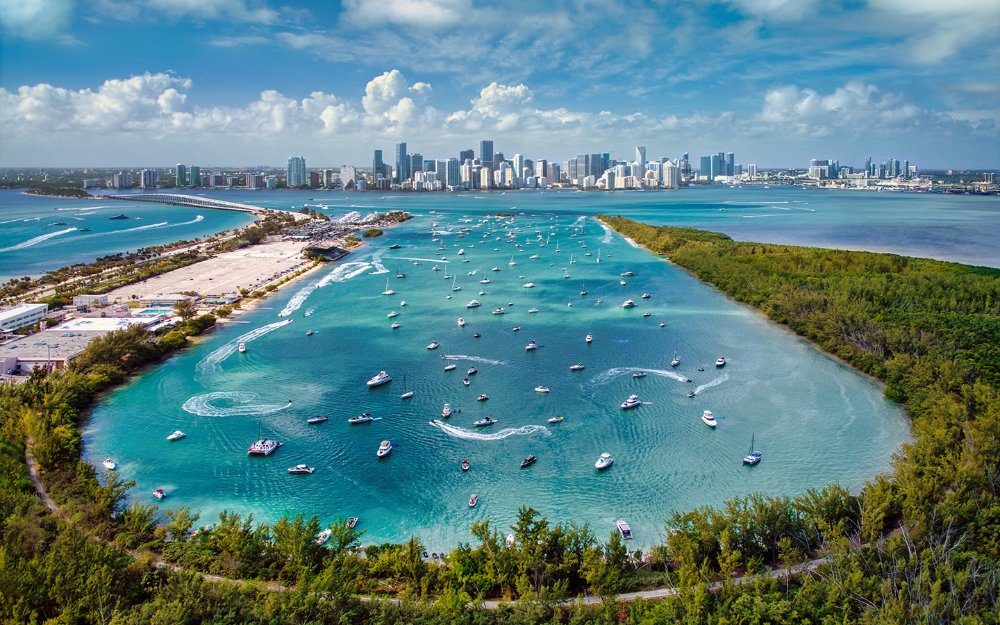
Key Biscayne is not like the rest of Miami-Dade. It’s a barrier island connected to the mainland by a single road, the Rickenbacker Causeway, with a toll that keeps casual traffic out and a Village government (incorporated in 1991) that controls zoning tightly enough that new supply almost never happens. That scarcity is the entire story behind pricing here, and it’s why the market behaves differently than Brickell, Coconut Grove, or even Fisher Island’s mainland-adjacent comparables. If you want the full picture of what makes this island tick before you get into numbers, the complete guide for buyers considering the island is worth reading alongside this one.
The Single-Family Market: What Land Scarcity Does to Price
Key Biscayne has roughly 3,000 residential parcels total across the entire island, and the single-family stock is a small, fixed slice of that. There is no undeveloped land left to subdivide. Every single-family sale is effectively a sale of an existing lot, whether the structure on it is a 1970s ranch house someone is going to tear down, or a rebuilt estate that already reflects post-Hurricane Andrew construction standards.
In 2026, single-family pricing looks like this:
- Entry-level, older homes (non-waterfront, interior lots): roughly $2.8 million to $4 million, usually 1970s or 1980s construction, three to four bedrooms, often needing a full renovation or a teardown.
- Mid-tier updated or newer homes: $4.5 million to $7 million, generally on Harbor Drive, Fernwood Road, or the interior streets off Crandon Boulevard.
- Waterfront and estate-tier homes: $9 million to $20 million-plus, concentrated on Mashta Island, Ocean Lane, and the deep-water lots that can accommodate a real yacht.
Price per square foot on land is the number that actually matters here, not price per square foot of the house, because so many buyers are purchasing to demolish and rebuild. Lot values on the interior of the island run $1,000 to $1,600 per square foot of land; true waterfront lots on Mashta Island or the bay side can clear $2,000-plus per square foot of land before a single stud goes up.
That teardown dynamic is worth understanding on its own. If you’re evaluating whether to buy an older home to renovate versus build new, the new construction guide for Key Biscayne walks through what’s actually possible to build given current setbacks, flood elevation requirements, and Village permitting timelines, because “new construction” here almost always means a custom rebuild on an existing lot, not a builder community.
The Condo Market: Two Very Different Building Types
This is where the 2026 story gets specific, and where a lot of generic real estate coverage gets Key Biscayne wrong. The condo market is not one market. It’s two, split almost entirely by building age and financial health.
Older buildings (built roughly 1960s to late 1980s)
Buildings like Commodore Club, Courts of Key Biscayne sections, and some of the original Key Colony and Sunrise Harbor phases are now well past the age where Florida’s milestone inspection law (SB 4-D, passed after the Surfside collapse) and mandatory structural integrity reserve studies (SIRS) apply. Associations in these buildings have had to fund real reserves for concrete restoration, waterproofing, balcony repair, and roofing, in many cases through special assessments running from $15,000 to well over $100,000 per unit depending on the building’s condition and how deferred the maintenance was.
That has done two things to pricing:
- List prices have softened. Units in buildings with disclosed or pending assessments are trading anywhere from 10% to 25% below where comparable square footage sold in 2021-2022, because buyers are pricing in the assessment on top of the purchase price.
- Days on market have stretched. What used to sell in three to four weeks on the island is now sitting 60 to 120 days in older buildings, because cash buyers (who dominate this market) are doing real due diligence on reserve studies and engineering reports before they’ll write an offer.
Pricing in this tier: roughly $650,000 to $1.1 million for a one or two-bedroom in an older, non-waterfront building, with the low end reflecting units where a known assessment is already priced in.
Newer or fully renovated buildings
Grand Bay, Ocean Club, Oceana Key Biscayne, and similar newer-generation or gut-renovated buildings are a different animal entirely. These either postdate the reserve requirements that are squeezing older buildings, or they’ve already completed their major capital work, so buyers aren’t staring down a five- or six-figure surprise. Pricing here has held or gained:
- Two and three-bedroom units: $1.8 million to $3.5 million
- Direct oceanfront, larger floor plans: $4 million to $8 million-plus
- Price per square foot: $1,100 to $1,800 in this tier, versus $700 to $950 in older buildings
If you’re weighing condo versus single-family, or trying to figure out which building type fits your budget and lifestyle, where to live on Key Biscayne breaks down the condo corridor along Crandon Boulevard building by building, plus the single-family pockets, which is more useful than a single blended “condo price” number that hides this split.
Milestone Inspections and Special Assessments Are Reshaping the Condo Market
This deserves its own section because it’s the single biggest force on Key Biscayne condo pricing in 2026, and most buyers coming from out of state have never heard of it.
Florida law now requires condo buildings three stories or taller to complete a milestone structural inspection at 30 years of age (25 years if within three miles of the coast, which covers essentially all of Key Biscayne), and to maintain fully funded reserves based on a Structural Integrity Reserve Study covering roof, load-bearing walls, waterproofing, electrical, plumbing, and other structural components. Associations can no longer waive or underfund these reserves the way many did for decades.
For a buyer, this means the purchase price is only part of the math. Before writing an offer on any Key Biscayne condo built before roughly 1996, you need:
- The most recent milestone inspection report, if the building has hit the 25 or 30-year threshold
- The current SIRS, which will show whether reserves are fully funded or whether a special assessment is coming
- Association meeting minutes from the last 12 months, which is often where a pending assessment gets discussed before it’s formally levied
- A realistic insurance quote, because buildings with deferred structural work are seeing carriers either decline coverage or price it aggressively
This is also why cash offers are winning more often than financed ones on the island right now. Lenders are getting more conservative about older buildings with open reserve gaps, and some are declining to finance units in associations flagged as “unwarrantable” until the structural work is resolved. If you’re building your first purchase on the island around a tighter budget, this is exactly the kind of detail that separates a good entry-level deal from a expensive mistake, and it’s covered in more depth in what the entry level actually looks like on Key Biscayne.
Where the Money Is Moving: Neighborhood-by-Neighborhood Pricing
Key Biscayne is small enough that “neighborhood” really means a handful of distinct pockets, and each one is pricing differently in 2026.
Crandon Boulevard corridor (the condo spine)
Most of the island’s condo inventory sits along Crandon Boulevard, from the Village center north toward Crandon Park. This is where the older-versus-newer building split matters most, because you can walk from a 1970s building with a pending assessment to a fully renovated tower within a few blocks, and the pricing gap between them is enormous.
Mashta Island
The most exclusive single-family pocket on the island, gated, bayfront, deep water access. Estate pricing here regularly clears $10 million to $20 million, and inventory is almost never more than two or three homes at a time.
Village center / interior streets
Streets like West Wood Drive, East Enid Drive, and Ridgewood Road offer the closest thing to “affordable” single-family on the island, still landing in the $3.5 million to $5.5 million range for updated homes, with older unrenovated homes occasionally trading in the high $2 millions.
Ocean Lane and the oceanfront strip
Direct oceanfront single-family and low-rise properties here command a premium over even the Mashta Island bayfront numbers in some cases, given direct beach access and unobstructed ocean views. Expect $8 million and up.
For a full walk-through of how these pockets differ in lifestyle, not just price, the neighborhoods guide and the lifestyle guide covering tennis, Crandon Park, and Village life both go deeper than pricing alone.
Inventory, Days on Market, and Who’s Actually Buying
Active inventory on Key Biscayne in 2026 remains genuinely thin. At any given time there are typically fewer than 25 single-family homes actively listed on the entire island, and condo inventory across all buildings usually runs somewhere between 60 and 100 active units. That’s a market of roughly 3,000 total residential units producing well under 200 combined active listings at any moment. This is not a market where you browse for months and expect ten comparable options to choose from.
Days on market varies sharply by segment, which reinforces the two-speed pattern:
- Turnkey single-family and renovated luxury condos: 30 to 60 days
- Older condos with disclosed assessments: 90 to 150-plus days, and increasingly selling with price reductions
- Estate-tier waterfront: highly variable, sometimes selling in weeks to an off-market buyer, sometimes sitting a year waiting for the right match
Buyer composition on the island skews heavily cash and heavily international, particularly Latin American buyers from Venezuela, Colombia, Argentina, and Brazil, alongside a steady base of Miami-based professionals and retirees trading up from the mainland. That buyer pool tends to move fast on the right property and walk away quickly from anything with financial red flags, which is exactly why the assessment-disclosure dynamic has hit older buildings so hard. If your interest is more about returns than lifestyle, the way this scarcity and buyer profile translates into rental demand and appreciation is covered in Key Biscayne investment property and the scarcity premium.
What Buyers Should Know Before Making an Offer
A few practical realities that apply regardless of budget:
There is no CDD on Key Biscayne. The island is its own incorporated Village, not a developer-run community, so you won’t see Community Development District fees layered onto your tax bill the way you would in a western Broward or Palm Beach new-build community. What you will see is Village property taxes plus, for condo owners, association dues that run notably higher than mainland Miami buildings, often $1,000 to $3,000-plus per month depending on building age, amenities, and reserve funding status.
Flood insurance is not optional and not cheap. Nearly the entire island sits in FEMA flood zones AE or VE. Budget flood premiums in the range of $3,000 to $8,000-plus annually for single-family homes depending on elevation, and factor in that condo master policies pass a share of building-wide windstorm and flood coverage through HOA dues, which is part of why those older-building assessments are so painful when they land.
The causeway toll and access matter more than people expect. The Rickenbacker Causeway toll (currently a few dollars each way) and the single road on and off the island are not just trivia. They’re part of why the island stays quiet, why traffic never really builds up the way it does elsewhere in Miami-Dade, and why buyers pay a premium for that separation.
Schools drive real demand, not just marketing copy. Key Biscayne K-8 Center is a genuinely strong, high-demand public option that pulls families to the island specifically, alongside MAST Academy nearby and private options on the mainland a short drive away. If schools are part of your decision, Key Biscayne schools: what families on the island need to know covers zoning and capacity in more detail than most listings ever mention.
Get the reserve study and milestone report before you fall in love with a unit. This is worth repeating. On an island where roughly half the condo stock is old enough to be in the milestone inspection window, skipping this step is the single most common way buyers end up with a surprise assessment bill six months after closing.
The 2026 Outlook
Expect the two-speed pattern to continue through the rest of 2026 and likely into 2027. Older buildings still have structural work to disclose and fund, which means continued softening and longer marketing times in that segment, but also continued opportunity for buyers willing to do the diligence and negotiate around known costs. Single-family and renovated luxury condo pricing has essentially no relief valve, because there’s no new land coming and no new towers being permitted at any real scale, so that segment holds firm or continues to climb.
If you’re relocating to the island rather than just buying an investment unit, it’s worth reading this alongside the broader relocation picture in moving to Key Biscayne: South Florida’s most private island community, which covers the day-to-day of island life beyond the transaction itself. And if your budget points you toward the premium end of the market rather than entry-level condos, what the premium market looks like on Key Biscayne has the estate and new-tower detail that this pricing overview only summarizes.
The reality is that Key Biscayne rewards patience and diligence more than speed right now. There’s no shortage of demand for this island. There’s a shortage of supply, and in 2026 that shortage is finally being priced honestly, building by building, instead of treated as one uniform market. Buyers who understand which side of that split a property sits on will make far better decisions than buyers who just compare a per-square-foot number and move on.
More articles you might like
First-Time Buyer on Key Biscayne: What the Entry Level Actually Looks Like
18 min readKey Biscayne, Florida: The Complete Guide for Buyers Considering the Island
13 min readKey Biscayne Luxury Real Estate: What the Premium Market Looks Like
13 min readNew Construction on Key Biscayne: What Actually Exists in 2026
19 min readKey Biscayne Schools: What Families on the Island Need to Know
19 min read