Life on Key Biscayne: Tennis, Crandon Park, Village Life, and the Island Experience
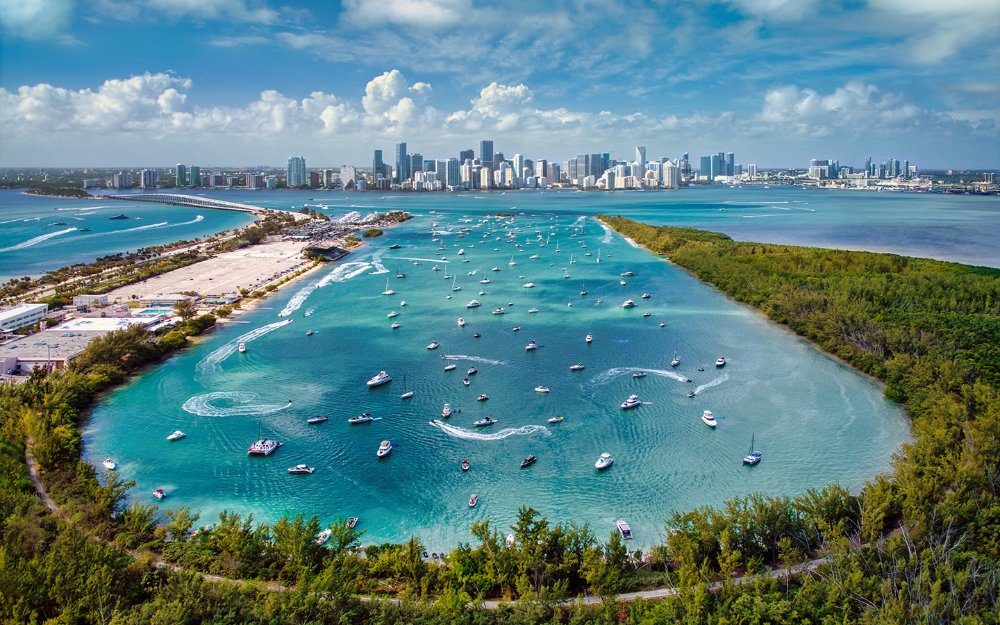
Life on Key Biscayne, tennis, Crandon Park, village life, and the island experience all trace back to a single fact: this is a 1.7 square mile barrier island connected to the rest of Miami-Dade by one road. That geography shapes everything, from how long it takes to get a coffee to why the tennis center feels more like a neighborhood park than a professional venue. If you are trying to understand what daily life actually feels like here before you buy, this is the honest version, not the postcard version.
Life on Key Biscayne: Tennis, Crandon Park, Village Life, and the Island Experience
Key Biscayne is not a suburb in the traditional South Florida sense. It is an island village of about 14,000 year round residents, sitting south of Miami Beach and connected to the mainland by the Rickenbacker Causeway. Roughly a third of the island is protected parkland, which is unusual for a piece of real estate this close to downtown Miami and this expensive per square foot. That parkland, specifically Crandon Park and Bill Baggs Cape Florida State Park, is not a bonus amenity. It is the reason people move here and the reason they stay.
The daily rhythm looks different from Weston, Coral Springs, or Doral. There is no big box retail on the island. There is no chain restaurant row. There is a Publix, a CVS, a handful of banks, and a walkable Village center called the Crandon Boulevard corridor where you will run into the same neighbors at Green Street Cafe on a Saturday morning that you saw at the tennis center on Tuesday. People who move here from mainland Miami describe the adjustment as going from a city to a town, even though downtown Miami is a fifteen minute drive away on a good day.
If you want the full picture of what buying here actually involves, from pricing tiers to building types, the complete guide to Key Biscayne for buyers considering the island covers the real estate side in depth. This piece is about what happens after you close, when you actually live here.
One Road In, One Road Out: The Rickenbacker Causeway
Every conversation about life on Key Biscayne eventually comes back to the causeway. The Rickenbacker is the only vehicle connection between the island and Miami, running from Brickell/Coconut Grove area over Virginia Key before reaching Key Biscayne. It is a toll road (currently around $2 to $3 each way depending on vehicle and payment method), and it is also one of the most popular cycling routes in Miami-Dade, which means weekend mornings bring heavy bike traffic that residents plan around.
Commute times off the island depend entirely on when you leave. A 7:15am departure to Brickell can take 15 minutes. Leave at 8:15 and it can take 35. Weekend afternoons, especially with events at Crandon Park or Virginia Key, add unpredictable backups. This is not a dealbreaker for the people who live here, but it is a real constraint, and it is the single most common thing new residents underestimate. There is no alternate route. If the causeway is closed for an accident, marathon, or storm, the island is effectively cut off by car.
What this produces on the ground is a slower, more self-contained pace of life. Residents run errands less frequently and plan trips off-island more deliberately. Grocery runs, school drop-offs, dentist appointments, a lot of it happens without ever crossing the causeway, because the Village has enough infrastructure to support daily needs. That self-containment is part of what people mean when they say Key Biscayne “feels like its own place.”
Crandon Park and the Beach Life
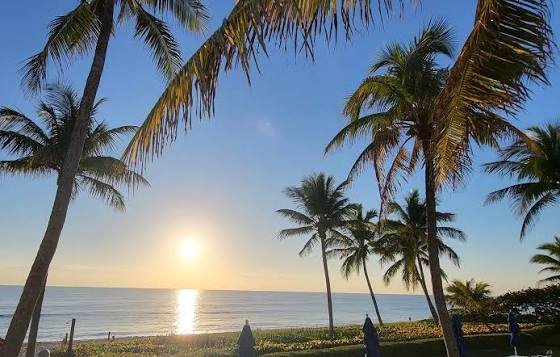
Crandon Park is 808 acres running along the island’s Atlantic side, and it is genuinely one of the best public beaches in South Florida, not just for Key Biscayne. It is wide, the sand is soft, the water is calm because of the offshore reef structure, and it rarely feels as packed as South Beach even during peak season. There is a marina, a golf course (Crandon Golf at Key Biscayne, a public course that has hosted PGA and LPGA events), picnic areas, a nature center, and miles of shaded parking that locals treat as a given but that most of coastal Florida does not have.
For families, Crandon Park functions as the default weekend plan. Kids grow up learning to swim there, birthday parties happen in the pavilions, and the bike path connecting the park to the Village and down to Bill Baggs State Park at the island’s southern tip gets daily use, not just tourist use. Bill Baggs itself adds the Cape Florida Lighthouse, more beach frontage, and a quieter, more forested feel than Crandon’s open lawns.
The practical upside for residents: two major protected beach and park systems on one small island means density stays controlled and green space stays permanent. Developers cannot touch Crandon Park or Bill Baggs. That protected land is a big part of why inventory on Key Biscayne is structurally limited, which shows up directly in pricing. If you want to understand how that scarcity plays out financially, the breakdown on Key Biscayne investment property and the scarcity premium walks through the numbers.
Crandon Park Tennis Center: From Lipton to Miami Open Qualifying
Tennis is not a side amenity on Key Biscayne, it is part of the island’s identity. The Crandon Park Tennis Center opened in 1972 and hosted the Lipton International Players Championships and later the Sony Ericsson Open (the tournament now known as the Miami Open) for over two decades, from 1987 through 2018, before the main draw relocated to Hard Rock Stadium. The old stadium court, seating close to 8,000, is still standing and still in use.
Today the center operates as a public facility with 27 courts (hard and clay), a pro shop, lessons, and adult and junior programs. You do not need a private club membership to play. Residents walk on for open court time, join round robins, or sign kids up for the junior academy that has produced legitimate competitive players over the years. The clay courts in particular draw a loyal group of daily players who treat the center the way other towns treat a country club, except the greens fees are a fraction of the cost and there is no initiation fee.
The tennis center also still hosts professional qualifying rounds and exhibition events tied to the Miami Open, so residents get a taste of tour level tennis without leaving the island. For a lot of buyers relocating from tennis heavy markets up north, this single amenity carries real weight in the decision. It is a genuine reason, not a brochure line, that people cite for choosing Key Biscayne over comparable oceanfront options in Miami Beach or Fort Lauderdale.
Village Life: The Crandon Boulevard Corridor
The commercial heart of Key Biscayne runs along Crandon Boulevard and the surrounding blocks, anchored by the Village Green area, the Community Center, and a cluster of restaurants and shops that residents actually use, not tourist traps. Green Street Cafe functions as the unofficial town square, a sidewalk cafe where you can sit for two hours on a Sunday and see half the island walk by. Milano’s, Rusty Pelican (technically at the base of the causeway, overlooking Biscayne Bay), Boater’s Grill inside Bill Baggs, and a rotating set of newer spots round out the dining scene.
There is a Sunday farmers market at the Village Green, a public library, a K-8 school, and municipal offices all within walking or golf cart distance of most residential streets. Golf carts are a real, legal, and common mode of transportation on the island, used for school runs, beach trips, and dinner. That detail alone tells you something about the pace: this is a place built at a scale where a golf cart is a practical vehicle, not a novelty.
The Village government itself is small and locally controlled, with its own police department, fire rescue, and a Village Council that residents actually attend meetings for, especially around zoning and building height debates. Height restrictions have kept the skyline low compared to Miami Beach or Sunny Isles, which is a deliberate choice residents have voted to preserve more than once. If you are weighing where within the island to live based on this village character versus condo tower living, where to live on Key Biscayne, covering condos, single-family, and bayfront breaks down the neighborhood-by-neighborhood differences.
Schools and Family Life on the Island
Key Biscayne K-8 Center is the public school most island families use through eighth grade, and it consistently ranks among the top public schools in Miami-Dade County. After eighth grade, most public school families feed into MAST Academy on Virginia Key, a magnet school for maritime and science technology that draws students from across the county, or Coral Gables Senior High off-island. St. Agnes Academy is the private Catholic option on the island itself, running through eighth grade.
The tight geography means school drop-off, sports practice, and after school activities all happen within a compressed radius, which is a genuine quality of life difference from mainland suburbs where a single afternoon can involve 45 minutes of driving between school, practice, and home. For a deeper look at how the schools stack up and what the enrollment boundaries actually look like, the dedicated piece on Key Biscayne schools and what island families need to know covers zoning, ratings, and private options in detail.
Family life here skews toward outdoor time by default. Kids bike to school, to the beach, to the tennis center, largely without needing rides, because the island is small enough and safe enough that independence starts earlier than it would in most of Broward or Palm Beach County. That is consistently one of the top reasons parents give for choosing Key Biscayne over comparable price points in Coral Gables or Pinecrest.
Who Actually Lives Here and Why They Don’t Leave
The resident base splits roughly into three groups. Longtime Cuban-American and Latin American families who bought in during the 1970s through 1990s and have stayed for generations, a newer wave of finance and business professionals commuting to Brickell, and retirees and second-home owners who wanted oceanfront without the density of Miami Beach or Sunny Isles. What unites them is a pattern you hear over and over in resident interviews and Village Council meetings: people who move to Key Biscayne tend to stay for decades, and turnover in single-family homes especially is low.
Part of that retention is the scarcity itself. There is no meaningful vacant land left for new subdivisions. What gets built is redevelopment of existing lots or condo renovation, not greenfield construction. If you are curious what “new construction” even means on an island this built out, new construction on Key Biscayne and what actually exists explains the reality, which is mostly ground-up rebuilds of single-family homes and occasional condo repositioning rather than large master-planned communities.
The other part is simply that the daily experience delivers on what people move here for. Beach access without a beach commute, tennis without a club fee, a walkable center without giving up single-family living, and a school system good enough that private school is a preference rather than a necessity. That combination is genuinely rare within Miami-Dade, and it is why resale demand stays strong even when the broader Miami market cools.
The Real Cost of Island Living
None of this comes cheap, and being direct about the cost is part of giving you the real picture. Condo association fees on Key Biscayne run notably higher than comparable mainland buildings because of oceanfront maintenance, insurance, and, since the Surfside collapse in 2021, more aggressive structural reserve funding requirements across Miami-Dade. Older buildings undergoing 40-year recertification can hit residents with sizable special assessments, sometimes tens of thousands of dollars per unit, so reviewing a building’s reserve study and recent assessment history before buying is not optional due diligence, it is essential.
Property insurance on a barrier island carries a premium over inland Miami-Dade, and flood insurance is effectively mandatory given the flood zone designations across most of the island. Single-family homeowners should budget insurance costs meaningfully higher than what a similar home in Pinecrest or Coral Gables would carry. None of this is disclosed to scare buyers off, it is disclosed because it is the honest math, and buyers who skip this step end up surprised at closing or at the first special assessment vote.
For a full breakdown of what entry points actually look like at different budgets, from condos to single-family to bayfront estates, the guides on first-time buyers on Key Biscayne and what the entry level actually looks like and Key Biscayne luxury real estate and what the premium market looks like lay out real price ranges by product type. And if you want current pricing and inventory conditions specifically, the Key Biscayne real estate market update for 2026 has the latest numbers.
What This Means If You Are Considering the Move
Life on Key Biscayne rewards people who want their radius to shrink. If your ideal day involves a long commute to varied restaurants, big box shopping, and constant new development, this island will feel small fast. If your ideal day involves a beach walk before work, tennis at lunch or after school pickup, dinner where the server knows your name, and a genuine sense that your neighbors are your community rather than strangers who happen to share a zip code, Key Biscayne delivers that at a level few places in South Florida can match.
The tradeoffs are real: the causeway bottleneck, the insurance and association costs, the limited retail, the premium pricing that scarcity commands. None of that is hidden here, and none of it should be glossed over by anyone selling you on the island. But for the people who choose it and stay, the combination of Crandon Park, the tennis center, a genuine walkable village, and a school system that works has proven durable for decades, not just a current market trend.
If you are weighing a move here and want a straight answer on whether the island fits your life, not just your budget, the guide on moving to Key Biscayne, South Florida’s most private island community is the right next read. Or reach out directly. DM me “ISLAND” and I will send you the current inventory breakdown by neighborhood and price point so you can see exactly what fits before you spend a weekend driving the causeway to look.
More articles you might like
Key Biscayne Luxury Real Estate: What the Premium Market Looks Like
13 min readFirst-Time Buyer on Key Biscayne: What the Entry Level Actually Looks Like
18 min readKey Biscayne, Florida: The Complete Guide for Buyers Considering the Island
13 min readNew Construction on Key Biscayne: What Actually Exists in 2026
19 min readKey Biscayne Schools: What Families on the Island Need to Know
19 min read