Coral Springs vs. Parkland: Which Broward Suburb Is Right for Your Family?
If you’re trying to decide between Coral Springs and Parkland, here’s the direct answer: Coral Springs gives you more house for your money, a wider range of price points, and an established, walkable day-to-day life, while Parkland gives you gated privacy, newer construction, and school zoning that consistently ranks near the top of Broward County, at a real financial premium with almost no room to move up once you’ve bought in. Coral Springs vs. Parkland, which Broward suburb is right for your family, really comes down to what you’re optimizing for: flexibility and value, or a specific, curated lifestyle you’re willing to pay full price to get.
Both cities sit in the northwest corner of Broward County, share a border, and get lumped together constantly by people who’ve never actually driven both of them at rush hour. They are not interchangeable. I’ve walked buyers through both markets for years, and the families who end up happiest are the ones who understood the tradeoffs going in, not the ones who picked based on which name sounded fancier.
This guide breaks down the real differences: price, schools, HOA and CDD costs, lifestyle, commute, and what each city looks like ten years into ownership.
Coral Springs vs. Parkland: The Quick Answer
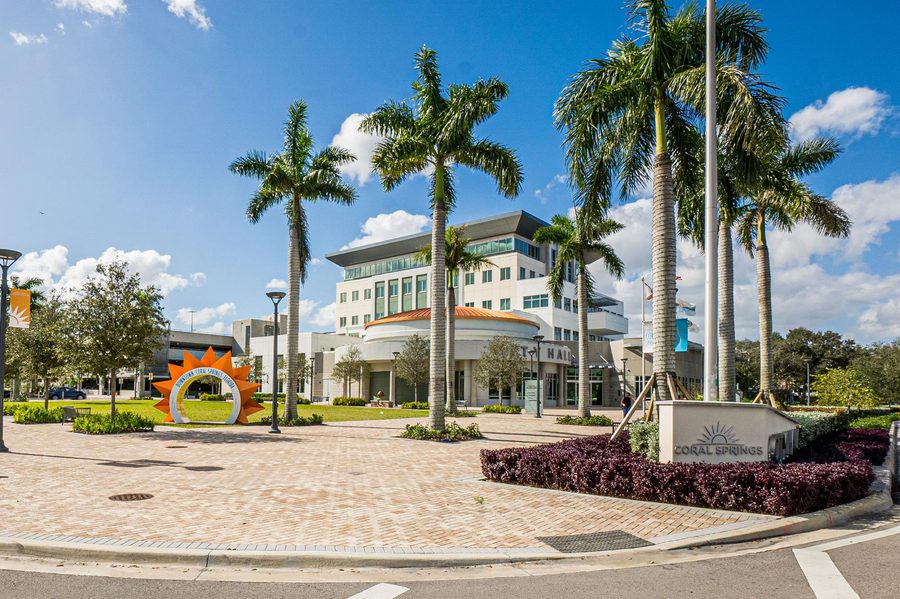
Coral Springs is the established, diversified suburb. It was largely built out from the 1970s through the 1990s, which means you’ll find everything from $350,000 townhomes to $1 million-plus estates in neighborhoods like Eagle Trace and near the TPC golf corridor. It has a real downtown (The Walk at Coral Springs), city parks, a mature retail base, and a broad range of buyers, first-timers, move-up families, retirees downsizing from bigger homes.
Parkland is the newer, gated, higher-priced neighbor. It was built with a specific formula in mind: guard-gated communities, larger lots, strong school zoning, and a quiet, low-density feel. That formula works extremely well for the buyer it’s designed for. But it’s largely one price tier. There isn’t much of a $400,000 entry point in Parkland, and there isn’t much of a natural “buy small, move up later” path within the city limits the way there is in Coral Springs.
If you want variety and value, Coral Springs is the stronger fit. If you want a specific, gated, top-school lifestyle and you can comfortably afford the entry price, Parkland delivers exactly what it promises.
Price and Affordability: What You Actually Get for Your Money
This is where the two cities separate the most.
In Coral Springs, you can realistically find:
- Townhomes and villas in the $350,000 to $450,000 range, often in established associations near Sample Road or University Drive
- Single-family homes in neighborhoods like Turtle Run or Broken Woods generally landing between $500,000 and $700,000
- Larger, golf-adjacent, or newer-built homes near Eagle Trace and the TPC corridor pushing past $800,000 into the $1 million-plus range
That range matters. It means a first-time buyer, a move-up family, and a luxury buyer can all find a real option inside the same city, in the same school district, often on the same street grid. If you want the full breakdown of what’s currently on the market, the Coral Springs Real Estate Market: What Prices and Inventory Look Like in Mid-2026 has the current numbers by segment.
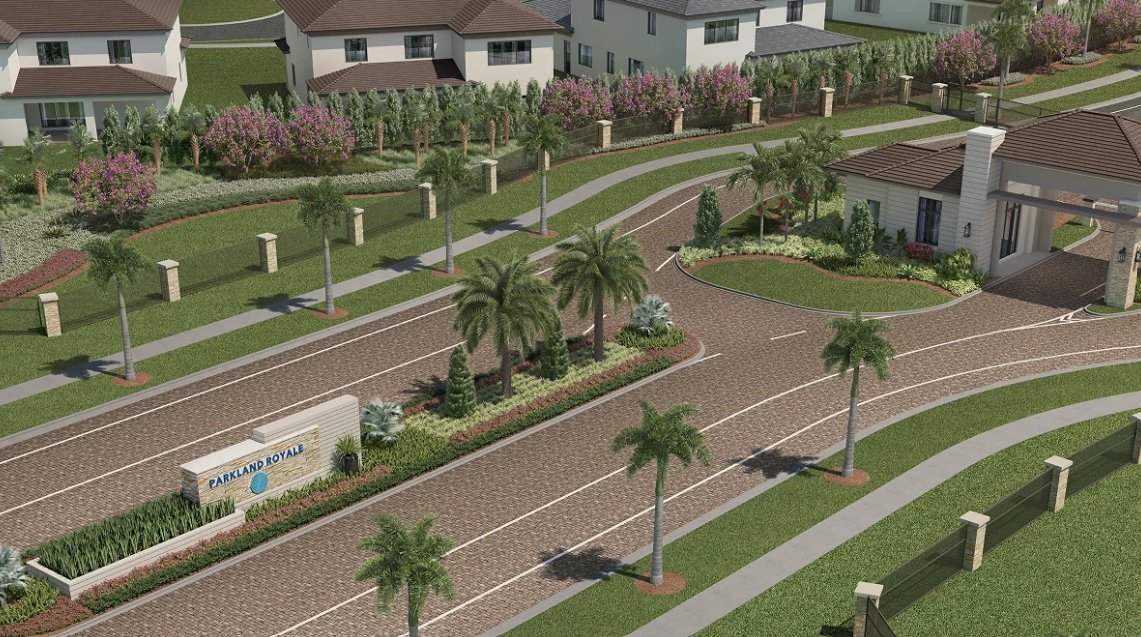
Parkland is a different structure entirely. Most single-family homes, gated or not, start in the $800,000 to $900,000 range, and gated luxury communities frequently run $1 million to $2 million or more. There is very little inventory under $700,000, and what does exist tends to move fast or sit on smaller lots without the amenities Parkland is known for. Builders delivering new product in Parkland, including gated developments like Parkland Royale, are pricing to that same tier, not below it.
The practical takeaway: if your budget is under $700,000, Coral Springs gives you real choices. If your budget starts closer to $900,000 and up, Parkland becomes realistic, and at that point the comparison is less about price and more about what kind of home and lifestyle you want for that money.
Schools: Comparing the Two Zones Honestly
Both cities are known for strong schools, and both deserve that reputation, but they are not the same zones, and the differences matter for a decision this size.
Parkland is zoned, in large part, for schools like Park Trails Elementary and Westglades Middle School, both of which consistently rank among the top-performing schools in Broward County. This is the single biggest reason families pay the Parkland premium. It’s a legitimate draw.
Coral Springs has its own strong, separate school zones, with a track record that’s held up for decades, not just in current test scores but in program depth, since the city has had time to build out AP tracks, magnet options, and established sports and arts programs that newer areas haven’t had time to develop yet. For a full picture of what’s zoned where and how the schools stack up, read Coral Springs Schools: Why Families Keep Choosing This City.
Here’s the honest caveat that applies to both cities: school zone boundaries shift. I am not a school district, and neither is any real estate agent or builder sales rep telling you where your kids will go. Before you make a decision this size based on a specific school, verify the current zoning directly with Broward County Public Schools. Confirm it yourself, every time, no matter what the listing or the sales center tells you.
HOA, CDD, and the Hidden Monthly Costs
This is the part that gets glossed over in most comparisons, and it shouldn’t be, because it changes your true monthly payment by hundreds of dollars either way.
Coral Springs has HOAs, but they vary widely by neighborhood. Many of the older, established single-family neighborhoods have modest or no HOA fees at all. Townhome and villa communities will have dues, usually covering exterior maintenance, roofs, and shared amenities, but you’ll find a broad range from under $200 a month to $400-plus depending on the community and what it includes.
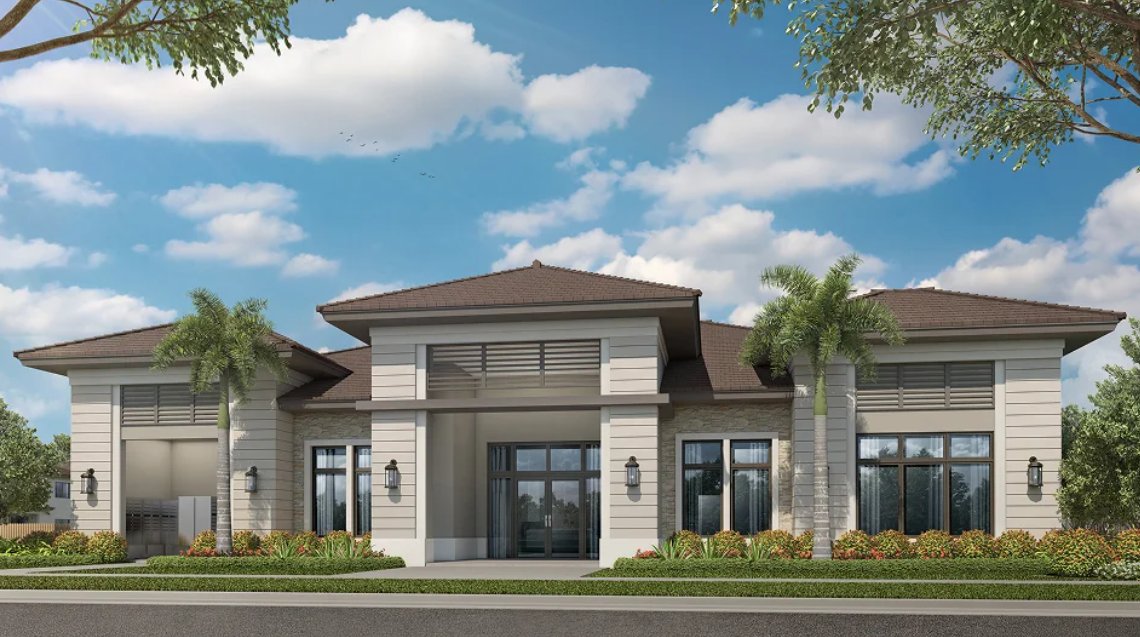
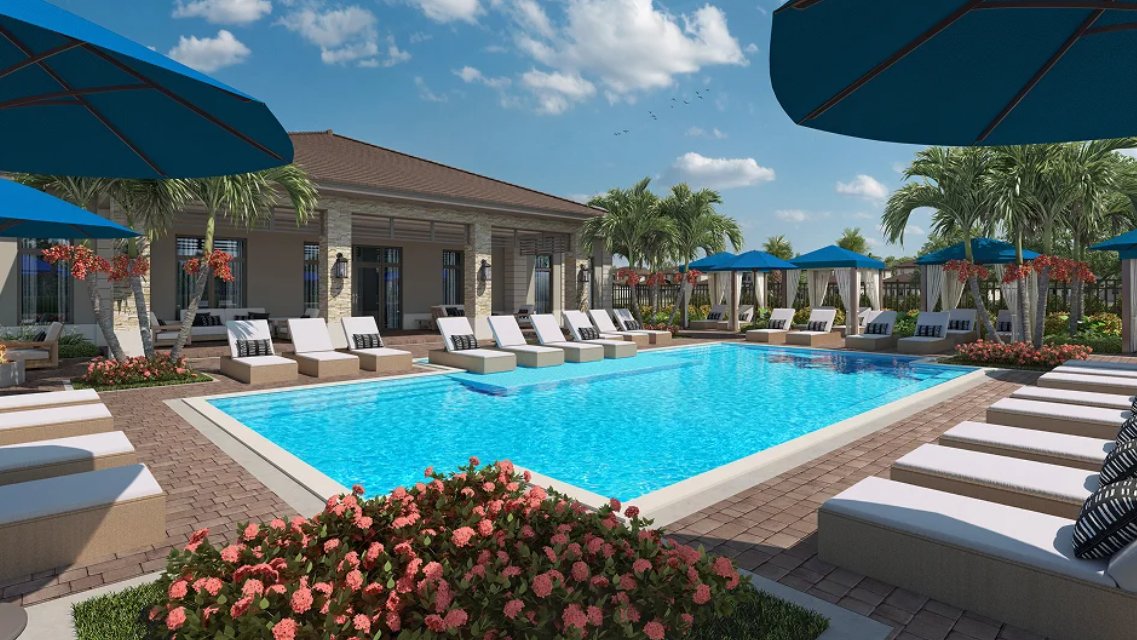
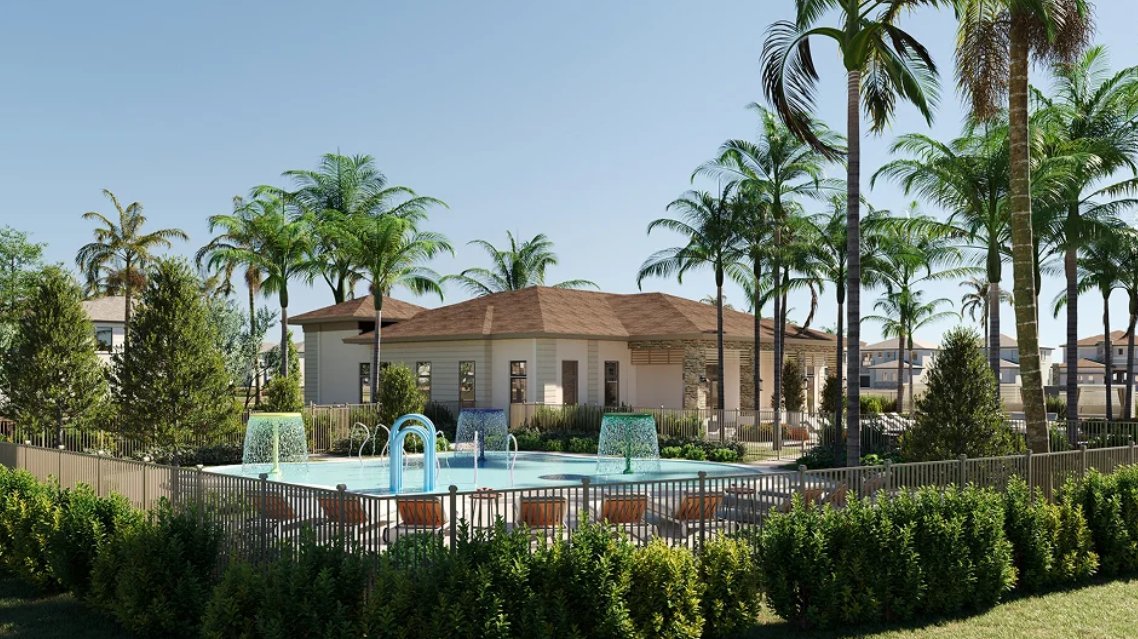
Parkland is a different animal on this front. Most of the newer, higher-profile communities are guard-gated with a staffed entrance, clubhouse, and shared amenities, and all of that is funded through HOA dues that need to be treated as a real monthly line item, not an afterthought. On a home in Parkland’s typical price range, gated community dues are not small. Fee schedules get adjusted regularly, so don’t rely on a number you saw six months ago, confirm today’s exact dues directly with the sales center or the HOA before you sign anything.
There’s a second cost that catches Parkland buyers off guard specifically: the tax reset. Many Parkland communities carry CDD assessments and homestead exemption dynamics that mean your first full year of property taxes can land meaningfully higher than what the previous owner was paying, or what a rough online estimate shows. Budget for the reset, not the number on the current tax bill.
Bottom line: run the true, all-in monthly number, home payment plus HOA plus CDD plus taxes, for both cities before you compare price tags. A $750,000 home in Coral Springs with a $150 HOA can easily land cheaper per month than a $950,000 home in Parkland with a $400-plus HOA and a CDD assessment, even though the sale prices don’t look that far apart on paper.
Lifestyle and Day-to-Day: Downtown Walkability vs. Gated Quiet
Coral Springs functions like a real, complete city. The Walk at Coral Springs gives you a walkable downtown with restaurants, a movie theater, and regular community events. Tradewinds Park and Mullins Park give families sprawling green space, sports fields, and a working equestrian center. The retail base along Sample Road and University Drive is mature and dense, meaning you’re not driving twenty minutes for basic errands. For a closer look at what daily life actually looks like, from where people eat to where they take their kids on a Saturday, see Living in Coral Springs: Parks, Dining, Activities, and What Day-to-Day Life Looks Like.
Parkland is built around a different value: quiet. It’s intentionally lower density, with more green space between homes and a design that prioritizes privacy and a slower pace over walkability. If you’re picturing mature oak canopies and established privacy hedges in the newer developments, know that a lot of Parkland’s newest construction sits on freshly developed land, so that mature landscaping look is more like fifteen years away than move-in day. What you get instead is a home built to current 2026 code and current wind mitigation standards, which has its own real value, just a different kind.
Neither approach is wrong. It’s a genuine lifestyle choice: do you want to walk to dinner and have a downtown core, or do you want distance, quiet, and a gated perimeter around your neighborhood.
Commute and Location: The Distance Tradeoff
Parkland sits in the far northwest corner of Broward County, close to the Everglades line. That location is exactly what gives it the quiet, low-density feel that draws people there in the first place. But it also means you’re farther from the beach, farther from Fort Lauderdale-Hollywood International Airport, and farther from the dense retail and dining corridors that Coral Springs already sits much closer to, including a shorter drive to Sawgrass Mills.
Coral Springs, by contrast, sits closer to the I-95 and Florida’s Turnpike corridors that feed toward Fort Lauderdale, Miami, and Boca Raton, which matters enormously if your job isn’t remote.
If your daily life involves a commute toward the coast for work, drive both routes yourself before you commit to either city, at the actual time you’d be driving them, not a Sunday afternoon estimate. What looks like “a nice quiet 25 minutes” on a map can be a very different number at 7:45 on a Tuesday morning. Parkland is built for people who want distance from the noise. If your lifestyle actually depends on being close to the noise, that same distance becomes a daily cost, not a feature.
Move-Up Path: Which City Lets You Grow Into a Bigger Home
This is an underrated factor for young families specifically.
Coral Springs has a natural move-up ladder built into the city itself. You can buy a townhome near University Drive in your late twenties, move into a single-family home in Turtle Run once you have kids, and move up again into something near Eagle Trace or the TPC corridor a decade later, all without leaving the city, the school zones your kids already know, or your established network of friends and neighbors. If you’re just getting oriented to what that ladder actually looks like at the entry level, First-Time Buyer in Coral Springs: What to Expect and Where to Start walks through it in detail, and the Coral Springs Complete Guide: Everything You Need to Know Before Moving covers the city end to end if you’re still deciding.
Parkland doesn’t really offer that internal move-up path. It’s largely one price tier of gated, single-family homes. That’s not a flaw, it’s exactly what Parkland is built to be. But if your plan is “buy small in Parkland now, upgrade later within the same city,” that plan doesn’t really exist there the way it does in Coral Springs or Pembroke Pines. Families who want that ladder inside one community usually end up choosing Coral Springs first and treating Parkland as a possible landing spot later, once income has caught up to the price floor.
Investment and Resale Considerations
If part of your decision includes resale value or the possibility of renting the home out down the road, the two cities behave differently there too.
Coral Springs has broader rental demand because it has a broader range of housing stock and price points, pulling in everyone from young professionals to relocating families who aren’t ready to buy yet. If that angle matters to you, Coral Springs Investment Property: Rental Demand, Returns, and Where to Look breaks down where the actual returns are strongest.
Parkland’s resale pool skews narrower, buyers able to afford the entry price and specifically prioritizing the gated, top-school lifestyle. That can mean strong demand within that lane, but a smaller total pool of buyers than Coral Springs sees across its full price spectrum.
New Construction: What’s Actually Being Built Right Now
Both cities still have active new construction, but it looks different in each.
Coral Springs’ new construction is more limited since most of the land was built out years ago, but infill projects and select redevelopment do come up, and pricing on new product tends to track close to resale in the same neighborhood. See New Construction in Coral Springs: What Is Available and What It Will Cost You for what’s currently active.
Parkland still has meaningfully more raw land, which is why you’re seeing continued gated development there, including newer communities delivering current-code homes on freshly graded lots. That’s a real advantage if you want brand new construction specifically, just remember you’re paying for that newness, current code, current wind mitigation standards, a home nobody has lived in, on top of the location and HOA premium already discussed above.
Who Should Choose Coral Springs
Choose Coral Springs if you want flexibility on price, a shorter commute toward the coast, a walkable downtown and mature parks system, and the ability to move up into a bigger home later without leaving the city. It’s the stronger fit for first-time buyers, growing families watching their budget, and anyone who wants day-to-day convenience over gated seclusion. If you want the full picture of what makes the city work, start with Moving to Coral Springs: The Family Suburb That Broward Does Best, and if you’re still narrowing down where inside the city to look, Coral Springs Neighborhoods: Where to Live and What Each Area Is Like breaks down the differences block by block.
Who Should Choose Parkland
Choose Parkland if your budget comfortably clears the $800,000-plus entry point, you specifically want guard-gated privacy and a quieter, lower-density feel, and the current school zoning for schools like Park Trails Elementary and Westglades Middle is a priority you’re willing to pay for. Go in with your eyes open on the HOA and CDD math, confirm current fees before you write an offer, and understand that this is likely the home you’ll stay in rather than the first rung of a ladder.
The Bottom Line
Neither city is the objectively “better” choice, they’re built for different buyers. Coral Springs is the wider, more flexible on-ramp with room to grow. Parkland is the specific, curated, higher-priced lifestyle for buyers who already know exactly what they want and can afford to pay for it on day one. Get honest about your actual budget, drive both commutes at real rush hour, and confirm every school zone and HOA number yourself before you decide. That’s how you make a wise decision here, not a rushed one.
More articles you might like
Coral Springs Complete Guide: Everything You Need to Know Before Moving
13 min readMoving to Coral Springs: The Family Suburb That Broward Does Best
18 min readCoral Springs Investment Property: Rental Demand, Returns, and Where to Look
13 min readFirst-Time Buyer in Coral Springs: What to Expect and Where to Start
14 min readLiving in Coral Springs: Parks, Dining, Activities, and What Day-to-Day Life Looks Like
17 min read