First-Time Buyer in Coral Springs: What to Expect and Where to Start
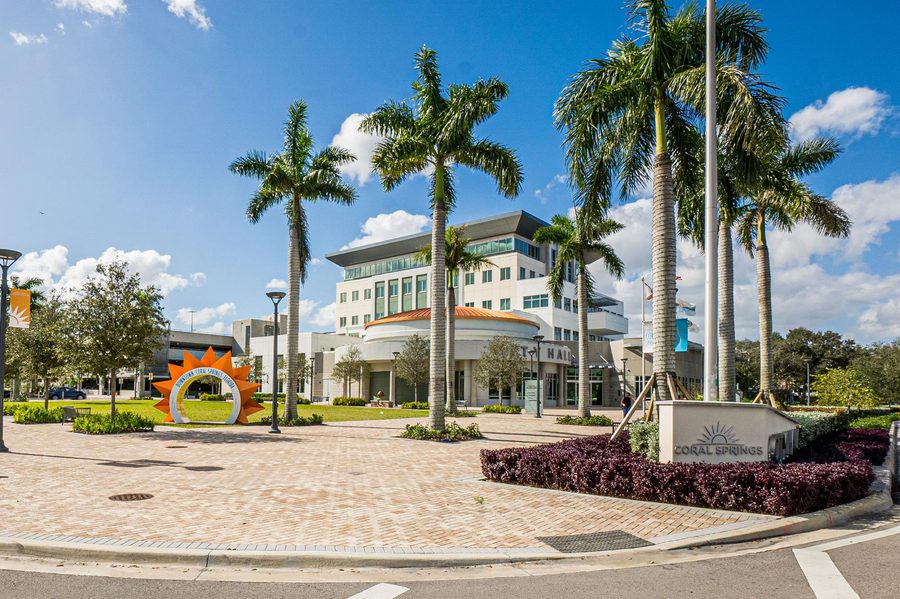
Can a first-time buyer actually compete in Coral Springs? Yes, but not everywhere in the city and not in every price range. A first-time buyer in Coral Springs today has two realistic lanes: a townhome or villa in the $340,000 to $430,000 range, or an older single-family home in one of the city’s original 1970s and 80s sections starting around $450,000. Anything newer, larger, or closer to Turtle Run or Eagle Trace is going to push well past first-time buyer territory. This guide breaks down exactly what to expect, what you can afford, and where to start looking, without the sugarcoating you’ll get from an agent trying to keep you excited about a house you can’t actually get into.
Coral Springs isn’t a starter-home market the way it was in the early 2000s. It’s a mature, master-planned Broward suburb that’s been fully built out since the late 1990s, which means there’s no new construction filling in cheap entry points anymore. Everything you buy here is resale, and most of it is 30 to 50 years old. That’s not a bad thing, it’s just the reality you need to plan around. If you want the full picture of how this city works before you commit, start with the Coral Springs Complete Guide, which covers the layout, the corridors, and the overall lay of the land.
First-Time Buyer in Coral Springs: What to Expect and Where to Start
Here’s the honest framing. Coral Springs was developed by Coral Ridge Properties starting in the 1960s as a master-planned city, and it was essentially finished being built by the time most millennials were in elementary school. That means the housing stock is older on average than what you’ll find in newer western Broward and Palm Beach suburbs like Parkland or Westlake. It also means prices reflect decades of appreciation, strong schools, and a reputation as one of the most stable family suburbs in the county.
What to expect: you’re not going to find a move-in-ready 4-bedroom house under $500,000. What you will find is a real entry point through townhomes, villas, and older single-family homes that need some cosmetic work. Where to start: get pre-approved first, pick two or three neighborhoods based on budget rather than Instagram appeal, and go in knowing which corridor and school zone you actually need before you fall in love with a listing photo.
Why Coral Springs Is Worth the Stretch
Families move here for the same reasons they always have: strong public schools, low crime relative to the rest of Broward, mature tree canopy, and a genuinely walkable, park-heavy layout that a lot of newer master-planned communities try to copy and don’t quite pull off. If you’re weighing this city against its northern neighbor, the Coral Springs vs. Parkland comparison lays out exactly where the price gap and lifestyle differences show up.
What You Can Actually Buy at Entry-Level Prices
Break the market into three tiers, because “Coral Springs real estate” means very different things depending on which tier you’re shopping.
Condos and villas: roughly $220,000 to $320,000. This is the cheapest way into the city, concentrated in older complexes off Riverside Drive, Wiles Road, and pockets near Coral Springs Drive. These are typically 2-bedroom, 2-bath units, 900 to 1,200 square feet, often 55-plus or investor-heavy buildings. Expect HOA fees in the $350 to $550 monthly range, which usually cover water, exterior maintenance, and the pool. Financing can be tighter here because lenders scrutinize condo association reserves closely, so confirm the building is warrantable before you write an offer.
Townhomes: roughly $340,000 to $430,000. This is the real first-time buyer sweet spot in Coral Springs. You’re looking at 2 to 3 bedrooms, 1,300 to 1,800 square feet, usually with an attached garage, built mostly in the 1980s and 90s in communities off Wiles Road, Sample Road, and University Drive. HOA dues typically run $250 to $400 a month and generally cover the roof, exterior, common landscaping, and often a community pool.
Single-family homes: roughly $450,000 to $600,000 for the entry tier. This is where you land in the older, original neighborhoods built when Coral Springs was first developed. Homes here are 3-bedroom, 2-bath, 1,400 to 1,800 square feet, on quarter-acre-ish lots, and they need updating. Kitchens and bathrooms from the 1980s are common. Roofs and AC systems are the first things to check, since a lot of this housing stock is approaching or past the age where insurance companies start asking questions.
If you want a full sense of what’s currently listed and how these tiers are trending, the Coral Springs market update tracks pricing and inventory in more detail than any single blog post like this one can capture in real time.
Townhomes vs. Single-Family: Which Makes Sense for a First-Time Buyer
This is the decision most first-time buyers in Coral Springs actually get stuck on, and it’s worth thinking through honestly instead of defaulting to “I want a house.”
Townhome pros: lower purchase price, lower maintenance burden (the HOA handles the roof and exterior), often a pool and amenities you’d never build yourself, and a more predictable monthly cost since a chunk of maintenance is already baked into the HOA fee. For a first-time buyer without a lot of cash reserves for surprise repairs, that predictability matters more than people expect going in.
Townhome cons: less privacy, shared walls, rental restrictions in some associations if you ever want to lease it out, and HOA approval processes that can slow down a purchase. Some associations also have minimum ownership periods before you can rent, which matters if this isn’t your forever home.
Single-family pros: land, privacy, no HOA in some of the older sections (though most Coral Springs neighborhoods do have at least a light HOA), and more control over renovations and long-term equity building.
Single-family cons: higher purchase price, and because the stock is older, you’re taking on more maintenance risk. A 1978 house with an original roof is not a hypothetical here, it’s common. Budget for a full inspection and don’t skip the four-point inspection insurance carriers will require.
The honest rule of thumb: if your budget tops out under $450,000, a townhome gets you into Coral Springs proper with amenities and lower stress. If you can stretch to $475,000 or above and you’re willing to put sweat equity into updates, a single-family home in one of the older sections builds more long-term equity.
The Neighborhoods Where First-Time Buyers Land
Not every part of Coral Springs is realistic on a first-time buyer budget, and that’s fine, because the neighborhoods that are realistic are still genuinely good ones.
Ramblewood and Kingswood: among the oldest and most affordable sections of the city, both close to Sample Road and University Drive. Homes here are smaller, older, and priced accordingly, often the best shot at a single-family home under $500,000.
Forest Hills: similar era and price point, slightly more variety in lot size, popular with buyers who want a bit more yard.
The Hills and Maplewood: step up in price from Ramblewood but still accessible, generally better-maintained housing stock and slightly newer builds from the late 1980s and 90s.
Townhome clusters off Wiles Road and Coral Springs Drive: this is where most of the $340,000 to $430,000 townhome inventory concentrates, close to shopping, the Coral Springs Charter School campus area, and easy access to Sample Road and the Sawgrass Expressway.
What you generally won’t be shopping in as a first-time buyer: Eagle Trace, Turtle Run, or Country Club of Coral Springs. These are established, higher-demand areas with larger homes, and prices there start well north of $600,000. For a full neighborhood-by-neighborhood breakdown, the Coral Springs neighborhoods guide is the one to read before you start touring, so you’re not wasting weekends looking at homes outside your actual range.
HOA Fees, Insurance, and the Real Monthly Cost
This is where a lot of first-time buyers get surprised, and it’s not the mortgage payment that catches them off guard, it’s everything around it.
HOA fees: as covered above, expect $250 to $550 a month depending on whether you’re in a townhome, villa, or condo. Single-family homes in Coral Springs sometimes have light HOAs too (often $50 to $150 a month for common area maintenance), though some of the oldest sections have none at all. Always get the HOA’s financials and rules before closing, not after.
No CDD fees to worry about. Unlike newer master-planned communities in Parkland or western Palm Beach County, Coral Springs was built out before CDD financing became standard, so you won’t see Community Development District assessments tacked onto your tax bill here. That’s one real cost advantage over newer construction.
Homeowners insurance is the number that actually breaks budgets. Florida insurance costs have climbed hard over the past few years, and Broward County is not cheap. On an older single-family home, expect $3,500 to $6,000 a year depending on roof age, and if the roof is past 15 to 20 years old, some carriers will require replacement before binding a policy or will charge a steep premium. Get an insurance quote during your inspection period, not after you’re already under contract with no way out. This single step saves more first-time buyers from bad surprises than almost anything else on this list.
Property taxes in Broward run roughly 1.0 to 1.2 percent of assessed value annually, and remember your assessed value resets to purchase price the year after you close, so budget off the sale price, not what the seller was paying under an old homestead exemption.
Financing, Down Payment Assistance, and Getting Pre-Approved
Get pre-approved before you tour a single house. Not pre-qualified, pre-approved, meaning a lender has actually looked at your income, credit, and assets and given you a real number. Coral Springs sellers and their agents can tell the difference immediately, and in a market where decent listings still get multiple offers, a pre-qualification letter gets your offer skipped over.
FHA loans work well for first-time buyers here, especially on single-family homes, with as little as 3.5 percent down. The catch: FHA has stricter property condition requirements, so a home with a failing roof or major deferred maintenance may not qualify until repairs are made, which can eliminate some of the older Ramblewood and Kingswood inventory unless the seller is willing to fix issues first.
Conventional loans with 3 to 5 percent down are common on townhomes and condos, though condo financing requires the building to pass warrantability checks (owner-occupancy ratios, reserve funding, no pending litigation). Ask your agent to confirm this before you fall for a unit.
Down payment assistance through Broward County’s SHIP program and similar state programs can help first-time buyers cover down payment and closing costs, generally for buyers under certain income thresholds. It’s worth a conversation with a local lender early, since these programs have funding caps and application timelines that don’t always align with a fast-moving contract.
Budget 2 to 3 percent of the purchase price for closing costs beyond your down payment, and don’t forget the home inspection ($400 to $600), and if you’re buying a condo, an HOA estoppel fee (often $200 to $400) required before closing.
What the Buying Process Looks Like Step by Step
- Get pre-approved. Talk to a lender first, not a real estate agent. Know your real number before you start looking.
- Pick your lane. Decide townhome versus single-family based on your actual budget and tolerance for maintenance, not what looks best on Zillow.
- Work with an agent who knows Coral Springs specifically. Pricing, HOA quirks, and which streets flood in heavy rain (a real Broward consideration) are things a generalist agent won’t flag for you.
- Tour with a purpose. Two or three showings a weekend, focused on your price tier and neighborhoods, beats twelve scattered showings across the whole city.
- Write a clean offer. In this market, a pre-approval letter, a reasonable inspection period (7 to 10 days is standard), and no unnecessary contingencies make your offer more competitive than price alone.
- Inspect thoroughly. Roof, AC, plumbing (older Coral Springs homes sometimes still have original cast iron or polybutylene plumbing), and electrical panel age all matter for both your safety and your insurability.
- Lock your insurance quote during the inspection period. If the number comes back too high, you still have room to negotiate or walk away.
- Close. Typical timeline from accepted offer to closing runs 30 to 45 days for a conventional loan, slightly longer for FHA.
If you’re relocating from out of state and doing this process remotely or on a tight visit schedule, this is exactly where local representation earns its keep, since you don’t get do-overs on a rushed inspection period.
Schools and Why Coral Springs Pulls Families In Early
A huge share of first-time buyers here are buying for the schools before they’re buying for the house. Coral Springs feeds into some of the strongest public school options in Broward County, and that reputation is a real driver of the price floor you’re seeing across every tier above. If school zoning is part of your decision (and for most first-time buyers with young kids or plans for them, it is), confirm the exact zoned schools for any address before you write an offer, since boundaries can split streets within the same neighborhood. The Coral Springs schools guide breaks down which schools serve which neighborhoods and why families keep paying a premium to stay zoned into them.
Mistakes First-Time Buyers Make in Coral Springs
Shopping without a pre-approval. You’ll waste weeks looking at homes you can’t actually finance, and you’ll lose good listings to buyers who were ready to move.
Ignoring insurance until after the offer is accepted. This is the single most common regret. Get a quote during your inspection period, every time.
Assuming HOA fees are a rounding error. A $380 monthly HOA fee is $4,560 a year, real money that affects your actual buying power and should be part of your budget math from day one, not an afterthought after you’re already attached to a listing.
Skipping the four-point inspection on older homes. If the home is over 30 years old (a lot of Coral Springs inventory is), insurance carriers will likely require this anyway. Get it done early so you’re not surprised late in the process.
Falling for a listing outside your price tier and trying to make the numbers work. The neighborhoods above are organized by realistic budget for a reason. Touring $600,000 homes on a $450,000 budget just wastes everyone’s time and sets an anchor price that makes your actual options feel disappointing.
Where to Start This Week
If you’re serious about buying your first home in Coral Springs, start with three things: get pre-approved this week, decide honestly between townhome and single-family based on your real budget and maintenance tolerance, and pick two neighborhoods from the list above to focus your search instead of trying to cover the whole city. For the bigger picture on what day-to-day life actually looks like once you’re in, the Coral Springs lifestyle guide covers the parks, dining, and daily routine that makes this city worth the stretch in the first place.
Coral Springs rewards buyers who do their homework and punishes buyers who rush. Get your financing lined up, know your price tier, and go in with real numbers instead of hope. That’s how a first-time buyer actually gets a deal done here.

More articles you might like
Coral Springs Complete Guide: Everything You Need to Know Before Moving
13 min readCoral Springs Investment Property: Rental Demand, Returns, and Where to Look
13 min readCoral Springs vs. Parkland: Which Broward Suburb Is Right for Your Family?
13 min readLiving in Coral Springs: Parks, Dining, Activities, and What Day-to-Day Life Looks Like
17 min readNew Construction in Coral Springs: What Is Available and What It Will Cost You
13 min read