Coral Springs Investment Property: Rental Demand, Returns, and Where to Look
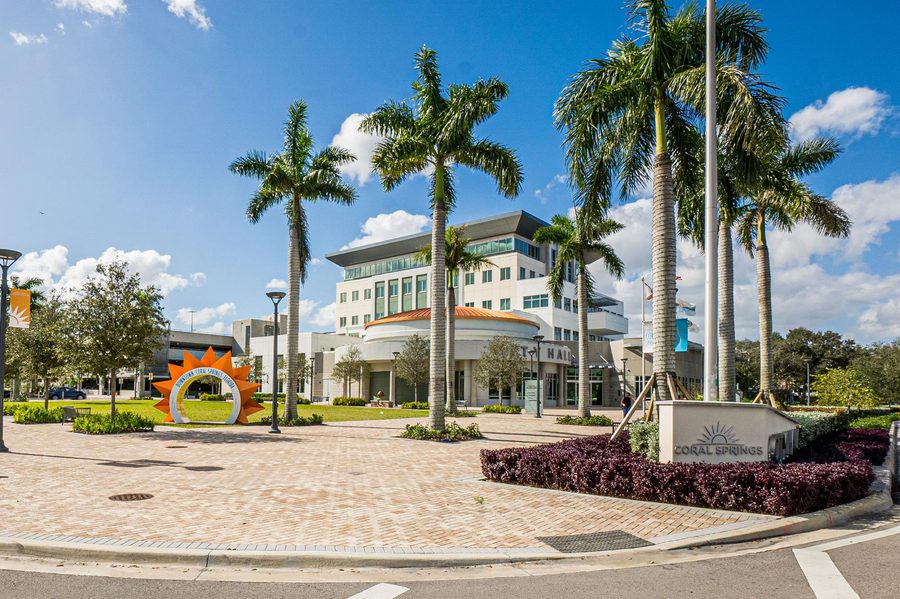
If you are asking whether Coral Springs investment property makes sense in 2026, the short answer is yes, but not for the reasons most out-of-state investors assume. This is not a market where you flip a condo in eighteen months and walk away with a 20 percent gain. Coral Springs investment property rental demand, returns, and where to look come down to one thing: this is a built-out, school-driven family suburb where renters stay put, vacancy stays low, and the money is made in steady cash flow and slow, dependable appreciation, not speculation.
Stanley has worked this corridor of Broward County long enough to know the difference between a hot headline and a real number. This guide breaks down what rents actually look like right now, what a realistic return looks like after taxes, insurance, and HOA fees, and exactly which pockets of Coral Springs are producing the best numbers for landlords in 2026.
Coral Springs Investment Property: Rental Demand, Returns, and Where to Look
Coral Springs was built out mostly between the 1970s and the 1990s, which means the housing stock is mature, established, and largely free of the HOA-heavy new construction premiums you see in Parkland. That matters for investors because it keeps entry prices lower relative to rent, which is the whole game in rental real estate. A $560,000 single-family home in a new Parkland community with a CDD fee attached rents for meaningfully less, proportionally, than a $460,000 three-bedroom in a 1985-built Coral Springs neighborhood with no CDD and a modest HOA.
The demand side is simple and durable: Broward County families move to Coral Springs for the schools, specifically the feeder pattern into Marjory Stoneman Douglas High School, Coral Springs High School, Taravella High School, and Coral Glades High School. A large share of renters here are families testing the city before they buy, corporate relocations on a one-to-two year assignment, and divorced or downsizing households who want to stay in the school zone without owning. That is a very different renter profile than a Fort Lauderdale beach condo renter or a Miami short-term rental tenant, and it produces longer average tenancies, which lowers turnover cost and vacancy loss for landlords.
If you want the full picture of the city before you underwrite a deal here, start with the Coral Springs Complete Guide: Everything You Need to Know Before Moving. It covers the geography, the corridors, and the general cost of living that shapes who is renting and why.
Who Is Renting in Coral Springs and Why
Three renter profiles dominate the Coral Springs market, and understanding which one you are targeting changes which property type and neighborhood you should buy.
The school-zone family
This is the biggest and most stable segment. A family relocating from out of state, or moving within Broward, wants to lock in a Coral Springs address for the school zone before they commit to buying. They typically want a three or four-bedroom single-family home, are willing to sign a full 12-month lease (sometimes longer), and treat the home carefully because their kids are enrolled in the local schools. Turnover on this renter type tends to run two to four years, which is long by rental standards.
The corporate or medical relocation
Coral Springs sits close to the Sawgrass Expressway and the Sample Road and University Drive corridors, both of which feed employment in Sunrise, Coconut Creek, and North Lauderdale. Renters here are often on 12 to 24-month assignments and prefer turnkey townhomes or smaller single-family homes that require less upkeep.
The downsizer or in-between buyer
Coral Springs has an aging original homeowner base, and some of those households sell and rent locally while they figure out their next move, often into a 55-plus community or out of state. This group leans toward smaller condos and townhomes and values proximity to shopping along Coral Ridge Drive and Royal Palm Boulevard.
What Rents Actually Look Like in 2026
Numbers move, but the ranges below reflect what is actually closing on lease agreements across Coral Springs right now, not list-price optimism.
- Three-bedroom, two-bath single-family home: roughly $2,900 to $3,400 per month, depending on age, garage, and pool.
- Four-bedroom single-family home: roughly $3,400 to $4,200 per month, with homes in Eagle Trace and Turtle Run pushing the top of that range due to the golf course and gated setting.
- Two-bedroom townhome: roughly $2,100 to $2,600 per month.
- Two-bedroom condo: roughly $1,900 to $2,300 per month, though HOA rental caps make inventory tighter than the demand for it.
Vacancy for well-priced, well-maintained single-family rentals in the school zones typically runs under 30 days between tenants. Condos and townhomes with rental restrictions can sit longer if the HOA’s approved-rental quota is full, which is a detail too many out-of-market investors skip before they buy.
Cap Rates and Cash Flow: Running the Real Numbers
Here is where honesty matters more than optimism. Coral Springs is not a high cap rate market. It is a moderate, defensible cash flow market with better downside protection than newer, more expensive Broward suburbs.
Single-family homes
Take a $460,000 three-bedroom home renting at $3,100 per month. Gross annual rent is $37,200, which is a gross yield of about 8.1 percent. After property taxes (Broward County effective rates typically land around 1.7 to 2.0 percent of assessed value), insurance, HOA if applicable, and a vacancy and maintenance reserve, most investors are netting a cap rate in the 4 to 5 percent range. That is a reasonable, unspectacular number, which is exactly what a mature, low-drama suburb should produce.
Townhomes and condos
A $310,000 townhome renting at $2,300 per month grosses $27,600 annually, or about 8.9 percent gross yield. HOA fees eat more of the margin here, often $300 to $500 per month, but the lower purchase price and strong renter demand for turnkey product often puts net cap rates in the 5.5 to 6.5 percent range, better than single-family in most cases, assuming the HOA allows the rental in the first place.
The real driver of returns
The honest answer is that most of the total return in Coral Springs investment property comes from principal paydown and slow, steady appreciation over a five-to-ten-year hold, not from monthly cash flow alone. If you need a property to throw off large positive cash flow in year one after a 20 to 25 percent down payment, Coral Springs single-family homes are a tight fit. If you are underwriting a longer hold with reasonable leverage, the numbers work.
For a full read on where prices and inventory actually sit right now, see the Coral Springs Real Estate Market: What Prices and Inventory Look Like in Mid-2026, which lays out the pricing environment this rental math is built on.
HOA Rules, Rental Restrictions, and What Trips Up New Investors
This is the single most common mistake out-of-state and first-time investors make in Coral Springs: buying a townhome or condo without reading the HOA’s leasing restrictions first.
Common rules across Coral Springs communities include:
- Minimum ownership period before leasing. Many HOAs require you to own the property for one full year before you are permitted to rent it out, which kills the plan for investors expecting to close and lease immediately.
- Rental caps. Some condo and townhome associations cap the percentage of units that can be leased at any given time, often somewhere between 20 and 35 percent of the community. If the cap is full, you go on a waitlist, and your unit sits vacant collecting no rent.
- Minimum lease term. Most Coral Springs HOAs require a minimum 12-month lease and prohibit short-term or seasonal rentals entirely. If your business model depends on furnished or short-term rentals, Coral Springs is generally the wrong city, and you should be looking at coastal Broward instead.
- Tenant screening and approval. Boards often require tenant applications, background checks, and board approval before move-in, which adds two to four weeks to your leasing timeline. Build that into your vacancy assumptions.
Single-family homes without an HOA, or with a light HOA that only governs exterior standards, avoid most of this friction entirely, which is one more reason single-family product remains the default choice for buy-and-hold investors here.
Where Investors Are Finding the Best Returns
Location inside Coral Springs matters more than most buyers expect, because school zone, HOA structure, and renter profile all shift block by block.
Ramblewood and Riverside
These are established, non-gated single-family neighborhoods in the eastern part of the city, generally the most affordable entry point for a three-bedroom single-family rental. Lower purchase prices relative to rent produce some of the better cap rates in the city, and the light or nonexistent HOA structure means no rental restrictions to navigate.
Maplewood and Cypress Run
Mid-tier single-family neighborhoods with solid school zoning and steady, reliable family renter demand. Slightly higher purchase prices than Ramblewood, but rents track close behind, keeping yield competitive.
Shadow Wood and Kensington (townhomes)
Two of the better-performing attached-product communities for landlords who have confirmed favorable rental caps with the HOA in advance. Lower price point than single-family, strong renter demand from the corporate relocation and downsizer segments described above.
Eagle Trace and Turtle Run
Gated, golf-adjacent communities that command premium rents, often $3,800 and up for a four-bedroom home. These work better for investors with more capital who want a renter profile that skews toward stability and longer tenancies, but entry prices and HOA dues are higher, which compresses cap rate even as gross rent looks attractive on paper.
If you are weighing Coral Springs against the newer, CDD-heavy communities just north, it is worth reading Coral Springs vs. Parkland: Which Broward Suburb Is Right for Your Family? side by side with your numbers, because Parkland’s newer inventory changes the investment math significantly, mostly in the wrong direction for cash flow investors.
Property Taxes, Insurance, and the Other Carrying Costs
Two costs consistently get underestimated by investors modeling Coral Springs deals from out of state.
Property taxes. Broward County’s effective rate typically runs in the 1.7 to 2.0 percent range of assessed value, and unlike a homesteaded owner-occupant, an investment property does not get the Save Our Homes assessment cap or homestead exemption, so your tax bill can run noticeably higher than what the previous owner-occupant was paying. Always pull the actual non-homestead tax estimate before you underwrite, not the seller’s current bill.
Insurance. Coral Springs sits inland, away from the coastal flood zones that drive up premiums closer to the water, which is a real advantage over beachside Broward investment property. Still, Florida property insurance overall has climbed hard over the past several years, and a landlord (non-owner-occupied) policy typically costs more than a standard homeowner’s policy on the same house. Budget for it specifically rather than assuming it will mirror what an owner-occupant pays.
HOA fees, where applicable, need to be baked into net yield calculations, not treated as a rounding error. On a townhome with a $400 monthly HOA fee, that is $4,800 a year coming straight off your net operating income before you ever get to taxes and insurance.
Single-Family vs Townhome vs Condo: Which Fits Your Strategy
- Choose single-family if you want the fewest rental restrictions, the longest average tenancy, and don’t mind a lower gross yield in exchange for lower headache and more control over lease terms.
- Choose a townhome if you have confirmed the HOA’s rental cap has room, and you want a lower entry price with a renter pool that skews toward corporate relocations and downsizers.
- Choose a condo only after reading the HOA docs in full. Coral Springs condo boards are often the most restrictive on leasing, and Florida’s post-Surfside condo reserve requirements have pushed HOA fees and special assessments higher across the state, which can quietly wreck a condo’s cap rate even when the purchase price looks attractive.
If you are new to the city entirely and want the ground-level view of what living here is actually like before you commit capital, Living in Coral Springs: Parks, Dining, Activities, and What Day-to-Day Life Looks Like and Coral Springs Neighborhoods: Where to Live and What Each Area Is Like are worth reading before you tour properties, because renter demand tracks the same lifestyle draws that pull owner-occupant buyers.
Risks and Honest Downsides
No investment guide is complete without the parts that don’t sell as well.
Coral Springs is not a high-growth appreciation story. It is a built-out, mature suburb. Most of the dramatic price growth already happened. Expect appreciation closer to the long-run Broward County average, not the outsized gains newer master-planned communities sometimes see in their first few years of delivery.
Older housing stock means older systems. A lot of Coral Springs single-family inventory dates to the 1980s and 1990s. Roofs, AC systems, and water heaters on original or first-replacement cycles are common, and Florida insurers increasingly require updated roofs to bind or renew a policy. Budget a real capital expenditure reserve, not just a maintenance line item.
HOA rental restrictions can trap capital. As covered above, buying a condo or townhome without confirming rental eligibility is the number one way investors end up with a property they cannot legally lease for a year, or at all if the rental cap is full.
This is a family market, not a short-term rental market. If your business model needs furnished, 30-day, or seasonal rentals, Coral Springs HOAs and city zoning generally do not support it. Look toward coastal Broward or Miami-Dade for that strategy instead.
How to Get Started
The reality is that Coral Springs investment property rewards patience and due diligence over speed. Before you make an offer:
- Pull the actual non-homestead property tax estimate, not the current owner’s bill.
- Get the HOA or condo docs and confirm the minimum lease term, ownership-before-leasing rule, and current rental cap status in writing.
- Get a real landlord insurance quote before you go under contract, not after.
- Compare the specific neighborhood’s rent comps against your target purchase price to confirm the yield holds up, not just the city-wide averages.
If you’re also weighing whether to buy your own home here first and rent it out later, or want the numbers on getting into the market as a first-time investor, First-Time Buyer in Coral Springs: What to Expect and Where to Start walks through the entry-level side of this same market.
Coral Springs investment property is not a get-rich story. It is a steady, school-driven rental market with dependable demand, moderate but real cap rates, and a set of HOA rules that punish investors who skip the paperwork. Run the numbers on the specific address, confirm the rental rules before you close, and this remains one of the more defensible buy-and-hold plays in Broward County.
Want the current rent comps and HOA rental status for a specific Coral Springs address you’re considering? DM me “CORAL SPRINGS INVESTOR” and I’ll send you what’s actually renting on that block right now.
More articles you might like
Coral Springs Complete Guide: Everything You Need to Know Before Moving
13 min readFirst-Time Buyer in Coral Springs: What to Expect and Where to Start
14 min readCoral Springs vs. Parkland: Which Broward Suburb Is Right for Your Family?
13 min readLiving in Coral Springs: Parks, Dining, Activities, and What Day-to-Day Life Looks Like
17 min readNew Construction in Coral Springs: What Is Available and What It Will Cost You
13 min read