Moving to Pembroke Pines, Florida (2026): The Honest Relocation Guide
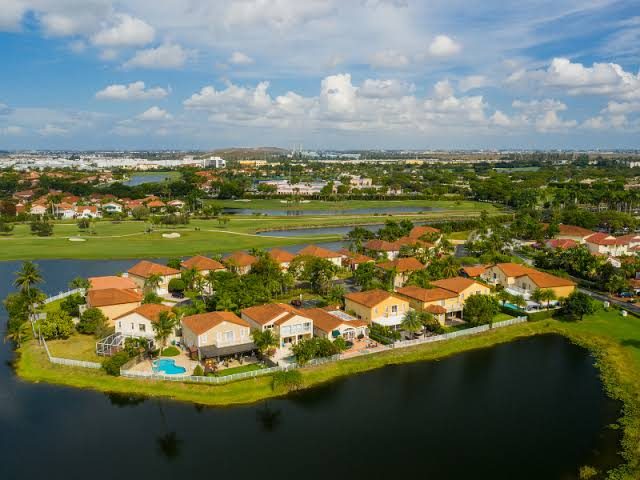
Moving to Pembroke Pines means choosing one of Broward County’s biggest, most family-oriented suburbs, and it’s a good move if you want newer housing, strong schools, and a quieter pace than Fort Lauderdale or Miami. It is not the right move if you’re picturing a walkable downtown or a short commute to the coast. Pembroke Pines is roughly 60 square miles of rooftops, canals, shopping plazas, and gated communities, and the version of the city you get depends almost entirely on which section you land in. This guide covers what it’s actually like to live here, what things cost in 2026, and how to pick the right area instead of guessing off a map.
Moving to Pembroke Pines in 2026: The Short Answer
If you’re relocating for work, family, or retirement and you want a Broward suburb with good public schools, relatively new housing stock (a lot of it built from the 1990s through today), and HOA-run communities with amenities, Pembroke Pines checks those boxes. What it doesn’t offer is a downtown in the traditional sense, easy beach access, or a short commute if your job is in Fort Lauderdale or Miami. It’s a car-dependent, plaza-and-community suburb, and it does that job well. The honest version of this guide is for people who want to know that going in, not after they’ve signed a contract.
Here’s the pattern I see most with relocating buyers who end up happy in Pembroke Pines versus the ones who list their house again 18 months later. The happy ones came in already knowing they wanted a quiet, structured, family-first suburb and picked their specific pocket around schools and commute. The ones who leave usually moved here because it “sounded like Florida” without doing the legwork on what daily life actually looks like west of I-75. This guide is written so you land in the first group.
What Living in Pembroke Pines Is Actually Like
It’s a city of communities, not a city with a center
Pembroke Pines doesn’t have a single downtown you’d recognize as one. Life happens inside gated and non-gated residential communities, at shopping centers like Pembroke Lakes Mall and Shops at Pembroke Gardens, and at the parks system, which is genuinely one of the city’s strengths. C.B. Smith Park alone has a water park, fishing lake, and camping area. If your idea of home is a walkable main street with coffee shops and foot traffic, you’re better served looking at something like Mainstreet in Coconut Creek, which is being built specifically around that concept, or Altessa at Wilton Manors, a gated townhome community in a genuinely walkable, city-adjacent pocket of Broward. Pembroke Pines trades that walkability for space, newer construction, and lower density per dollar.
That tradeoff is worth sitting with before you commit. A family moving here from a walkable Northeast suburb, the kind where you send a kid to grab milk from the corner store, needs to mentally rewire around plaza life. You’ll drive to the grocery store, drive to the gym, drive to the kids’ practice, and drive to dinner. None of those drives are long by national standards, most are 10 to 15 minutes, but they’re all drives. If that sounds fine, Pembroke Pines will feel comfortable within a few months. If it sounds like a dealbreaker, it’s worth test-driving the lifestyle on a visit before you buy rather than discovering it after the moving truck leaves.
East side vs. west side is the real dividing line
The eastern part of Pembroke Pines, closer to Hollywood and University Drive, is older, more established, and closer to I-95 and the Turnpike. The western part, out past Flamingo Road and toward Pines Boulevard’s far end, is newer, has more of the gated community product, and is where most of the active new construction is happening. West side buyers get newer homes and community amenities. East side buyers get shorter drives to the coast and often better resale liquidity because the housing stock has a longer track record.
There’s also a middle ground worth naming: the corridor roughly between Palm Avenue and Flamingo Road, built out mostly in the 1990s and early 2000s, which gives you a lot of the amenity-rich HOA product without pushing you all the way to the far western edge of the city near the Everglades buffer. Buyers who want a compromise between “newest possible construction” and “shortest possible commute” often end up shopping this middle band without realizing that’s what they’re doing.
The pace is quiet, and that’s the point
Evenings and weekends in Pembroke Pines revolve around youth sports leagues, HOA clubhouse events, and family outings to the parks. It’s not a nightlife city. If you’re moving from a dense urban market and expecting some version of that energy, recalibrate. People choose Pembroke Pines specifically to get away from that pace, not to find it here. If you want a night out, you’re driving 25 to 35 minutes to Fort Lauderdale, Hollywood Beach, or the Hard Rock area in Hollywood, and you’re planning that drive in advance rather than wandering into it.
For retirees and empty nesters, this quiet pace is often exactly the draw, especially in established 55+ communities like Century Village at Pembroke Pines, which has its own internal amenity ecosystem (clubhouses, pools, activities) built specifically so residents don’t need to leave the property often. For a family with two working parents and school-age kids, the same quiet pace shows up as predictability: practice at 5, dinner at 6:30, homework, repeat. Know which version of “quiet” you’re actually looking for.
Cost of Living: The Real Numbers
Housing
New construction townhomes in Pembroke Pines right now mainly means Merrick Square by D.R. Horton and Sunset Pines by Lennar, both running roughly the $540s to $720s depending on layout and lot. Merrick Square, a gated townhome community in West Pembroke Pines, offers three and four bedroom layouts ranging from around 1,700 to 2,200 square feet under air, with one-car garages, impact windows, and granite counters, plus a community clubhouse, fitness center, resort-style pool, and children’s playground. Lennar’s Tuscan Springs, a gated townhome community near Pines Boulevard and SW 185th Way, has been selling in phases since sales launched in April 2026 with quick move-in options, five two-story layouts ranging from about 1,400 to 1,800 square feet, fenced rear yards, and 2-car garages, and it carries no CDD assessments, which is a real advantage compared to some other new construction in Broward.
Resale single-family homes across the city span a wide range, generally the $500s to $800s depending on age, size, and which section of the city you’re in, with older east side homes sometimes coming in lower and newer west side gated communities running higher. If you’re cross-shopping resale against new construction, remember you’re not just comparing sticker price, you’re comparing sticker price plus whatever repairs, updated systems, or deferred maintenance the resale home is carrying.
HOA and CDD fees
This is where a lot of relocators get surprised. Pembroke Pines has a high concentration of HOA-governed communities, and dues vary widely depending on what the community includes. Gated townhome communities with clubhouses, pools, and fitness centers typically run from the low hundreds to several hundred dollars a month. Merrick Square, for example, carries monthly HOA dues that run roughly $150 to $420 depending on unit type and amenities included, which is a meaningful swing if you’re budgeting off an average number a listing agent quoted you over the phone.
Some communities also carry CDD assessments on top of HOA dues, which fund infrastructure like roads and drainage and get paid alongside your property tax bill. Tuscan Springs is a good example of a community that skips this cost entirely, while other new developments in Broward layer a CDD on top of HOA dues, effectively creating two separate monthly housing costs beyond the mortgage. If you’ve never dealt with a CDD before, read what a CDD fee actually is and how it works before you go under contract anywhere in South Florida, not just Pembroke Pines. It changes your real monthly payment more than most buyers expect.
Here’s a worked example that shows why this matters. Say you’re comparing two townhomes both listed at $650,000. Home A has HOA dues of $180 a month and no CDD. Home B has HOA dues of $310 a month plus a CDD assessment that adds another $140 a month. That’s a $270 monthly gap, over $3,200 a year, between two homes with an identical purchase price. Over a 10-year hold, that’s more than $32,000 in additional carrying cost that never shows up on the listing sheet headline. Ask for the actual HOA budget and any CDD assessment schedule before you fall in love with either option.
Insurance and taxes
Florida has no state income tax, which is real money back in your pocket compared to states like New York, New Jersey, or California. What offsets that is homeowners insurance, which in Broward County has climbed significantly over the past several years due to hurricane risk and reinsurance costs. Get an actual insurance quote before you fall in love with a house, not after. Roof age and construction type drive premiums more than almost anything else, so a 2026-built townhome with a current roof and impact windows will often insure noticeably cheaper than a resale home with an aging roof, even if the resale home is priced lower.
Property taxes in Pembroke Pines are assessed by Broward County and vary based on homestead exemption status and the home’s assessed value, so a longtime Florida resident’s tax bill and a first-year newcomer’s tax bill on the same house can look very different. This catches out-of-state buyers off guard constantly: the tax bill you see on the listing is the current owner’s bill, not necessarily what yours will be once the sale triggers a reassessment. Ask your agent or the county property appraiser’s office to estimate your actual post-purchase tax bill, not the seller’s.
Day-to-day costs
Groceries, gas, and everyday expenses in Pembroke Pines track close to the broader South Florida average, meaning higher than the national average but not dramatically so compared to other Broward suburbs. The bigger cost differences show up in housing and insurance, not in daily spending. Childcare and youth sports league fees are worth budgeting for separately if you’re relocating with kids, since Pembroke Pines’ family-heavy culture means a lot of the social calendar runs through paid activities rather than free public amenities alone, though the parks system does offset some of that.
The Neighborhoods: Pembroke Pines Isn’t One Place
Established East Pembroke Pines
Older, closer to Hollywood and I-95, generally more affordable resale housing, mature landscaping, and a longer track record for buyers who want proven neighborhoods rather than the newest product. This is often the right call for buyers prioritizing commute time over having the newest kitchen finishes, since shaving 15 to 20 minutes off a daily round trip adds up to real hours back in your week over a year.
Chapel Trail and Grand Palms area
Centrally located, built out in the 1990s and 2000s, known for the Grand Palms golf community and a good mix of single-family homes at more moderate price points than the newest west side gated sections. This band of the city tends to appeal to move-up buyers who already know Pembroke Pines from renting or from family in the area and want more house for the money without going all the way to the newest construction on the far west edge.
West Pembroke Pines (Pines Boulevard corridor and beyond)
This is where most new construction activity is concentrated, including Merrick Square, Sunset Pines, and Tuscan Springs. Newer homes, HOA-heavy, more amenities, and typically a longer drive to the coast and to I-95. This is also where you’ll find Century Village and other established 55+ communities, so if you’re relocating parents or in-laws separately from your own household, it’s worth knowing both product types exist within a few miles of each other out here.
If Pembroke Pines isn’t quite it
Some buyers who start their search in Pembroke Pines end up realizing they actually want something adjacent. If you want more established, tree-lined character with larger lots, it’s worth comparing to Plantation, a neighboring Broward suburb with a different feel and its own mix of schools and price points. If you want a Lennar-built master-planned community with a strong track record for resale, Solterra in Sunrise is a fair comparison point, and its floor plan lineup gives you a sense of what similar Lennar product looks like at a similar price tier. It’s also worth glancing at neighboring Miramar to the south and Cooper City to the north, since both compete directly with Pembroke Pines for the same relocating-family buyer, often with slightly different school zoning and price positioning. None of these are better or worse than Pembroke Pines outright, they’re just different tradeoffs on the same general theme of suburban Broward living.
New Construction vs. Resale (and What You’ll Pay in HOA/CDD)
New construction pros
You get modern floor plans, impact windows, updated electrical and plumbing, and often lower near-term maintenance costs. Communities like The Vineyards, which gives a useful breakdown of how new construction floor plans in this part of Broward are actually laid out room by room, show what buyers are getting for the money in terms of square footage and configuration. That kind of side-by-side is worth reading before you tour a model home, because builder sales reps are trained to sell you up into options you may not need. A buyer walking into a Merrick Square or Tuscan Springs model without doing this homework first is far more likely to walk out having added $20,000 to $40,000 in upgrades that don’t meaningfully change resale value.
New construction cons
You’re often buying at the top of the market for that specific community, and new construction HOA dues can increase in the first few years as the developer hands control over to the homeowner association and reserve funding catches up to actual costs. Builder incentives (rate buydowns, closing cost credits) are real and worth negotiating, but they don’t replace doing your own math on the total monthly payment including HOA and, if applicable, CDD. It’s also worth asking directly what the reserve study looks like once the community turns over from builder control to a homeowner-run board, since underfunded reserves in year three or four can mean a special assessment nobody budgeted for.
Resale pros and cons
Resale homes in established Pembroke Pines neighborhoods have known HOA histories, known insurance costs, and often larger lots for the price. The tradeoff is you’re inheriting whatever deferred maintenance, older roof, or outdated electrical panel the previous owner didn’t address. A home inspection in Florida is not optional. Ever. Pay particular attention to roof age and the age of the air conditioning system, since both drive insurance costs and near-term replacement expenses more than almost any other line item on an inspection report.
One rule that applies everywhere in Pembroke Pines
The builder’s on-site sales rep works for the builder, not for you. Bring your own buyer’s agent to any new construction visit. On new construction, it costs you nothing out of pocket because the builder pays the commission on that side, so there’s no financial reason to walk in unrepresented. This applies whether you’re touring Merrick Square on a Saturday afternoon or driving out to see Tuscan Springs’ latest phase release. Sign in with your agent’s name from the first visit, not after you’ve already fallen for a specific lot.
Schools and Family Life
Pembroke Pines falls under Broward County Public Schools, and school assignment depends on your specific address, not just the city name. This is one of the most common mistakes out-of-state buyers make: assuming “Pembroke Pines” guarantees a specific school. It doesn’t. Two homes ten minutes apart can feed into very different elementary, middle, and high schools. If school zoning is a priority (and for most relocating families with kids, it should be near the top of the list), verify the exact zoned schools for any specific address you’re considering before you write an offer, not after.
The practical way to do this is to pull the address through the Broward County Public Schools boundary locator before you get emotionally attached to a house, and to do it for every serious contender on your shortlist, not just your favorite. Charter school options also exist within the city and are popular with families who want an alternative to their zoned public school, and several have waitlists, so if that’s part of your plan, start that process well before your closing date rather than after you’ve moved in.
For families relocating specifically for school quality, it’s worth having a direct conversation about which section of Pembroke Pines feeds into which schools before you even start touring homes, because it can eliminate entire pockets of the city from consideration and save you from touring houses you were never going to buy anyway.
Commute and Corridors
Getting to Fort Lauderdale or Miami
Pines Boulevard, Sheridan Street, and I-75 are the main arteries out of Pembroke Pines. Depending on where in the city you live and where you’re headed, daily commutes into downtown Fort Lauderdale or Miami typically run 35 to 50 minutes each way, and that number climbs during peak traffic hours. This is the single biggest adjustment for relocators coming from markets where a 20-minute commute felt long. If your job is fully remote or based in western Broward, this matters much less. If you’re commuting daily to the coast, factor it in seriously before you buy on the far west side of the city.
Do the actual drive at your actual commute time before you buy, ideally more than once. A Tuesday morning at 7:45 a.m. and a Friday afternoon at 5:15 p.m. can look like two completely different commutes on the same road, and the number you see on a map app on a quiet Sunday will not match either one.
Airport access
Fort Lauderdale-Hollywood International Airport (FLL) is a reasonable drive from most of Pembroke Pines, generally 20 to 30 minutes depending on traffic and which part of the city you’re in, which is a real convenience for frequent flyers and for hosting out-of-town family. This is one of the underrated advantages of the city relative to some other western Broward suburbs, since it puts you close enough to the airport for an early flight without living anywhere near it day to day.
The Tradeoffs Nobody Tells You
You will pay an HOA, probably more than one bill
Between the base HOA dues, potential CDD assessments, and mandatory master association fees in some larger developments, it’s common for buyers to underestimate their true monthly housing cost by several hundred dollars. Get the actual HOA budget and reserve study before you close, not just the monthly number quoted by the listing agent.
Insurance shock is real
Buyers coming from states with lower catastrophe risk are consistently surprised by Florida homeowners insurance premiums. Get a real quote early in your search, tied to the specific home’s age, roof, and construction type, not a generic estimate. Two nearly identical homes with different roof ages can carry insurance quotes that differ by well over a thousand dollars a year.
The city is spread out, and that has a cost beyond gas money
More time in the car means less spontaneous walkability, more errands bundled into single trips, and a lifestyle that leans heavily on planning rather than dropping into a nearby spot on a whim. Some people love the predictability. Others find it isolating after a year or two. Know which one you are before you commit to a 30-year mortgage.
Resale isn’t automatic in every community
Some newer gated communities with high HOA dues can be a harder sell down the road if fees keep climbing faster than comparable non-HOA or lower-fee neighborhoods. This isn’t a reason to avoid HOA communities, it’s a reason to ask for the HOA’s fee history over the last five years, not just this year’s number. A community whose dues have crept from $180 to $340 a month in five years is telling you something about future assessments that the current sale price won’t reflect until it’s your problem.
Who Pembroke Pines Is Really For (and Who Should Look Elsewhere)
Pembroke Pines is a strong fit if you’re a family relocating for schools and space, a retiree who wants an established 55+ community with built-in amenities, or a buyer who works from home or works locally in western Broward and doesn’t need a coastal commute. It’s a weaker fit if you want walkability, nightlife within a short drive, or beach access as part of your daily routine rather than an occasional weekend trip. It’s also a tougher fit for buyers who are commuting daily to downtown Miami, where the drive from the far west side of Pembroke Pines can eat well over an hour each way during peak traffic. None of that makes the city wrong, it just means matching the city to your actual life instead of your idea of Florida living.
How to Choose the Right Area for You
Start with your actual daily life, not the city’s reputation. If you commute to the coast five days a week, prioritize east side or central neighborhoods with faster access to I-95 and the Turnpike, even if it means an older home. If you work from home or work locally in western Broward, the newer west side communities with more amenities make more sense, and the commute tradeoff mostly disappears. If schools are the deciding factor, verify zoning for the exact address before anything else, because “Pembroke Pines schools” as a blanket assumption will lead you wrong. If you’re weighing Pembroke Pines against a neighboring suburb, spend a weekend actually driving both at rush hour, not just touring model homes on a quiet Tuesday morning. The brochure never shows you the traffic.
Frequently Asked Questions
Is Pembroke Pines a good place to relocate to from out of state? Yes for families and buyers who want strong schools, newer housing stock, and a quieter suburban pace, but not if you want a walkable downtown or the short indoor-outdoor lifestyle that a city like Fort Lauderdale or Wilton Manors offers.
What does it actually cost to live in Pembroke Pines in 2026? Plan on new construction townhomes starting in the $540s to $720s, resale single-family homes generally in the $500s to $800s depending on the neighborhood, HOA dues from roughly $150 to $500 or more a month, and no state income tax offsetting some of the higher home insurance and HOA costs.
What’s the biggest tradeoff people don’t expect when moving to Pembroke Pines? The commute. Much of Pembroke Pines sits west of I-75, and daily trips into Fort Lauderdale or Miami routinely run 35 to 50 minutes each way depending on the corridor and time of day, longer during peak hours.
Is Pembroke Pines good for retirees? It can be, particularly in established 55+ communities like Century Village at Pembroke Pines, which offer their own internal amenities and a genuinely quiet, low-maintenance lifestyle. Retirees who want proximity to the beach or a walkable town center should look closer to the coast instead.
How does Pembroke Pines compare to Miramar or Cooper City? All three are family-oriented Broward suburbs competing for similar buyers. Miramar sits just south and often runs slightly more affordable in spots, Cooper City sits just north and is known for its own strong school reputation with smaller overall housing supply, and Pembroke Pines sits in between with the widest range of both new construction and established resale inventory of the three.
If you’re seriously considering the move, the next step isn’t another list of amenities, it’s a real conversation about your commute, your budget including HOA and insurance, and which specific pocket of the city actually fits your daily life. DM me “PINES” and I’ll walk you through current listings and the honest tradeoffs for your specific situation.


More articles you might like

Moving to Coconut Creek, Florida (2026): The Honest Relocation Guide
17 min readMoving to Parkland FL: The Honest Relocation Guide (2026)
16 min read
Moving to Doral, FL: The Honest Relocation Guide (2026)
17 min readMoving to Wellington, FL: The Honest Relocation Guide (2026)
14 min read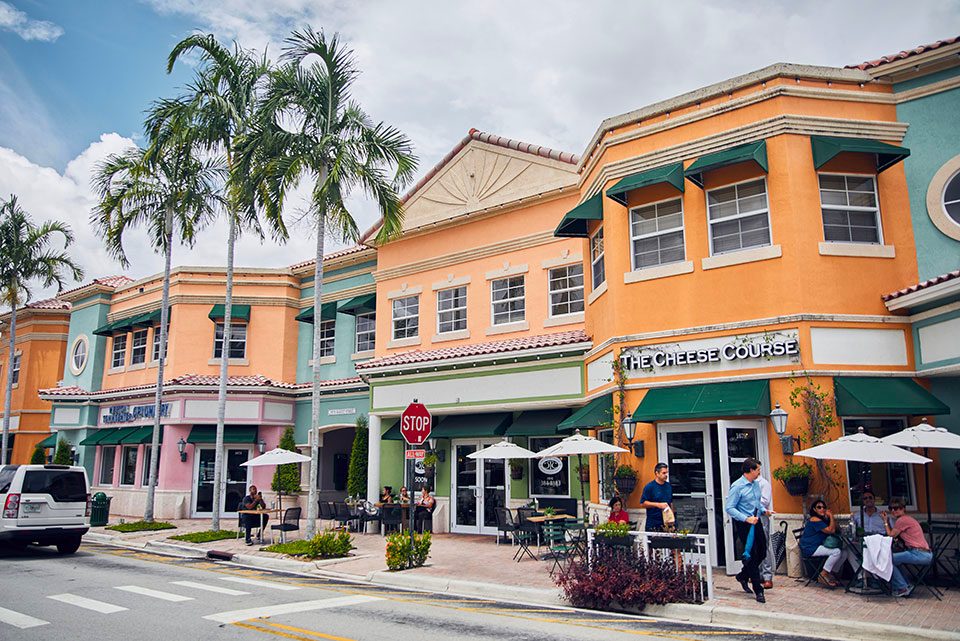
Moving to Weston: Broward's Most Polished Suburb and What It Costs
19 min read