Moving to Tamarac, Florida (2026): The Honest Relocation Guide
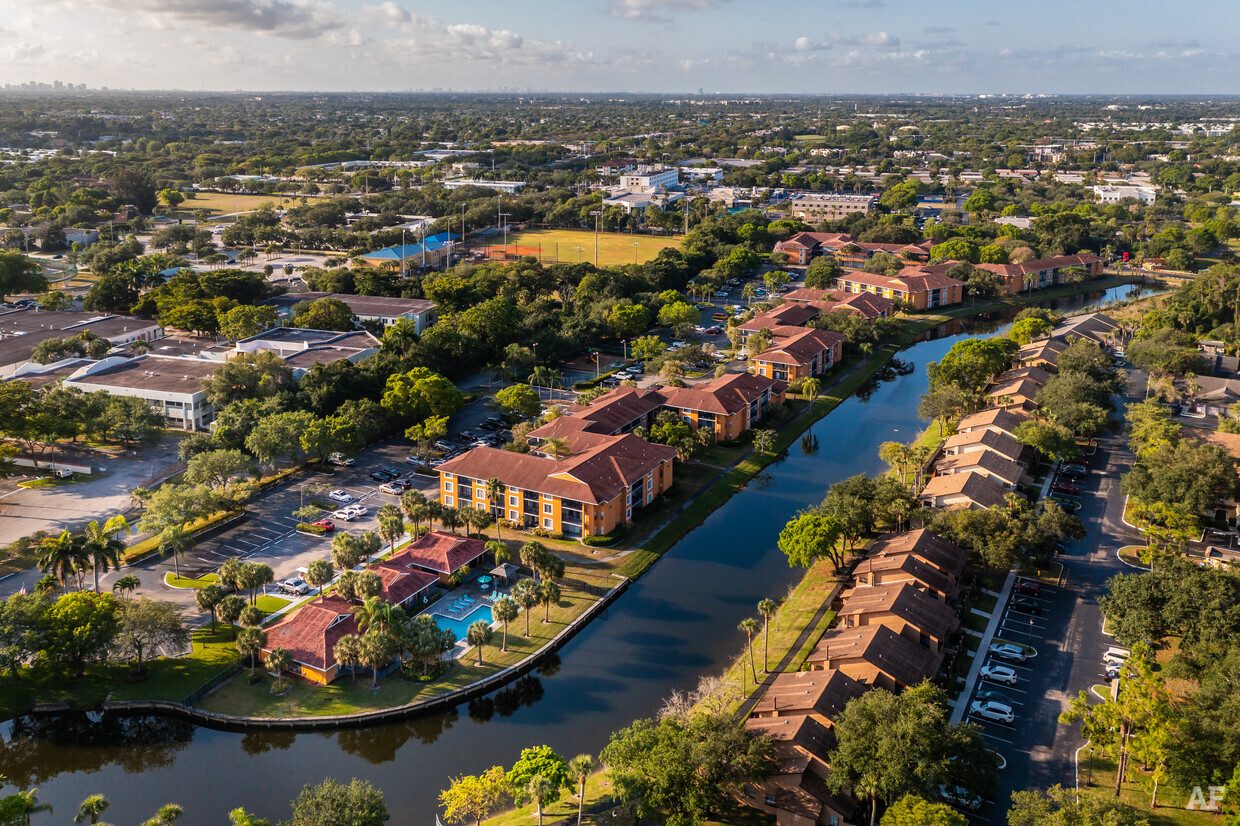
Moving to Tamarac, Florida (2026): The Honest Relocation Guide
Moving to Tamarac means accepting a trade. You give up beach proximity and the “everyone’s heard of it” name recognition, and in exchange you get lower prices, a quieter pace, and a central Broward location that still puts Fort Lauderdale, Coral Springs, and the Sawgrass Expressway within a short drive. That trade works great for some buyers and badly for others, and the difference usually comes down to which part of Tamarac you land in.
This isn’t a highlight reel. It’s what you actually need to know before you sign a lease, put in an offer, or tell your agent “find me something in Tamarac.” We already covered the full data picture in Tamarac, Florida: The Complete Guide (2026). This piece is the relocation version: the day-to-day reality, the costs, the tradeoffs nobody puts in a listing description, and how to pick the right area for your actual life.
Who Tamarac Actually Fits
Tamarac has a split personality, and that’s the first thing you need to understand before anything else.
On one side, you have Kings Point, a massive 55+ gated community that has defined Tamarac’s reputation for decades. Golf courses, clubhouses, a bus system, and a population that skews heavily retired. On the other side, you have family neighborhoods like Westwood Community, Mainlands, and Sabal Palm, where you’ll find ranch-style single-family homes, younger buyers priced out of Coral Springs and Parkland, and a very different day-to-day rhythm.
This matters because the “Tamarac” you picture in your head might not be the Tamarac you actually move into. If you’re a family with school-age kids, you are not shopping in the same Tamarac as a retiree looking at Kings Point condos. Know which Tamarac you’re buying into before you get attached to a price.
Here’s how that plays out in real life. I’ve had buyers call me after driving through Kings Point on a Tuesday afternoon, assuming the whole city feels that way, slow traffic, golf carts, early dinner hours. Then they drive five minutes east into Westwood Community and see kids riding bikes, basketball hoops in driveways, and a completely different energy. Both are “Tamarac.” Neither is wrong. But if you buy in one expecting the other, you’ll be unhappy by month three. Ask yourself honestly what your weekday looks like, who else lives on the street, and whether you want a bus stop or a golf cart path outside your door, before you start touring.
Where Tamarac Sits and What Your Commute Looks Like
Tamarac sits in central Broward County, bordered by Coconut Creek to the north, North Lauderdale and Lauderdale Lakes to the east, Sunrise to the south, and Coral Springs just to the west. It’s fully inland, which is the single biggest thing out-of-state buyers misjudge.
University Drive runs the length of the city and is your main spine for shopping, medical offices, and restaurants. Commercial Boulevard and McNab Road are your east-west connectors, and they’ll get you to the Sawgrass Expressway (good for trips to Sawgrass Mills, Coral Springs, or north toward Boca) or east toward I-95 and US-1 if you’re beach-bound.
Here’s the honest version of the commute math: downtown Fort Lauderdale is roughly 30 to 35 minutes depending on the time of day, and the actual beach (Fort Lauderdale Beach or Deerfield Beach) is 20 to 30 minutes. That’s not bad, but it’s also not “I can see the ocean from my porch.” If daily beach access is non-negotiable for you, Tamarac was never going to be the right fit, and that’s fine to admit upfront rather than discover six months in.
Airport access deserves its own mention because it comes up constantly with relocating buyers. Fort Lauderdale-Hollywood International (FLL) is a straightforward 25 to 30 minute drive via the Sawgrass Expressway and I-595, which matters more than people expect if you travel for work or you’re flying back to see family up north regularly. Compare that to trying to get to FLL from somewhere east of US-1 during rush hour, and Tamarac’s central position starts to look like a genuine commuting advantage rather than just a consolation prize for skipping the coast.
If you’re cross-shopping and want a direct neighbor comparison, Moving to Margate, Florida (2026): The Honest Relocation Guide covers a nearly identical commute profile one city over, and Is Coconut Creek, Florida a Good Place to Live? An Honest Take (2026) is worth reading if you’re torn between the two inland Broward options just north of Tamarac.
Cost of Living: What You’re Actually Paying
Tamarac’s biggest selling point is still price, but “affordable” in Broward County in 2026 doesn’t mean what it meant five years ago, and you need real numbers, not a vibe.
Housing. Single-family homes in neighborhoods like Westwood and Mainlands are where you’ll find the most competitive entry points in the city, typically well under what you’d pay for comparable square footage in Coral Springs or Parkland. Kings Point condos sit at the other end, where the purchase price can look cheap on paper, but the HOA fee is doing a lot of the heavy lifting in the real monthly cost (more on that below).
New construction is thin right now. The one project worth tracking is The Woodlands by 13th Floor Homes, a small luxury development of just three homes going up on a former golf course parcel. It’s presale, with construction scheduled to start in late 2026 or 2027, and pricing hasn’t been released yet. The planned amenity package is ambitious for a project this size, a private clubhouse, resort-style pools, on-site dining, a fitness center, clay tennis courts, and walking trails, but the honest read is that this is a boutique project, not a volume builder flooding the market. If you want new construction in Tamarac specifically, your options are limited right now, and you should expect to wait and watch rather than walk into active model homes this year.
HOA and CDD reality check. Tamarac does not have CDD assessments on most of its established neighborhoods, which is a meaningful cost advantage over some of the newer master-planned communities further west and north in Broward. But HOA fees vary enormously by product type. In Kings Point and other 55+ communities, monthly fees commonly run $400 to $600 or more, and they cover golf access, clubhouse amenities, exterior maintenance, and increasingly, the cost of post-Surfside structural reserve requirements on older buildings. In single-family neighborhoods, HOA fees (where they exist at all) tend to be a fraction of that.
Insurance. Being inland is a genuine advantage here. Tamarac isn’t in a coastal flood zone, so you’re not paying the same flood insurance premiums you’d see in Fort Lauderdale’s barrier island communities. You’re still in Florida, so windstorm and property insurance costs are real and climbing, but inland Broward consistently prices better than coastal Broward on this line item.
Daily life costs. Groceries, gas, and dining run in line with the rest of Broward County. University Drive has enough density of shopping and medical offices that you’re not driving 20 minutes for basics, which helps offset some of the “inland and quiet” tradeoff. You’ve got multiple Publix locations along University Drive and Commercial Boulevard, a handful of medical office parks that cater heavily to the 55+ population (convenient if you’re the one retiring, less relevant if you’re the family buyer), and enough strip-mall dining to cover the basics without driving into Coral Springs every night. What you won’t find much of is the newer, trendier restaurant scene that’s popped up in places like Wilton Manors or downtown Fort Lauderdale. That’s a conscious tradeoff, not an oversight.
Utilities and taxes. Broward County’s property tax millage applies the same way it does across the county, so your effective rate is driven more by assessed value and any homestead exemption timing than by Tamarac specifically. If you’re moving from a state with no property tax or a much lower one, build the real number into your budget during underwriting, not after your first escrow analysis shows up with a surprise.
The Housing Mix: 55+, Family Neighborhoods, and the New Construction Gap
If you take one thing from this guide, take this: Tamarac’s housing stock is not one thing, and you need to shop it as three separate markets.
Kings Point and the 55+ communities. This is Tamarac’s legacy identity. Large-scale gated communities with golf, clubhouses, and an age-restricted population. These can be a genuinely good value for retirees who want amenities and community built in, but buyers need to go in with eyes open about aging infrastructure. Many of these buildings are decades old, and Florida’s post-Surfside condo reform laws have forced associations statewide to fund real reserve studies and, in some cases, levy special assessments. Ask for the reserve study and the last two years of board minutes before you fall in love with a low list price. The HOA fee you see today is not necessarily the HOA fee you’ll be paying in three years.
Think through this scenario: a retired couple relocating from the Northeast sees a Kings Point unit listed well below what they’d pay for a comparable condo closer to the coast. They write an offer without pulling the condo docs, assuming the low price means low risk. Six months after closing, the association announces a special assessment tied to roof and structural reserve funding that was deferred for years before the state mandated it get fixed. That couple isn’t unusual, it’s a pattern repeating across older associations throughout Broward and Miami-Dade right now. The fix is simple and it costs you nothing but time: request the most recent reserve study, the last two board meeting minutes, and the current litigation disclosure before you go under contract, not after.
Family single-family neighborhoods. Westwood Community, Mainlands, and Sabal Palm are where you’ll find the ranch-style homes, bigger lots, and the buyers who are actually choosing Tamarac over Coral Springs or Margate because the math works better. These neighborhoods have far lighter HOA involvement and a more conventional resale market, which also means more predictable costs. A lot of these homes were built in the 1970s and 1980s, so expect older roofs, older electrical panels, and the kind of inspection items that come with a 40 to 50 year old house. That’s not a reason to avoid them, it’s a reason to budget for a four-point insurance inspection and factor roof age into your offer, the same way you would in any established Broward neighborhood of that vintage.
Woodmont. A golf-course community that sits in between the two extremes, built around the Woodmont Country Club, with a mix of condos, villas, and single-family homes. It’s a reasonable middle ground if you want some amenity structure without going fully into 55+ territory, but confirm age restrictions building by building since they vary within the community.
New construction (The Woodlands). As covered above, this is a small, presale, luxury-tier project. It’s worth watching if you want brand new construction specifically and are willing to wait, but it is not going to be the volume option for buyers who need to move in within the next year. If brand new construction is the priority and timeline matters more than the specific city, you’re better served widening the search to nearby Broward communities that are actively selling right now rather than waiting on a three-home boutique project with no released pricing.
Renting in Tamarac First: Worth Considering
If you’re relocating from out of state and you’re not 100% sure which pocket of Tamarac fits your life, renting for six to twelve months before you buy is a legitimate strategy here, more legitimate than in cities where the market moves so fast that waiting costs you real money. Tamarac’s rental inventory runs mostly through condos in and around Kings Point and Woodmont, plus scattered single-family rentals in the family neighborhoods. Renting first lets you actually live the commute, test the grocery run, and figure out whether you’re a Westwood family or a Kings Point retiree before you’re locked into an HOA and a mortgage. It’s a smaller move financially than people assume, and it removes almost all the guesswork that leads to the “I didn’t realize how far the beach actually was” regret calls I get from buyers who skipped this step.
The Tradeoffs Nobody Tells You About
Every relocation guide should tell you the uncomfortable parts, so here they are.
You’re trading beach access for price, full stop. If you move to Tamarac expecting to pop over to the beach on a whim, you’ll be disappointed. It’s a real drive, every time, in real South Florida traffic.
The 55+ dominance shapes the city’s character. Restaurants, retail hours, and the general pace of life in parts of Tamarac reflect a retiree-heavy population. If you’re a young family, you may find yourself driving to Coral Springs or Coconut Creek for the kind of restaurant and entertainment scene you’re used to.
Aging condo stock carries real financial risk if you don’t do the homework. This isn’t unique to Tamarac, it’s a Florida-wide reckoning after Surfside, but Kings Point and other older associations are squarely in the middle of it. Special assessments in the tens of thousands of dollars have hit owners in similar communities across Broward and Miami-Dade. Don’t skip the reserve study review.
School zoning requires real attention, not assumption. Tamarac is served by Broward County Public Schools, and which elementary, middle, and high school you’re zoned for depends heavily on which side of the city you’re buying on. Don’t assume; verify the zoned school for the specific address before you commit, especially if schools are a driving factor.
Flooding is less of a coastal-storm-surge risk here, but South Florida’s summer rain events still cause street flooding in low-lying pockets. Ask locally about specific streets, not just the general flood zone map, especially in older neighborhoods with aging drainage infrastructure.
Resale pace runs slower than the coast. Because the buyer pool skews more heavily toward retirees and budget-conscious families rather than investors and relocators chasing walkability, homes in Tamarac can sit on market longer than comparable listings closer to downtown Fort Lauderdale or Wilton Manors. That’s a fine tradeoff if you’re buying to live in for a decade. It’s a factor worth weighing if you think you might need to sell again within two or three years.
Choosing the Right Area of Tamarac for You
Here’s a practical framework instead of a generic “it depends.”
If you’re 55+ and want amenities built in: Look at Kings Point first, but budget time to review HOA financials and reserve studies on the specific building, not just the community brand name. Woodmont is worth a look if you want golf-community living with less age restriction rigidity.
If you’re a family and price is the priority: Westwood Community, Mainlands, and Sabal Palm are your strongest starting points. Lower HOA involvement, more conventional single-family stock, and you’re still centrally located for commuting in any direction.
If you want brand new construction and can wait: Keep an eye on The Woodlands by 13th Floor Homes, but understand it’s a small luxury project with pricing not yet released, not a near-term volume option.
If beach access matters more than you’re admitting: Be honest with yourself here. If you’re cross-shopping Tamarac against coastal cities purely because of sticker price, make sure you’ve actually driven the commute at 5pm on a weekday before you commit. Compare it against a city like Oakland Park, which sits closer to the coast at a different price point, so you understand exactly what you’re trading away.
If you’re not sure yet: Rent in your top-choice pocket for a few months before buying. It’s cheaper than guessing wrong on a 55+ community you later realize feels too quiet, or a family neighborhood that turns out to be a longer drive to work than you budgeted for.
A Quick Side-by-Side: Tamarac vs Its Closest Competitors
If you’re cross-shopping, here’s the honest framing. Coral Springs gets you newer housing stock, stronger name recognition, and top-rated schools, at a real price premium. Margate sits right next to Tamarac with a nearly identical commute profile and a similar price point, so the choice often comes down to specific neighborhood feel more than city-wide differences. Coconut Creek gives you a bit more newer inventory and a slightly more polished retail corridor along the Sawgrass Expressway, again at a modest premium over Tamarac. Tamarac’s case for itself is straightforward: it’s the price-value play in central Broward, provided you’re comfortable with an older housing stock and a retiree-heavy social fabric in large parts of the city.
Schools and Family Life
Tamarac families are zoned into Broward County Public Schools, and the specific assignment depends on the address, so this is a step you verify, not guess at, through the district’s school locator before you write an offer. Depending on which side of the city you’re on, you could be zoned into schools like Tamarac Elementary, Challenger Elementary, Millennium Middle, or Piper High, but boundaries shift and get redrawn, so treat any school name you hear secondhand as a starting point for verification, never as a guarantee. Broward College’s North Campus is nearby in Coconut Creek, which is a real advantage if you have a student commuting for a two-year program or dual enrollment classes.
Parks and recreation lean toward what you’d expect from an inland, established Broward city: Tamarac Sports Complex and the local park system cover the basics well, but you won’t find the beach-adjacent recreation options that coastal cities offer. Families looking for a denser mix of family-oriented retail and dining sometimes end up splitting time between Tamarac and neighboring Coconut Creek or Coral Springs, which is worth factoring into your day-to-day expectations. If after-school activities, travel sports, or a specific magnet or charter program matter to your kids, plan on some driving regardless of which Broward city you land in. That’s a regional reality, not a Tamarac-specific drawback.
Should You Actually Move to Tamarac in 2026?
If you want central Broward affordability, a lighter HOA/CDD cost structure in the family neighborhoods, and you’re genuinely fine with a 20 to 30 minute drive to the coast, Tamarac is a sound move, especially if you’re comparing it against the much higher price points in Coral Springs or Parkland.
If you’re drawn purely by a low sticker price in Kings Point without having reviewed the building’s financials, slow down. And if beach access is actually a priority you haven’t admitted to yourself yet, do the comparison against a market like Coconut Creek’s real estate scene or one of the more established neighborhood breakdowns in Best Neighborhoods in Coconut Creek before you lock in on Tamarac specifically.
The reality is Tamarac rewards buyers who do their homework on HOA documents and school zoning, and it quietly punishes the ones who buy on price alone and figure out the tradeoffs after closing. Make the wise decision: drive the commute at the actual time you’d be commuting, pull the reserve study before you buy into any older association, and verify the zoned school for the exact address, not the neighborhood name.
If you want a second opinion on a specific street, building, or HOA packet in Tamarac before you make an offer, send me the address and I’ll walk through the real numbers with you.

More articles you might like
Tamarac, Florida: The Complete Guide (2026)
14 min read
Moving to Margate, Florida (2026): The Honest Relocation Guide
13 min read
Moving to Coconut Creek, Florida (2026): The Honest Relocation Guide
17 min readMoving to Parkland FL: The Honest Relocation Guide (2026)
16 min readMoving to Doral, FL: The Honest Relocation Guide (2026)
17 min read