Moving to Margate, Florida (2026): The Honest Relocation Guide
If you’re searching “moving to Margate,” you’re probably comparing it against Coconut Creek, Coral Springs, or Tamarac and trying to figure out if this specific pocket of Broward County makes sense for your budget and your life. The honest answer: Margate is one of the more affordable, centrally located suburbs in Broward, but it comes with real tradeoffs, inland living, an aging housing stock in parts of town, and a commute to the beach that’s longer than most relocation videos let on. This guide walks through what moving to Margate actually looks like once the moving truck is unpacked, not just the highlight reel.
Margate isn’t a destination city the way Fort Lauderdale or Hollywood Beach are. It’s a working, middle-class suburb that’s been quietly absorbing new residents priced out of the coast for years. That’s exactly why it deserves a straight answer instead of a sales pitch.
Moving to Margate: The Short Version
Margate sits in central Broward County, bordered by Coconut Creek to the north, Coral Springs to the northwest, North Lauderdale and Tamarac to the south, and Pompano Beach to the east. It’s landlocked, meaning no canals leading to the Intracoastal, no beach within walking distance, and no “walk to the water” lifestyle. What you get instead is a lower cost of entry, a central location relative to the Sawgrass Expressway and Florida’s Turnpike, and a community that’s transitioning in parts from older 1970s and 80s housing stock into newer construction.
If you want the deep dive on the city’s history, demographics, and layout, our Margate, Florida: The Complete Guide (2026) covers that ground. This piece is specifically about what it’s like to relocate here as an out-of-state buyer, and where the rough edges actually are.
Who Margate Actually Fits
Margate tends to work well for:
- First-time Florida buyers who want a Broward County address without Broward County coastal prices
- Remote workers who don’t need to be near a downtown core
- Retirees and near-retirees who want proximity to shopping, medical offices, and highways without beach-town tourist traffic
- Families who are comfortable zoning into a mix of Broward County Public Schools and nearby charter options
It tends to fit poorly for buyers whose non-negotiable is beach access, walkable nightlife, or a newer, uniformly built neighborhood. Margate is a patchwork city. Some blocks were built in the 1970s and haven’t been meaningfully updated. Others, especially around the new Coral Edge development, are brand new. That patchwork is the single biggest thing people moving from more uniformly built-out states don’t expect.
What Living in Margate Is Actually Like
The Pace
Margate moves at a suburban pace. There’s no downtown strip with restaurants and nightlife the way you’d find in Delray Beach or Las Olas in Fort Lauderdale. Daily life revolves around State Road 7 (441), Margate Boulevard, Atlantic Boulevard, and Coconut Creek Parkway for shopping, errands, and dining. Most of what you need (groceries, pharmacies, big box stores, chain restaurants) is within a 10 minute drive. For sit-down dining with more variety, or anything resembling a nightlife scene, residents drive east toward Coconut Creek, Coral Springs, or into Fort Lauderdale proper.
The Climate Reality
South Florida’s climate pitch is accurate but incomplete. Yes, you get mild winters and no snow. What the pitch leaves out: June through October is hurricane season, afternoon thunderstorms are a near-daily summer occurrence, and humidity sits heavy from May through September. Margate, being inland, doesn’t get the ocean breeze that takes the edge off coastal heat. Air conditioning costs run higher here in July and August than most newcomers budget for in year one.
The Traffic Reality
State Road 7 and Atlantic Boulevard carry heavy local traffic, especially during school drop-off and pickup hours and the 4:30 to 6:30pm window. The Sawgrass Expressway (SR 869) and Florida’s Turnpike both run near Margate’s western edge, which is genuinely useful if you commute to Coral Springs, Weston, or even Boca Raton, but getting onto those highways from the eastern half of the city still means fighting surface street traffic first.
Moving to Margate: Cost of Living Breakdown
This is the section most relocation content skips past with vague language. Here’s what actually moves the needle on your monthly budget.
Housing Costs
Margate’s housing stock splits into two tiers right now:
Resale homes and condos (1970s-2000s construction): These make up the bulk of Margate’s inventory. Single-family homes in established neighborhoods generally run in the $450,000 to $650,000 range depending on lot size, updates, and proximity to water features or golf frontage. Condos and townhomes, many in 55+ communities or smaller HOA developments, typically run lower, often in the $200,000s to $400,000s depending on age and condition.
New construction: The notable project right now is Coral Edge, built by Pulte Homes on the former Margate Executive Golf Course near Margate Boulevard and Rock Island Road. It’s a townhome community with three-bedroom, 2.5-bathroom floor plans ranging roughly 1,600 to 1,900 square feet under air, with one-car garages, coastal-inspired architecture, and pricing starting in the $500,000s. The standout detail: zero CDD fees, which matters because CDD (Community Development District) fees are a recurring cost that catches a lot of relocators off guard when they move from states where that financing structure doesn’t exist. Amenities planned include a resort-style pool, a clubhouse with a gym, and pickleball courts.
If you’re cross-shopping new construction against nearby Coconut Creek, it’s worth reading our Coconut Creek real estate market (2026) breakdown, since pricing and inventory there run a comparable range and the two cities border each other directly.
Property Taxes and Insurance
Broward County property taxes typically land in the 1.8% to 2.1% of assessed value range annually, Margate included, though your actual bill depends on homestead exemption status and any additional assessments. The bigger budget surprise for out-of-state buyers is homeowners insurance. Florida’s property insurance market has tightened considerably, and older roofs (anything approaching 15-20 years) can make a home harder or more expensive to insure, sometimes requiring a new roof before a policy will bind. This is a real cost to factor into any resale purchase in Margate’s older neighborhoods, not an afterthought.
HOA and Community Fees
Fees vary widely by community. Older, smaller associations in Margate often run modest monthly dues, while newer construction and amenity-rich communities carry higher dues to cover pools, clubhouses, and landscaping. Always get the HOA’s budget and reserve study before closing, not after. A short-staffed reserve fund today often means a special assessment tomorrow.
Day-to-Day Expenses
Groceries, utilities, and gas run close to national averages in Margate, slightly below what you’d pay in coastal Broward cities like Hollywood or Fort Lauderdale. Electric bills spike in summer due to AC load. Water and sewer are municipal and generally reasonable. The one line item that consistently surprises relocators is auto insurance, which runs higher in Florida broadly due to the state’s no-fault insurance system and litigation rates.
The Tradeoffs No One Tells You
You’re Trading Beach Access for Affordability
This is the central tradeoff of moving to Margate, and it’s worth stating plainly instead of dancing around it. You will not walk to the beach. You will drive 20 to 25 minutes, more with summer traffic, to reach the sand in Pompano Beach or Deerfield Beach. If beach access is a daily, non-negotiable part of your vision for Florida living, Margate will frustrate you. If you’re comfortable treating the beach as a weekend destination rather than a daily backdrop, the savings versus a coastal address like Lighthouse Point or Hillsboro Beach are substantial, often hundreds of thousands of dollars on comparable square footage.
The Housing Stock Is Genuinely Mixed
Older sections of Margate have homes built in the 1970s and 80s. Some have been well maintained and updated, with newer roofs, impact windows, and renovated kitchens. Others haven’t been touched in 20 years and will need real capital put into them within the first few years of ownership. This isn’t a flaw unique to Margate, it’s true of most inland Broward suburbs built out before 1990, but it means you cannot assume “Margate” as a blanket description of home condition. You have to evaluate block by block, sometimes house by house.
Drainage and Flooding Vary by Block
Margate, like much of low-lying Broward County, has areas with aging drainage infrastructure. Heavy summer storms can cause street flooding in some neighborhoods, particularly older sections without updated stormwater systems. This is a question worth asking directly when you tour a home: has this street flooded in recent years, and when was the drainage last upgraded. Don’t rely on a general “Florida floods sometimes” answer; get specific to the block.
The Retail and Dining Scene Is Functional, Not Exciting
If you’re coming from a city with a walkable downtown or a dense restaurant scene, Margate will feel sparse. It’s strip malls, chain restaurants, and functional shopping centers. That’s not a criticism so much as an accurate expectation. For a more vibrant dining and retail corridor nearby, residents often head into Coconut Creek or Coral Springs.
Housing Options: What’s Actually Available Right Now
New Construction: Coral Edge
As covered above, Coral Edge is the project to know if new construction is your priority. It’s built on the former Margate Executive Golf Course, a detail that matters both for the layout (expect curving streets following the old course contours) and for the amenity package, since Pulte designed the community around that existing green space. Sales were scheduled to launch in summer 2026, with first move-ins projected for late 2026 into 2027. If you’re early enough in your relocation timeline, this is worth getting on the builder’s interest list for, since floor plan and lot selection narrows fast once a community opens.
Resale: Established Neighborhoods
The bulk of Margate’s inventory is resale, concentrated in established neighborhoods built out between the 1970s and 2000s. These communities tend to have mature trees, larger lots relative to newer construction, and established HOAs (or no HOA at all in some older pockets). The tradeoff is the age-related maintenance questions covered above: roof age, AC age, plumbing (particularly polybutylene or cast iron in homes from certain eras), and electrical panel capacity for anyone planning to add a pool or EV charger.
Condos and 55+ Communities
Margate has a meaningful inventory of condos and age-restricted communities, often priced well below single-family homes. These can be a strong entry point for retirees or buyers prioritizing low maintenance, but always check the condo association’s financial health and any pending or recently completed structural requirements, since Florida’s post-Surfside condo inspection and reserve laws have led to real assessments hitting older buildings statewide.
How to Choose the Right Area Within Margate
Margate doesn’t have the kind of named, marketed neighborhoods you’d find in a planned community city. Instead, think in terms of corridors and proximity:
North Margate (Near the Coral Springs Line)
This section tends to have newer construction and easier access to Coral Springs’ retail and dining. It’s a reasonable pick if you want Margate pricing with a Coral Springs-adjacent feel.
The Coral Edge Corridor (Margate Boulevard and Rock Island Road)
If new construction and amenities (pool, clubhouse, pickleball) matter more to you than an established neighborhood feel, this is the area to watch as Coral Edge builds out.
Central Margate (Along State Road 7)
Convenient for daily errands and highway access, but also the busiest and noisiest corridor. Good for buyers who prioritize convenience over quiet.
South Margate (Near North Lauderdale and Tamarac)
Generally the most affordable pocket, with older housing stock and a quieter, more residential feel. Do your due diligence on home condition here specifically, since this is where you’ll find the oldest unrenovated inventory.
When Margate Isn’t the Answer
If, after touring, you decide inland living isn’t for you, it’s worth comparing against nearby alternatives before committing. Coconut Creek sits directly north and offers a similar price point with a more master-planned feel and Butterfly World as a long-standing anchor. If coastal access genuinely matters, Lauderdale-by-the-Sea or Hallandale Beach put you within walking distance of sand, at a meaningfully higher price point. There’s no wrong answer here, only a wrong answer if you buy in Margate expecting beach-town life.
Schools, Commute, and Daily Life
Schools
Margate is zoned through Broward County Public Schools, and because the city borders Coconut Creek, Coral Springs, North Lauderdale, and Tamarac, the exact zoned elementary, middle, and high school can change from one block to the next, even within the same subdivision. Never assume a school based on the city name alone. Pull the specific address and verify current zoning directly with Broward County Public Schools before making an offer, since boundaries do shift. If you’re also considering Coconut Creek as an alternative, our Coconut Creek Schools Guide (2026) walks through the zoning verification process in detail, and the same method applies to Margate addresses.
Commute
Margate’s real commute advantage is highway access, not proximity to any single job center. The Sawgrass Expressway and Florida’s Turnpike both run along the city’s western edge, making it workable for commuters heading to Coral Springs, Weston, Sunrise, or even Boca Raton via the Turnpike. Commuting east to downtown Fort Lauderdale or the beach corridor adds real time, typically 25 to 35 minutes depending on the hour, since you’re working against surface street traffic before reaching I-95 or US-1.
Getting to the Airport
Fort Lauderdale-Hollywood International Airport (FLL) is roughly 25 to 30 minutes from most parts of Margate under normal traffic, making it workable for frequent flyers without being a short hop.
The Bottom Line on Moving to Margate
Moving to Margate makes sense if your priority list, in order, is affordability, central Broward location, and a workable highway commute, and you’re genuinely at peace with trading beach proximity for those gains. It does not make sense if daily beach access or a uniform, newly built neighborhood feel is non-negotiable for you.
The honest version of this relocation: you’re buying into a city in transition, part aging suburb, part new construction, and your specific block matters more than the city name on the listing. Walk the neighborhood at different times of day. Ask direct questions about flooding history, roof age, and HOA reserves. Compare it honestly against Coconut Creek and the coastal cities before you commit, using our Margate, Florida: The Complete Guide (2026) and the Best Neighborhoods in Coconut Creek (2026) breakdown as your comparison points. Make the decision with real numbers, not a vacation impression.
If you want a block-by-block read on a specific Margate address, that’s a conversation worth having before you write an offer, not after.

More articles you might like
Margate, Florida: The Complete Guide (2026)
18 min read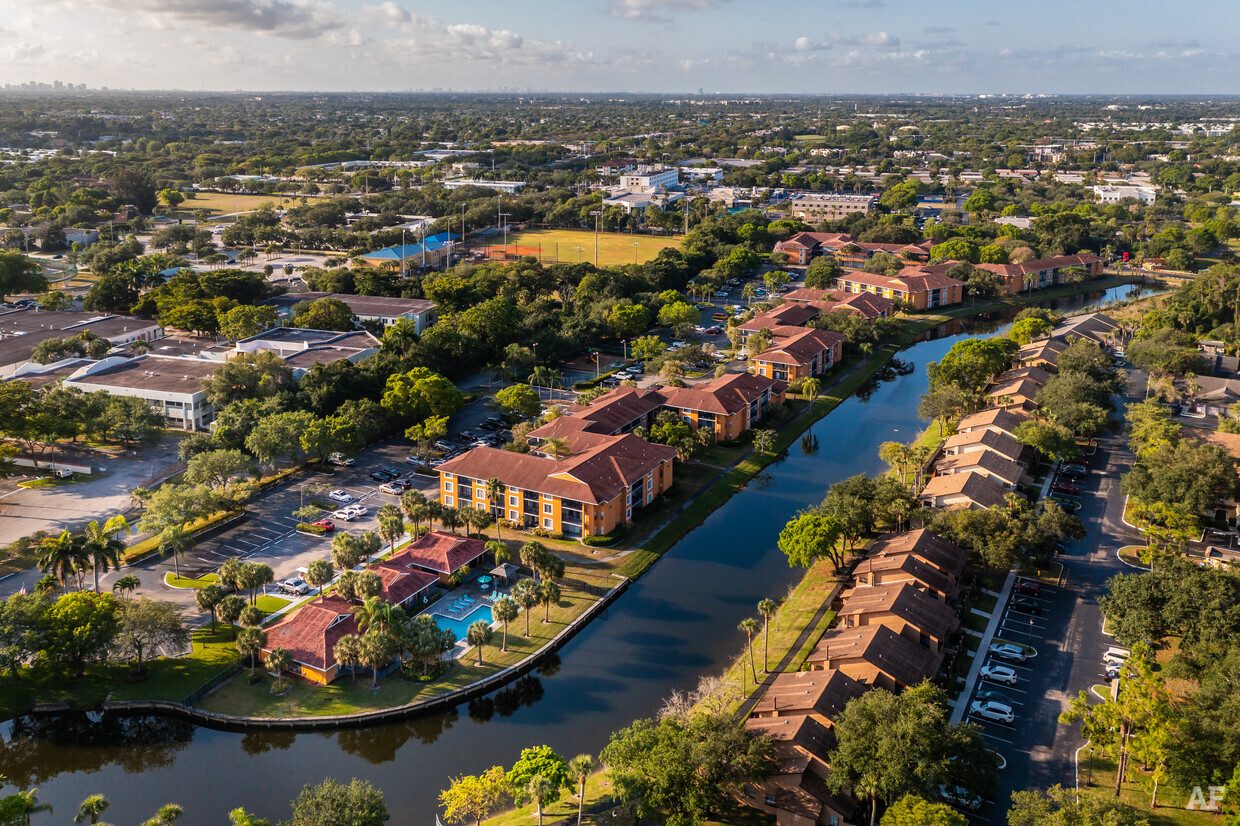
Moving to Tamarac, Florida (2026): The Honest Relocation Guide
17 min read
Moving to Coconut Creek, Florida (2026): The Honest Relocation Guide
17 min readMoving to Parkland FL: The Honest Relocation Guide (2026)
16 min read
Moving to Doral, FL: The Honest Relocation Guide (2026)
17 min read