Moving to Doral, FL: The Honest Relocation Guide (2026)
Moving to Doral, FL means signing up for one of Miami-Dade’s most planned, most international, and most consistently appreciating suburbs, but the honest relocation guide for 2026 has to start with the number that matters: your actual monthly carrying cost, not the number on the listing photo. This guide walks through real home prices by property type, what HOA and CDD fees actually add up to, which neighborhoods fit which kind of buyer, and whether Doral is currently a buyer’s market or a seller’s market depending on where you’re shopping.
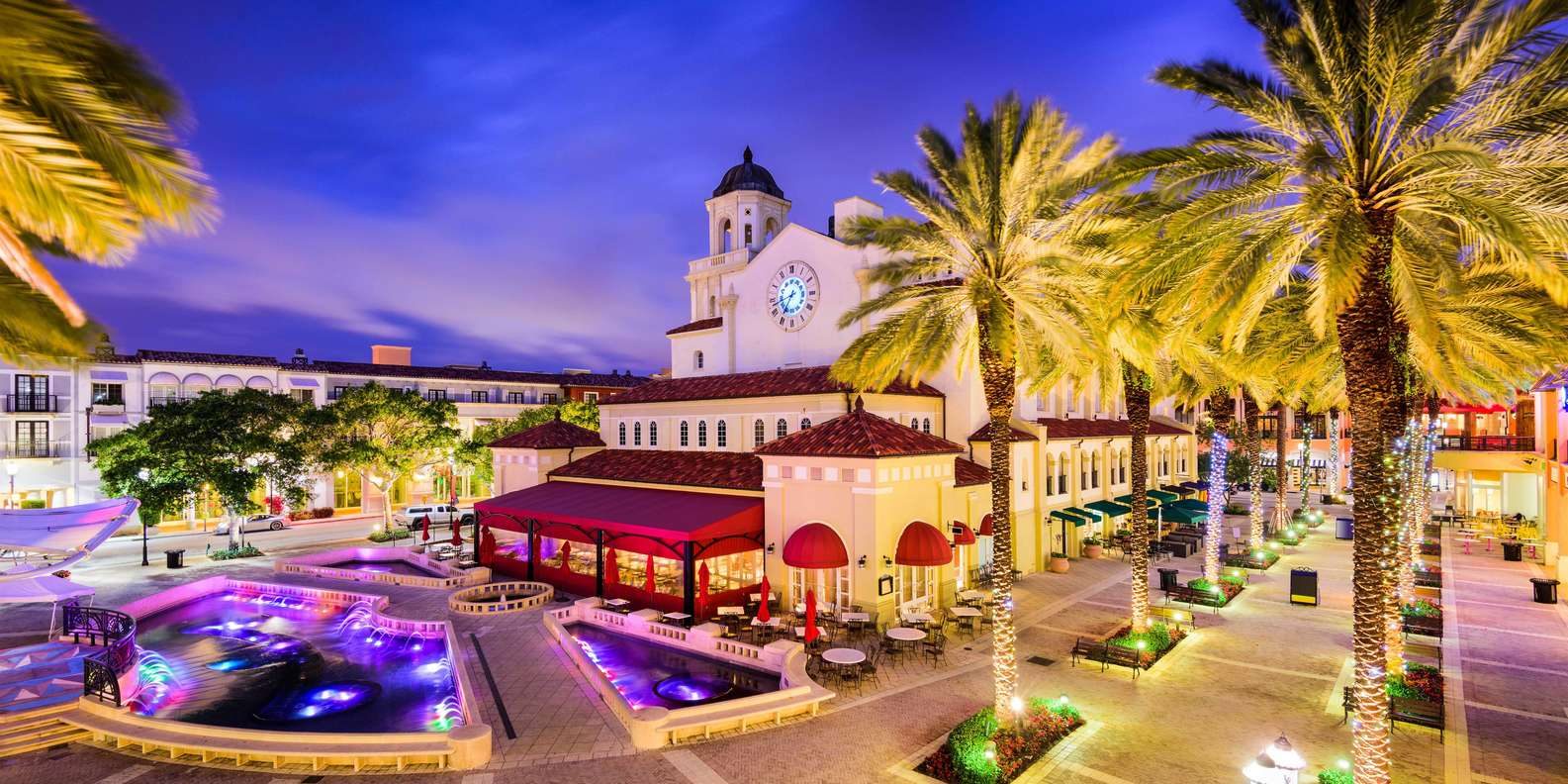
Doral sits in west Miami-Dade County, wedged between the Palmetto Expressway (826), Florida’s Turnpike, and the Dolphin Expressway (836), a few minutes from Miami International Airport. It was largely farmland and golf courses twenty five years ago. Today it’s a master planned city built around Downtown Doral, a dense, walkable core, surrounded by rings of gated single family communities, townhome developments, and mid rise condo buildings that keep pushing west toward the edge of the Everglades. Doral has grown from roughly 25,000 residents in the early 2000s to well past 80,000 today, and that growth is exactly why the infrastructure math (HOA dues, CDD assessments, new schools, new roads) matters so much here. It’s still being built out, which is different from moving into a suburb that finished growing thirty years ago.
If you’re relocating from out of state, the first thing to understand is that Doral isn’t one market. It’s four or five distinct micro markets stacked inside one zip code cluster (33122, 33166, 33172, 33178, and parts of 33195), and the right answer for you depends entirely on which one you’re looking at.
Moving to Doral, FL: The Honest Relocation Guide (2026) Starts With Real Numbers
Here’s what most relocation content skips: the listing price is not your monthly cost. In Doral, that gap is wider than in most South Florida suburbs because of two line items almost every out of state buyer underestimates, HOA dues and CDD fees, both of which stack on top of the mortgage, homeowners insurance, and property taxes.
As of 2026, here’s the realistic range by property type:
- Condos (1-2 bedroom): roughly $330,000 to $550,000, with HOA dues of $450 to $900 a month depending on building age and amenities (pool, gym, concierge, garage parking).
- Townhomes: roughly $500,000 to $700,000, with HOA dues of $250 to $450 a month, and CDD fees in some newer communities adding $1,500 to $2,800 a year.
- Single family homes: roughly $650,000 to $1.2 million for standard gated communities, climbing well past $1.5 million for larger lots near Trump National Doral or newer luxury phases. HOA dues here run $300 to $600 a month.
Property taxes in Doral generally land between 1.8% and 2.1% of assessed value annually, and that assessment resets to your purchase price the year after you close, which is the single most common surprise for relocators who budgeted off the seller’s old tax bill. A seller who’s owned a home in Doral Isles for twelve years might be paying property taxes based on a $450,000 assessed value because of Florida’s Save Our Homes cap. You, as the new buyer, do not inherit that cap. Your first full tax year gets reassessed at what you actually paid, which on a $900,000 purchase can mean a tax bill two to three times higher than what the seller was paying. Ask your lender to run your estimated payment off the purchase price, not the current tax bill on the listing sheet.
If you want the full county level breakdown of taxes, insurance, and total cost of living beyond just Doral, the Cost of Living in Miami-Dade County in 2026 guide walks through the countywide numbers this article builds on.
HOA and CDD Fees in Doral: What You’re Really Signing Up For
This is the part that trips up more relocating buyers than the purchase price itself. Doral was built almost entirely through master planned developments, which means HOA and often CDD (Community Development District) fees are the default, not the exception.
HOA dues cover the obvious things, landscaping, common area maintenance, security gates, and amenities like pools and clubhouses. In Downtown Doral’s condo towers, dues can run $450 to $900 a month because you’re also paying for elevators, a lobby staff, and often a rising master insurance premium that the building passes through to owners. In gated single family communities like Doral Isles or Provence, dues sit lower, $300 to $600 a month, because there’s no shared structure to insure, just gates, landscaping, and community amenities.
CDD fees are different. A CDD is a special taxing district that financed the roads, sewers, and infrastructure when the community was originally built, and the debt gets paid back through an annual assessment that shows up on your property tax bill, not your HOA statement. This matters because it doesn’t disappear when the mortgage is paid off, and it’s easy to miss if you’re only budgeting off the HOA fee sheet a listing agent hands you. Newer communities in west Doral, closer to the Miami Lakes and Hialeah Gardens border, are more likely to carry CDD debt than older, closer in neighborhoods near Downtown Doral. A good example of how this plays out in a specific new construction community is broken down in the Westview at Doral Review (2026), which walks through actual pricing, floor plans, HOA, and CDD numbers for one community rather than a citywide average.
Here’s a real worked example, the kind of math most relocation guides skip entirely. Say you’re looking at a $600,000 townhome in a newer west Doral community with a $350 monthly HOA and a CDD assessment of $2,400 a year. That CDD adds $200 a month you won’t see on the HOA statement. Add property taxes at roughly 2% of your purchase price ($1,000 a month), homeowners insurance (more on that below), and your $350 HOA, and you’re at $1,550 a month before a single dollar of principal or interest. Buyers who only budget off the mortgage calculator on a real estate app miss this every time, and it’s the number one reason relocating buyers feel “surprised” by their first year of ownership in Doral even when the mortgage payment itself was exactly what they expected.
The honest takeaway: before you fall in love with a house, ask for the CDD assessment separately from the HOA dues, and ask whether the CDD debt is still being paid down or already retired. Some CDD assessments include an optional prepayment provision, where you can pay off your share of the bond in a lump sum at closing and eliminate the annual line item entirely. That’s a real negotiating point worth raising with your agent. That single question can change your true monthly payment by $150 to $250.
Doral’s Neighborhoods, Broken Down Honestly
Downtown Doral
This is the walkable core, built by Codina Partners around a central park, restaurants, a Publix, coffee shops, and a growing office and retail base. If you want to park the car on Saturday and walk to dinner, this is the only part of Doral that actually delivers that. Housing here skews toward mid rise condos and attached townhomes, with prices from the high $400s into the $900s for larger units. HOA dues run on the higher end of the Doral range because of shared building systems and amenities. This is the right fit for young professionals, remote workers who want walkability, and downsizers who don’t want lawn maintenance. It’s also the part of Doral that reads most like a small scale version of a Brickell or Coral Gables lifestyle, just with lower density and easier parking, which is why it’s become the default answer for relocating buyers coming from walkable Northeast or Midwest cities who don’t want to give that up entirely.
Doral Isles, Provence, and the Gated Single-Family Communities
These are the classic “moved from out of state for the gate and the yard” communities. Doral Isles and Provence sit west of the core, offer larger single family lots, mature landscaping, and community pools, and price from roughly $700,000 to $1.1 million depending on square footage and lake or water view lots. HOA dues are moderate, and school zoning here is strong, which is a major draw for families relocating with kids already enrolled in a district or charter school search. Lot sizes in these communities typically run a quarter acre or slightly under, which is small by Midwest or Southeast suburban standards but large by South Florida standards, where a lot under a fifth of an acre is common. If yard space is a priority, walk a few homes in person before assuming “single family” means the same footprint you’re used to.
Lakes by Doral and Doral Glades
A step down in price from Provence and Doral Isles, these communities offer a mix of townhomes and smaller single family homes, generally $550,000 to $800,000, and tend to attract first time move up buyers and families who want the Doral school zone and address without the top tier price tag. These neighborhoods also tend to have lower HOA dues than the newer luxury phases, since amenities are simpler (a community pool and a playground rather than a clubhouse and a fitness center), which makes them a practical entry point for relocating buyers who want the Doral name and school zoning without stretching for a $900,000 purchase. If you’re comparing Doral against other family suburbs in the county before committing, the How to Choose the Best Suburb in Miami-Dade for Families in 2026 guide is worth reading side by side with this one, because Doral isn’t automatically the right answer for every family profile, it’s the right answer for a specific one (dual income, wants new construction or near new inventory, values proximity to the airport and 836/826 corridor for commuting).
The Condo and New Construction Corridor
Doral’s western edge keeps expanding with new construction, much of it built by national and regional builders active throughout Miami-Dade. Prices here start lower on a per square foot basis than Downtown Doral but almost always carry a CDD fee, since the infrastructure is newer and was financed rather than pre-built. This corridor is also where you’ll see the widest range of floor plans and the most builder incentive activity, rate buydowns, closing cost credits, design center credits, because builders here are actively competing against each other for the same relocating buyer pool. If new construction is on your radar, it’s worth comparing Doral against the county’s other active new construction hubs. The Best New Construction Communities in Miami-Dade County (2026) roundup and the Is New Construction Worth It in Miami-Dade County in 2026? breakdown both cover the tradeoffs (builder warranty, higher HOA/CDD stack, longer close timelines) that apply directly to Doral’s newer phases.
Is Doral a Buyer’s Market in 2026?
The honest answer: it depends on the property type, not the city as a whole. Condo and townhome inventory in Doral has grown over the past two years as new phases have delivered, which has given buyers more negotiating room, longer days on market, and in some buildings, price reductions from original list. In several Downtown Doral condo buildings, units are sitting 60 to 90 days on market compared to under 30 days two years ago, and sellers in those buildings are increasingly accepting offers 3% to 5% under original list price, plus contributing toward closing costs or HOA transfer fees to get a deal done.
Well located, well priced single family homes in Doral Isles, Provence, and similar gated communities are a different story. Those still move quickly when priced correctly, often inside two to three weeks, because supply of single family lots in Doral is essentially fixed. There’s no more raw land to build new gated single family phases on inside city limits. When a well maintained four bedroom in Provence hits the market priced in line with recent comparable sales, it’s not unusual to see multiple offers within the first ten days.
If you’re relocating and shopping condos or townhomes, you likely have room to negotiate on price, closing costs, or both. If you’re shopping single family in the established gated communities, come prepared to move fast and don’t expect a steep discount off list. For a broader read on whether new construction or resale gives you more leverage right now, New Construction vs. Resale in Miami-Dade County: Which Is the Smarter Buy in 2026? lays out the decision framework in more detail.
Schools, Commute, and the Airport Question
Doral zones to Ronald W. Reagan/Doral Senior High School, and the city has several well regarded charter options, including multiple Doral Academy campuses and Downtown Doral Charter Elementary and Middle, which is one of the reasons families relocating with school age kids target this suburb specifically. Charter school enrollment in Miami-Dade runs on lottery and boundary rules that change year to year, so confirm current zoning and any charter waitlist status before you write an offer, not after. Some Doral Academy campuses have sibling preference and long standing resident waitlists, which means a family relocating mid school year should start the enrollment inquiry the same week they go under contract, not after closing.
On commute: Doral’s location off the Palmetto Expressway, the Turnpike, and the Dolphin Expressway makes it one of the easier Miami-Dade suburbs to get in and out of by car, with Brickell and downtown Miami typically 25 to 35 minutes outside of peak traffic, and Miami Beach 35 to 45 minutes. Coral Gables and the University of Miami area run about 20 to 30 minutes, which is part of why Doral pulls a steady stream of relocating professionals and academic hires who work east but want a newer build and a quieter street to come home to.
The tradeoff is airport proximity. Doral sits close enough to Miami International Airport that certain streets and communities, particularly those under specific flight paths, deal with real noise at certain hours. If that matters to you, drive the neighborhood at different times of day, including early morning, before you commit, not just during a Saturday afternoon showing. Early departures and late arrivals are the two windows that catch relocating buyers off guard, since a showing at 2pm on a Tuesday won’t tell you what a 6am departure sounds like from a second floor bedroom.
New Construction vs. Resale in Doral
Doral is one of the few Miami-Dade suburbs where you can genuinely choose between brand new construction and 10 to 20 year old resale inventory within the same zip codes, which is unusual. New construction gets you a builder warranty, current hurricane code (which matters directly for insurance premiums), and modern floor plans, but it almost always comes with a CDD fee and a higher HOA in the early years while the community is still building out amenities. Resale in established communities like Doral Isles or the original Downtown Doral phases gets you mature landscaping, a settled HOA with predictable dues, and often a lower price per square foot, but you inherit whatever the prior owner did or didn’t maintain, and older units may carry higher insurance costs if the roof or systems are approaching replacement age.
There’s no universally right answer here. It’s a tradeoff between predictable near term costs (resale, lower CDD risk) and long term durability and lower insurance risk (new construction, current code). Walk both before deciding, and ask every listing agent for the actual current HOA budget and reserve study, not just the monthly number. For condo buyers specifically, ask whether the building has completed its state mandated structural reserve study and milestone inspection, since buildings that haven’t budgeted properly for those requirements are the ones most likely to hit owners with a large special assessment down the road.
Insurance and the Number Nobody Puts on the Flyer
Homeowners insurance deserves its own honest mention here, because it’s become as important as the HOA conversation for anyone relocating to South Florida in 2026. The good news for Doral specifically: it sits inland, away from the coast, and outside most of the county’s higher risk flood zones, which generally keeps flood insurance costs lower here than in coastal Miami-Dade suburbs like Miami Beach or parts of Key Biscayne. That’s a real advantage relocating buyers should factor in when comparing Doral to oceanfront or intracoastal options.
That said, wind and hurricane coverage is still a Florida wide cost, not a Doral specific one, and new construction homes built to current hurricane code (impact windows, updated roof standards) will consistently price lower on the insurance side than a 20 year old resale home with an original roof. If you’re comparing two similarly priced homes, one new construction with a CDD fee and one resale without one, run actual insurance quotes on both before deciding. The insurance gap between an older roof and a new one can be significant enough to offset a chunk of that CDD payment, which is worth knowing before you write off new construction as automatically more expensive.
Who Doral Actually Fits (and Who Should Look Elsewhere)
Doral makes sense if you want a walkable, international, amenity dense suburb with strong school options, an easy airport run, and you’re comfortable budgeting HOA and CDD fees as a real, permanent part of your monthly payment, not a footnote. It’s a strong fit for relocating professionals working in Brickell or Coral Gables, families prioritizing charter and public school access, and buyers who specifically want new or near new construction over an older Miami neighborhood. It also tends to fit international buyers and corporate relocations well, given the number of multinational company offices and the airport proximity that make Doral a practical landing spot for anyone commuting internationally on a regular basis.
It’s a weaker fit if you want a large lot with no HOA, a quieter, less densely built suburb, or if airport noise is a dealbreaker. If any of that describes you, it’s worth cross-shopping against other Miami-Dade family suburbs before locking in on Doral specifically. The Pinecrest, Florida: The Complete Guide for Buyers in 2026 covers a very different profile, larger lots, no CDDs, an older tree canopy suburb south of the urban core, which is worth reading precisely because it’s Doral’s opposite in almost every category that matters for this decision.
Bottom Line
Moving to Doral, FL in 2026 is a smart, defensible move for the right buyer, but the honest version of this relocation guide is that the real cost lives in the HOA statement and the CDD line on your tax bill, not the number on the for sale sign. Get the exact HOA dues, ask specifically whether a CDD applies and what the remaining balance is, run real insurance quotes rather than assuming a flat statewide number, confirm current school zoning if that matters to your family, and walk the neighborhood at more than one time of day before you write an offer. If you want a second set of eyes on a specific Doral listing, HOA disclosure, or CDD estimate before you commit, reach out and I’ll go through the real numbers with you directly.


More articles you might like

Moving to Coconut Creek, Florida (2026): The Honest Relocation Guide
17 min readMoving to Parkland FL: The Honest Relocation Guide (2026)
16 min readMoving to Wellington, FL: The Honest Relocation Guide (2026)
14 min read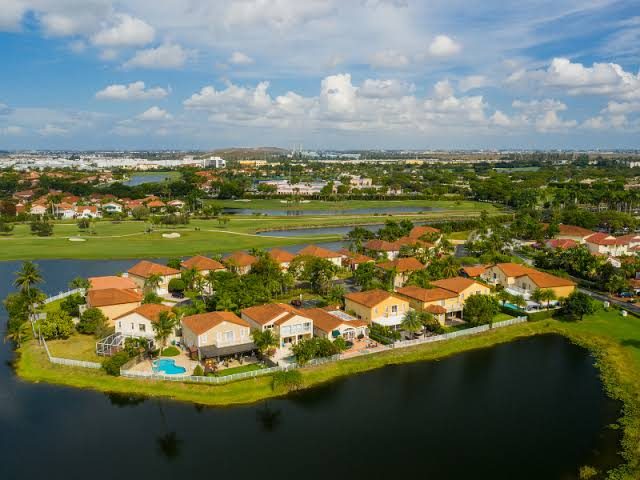
Moving to Pembroke Pines, Florida (2026): The Honest Relocation Guide
21 min read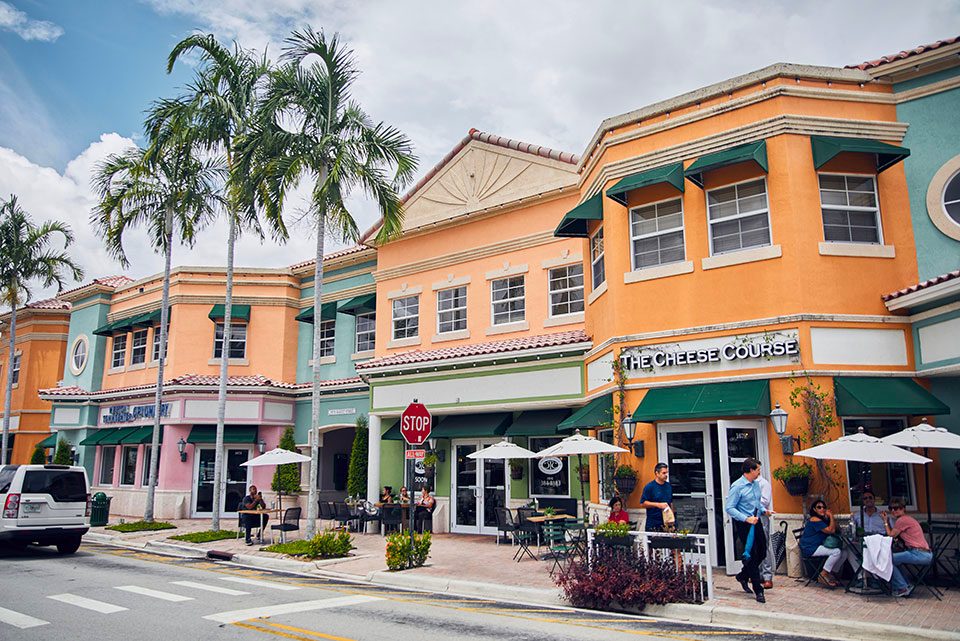
Moving to Weston: Broward's Most Polished Suburb and What It Costs
19 min read