Moving to West Palm Beach: The Honest Relocation Guide for 2026
If you’re moving to West Palm Beach, here’s the honest relocation guide for 2026: budget $450,000 to $750,000 for a single-family home depending on the neighborhood, expect your property tax bill to run higher than it would in an unincorporated Palm Beach County suburb, and pick your neighborhood before you pick your house. West Palm Beach isn’t one market. It’s a dozen small markets stacked next to each other, and the difference between landing in the right one and the wrong one is the difference between loving your move and regretting it by year two.
This guide covers what it actually costs, which neighborhoods to target based on your life stage and budget, the commute reality, the school situation, and the stuff nobody puts in a listing description. No hype, no filler. Just what you need to make an informed decision.
Moving to West Palm Beach: The Honest Relocation Guide for 2026
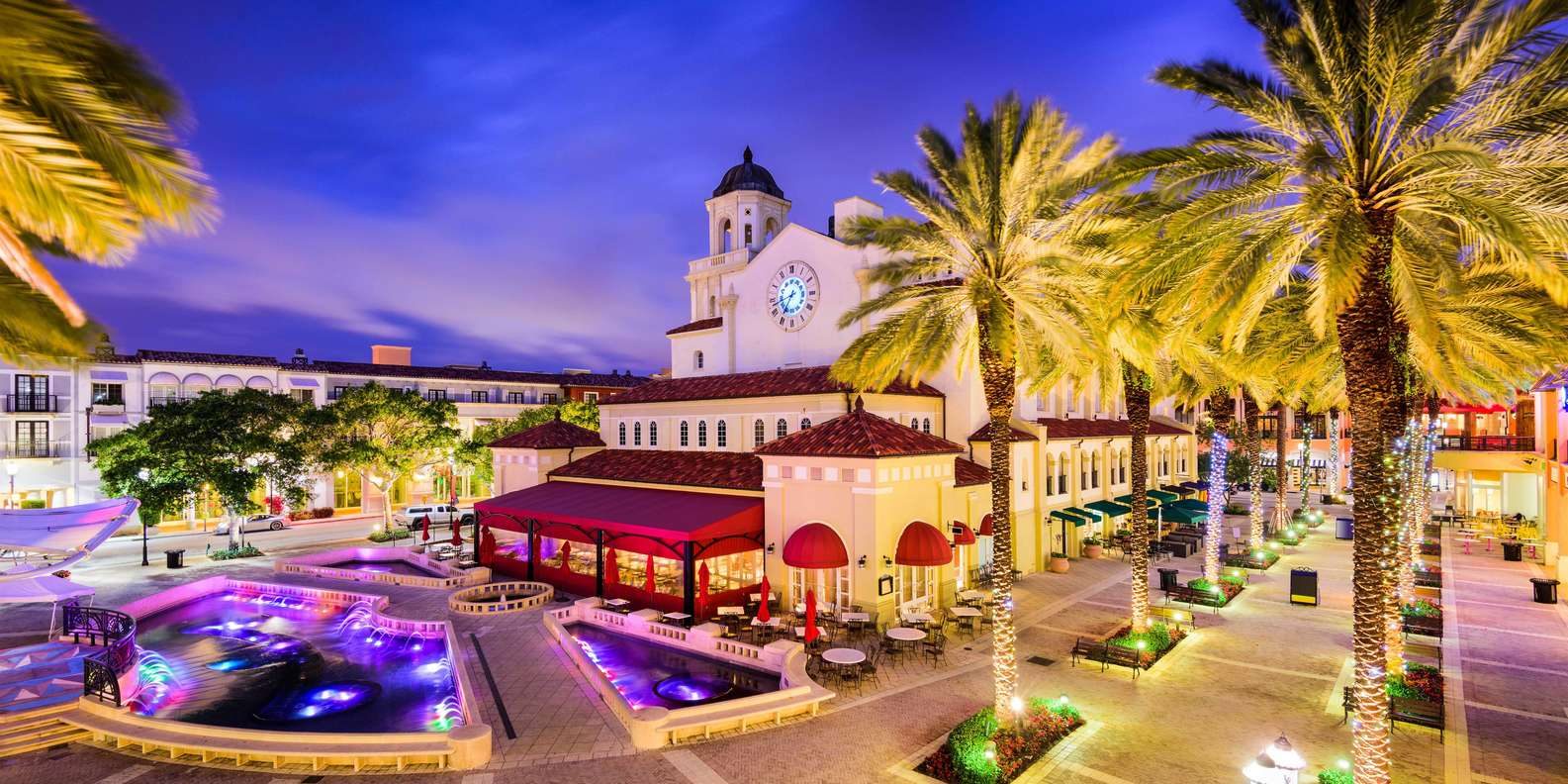
West Palm Beach in 2026 is a different city than it was even five years ago. Downtown has densified with new condo towers, Rosemary Square (the old CityPlace) anchors a walkable core, and the Brightline station has made the city a real alternative to living in Miami or Fort Lauderdale and commuting in. At the same time, the historic single-family neighborhoods just west and north of downtown, places like El Cid, Flamingo Park, and Old Northwood, have held onto their character while appreciating steadily.
The honest version: West Palm Beach rewards people who do their homework on neighborhoods and punishes people who buy based on a Zillow map pin. The city limits stretch from the Intracoastal Waterway west past I-95, and the housing stock, price point, flood risk, and commute time change block by block, not just neighborhood by neighborhood.
If you want the deeper dive on how the market is actually pricing right now, read our West Palm Beach Real Estate Market 2026 breakdown alongside this guide. This piece is about the relocation decision itself: what it costs to land here, where to land, and what to watch for.
What It Actually Costs to Move to West Palm Beach
Housing prices by type
Citywide, blended across condos and single-family homes, West Palm Beach is running in the low-to-mid $400,000s for a median sale price in 2026. But that number hides more than it tells you.
- Downtown and Rosemary Square condos: $300,000 to $700,000, with newer towers pushing higher for water or skyline views.
- Historic bungalow districts (Flamingo Park, Grandview Heights, Prospect Park): $450,000 to $800,000 for a 2-3 bedroom home, often on a lot with no HOA.
- Old Northwood and Northwood Shores: $500,000 to $1.2 million, with true waterfront lots on the higher end.
- El Cid: the most expensive historic district in the city, waterfront Mediterranean Revival homes on the Intracoastal running $1.5 million to $4 million-plus.
- The North End (bordering the Town of Palm Beach): $700,000 to $1.8 million.
If those numbers are outside your range, that’s exactly why neighborhood selection matters more here than in most South Florida cities. You can find a genuinely good starter home in Prospect Park for under $500,000 two miles from a $3 million estate in El Cid.
HOA and condo fees
Most of the historic single-family neighborhoods (Flamingo Park, El Cid, Old Northwood, Grandview Heights) have no mandatory HOA. You might have an optional neighborhood association with a small annual fee for events and beautification, but nothing that shows up in your mortgage qualification.
Downtown condos are a different story. Expect HOA fees between $600 and $1,200 a month depending on the building’s age, amenities, and reserve funding. Since the state’s post-Surfside structural reserve requirements kicked in, older condo buildings have been hitting owners with special assessments to fund reserve studies and repairs. Before you buy any condo in West Palm Beach, ask for the last two years of board meeting minutes and the current reserve study, not just the HOA disclosure summary. This is the single most overlooked step buyers skip when relocating from out of state.
Property taxes
This is the part people moving from unincorporated Palm Beach County suburbs (Royal Palm Beach, Wellington, Loxahatchee) get wrong. West Palm Beach is an incorporated city, which means you pay city millage on top of county and school district millage. Your neighbor in unincorporated Palm Beach County pays less in combined millage for a similarly valued home. It’s not a massive gap, but on a $600,000 home it can be a few thousand dollars a year, and it catches relocators off guard when the tax bill lands.
If you’re coming from a state with no income tax already, or from a lower-tax state, run the actual numbers with a local lender rather than relying on an online estimator. Non-homesteaded property (which you’ll be for at least the first year before filing) is taxed differently than a long-term owner’s homesteaded rate, so your first-year bill will look higher than the number in the listing.
Insurance
Budget more for homeowners insurance than you did wherever you’re moving from. Older housing stock (pre-1990s roofs, galvanized or polybutylene plumbing) can make insurance harder to place and pricier. Waterfront and low-lying neighborhoods, especially anything near the Intracoastal in El Cid, Northwood Shores, or the North End, will require flood insurance in addition to standard coverage. Get a four-point inspection quote before you go under contract on anything built before 2000. It will change your insurance number, sometimes significantly.
Best Neighborhoods to Target (and Who Each One Fits)
There is no single “best” neighborhood in West Palm Beach. There’s a best neighborhood for your specific life. Here’s how to think about it.
If you want walkability and no yard work: Downtown / Rosemary Square
You’re paying a premium for restaurants, the Brightline station, and being able to leave your car parked for a weekend. Good fit for empty nesters, young professionals, and anyone who travels frequently and doesn’t want a house to maintain.
If you want historic character and a real yard: Flamingo Park or Grandview Heights
These are the neighborhoods where you’ll find 1920s bungalows with character, mature oak canopy streets, and a strong sense of community (both have active neighborhood associations and regular events). Flamingo Park is more established and pricier; Grandview Heights is still catching up in price relative to its bones, which makes it worth a serious look if you’re budget-conscious but want the historic feel.
If you want waterfront without Palm Beach island prices: El Cid or Northwood Shores
El Cid gets more attention, but Northwood Shores and Northwood Hills offer similar Intracoastal access with more relative value. Both require flood insurance and both are worth a wind mitigation inspection before you close.
If you’re a first-time buyer or tighter on budget: Prospect Park or SoSo (South of Southern)
These are the neighborhoods where West Palm Beach still functions as an entry point into South Florida homeownership. Smaller lots, older but solid construction, and proximity to downtown without the downtown price tag.
For a full breakdown with more detail on lot sizes, walkability, and pricing trends in each of these, read Best Neighborhoods in West Palm Beach: An Honest 2026 Breakdown. It goes deeper than this section can.
The Commute Reality: Corridors, Traffic, and Brightline
West Palm Beach’s road network is straightforward once you understand the corridors:
- I-95 runs north-south through the city and is your main artery to Palm Beach Gardens, Jupiter, and points north, or south toward Lake Worth Beach, Boynton Beach, Delray Beach, and Boca Raton.
- Florida’s Turnpike runs parallel to I-95 further west and is the better option if you’re commuting from western communities like Royal Palm Beach or Wellington.
- Southern Blvd (SR 80) runs east-west, connecting downtown and the bridge to Palm Beach island on one end, and Wellington and points west (eventually Lake Okeechobee) on the other.
- Okeechobee Blvd is your route to Palm Beach International Airport, which sits about 5 to 10 minutes from downtown depending on where you start. This is genuinely one of the most underrated perks of living in West Palm Beach versus Miami or even Fort Lauderdale: the airport is close and rarely a production to get to.
Seasonal traffic is real. From November through April, snowbird season adds meaningful volume to Southern Blvd, Okeechobee Blvd, and the bridges to Palm Beach island. If you’re relocating and house hunting in season, your commute test drive in February will look different than the same drive in July. Do both if you can, or at least ask locals what the corridor looks like at 8am in season.
The Brightline station downtown has changed the calculus for people who work in Fort Lauderdale or Miami but want to live in West Palm Beach. It’s a legitimate option for a few days a week, though it’s not a full replacement for a daily commute given cost and schedule frequency.
Schools: What Families Need to Know
West Palm Beach sits in the Palm Beach County School District, and school assignment here is more complicated than “which house, which school.” Zoned schools vary block by block in the historic core, and many West Palm Beach families lean on the district’s school choice and magnet programs rather than relying purely on zoning.
The two magnet programs worth knowing before you house hunt:
- Alexander W. Dreyfoos School of the Arts: a highly regarded downtown magnet high school for the arts, application-based, draws students from across the county.
- Suncoast Community High School: an IB magnet program consistently ranked among the top public high schools in Florida, also application-based rather than strictly zoned.
For zoned options, Palm Beach Public Elementary (historic, well-regarded, serves the SoSo/El Cid area) and Southboro Elementary are commonly cited by families relocating into the historic districts. On the middle school side, Bak Middle School of the Arts is another magnet worth researching if your kids are drawn to the arts track.
Private options are common in West Palm Beach too, particularly Rosarian Academy (Catholic, K-8, downtown-adjacent) and King’s Academy (Christian, West Palm Beach). If private school is part of your plan, factor drive time into your neighborhood choice, since several of the well-known private schools sit west of I-95.
Don’t assume the school zoned to an address will still be the school your kids attend by the time they’re enrolled. Boundaries shift, and choice/magnet applications open on specific windows each year. Verify current zoning and application deadlines directly with the district before you buy based on a school assumption. For the full rundown on ratings, boundaries, and how families are actually navigating this, see West Palm Beach Schools: What Families Need to Know Before Buying.
What Nobody Tells You Before You Relocate
This is the section most relocation guides skip because it’s not flattering, but it’s the part that actually saves you a bad year.
The older housing stock needs real diligence
A lot of West Palm Beach’s charm comes from its age. That charm comes with galvanized plumbing, older electrical panels (some still with Federal Pacific panels, which insurers flag), and roofs that may be original. None of this means don’t buy the house. It means get a real inspection, not a drive-by, and price the repairs into your offer.
Insurance has gotten harder, not easier
Citizens Property Insurance Corporation, Florida’s insurer of last resort, still covers a meaningful share of older homes in the historic districts because private carriers have pulled back or priced themselves out. Get an actual insurance quote before you’re under contract, not after. It has killed more than one relocation deal at the closing table.
HOA and condo boards are stricter post-Surfside
If you’re buying a condo, expect more rigorous financial scrutiny than you’d face in most other states: structural reserve studies, milestone inspections for older buildings, and boards that are (rightly) less willing to defer maintenance. This is a good thing for safety and long-term value, but it can mean higher monthly fees and occasional special assessments that catch relocators off guard.
Flight paths and noise are neighborhood-specific
A handful of neighborhoods near Palm Beach International Airport experience noticeable flight noise depending on wind patterns and runway use. If quiet matters to you, visit at different times of day before you commit, especially in neighborhoods close to the airport’s approach paths.
Parking downtown is tighter than the renderings suggest
If you’re considering a downtown condo for the walkability, confirm parking allocation (one spot, two spots, guest parking policy) before you fall in love with the unit. It’s a common surprise for people relocating from cities where street parking is the norm.
For a broader, unfiltered look at daily life here, both good and inconvenient, read Is West Palm Beach a Good Place to Live? An Honest 2026 Review and What It’s Actually Like to Live in West Palm Beach.
West Palm Beach vs the Neighbors: How to Choose
Most people relocating to this part of Palm Beach County aren’t just deciding on West Palm Beach. They’re weighing it against Palm Beach Gardens, Boca Raton, or the suburbs further west.
West Palm Beach vs. Palm Beach Gardens: Palm Beach Gardens is more suburban, newer construction, better known for master-planned communities and golf. West Palm Beach has more historic character, a real downtown, and generally lower entry prices for comparable square footage. If you want walkability and culture, West Palm Beach wins. If you want newer construction and a quieter, more planned feel, Palm Beach Gardens is the better fit. We break this down in detail in West Palm Beach vs. Palm Beach Gardens: City Energy or Suburban Comfort?
West Palm Beach vs. Boca Raton: Boca Raton generally commands higher prices for similar housing stock and has a more polished, corporate feel. West Palm Beach is grittier around the edges in places but offers more affordability and, arguably, a stronger sense of an emerging downtown. For the full comparison, see West Palm Beach vs. Boca Raton: Which Is Right for You?
Neither comparison has a universally right answer. It depends on your budget, your commute, and whether you want a finished, planned environment or a city that’s still actively becoming itself.
Making the Move: A Practical Checklist
If you’re serious about relocating to West Palm Beach in 2026, work through this before you start touring homes:
- Get pre-approved with a lender who knows Florida’s tax and insurance quirks, not just a national online lender who will underestimate your carrying costs.
- Pick two or three target neighborhoods, not a whole city. Use the neighborhood breakdown above as a starting point.
- Get an insurance quote before you write an offer on anything built before 2000, or anything in a flood zone.
- Verify school zoning and magnet application windows directly with the district, not from a real estate listing site.
- Drive your likely commute at actual commute times, including once during snowbird season if you can.
- Ask for HOA financials and reserve studies upfront on any condo, and read them, or have someone who understands them read them for you.
If you’re still narrowing down basic questions about the city itself, our West Palm Beach FAQ: 20 Questions Buyers Ask Before Moving covers the ground-level questions this guide doesn’t have room for.
The Bottom Line
Moving to West Palm Beach in 2026 can be one of the smartest relocation decisions in South Florida, more affordable than Boca Raton or Miami, closer to a real airport than most of the region, and home to genuinely distinct neighborhoods with actual character. But it only works out that way if you treat the neighborhood decision with the same seriousness as the house decision, run real numbers on taxes and insurance before you fall for a listing photo, and go in knowing this city’s quirks instead of finding out about them after you’ve signed.
Curious what a specific neighborhood, price point, or commute would actually look like for your situation? Reach out and I’ll give you the honest breakdown, not the sales pitch.
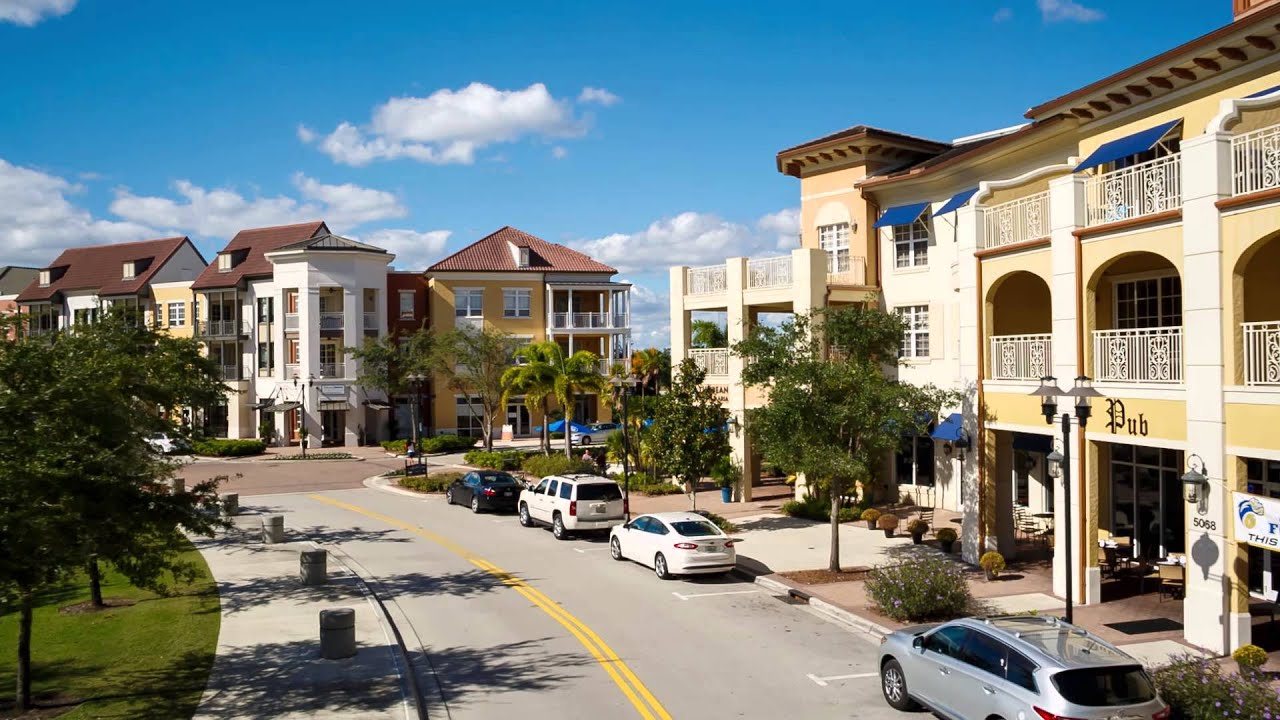
Watch: learn more
Go deeper with my South Florida Insider videos.

The Best Flex-Space Townhome in West Palm Beach: Pulte's Nautical Plan
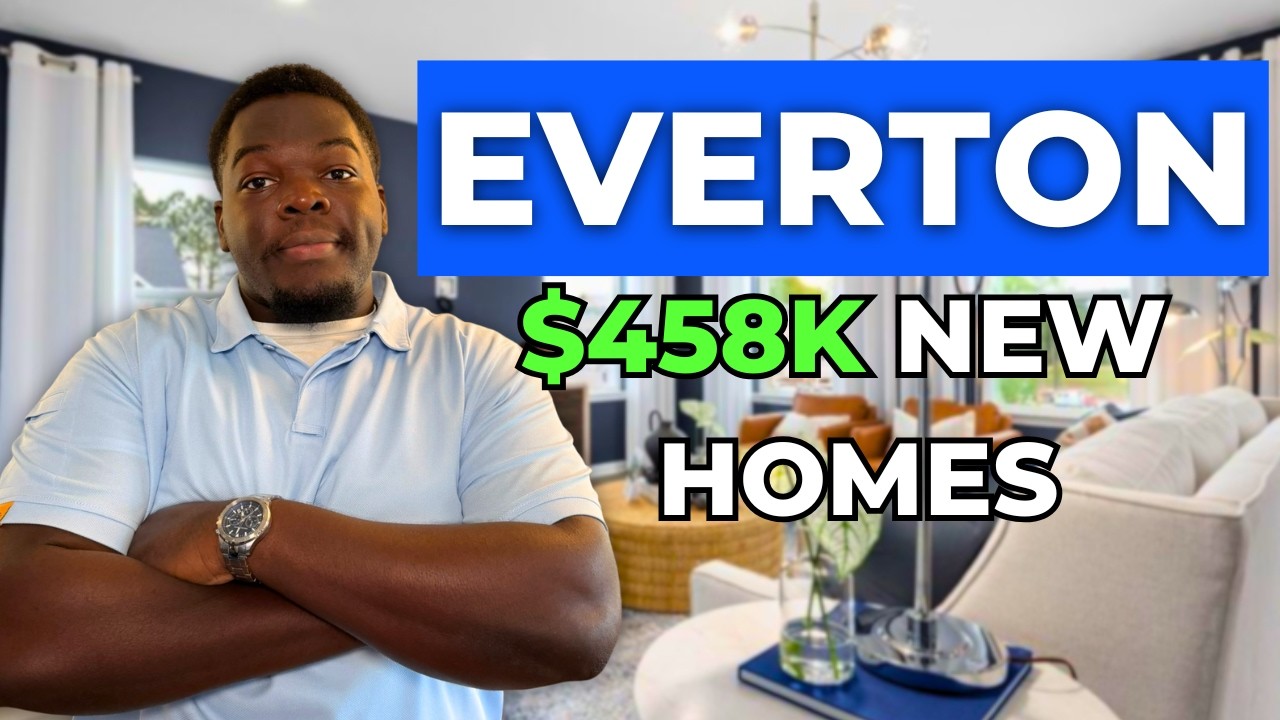
Inside Everton's Latitude II Model: $458k New Homes In Palm Beach
The Best Flex-Space Townhome in West Palm Beach: Pulte's Nautical Plan
More articles you might like
West Palm Beach vs Palm Beach Gardens: City Energy or Suburban Comfort?
17 min readWest Palm Beach FAQ: 20 Questions Buyers Ask Before Moving (2026 Guide)
13 min readWhat It's Actually Like to Live in West Palm Beach: Lifestyle, Culture and Daily Life
18 min readIs West Palm Beach a Good Place to Live? An Honest 2026 Review
18 min readBest Neighborhoods in West Palm Beach: An Honest 2026 Breakdown
13 min read