West Palm Beach vs Boca Raton: Which Is Right for You?
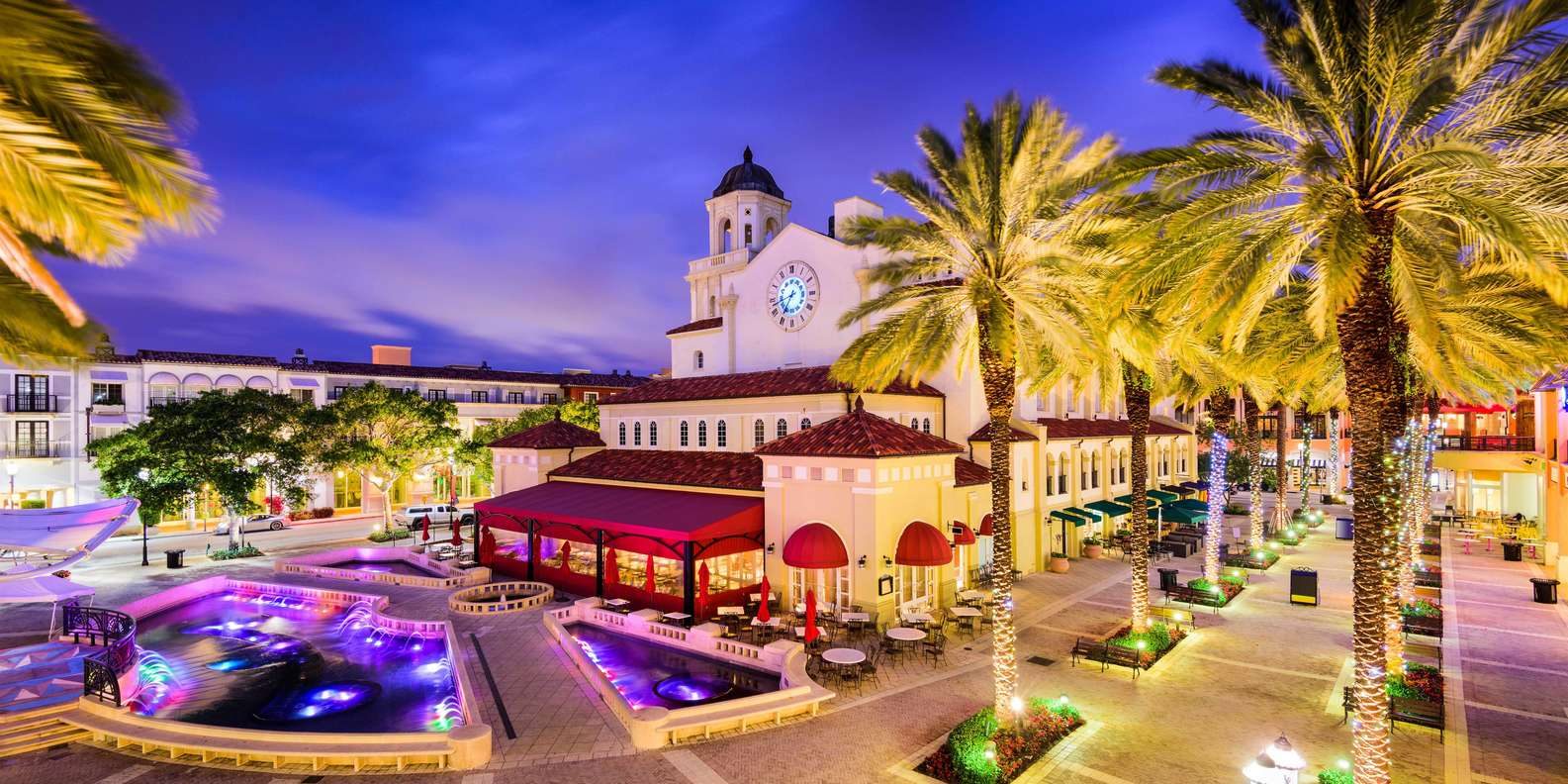
West Palm Beach vs Boca Raton comes up in almost every relocation conversation I have with buyers looking at Palm Beach County, and the honest answer is this: West Palm Beach generally gets you more house for less money and a faster commute north, while Boca Raton costs more but hands you a denser cluster of top-rated schools, master-planned HOA communities, and an easier run south into Broward and Miami-Dade. Neither city is “better.” They serve different buyers, and the right call depends on your budget, your commute, and what you actually want your weekends to look like.
This comparison comes up constantly with relocation buyers because both cities get pitched as “South Florida without the Miami price tag.” That is true relative to Miami. It is not true relative to each other. Boca Raton and West Palm Beach are priced differently, zoned differently, and built differently, and the gap matters once you’re actually writing an offer. Most buyers who ask me this question have never actually driven both downtowns back to back on the same afternoon, and once they do, the decision usually gets a lot easier. Let’s go through it section by section.
West Palm Beach vs Boca Raton Which Is Right for You: The Quick Answer
If budget is your primary constraint, or you want walkable downtown energy without paying Fort Lauderdale or Miami prices, West Palm Beach wins. Downtown WPB (Clematis Street, Rosemary Square, the waterfront along Flagler Drive) gives you restaurants, the Brightline station, and the Kravis Center within a few blocks, and the surrounding historic neighborhoods, Flamingo Park, El Cid, SoSo (South of Southern), sell at a real discount to Boca’s equivalent zip codes.
If school consistency and a resort-style, gated lifestyle matter more than shaving a few hundred thousand off the purchase price, Boca Raton wins. Boca’s east side neighborhoods (the Golden Triangle, Old Floresta) and its west side master-planned communities (built out largely by GL Homes) deliver a more uniform product: newer construction, HOA-maintained landscaping, resort amenity centers, and school zones that rarely disappoint.
There is also a third answer worth naming up front, because I hear it from at least a few buyers every month: some people should not choose either one and should look at Palm Beach Gardens or Delray Beach instead. If your budget sits right between the two, or your commute cuts a straight line up the middle of the county, don’t force yourself into WPB or Boca just because those are the two names everyone throws around. Read both halves below before you decide. The details are where people get burned.
Price Reality: What You’ll Actually Pay in Each City
West Palm Beach’s price range is wider than most buyers expect, because the city spans everything from modest 1950s bungalows in the northern grid to ultra-luxury waterfront towers downtown. Inland, established neighborhoods like South Olive, Flamingo Park, and Prospect Park regularly trade single-family homes in the $450,000 to $650,000 range, sometimes lower for homes needing work. Push toward the water or into new luxury product downtown and the number changes entirely. Recent downtown WPB development has skewed hard toward ultra-luxury: buildings like South Flagler House are pricing from $5.9 million into the $20 million-plus range, Alba Reserve and Alba Palm Beach are running $2.5 million to $10.6 million, and Maison d’Or starts at $5.7 million. On the other end, builder product like Edgestone by D.R. Horton and the Estates at NOMAR by GL Homes (roughly $1.8 million to $3 million) show the city is also building for buyers who aren’t shopping the waterfront towers. The takeaway: West Palm Beach has a genuine affordable tier if you stay inland, and a genuine ultra-luxury tier if you want water views, with less in between right now.
Boca Raton doesn’t have that same affordable inland tier. Its cheapest single-family stock tends to sit west of the Turnpike in communities built in the 1990s and 2000s, and even there, $650,000 to $800,000 is a realistic starting point for an updated 3 or 4 bedroom home. East Boca, inside the Golden Triangle or along the barrier island, routinely clears $1.5 million and climbs from there. New construction in Boca, largely GL Homes product like Lotus Edge, tends to launch in the $700,000s to $1 million-plus range for townhomes and single-family, with HOA dues layered on top. Boca simply does not have a $450,000 single-family tier inside city limits anymore. If that’s your budget, you’re looking at unincorporated areas nearby, not the city itself.
Here’s a scenario that plays out often: a buyer with a $600,000 budget calls me wanting to be “in Boca.” At that number in Boca proper, you’re realistically looking at an older condo or townhome, not a single-family home with a yard. The same $600,000 in West Palm Beach, spent in Flamingo Park or South Olive, buys a detached 3-bedroom with a real lot, often one that just needs cosmetic work rather than a full gut. That’s not a knock on Boca, it’s just what the numbers do once you put them side by side instead of shopping each city in isolation.
Property Taxes and Insurance: The Hidden Cost Difference
Buyers fixate on purchase price and skip past carrying costs, and that’s a mistake in both of these cities. Both West Palm Beach and Boca Raton fall under Palm Beach County’s millage rate structure, so the county and school district portions of your tax bill are consistent regardless of which city you pick. What changes is the assessed value you’re taxed on, and a $1.5 million home in East Boca is going to carry a meaningfully higher annual tax bill than a $550,000 home in Flamingo Park, even before you account for city-level millage differences between West Palm Beach and Boca Raton.
Insurance is where the older WPB housing stock actually costs you more than people expect. A lot of the historic inventory in El Cid, Flamingo Park, and Northwood dates back to the 1920s through the 1950s. Insurers want a four-point inspection on anything with an older roof, electrical panel, or plumbing system, and if the home hasn’t been updated, premiums climb or coverage gets restricted. Boca’s newer stock, especially the GL Homes product built in the last fifteen years, tends to insure more predictably because the roofs, impact windows, and electrical are current to code. If you’re buying a character home in WPB, budget time and money for an insurance inspection before you assume the mortgage payment is your only monthly number to worry about.
Neighborhood Breakdown: East vs West in Both Cities
Both cities split cleanly into an east side and a west side, and the divide matters more than the city name.
East West Palm Beach means the historic districts closest to the water and downtown: El Cid (Mediterranean Revival architecture, walk to Flagler Drive), Flamingo Park (bungalows, strong renovation activity, close to Antique Row), SoSo (South of Southern, increasingly popular with younger buyers priced out of El Cid), and Northwood Shores (up and coming, waterfront access, still more affordable than El Cid). These neighborhoods are walkable, older, and full of character, but they require due diligence on roof age, electrical, and flood zone before you write an offer. For a deeper look at what daily life is actually like here, see what it’s actually like to live in West Palm Beach.
West West Palm Beach covers newer, more suburban product: gated golf communities like Ibis Golf and Country Club, and family-oriented subdivisions further out toward the Turnpike. These trade closer to national suburban pricing and give you more square footage per dollar, at the cost of the walkability you get downtown. Families who want a yard, a two-car garage, and a shorter list price often end up here after touring El Cid and realizing the historic charm comes with a smaller lot and an older roof.
East Boca Raton is where the city’s reputation comes from: Mizner Park, the Golden Triangle, Old Floresta, and the barrier island communities along A1A. This is polished, established, and expensive. Lot sizes are larger than downtown WPB, architecture leans Mediterranean and modern, and HOA-free single-family neighborhoods still exist here, which is increasingly rare in new Boca construction. Old Floresta in particular draws buyers who want the Boca address and Boca schools without signing up for an HOA at all, and homes there move fast when they’re priced right.
West Boca Raton is almost entirely master-planned HOA territory now. GL Homes has built out a huge share of this corridor, communities like Lotus Edge and the newer phases pushing toward the Sabal Palm/West Boca line, all gated, all amenity-heavy (resort pools, fitness centers, sometimes golf), and all with monthly or quarterly HOA dues that need to be underwritten alongside the mortgage payment. This is where you find the bulk of Boca’s actual new construction inventory, and it’s the section of the city that feels the least like traditional “Boca” and the most like a purpose-built suburb.
If you’re also cross-shopping the neighbor to the north, West Palm Beach vs Palm Beach Gardens is worth reading, since Palm Beach Gardens splits the difference between WPB’s urban energy and Boca’s master-planned polish in a lot of ways.
Schools: Comparing the Two Districts
Both cities are served by the School District of Palm Beach County, so there is no countywide advantage either way. The real comparison happens school by school, and that’s where families need to slow down before assuming “Boca schools are just better.”
Boca Raton benefits from geographic density: a cluster of consistently A-rated elementary, middle, and high schools sits inside a tight radius, which means most neighborhoods in the city zone into strong options almost by default. That consistency is Boca’s real selling point for families, not any one standout school. A family that buys almost anywhere in Boca and doesn’t research the specific zoned school usually still lands somewhere solid. That margin for error is exactly what you’re paying the premium for.
West Palm Beach’s school picture is more uneven by geography but includes some standout options that Boca doesn’t have an equivalent for, most notably Dreyfoos School of the Arts, a nationally ranked magnet high school for the arts located downtown, and Suncoast High School’s IB program. These are choice or magnet programs, meaning zip code alone doesn’t guarantee a seat, families need to understand the application and lottery process well before closing on a house. I’ve had buyers assume that living five minutes from Dreyfoos guarantees their kid a spot. It doesn’t. The application, portfolio, or audition process happens independent of address, and you need to plan around that timeline the same way you’d plan around a mortgage pre-approval. For a full neighborhood-by-neighborhood breakdown of WPB school zones, read West Palm Beach schools: what families need to know before buying.
The practical advice: don’t buy based on city reputation for schools in either direction. Pull the exact zoned school for the specific address, check its most recent grade, and if you’re relying on a magnet or choice program, confirm the application timeline before you get emotionally attached to a house.
Commute and Lifestyle: Daily Life Differences
This is the category that actually decides most relocation buyers’ final choice, more than price or schools.
West Palm Beach sits further north, which makes it the better base if your job, or your spouse’s job, is anywhere along the northern Palm Beach County corridor: Palm Beach Gardens, Jupiter, Juno Beach. It’s a 15 to 20 minute drive to most of that corridor from central WPB. West Palm Beach also has a real advantage Boca doesn’t: the downtown Brightline station, which puts Fort Lauderdale, Miami, and Orlando on a train instead of I-95. If you work in Miami or Fort Lauderdale but want to live near WPB’s downtown, Brightline changes the calculus entirely, no other city in this comparison offers that.
Boca Raton sits closer to the Broward County line, which makes it the better base if you’re commuting south into Fort Lauderdale (roughly 25 to 30 minutes via I-95 outside peak hours) or occasionally into Miami (45 minutes plus, traffic-dependent). Boca also has its own Tri-Rail station, useful for commuters, though it doesn’t carry the speed or reach of Brightline.
Think through a couple of real scenarios. A buyer relocating for a job in downtown Fort Lauderdale is going to feel Boca’s location advantage every single day, that extra 20 to 30 minutes each way adds up over a year of commuting. A buyer whose job is remote but who flies out of Palm Beach International a few times a month, or who has family scattered between Jupiter and Miami, is going to appreciate West Palm Beach’s central position and Brightline access more than Boca’s proximity to Broward. Neither commute is objectively better, it depends entirely on where you’re actually driving to on a Tuesday morning.
Lifestyle-wise, West Palm Beach reads younger and more urban downtown: Clematis Street’s bar and restaurant scene, Rosemary Square’s shopping and events, waterfront parks along Flagler Drive, and proximity to the island of Palm Beach itself for beach days without paying Palm Beach’s property taxes. Boca Raton reads more polished and family-centric: Mizner Park’s upscale shopping and dining, a strong country club culture, FAU’s presence adding some college-town energy, and a general sense of everything being newer and more manicured. Neither is right or wrong, they’re just different registers of South Florida living. If you’re still deciding whether WPB fits your life at all before comparing it to anywhere else, start with is West Palm Beach a good place to live.
New Construction, HOA, and CDD Fees Compared
New construction in the two cities looks different, and it affects your monthly carrying cost beyond the mortgage.
In West Palm Beach, new construction splits into two lanes. Downtown and waterfront, it’s almost entirely high-rise luxury condominiums with steep HOA fees that fund concierge service, pools, and building staff, expect those fees to run into the four figures monthly on the higher-end towers like South Flagler House or Alba Palm Beach. Suburban new construction, like Edgestone by D.R. Horton, runs more typical HOA structures, similar to what you’d find in any new Florida subdivision, generally a few hundred dollars a month for common area maintenance. For the fuller list of what’s actively building in and around the city right now, see new construction in West Palm Beach 2026.
In Boca Raton, new construction is overwhelmingly master-planned community product, GL Homes being the dominant builder in the western corridor. These communities bundle HOA dues that fund resort-style amenity centers: clubhouses, resort pools, fitness centers, sometimes tennis or pickleball. Dues commonly land in the $400 to $600 monthly range depending on the amenity package, and buyers need to read the HOA docs closely for special assessment history and reserve funding, not just the advertised monthly number. CDD fees are less common in both cities compared to western Broward or St. Lucie County, but always confirm CDD status on the specific parcel before assuming it doesn’t apply, tax bills will show it as a separate line item if it exists.
Bottom line on carrying costs: Boca’s HOA-heavy new construction model means a more predictable but higher fixed monthly cost. West Palm Beach’s mixed model means you can choose your fee level more deliberately, low in the suburbs, high downtown, depending on the lifestyle you’re buying into. If you’re deciding between a downtown WPB condo and a west Boca townhome, run both HOA numbers against what each one actually includes. A downtown condo fee that covers a doorman and building insurance isn’t directly comparable to a west Boca fee that covers landscaping and a community pool, even if the dollar amounts land close together.
Resale and Investment Considerations
Both cities hold value well relative to the broader county, but they appeal to different buyer pools when it’s your turn to sell. West Palm Beach’s historic neighborhoods draw a renovation-minded buyer, someone comfortable putting money into an older home for the character and the location. That pool is smaller than the pool of buyers shopping move-in-ready product, which can mean a longer marketing period if your home needs obvious work, but it also means well-renovated historic homes in El Cid or Flamingo Park tend to command a real premium because genuinely updated inventory in those neighborhoods stays scarce.
Boca’s master-planned communities resell into a deep, consistent buyer pool: relocating families who want the school zone and the amenities without doing any homework beyond “which GL Homes community has availability.” That depth makes for a more liquid resale market, but it also means your home is competing directly against near-identical floor plans a few doors down, so pricing precision matters more than it does in WPB’s more individualized inventory. If long-term appreciation on a distinctive property matters more to you than ease of resale, weigh that difference before you buy.
Which City Fits Which Buyer
Choose West Palm Beach if:
- Your budget tops out in the $450,000 to $650,000 range for a single-family home and you want to stay close to downtown energy.
- You commute north toward Palm Beach Gardens or Jupiter, or you want Brightline access to Fort Lauderdale, Miami, or Orlando.
- You want historic character (El Cid, Flamingo Park) over a uniform, brand-new subdivision.
- You’re open to a magnet school application process in exchange for a genuinely elite arts or IB program.
- You’d rather budget for an insurance inspection on an older home than pay a permanent HOA premium every month.
Choose Boca Raton if:
- Your budget comfortably clears $700,000 and you want school consistency without researching every individual zoned school.
- You commute south into Broward or occasionally Miami-Dade.
- You want a gated, amenity-rich, HOA-maintained community and you’re comfortable budgeting $400 to $600 a month on top of the mortgage for it.
- Polished, established, country-club-adjacent living matters more to you than downtown walkability.
- You’d rather buy into a deep, liquid resale market than a smaller pool of renovation-minded buyers.
If you’re brand new to the area and still building out a shortlist beyond just these two cities, moving to West Palm Beach in 2026 and best neighborhoods in West Palm Beach are both worth reading before you lock in. And if you’re a first-time buyer specifically, the financing and process questions get their own separate breakdown in the first-time buyer’s guide to West Palm Beach.
The Real Answer
There isn’t a universal winner between West Palm Beach and Boca Raton, and anyone who tells you otherwise is selling you their own bias, not your situation. Run your actual numbers: your budget, your commute, and how much you value HOA consistency versus historic character. West Palm Beach rewards buyers who want flexibility and urban energy at a lower price point. Boca Raton rewards buyers who want predictability and are willing to pay for it. Both are legitimate answers. The mistake is picking based on reputation instead of pulling comparable listings in both cities and looking at what your actual budget buys in each one.
If you want that comparison run with real, current listings instead of averages, reach out and I’ll pull it together for your specific budget and commute. For more of the county-wide picture and frequently asked questions on relocating here, the West Palm Beach FAQ for 2026 covers the questions that come up most often after this one.
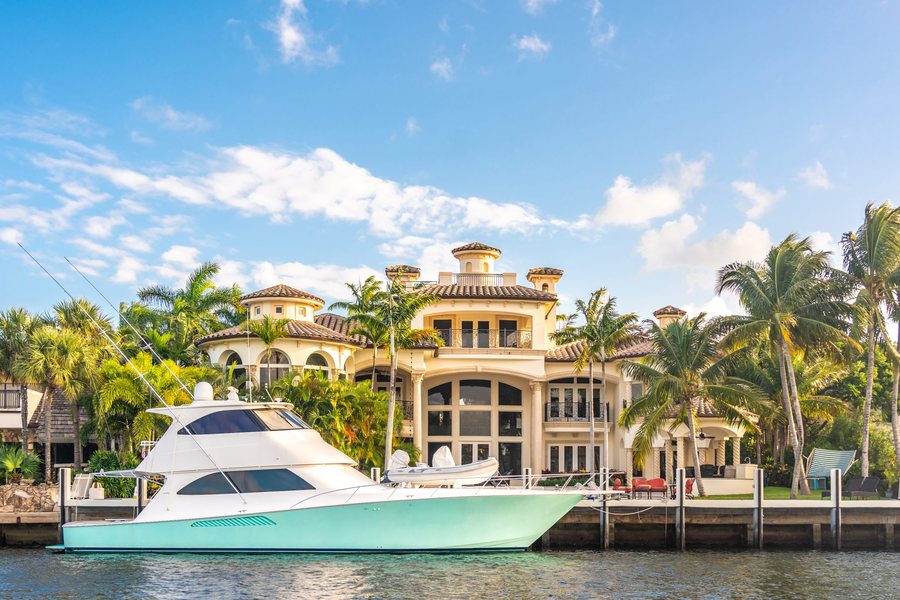
Watch: learn more
Go deeper with my South Florida Insider videos.

The Best Flex-Space Townhome in West Palm Beach: Pulte's Nautical Plan
Inside Everton's Latitude II Model: $458k New Homes In Palm Beach
The Best Flex-Space Townhome in West Palm Beach: Pulte's Nautical Plan
More articles you might like
West Palm Beach vs Palm Beach Gardens: City Energy or Suburban Comfort?
17 min readWest Palm Beach FAQ: 20 Questions Buyers Ask Before Moving (2026 Guide)
13 min readWhat It's Actually Like to Live in West Palm Beach: Lifestyle, Culture and Daily Life
18 min readIs West Palm Beach a Good Place to Live? An Honest 2026 Review
18 min readBest Neighborhoods in West Palm Beach: An Honest 2026 Breakdown
13 min read