What It's Actually Like to Live in West Palm Beach: Lifestyle, Culture and Daily Life
What It’s Actually Like to Live in West Palm Beach: Lifestyle, Culture and Daily Life
Here’s what you really need to know before you move to West Palm Beach: it’s not Palm Beach, and it’s not trying to be. West Palm Beach is the working, eating, working-out, gallery-hopping city on the mainland side of the Intracoastal, and the island across the water is where you go for dinner and a walk, not where most of the people who live here actually sleep. That distinction shapes almost everything about daily life here, from what you pay for housing to how often you see the ocean to what your Tuesday night looks like.
Stanley’s been showing buyers this city long enough to know the brochure version and the real version don’t match. The reality is West Palm Beach has become one of the most interesting cities in South Florida over the last five years, but it’s also a city of very different neighborhoods living very different lives under one zip code umbrella. This guide walks through what daily life is actually like, block by block and habit by habit, so you know what you’re signing up for before you make an offer.
The Short Version
If you want walkable, social, food-and-art-driven daily life with the ocean a short drive away instead of out your front door, West Palm Beach delivers that better than almost anywhere else in Palm Beach County. If you’re picturing quiet suburban cul-de-sacs and top-rated public schools within walking distance, you’re better served looking at Palm Beach Gardens or the western suburbs. Both are valid. They’re just not the same life, and the buyers who end up happiest here are the ones who admitted that to themselves before closing, not six months after.
The Neighborhoods Actually Shape Your Life Here
West Palm Beach isn’t one lifestyle, it’s a dozen small ones stitched together. Where you land inside the city matters more than the fact that you live in “West Palm Beach” at all. Two buyers can both say they “bought in West Palm Beach” and describe completely different weekly routines, price points, and even commute patterns depending on which side of Dixie Highway they landed on.
Downtown and CityPlace (Now Rosemary Square)
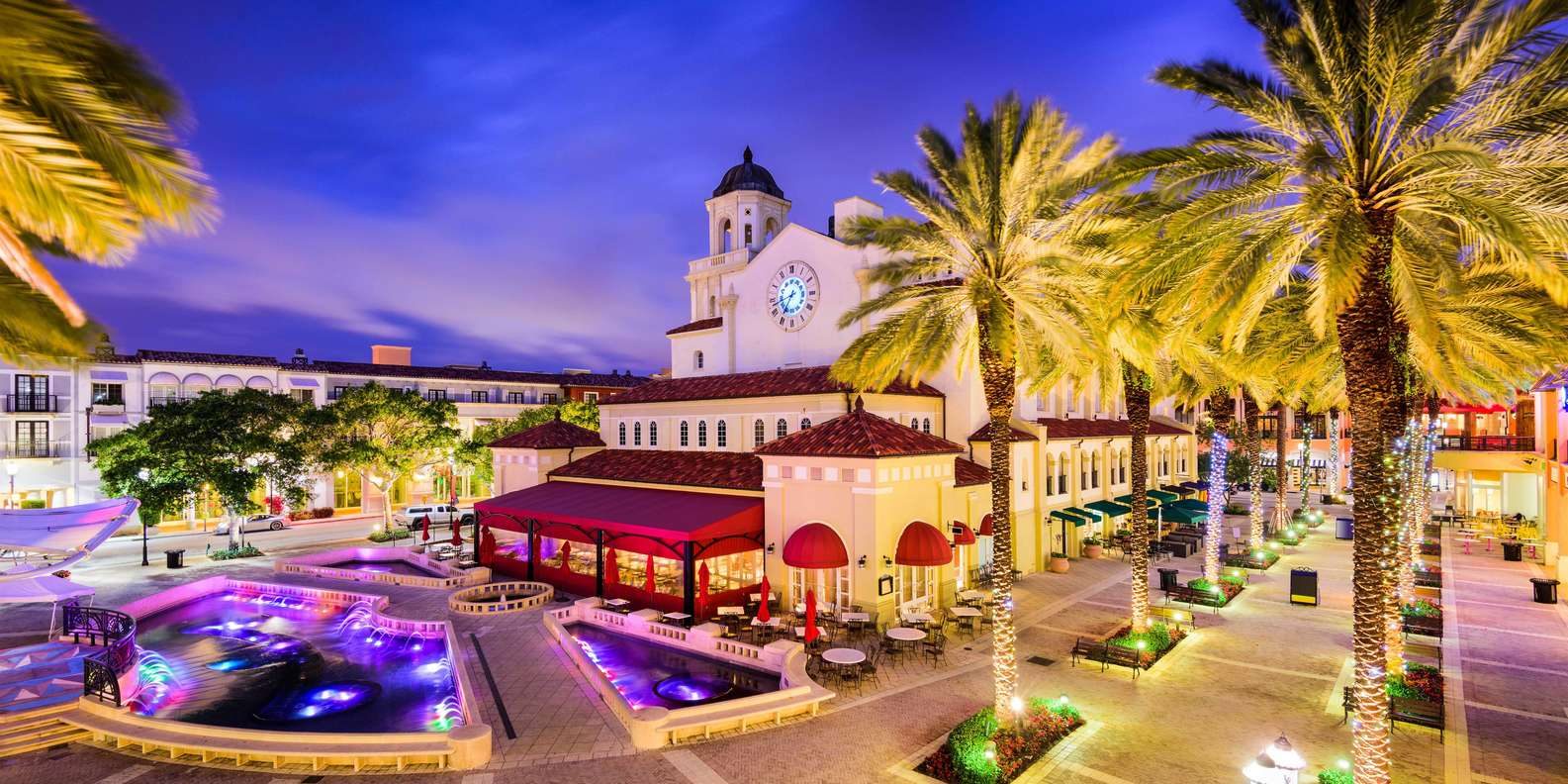
Downtown living means high-rise or mid-rise condo life, Clematis Street a few blocks away, Rosemary Square (still called CityPlace by half the locals) for dinner and outdoor concerts, and the Waterfront Commons and Currie Park for morning runs along the Intracoastal. This is where you live if you want to walk to dinner and never think about parking twice in one night. It’s also where the newest luxury towers are landing. Related Group and BH Group’s waterfront projects, South Flagler House’s two 28-story towers starting near $5.9 million, and Alba Palm Beach’s boutique 22-story building are all reshaping the downtown skyline with price points that start well north of most West Palm Beach housing.
That new luxury pipeline doesn’t stop with those two. Alba Reserve, from the same BGI Companies and Blue Road Group team, is pre-construction at 87 residences starting around $5.7 million. Maison d’Or, from Perko Development and Kolter Urban, is another pre-construction boutique tower, 39 residences, also starting near $5.7 million. Nora House rounds out the pipeline as a smaller, boutique luxury condo building with pricing not yet released. None of these are entry-level buys, they’re aimed at buyers trading down from bigger homes elsewhere or parking capital in a waterfront address, but they matter because they’re actively changing what “downtown West Palm Beach” means on the skyline and in the price data. Downtown is genuinely a different city from the bungalow neighborhoods ten minutes west, and it’s worth treating it as its own market when you’re comparing notes with a friend who bought in Flamingo Park for a third of the price.
El Cid and SoSo (South of Southern)
El Cid is the postcard version of West Palm Beach: Mediterranean Revival and Mission-style homes on brick-paved streets, huge banyan and oak canopies, and a straight shot to the Southern Boulevard bridge into Palm Beach. It’s one of the most walkable historic districts in the county and consistently one of the more sought-after addresses for buyers who want charm with proximity to the water. SoSo, just south of Southern Boulevard, has a similar historic feel with slightly more relaxed pricing, and it’s often where buyers land when they get outbid in El Cid but still want that same architectural character and canopy-lined streets. Both neighborhoods trade heavily on walkability to the bridge, if you work in Palm Beach or just want a five-minute bike ride to the island for dinner, this is the corridor to focus on.
Flamingo Park
Flamingo Park is the neighborhood locals point to when they say West Palm Beach has real community. It’s a historic district with an active neighborhood association, a genuine front-porch culture, monthly social events, and a mix of young professionals, longtime residents, and families who bought here specifically because they wanted to know their neighbors. Homes here range widely depending on size and renovation level, but the draw isn’t the square footage, it’s the walkability to Dixie Highway’s restaurant row and the sense of an actual neighborhood rather than a subdivision. Buyers who prioritize community over square footage consistently name Flamingo Park first when Stanley asks what they actually want out of city living, and it’s the neighborhood that tends to convert skeptical suburban buyers into city people once they’ve walked it on a Sunday morning.
Northwood
Northwood, north of downtown, is where the city’s arts and small-business energy has concentrated. Northwood Village hosts a monthly Art & Music Village Fest, and the corridor along Northwood Road has filled in with independent coffee shops, boutiques, and restaurants over the past several years. It’s more affordable than El Cid or Flamingo Park and still has room to grow, which is exactly why buyers looking for value with upside have been circling it. Old Northwood, the historic residential pocket just west of the Village, adds another layer, tree-canopied streets and 1920s architecture at a price point that still runs meaningfully below El Cid, though the gap has been closing as more buyers discover it. If you’re comparing value plays inside the city core, Northwood is the neighborhood Stanley tells buyers to watch closest over the next few years.
Grandview Heights and Prospect Park
These are the neighborhoods where first-time buyers and young families actually find attainable West Palm Beach homes. Smaller bungalows, tighter budgets, and a five to ten minute drive to downtown make these areas the practical entry point into city living without condo fees or the historic-district price premium. If you’re weighing your first purchase here, this is worth reading alongside our guide for first-time buyers in West Palm Beach. What these neighborhoods trade away in walkability compared to El Cid or Flamingo Park, they make up for in actual affordability, and for a lot of first-time buyers that trade-off is the difference between owning in the city now versus renting for another three years while saving up.
For a full block-by-block breakdown of how these areas compare on price, walkability, and school zoning, see our complete guide to the best neighborhoods in West Palm Beach.
What a Normal Week Actually Looks Like
Weekday Mornings
If you live downtown, El Cid, or Flamingo Park, mornings often start with coffee on Dixie Highway or a walk along the Waterfront Commons before work. Commuters heading to offices in Boca Raton or Fort Lauderdale deal with I-95 traffic that backs up predictably between 7:15 and 8:30 a.m., especially near the Okeechobee Boulevard and Southern Boulevard interchanges. If your job is downtown or in the government/financial corridor around Clematis and Datura, you may not need a car most days at all, which is rare in South Florida and one of the real selling points of living close in.
Brightline’s downtown West Palm Beach station also changes the calculus for anyone who occasionally needs to get to Fort Lauderdale or Miami without driving. It’s a genuine amenity, not a gimmick, for residents who live within walking or short rideshare distance of the station. Stanley’s had clients specifically prioritize a downtown or El Cid address so a Brightline commute to a Miami or Fort Lauderdale office stays realistic three or four days a week, and for the right job that trade-off makes sense financially once you factor in what parking and gas actually cost over a year.
Weekday Evenings
Dixie Highway between Southern and Belvedere has become the after-work restaurant row for people living in the southern historic districts: Grato for Italian, Rhythm Cafe for an eclectic dinner, Camino for a casual bite. Downtown pulls a different crowd toward Clematis Street and Rosemary Square, where Thursday night’s Clematis by Night draws a free outdoor concert and food trucks that functions as a weekly community gathering more than a tourist event at this point. It’s the kind of recurring, low-key ritual that tells you more about a city’s actual character than any brochure photo of the skyline.
Green’s Pharmacy on the island remains the old-school lunch counter spot people cross the bridge for, a reminder that some of West Palm’s best food culture technically happens in Palm Beach, fifteen minutes away. Fitness and outdoor life fill in the rest of the evening for a lot of residents, the Waterfront Commons path and Currie Park draw a steady stream of runners and cyclists right up until sunset, and several of the newer boutique fitness studios along Dixie Highway and in Rosemary Square have made it easy to work out without ever getting on 95.
The Weekend Rhythm
Saturdays typically start at the West Palm Beach GreenMarket on the waterfront, running roughly October through April, where locals buy produce, grab breakfast, and treat it as a social event as much as a shopping trip. From there it splits: some head to Antique Row along South Dixie for furniture and design shopping, some head to the Norton Museum of Art or the Ann Norton Sculpture Gardens for a quieter afternoon, and plenty cross the bridge into Palm Beach for the actual beach.
That last point matters more than people expect before they move here. West Palm Beach itself does not have an ocean beach. You are always crossing a bridge, either the Flagler Memorial, Royal Park, or Southern Boulevard bridge, to get to sand. From El Cid or SoSo that’s a ten to fifteen minute drive. From Grandview Heights or the western neighborhoods it’s closer to twenty five. That drive time genuinely shapes how often “living near the beach” turns into actually going to the beach, and it’s worth being honest with yourself about before you buy assuming you’ll be there every weekend. Stanley tells buyers to actually make that drive at a realistic time, say a Saturday at 11 a.m. in February, before they assume beach access is baked into their new routine. It changes the calculation for a lot of people.
Arts and Culture Are Not an Afterthought Here
This is where West Palm Beach separates itself from most other South Florida suburbs, and it’s worth its own section because it’s genuinely one of the city’s strongest arguments.
The Kravis Center for the Performing Arts anchors downtown with a full season of Broadway touring shows, symphony, and concerts. The Norton Museum of Art, after a major expansion, has become one of the stronger art museums in the state, not just the county. The Ann Norton Sculpture Gardens offer a quieter, garden-set counterpart a few minutes away. SunFest, the city’s waterfront music festival every spring, draws national touring acts and turns downtown into a multi-day event. Northwood Village’s monthly art walk gives the culture scene a grassroots, gallery-crawl counterpart to the bigger institutions.
None of this is unique in isolation, plenty of Florida cities have a museum or a concert venue. What’s different is the density of it within a few square miles that you can actually walk between, which is rare anywhere in the state outside Miami’s core neighborhoods. A resident in El Cid or downtown can realistically catch a Kravis Center show, grab dinner on Clematis, and walk the Norton on a Sunday, all inside the same long weekend, without ever getting on the highway. That’s the actual value proposition of paying a premium to live close in, and it’s worth weighing against a lower-priced home twenty minutes further out where that same weekend requires three separate car trips.
The Honest Version of Cost and Housing Type
What You’re Actually Buying
Housing stock in West Palm Beach ranges enormously by neighborhood, which is the single biggest thing outsiders misunderstand about the city. A 1920s or 1930s bungalow in Grandview Heights or Prospect Park sits at one price point. A restored Mediterranean Revival home in El Cid sits meaningfully higher. Downtown and waterfront condos on Flagler Drive, especially newer luxury towers, start higher still and climb fast, some of the newest developments like South Flagler House and Alba Palm Beach are priced from $2.5 million to well over $20 million for the most exclusive units, and pre-construction projects like Alba Reserve and Maison d’Or are both entering the market around $5.7 million. That’s not representative of the whole city, but it does show the range you’re dealing with under one municipal name.
It’s not all high-rise luxury on the new construction side either. Estates at NOMAR, a GL Homes community, is bringing an ultra-luxury single-family boutique enclave to West Palm Beach priced from $1.8 million to $3 million, a reminder that new construction here isn’t only stacked condo towers. On the more attainable end, Edgestone from D.R. Horton is a suburban townhome subdivision, pricing hasn’t been released yet since it’s still in presale, but it’s a signal that even a national production builder sees demand for a lower price point inside West Palm Beach’s broader footprint. If you’re set on new construction specifically, the spread between a GL Homes single-family enclave and a D.R. Horton townhome subdivision tells you how wide this market actually is before you even get to resale.
For a full breakdown of current pricing by segment, our West Palm Beach real estate market update is worth reading before you set a budget.
HOA and CDD Reality
Most of West Palm Beach’s historic single-family neighborhoods, El Cid, Flamingo Park, Northwood, Grandview Heights, do not carry HOA fees the way a planned new-construction community would. You’re buying an older home with city services, not a managed community. Condo buildings downtown and on the waterfront are the opposite: expect meaningful monthly HOA dues covering building insurance, amenities, and reserves, and factor those into your real monthly cost the same way you would a mortgage payment. On a newer luxury tower like South Flagler House or Alba Palm Beach, that HOA number can run into the thousands per month once you account for staffed amenities, insurance in a coastal building, and reserve funding, ask for the actual budget, not just the quoted monthly figure, before you commit.
CDD fees are essentially a non-factor inside the historic city core, they show up more in newer planned communities further west and north in the county, which is worth knowing if a listing agent quotes you a CDD number inside city limits, ask what it’s actually for. A boutique single-family enclave like Estates at NOMAR is more likely to carry a homeowners association fee tied to gate and common area maintenance than a CDD, but always confirm the specific structure on a given community rather than assuming based on what a similar-looking project elsewhere in the county does.
Schools and Family Life
West Palm Beach families are zoned into the School District of Palm Beach County, and quality varies significantly by specific zone and by whether you’re chasing a magnet or choice program. This is one of the areas where doing your homework by address, not by city name, actually matters. Our West Palm Beach schools guide breaks down zoning by neighborhood in more detail, and it’s a conversation worth having before you fall in love with a house in a zone that doesn’t fit your kids’ needs.
Families who want city walkability and are willing to navigate school choice programs tend to land in Flamingo Park or El Cid. Families prioritizing straightforward zoned schools and more house for the money often end up looking just outside the city core, which is a completely reasonable trade-off, not a downgrade. Stanley’s seen plenty of families do both, buy the city bungalow for the lifestyle while the kids are young, then trade up or move zones once school choice becomes the deciding factor, and there’s nothing wrong with treating a West Palm Beach purchase as a stage-of-life decision rather than a forever-home decision.
Weather, Traffic, and the Stuff Nobody Puts in the Brochure
Summers are hot and humid with regular afternoon thunderstorms, standard South Florida. Hurricane season runs June through November and West Palm Beach, being on the mainland rather than a barrier island, generally fares better in storm risk than Palm Beach or the coastal barrier communities, which is a real practical advantage worth factoring into insurance costs. Buyers coming from out of state are often surprised how much that mainland-versus-barrier-island distinction actually saves on windstorm and flood premiums, it’s worth getting an actual quote on both before you assume the island lifestyle is worth the added cost.
Traffic bottlenecks concentrate at predictable points: Southern Boulevard and Okeechobee Boulevard both back up heading toward the bridges during commute hours and again on weekend afternoons when everyone’s heading to or from the beach. If you work a standard 9-to-5 and live downtown or in the southern historic districts, your commute is manageable. If you’re driving in from the western suburbs into downtown daily, budget real time for it, especially November through April when seasonal population swells the roads noticeably. Snowbird season also changes restaurant wait times, GreenMarket crowds, and parking availability downtown, if you’re used to a quiet Tuesday dinner in July, expect a very different experience at the same restaurant in February.
Who Actually Thrives Here vs. Who Doesn’t
People who do well in West Palm Beach tend to want walkability, a real restaurant and arts scene, and don’t mind that the ocean requires a short drive rather than a front-yard view. Young professionals, empty nesters downsizing from bigger suburban homes, and buyers who value culture and food over a big backyard consistently report loving it here. A retired couple selling a large home in the western suburbs for a walkable condo near Rosemary Square is one of the most common transitions Stanley sees, they trade yard maintenance for a five-minute walk to dinner and rarely look back.
People who struggle with the fit are usually those expecting suburban quiet with urban amenities in the same package, or buyers who assumed “West Palm Beach” meant beachfront and didn’t realize the actual sand is across the Intracoastal. If that’s what you want, it’s not a dealbreaker for South Florida generally, it just means West Palm Beach as a city may not be the right fit and a barrier island or a different metro framing might serve you better. If you’re still deciding whether the city itself is the right call, our honest breakdown of whether West Palm Beach is a good place to live digs into that trade-off directly, and our broader guide to moving to West Palm Beach in 2026 covers logistics beyond just lifestyle fit.
The Bottom Line
Living in West Palm Beach day to day means Dixie Highway dinners, a Thursday night on Clematis, Saturday mornings at the GreenMarket, and a genuine, growing arts and culture scene that punches above its weight for a city this size. It means a fifteen minute drive, not a walk, to the actual beach. It means your experience depends heavily on which of a dozen distinct neighborhoods you land in, from historic El Cid to up-and-coming Northwood to the new luxury towers downtown, and it means the housing market itself spans from a $400,000 Grandview Heights bungalow to a $20 million unit at South Flagler House, all technically the same city. Make wise decisions here by choosing the neighborhood that matches your actual weekly routine, not the postcard version of the city, and West Palm Beach delivers one of the most genuinely livable, culturally rich daily lives in South Florida.
Curious which West Palm Beach neighborhood actually fits how you live, not just what looks good in photos? Reach out and we’ll walk through it street by street.
Watch: learn more
Go deeper with my South Florida Insider videos.

The Best Flex-Space Townhome in West Palm Beach: Pulte's Nautical Plan
Inside Everton's Latitude II Model: $458k New Homes In Palm Beach
The Best Flex-Space Townhome in West Palm Beach: Pulte's Nautical Plan
More articles you might like
West Palm Beach vs Palm Beach Gardens: City Energy or Suburban Comfort?
17 min readWest Palm Beach FAQ: 20 Questions Buyers Ask Before Moving (2026 Guide)
13 min readIs West Palm Beach a Good Place to Live? An Honest 2026 Review
18 min readBest Neighborhoods in West Palm Beach: An Honest 2026 Breakdown
13 min readWest Palm Beach vs Boca Raton: Which Is Right for You?
17 min read