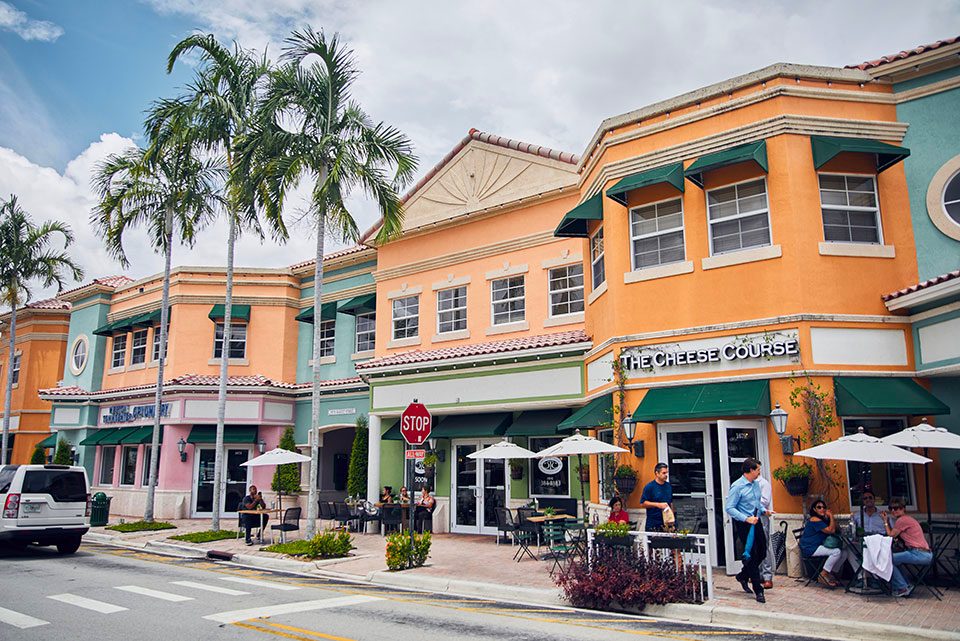
Moving to Parkland FL: The Honest Relocation Guide (2026)
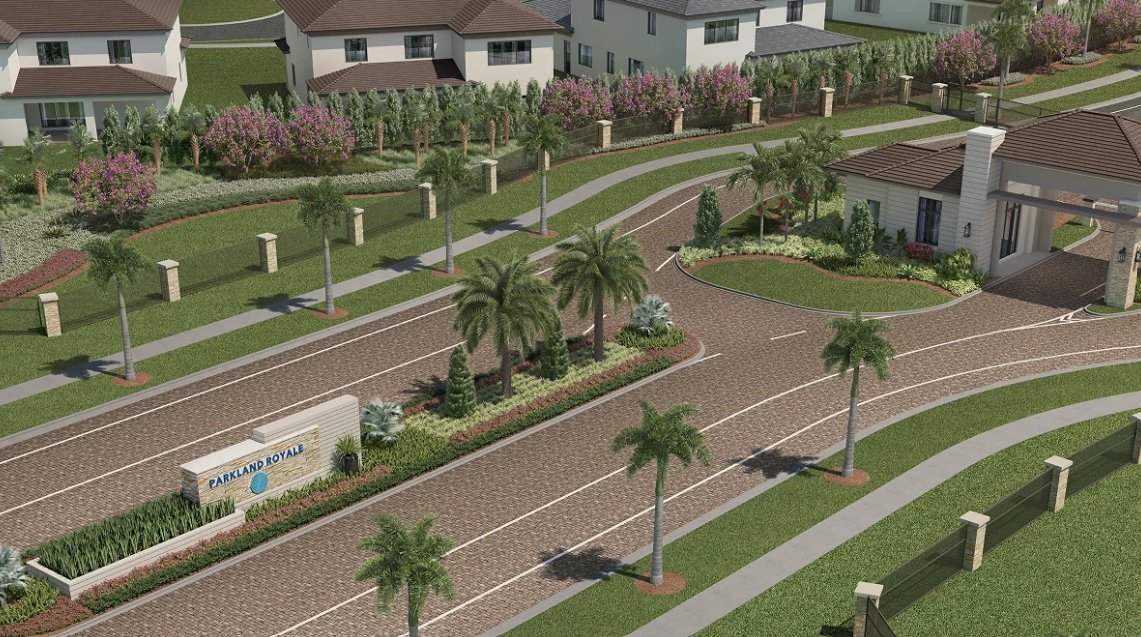
Moving to Parkland FL in 2026 means accepting a straightforward trade. You pay more, in most cases significantly more, for A-rated schools, gated privacy, and some of the newest housing stock in Broward County. This guide on moving to Parkland FL, the honest relocation guide for 2026, walks through the real numbers: what homes cost, what HOA and CDD fees actually run, what’s being built right now, and who this market genuinely fits versus who should look five minutes south instead.
I’ve sat across the table from enough relocating families to know the glossy version of Parkland (gated entrances, splash pads, top school ratings) is only half the story. The other half is a median home price north of a million dollars, HOA boards with real teeth, and a builder pipeline that keeps pushing prices up even as buyers assume the market has topped out. Here’s what you actually need to know before you make an offer.
What Moving to Parkland FL Actually Costs in 2026
Let’s start with the number everyone wants: the median home price in Parkland sits around $1.15 million as of mid-2026, with price per square foot running $369 to $403 depending on the neighborhood and whether the home is resale or new construction. That’s not a typo, and it’s not an outlier listing pulling the average up. That’s the middle of the market.
A few things drive that number:
- Land scarcity. Parkland is largely built out on its original footprint, so most of what’s left to develop sits on the western edge near Loxahatchee Road, which pushes new construction into premium-priced, master-planned communities rather than infill lots.
- Gated inventory dominance. The overwhelming majority of homes for sale in Parkland sit inside guard-gated or gate-code communities, and gated status alone adds a real premium in this market, often 8 to 15% over comparable ungated product in neighboring cities.
- School zoning. Parkland feeds into some of Broward’s highest-rated public schools, and buyers pay directly for that zoning. Families will cross budget lines they said they’d never cross to stay inside these boundaries.
If you’re mapping out a real budget, plan for the purchase price, a higher-than-average homeowners insurance premium (Parkland’s older tree canopy and larger lot sizes mean more wind mitigation and roof inspection line items), HOA dues, and in newer communities, a CDD (Community Development District) assessment layered on top of your county property tax bill. None of that is disclosed clearly in a typical listing sheet, and it’s the single biggest reason out-of-state buyers get sticker shock at closing, not before.
To put that in perspective, a family relocating from Westchester County or northern New Jersey often assumes Florida’s lack of state income tax simply cancels out the higher purchase price. It doesn’t fully. The savings on income tax help, but they get eaten into by the insurance premium and the CDD line if nobody budgets for it up front. I walk every out-of-state client through a full closing cost worksheet before they tour a single home, specifically so this isn’t a surprise in month one of ownership.
The Real Monthly Number, Not Just the Mortgage
A $1.15 million home with 20% down at current rates puts your principal and interest well north of $6,000 a month before you add anything else. Layer in property taxes (Broward’s effective rate plus any CDD debt service), homeowners insurance, and HOA dues, and most Parkland buyers are landing between $7,800 and $9,500 a month all-in on a median-priced home. That’s the number to run before you fall in love with a listing photo.
Here’s a realistic example. A family moving from Ohio into a $1.1 million resale in Heron Bay, putting 20% down, is typically looking at roughly $6,300 in principal and interest, $900 to $1,100 in property taxes, $350 to $450 in homeowners insurance, and $450 to $600 in HOA dues. That lands around $8,000 to $8,450 a month before utilities or a car payment. Move that same family into a Parkland Royale or Saltgrass new build at $1.2 million to $1.4 million, add a CDD assessment of $250 to $350 a month, and the all-in number climbs toward $9,000 to $9,800. That gap between resale in an established community and brand-new construction is real money every single month, not a rounding error.
Parkland vs Coral Springs: The Comparison Nobody Gives You Straight
Every relocation guide mentions Coral Springs as Parkland’s neighbor. Almost none of them tell you what that actually means for your wallet.
Coral Springs sits directly south and shares several of the same school zones, the same general commute profile to Sawgrass Expressway and I-75, and a similar suburban, family-first feel. What it doesn’t share is Parkland’s price floor. Coral Springs resale inventory regularly trades $150,000 to $300,000 below comparable Parkland product, largely because Coral Springs was built out earlier (1970s through 1990s) and carries less gated, master-planned new construction driving up the comps.
That price gap plays out differently depending on what you’re shopping for. A four-bedroom, 2,600 square foot single-family home in a Coral Springs community like Eagle Trace or Windsor Estates will often list in the $650,000 to $800,000 range. The same square footage in a gated Parkland community, even an older one, tends to start closer to $900,000 and climb from there. You’re not just paying for the address, you’re paying for the gate, the newer roof stock, and the school zoning attached to it.
The honest trade-off:
- Choose Parkland if gated security, newer construction, and the absolute top tier of Broward school ratings matter more to you than price per square foot.
- Choose Coral Springs if you want a similar lifestyle and many of the same school options at a meaningfully lower monthly payment, and you’re comfortable with older housing stock that may need updating.
Neither answer is wrong. It depends on what you’re actually optimizing for, and that’s the conversation I have with every family considering this move before we ever open the MLS.
New Construction in Parkland: Who’s Building and What It Costs Right Now
This is where Parkland’s 2026 story gets interesting, and where most relocation content is already out of date by the time you read it.
Lennar’s Loxahatchee Road move. Lennar closed on roughly 75 acres along the Loxahatchee Road corridor on Parkland’s western edge for $52.5 million, one of the largest land plays in the area in recent memory. That land buy signals exactly where the next wave of Parkland new construction is headed, and it’s not going to bring prices down. Land at that basis has to pencil out against $1M+ price points to make sense for a public builder.
Toll Brothers’ Saltgrass community. Toll Brothers opened its new Saltgrass community in Parkland in July 2026 with single-family homes starting at $1.39 million and up. That starting price alone reset expectations for what “new construction” means in Parkland. This isn’t an entry point anymore, it’s a premium tier layered on top of an already premium city.
Lennar’s Parkland Royale. For buyers who want guard-gated new construction without the very top-tier Saltgrass pricing, Parkland Royale by Lennar is worth a serious look. Single-family homes there start at $1,164,817, with the Crown and Monarch collections offering different floor plan footprints, and a Next Gen option (with layouts like the Barony and Highgrove) that gives multigenerational families a private attached suite, a real differentiator if you’re relocating with aging parents or adult children in tow. I broke down the real floor plans, pricing, and HOA structure in Is Parkland Royale Worth It? An Honest Look at Lennar’s Guard-Gated Parkland Community, and it’s the most detailed side-by-side I’ve published on a single Parkland community.
For comparison on HOA and CDD structure in a similarly positioned gated new-construction community just south in Coral Springs, Cascata at MiraLago Review (2026) is a useful benchmark, since MiraLago and Parkland Royale draw from the same buyer pool and price tier.
What This Means If You’re Buying New Construction
Two things to plan around. First, new construction pricing in Parkland has been moving up, not stabilizing, through 2026. If a builder rep tells you “prices are about to increase,” that’s often true here, not just a sales tactic, given the land basis builders are working with post-Loxahatchee. Second, CDD assessments on new communities like Saltgrass and Parkland Royale are real debt obligations tied to the land, not optional HOA add-ons. Ask for the CDD bond balance and annual assessment schedule before you write an offer, not after.
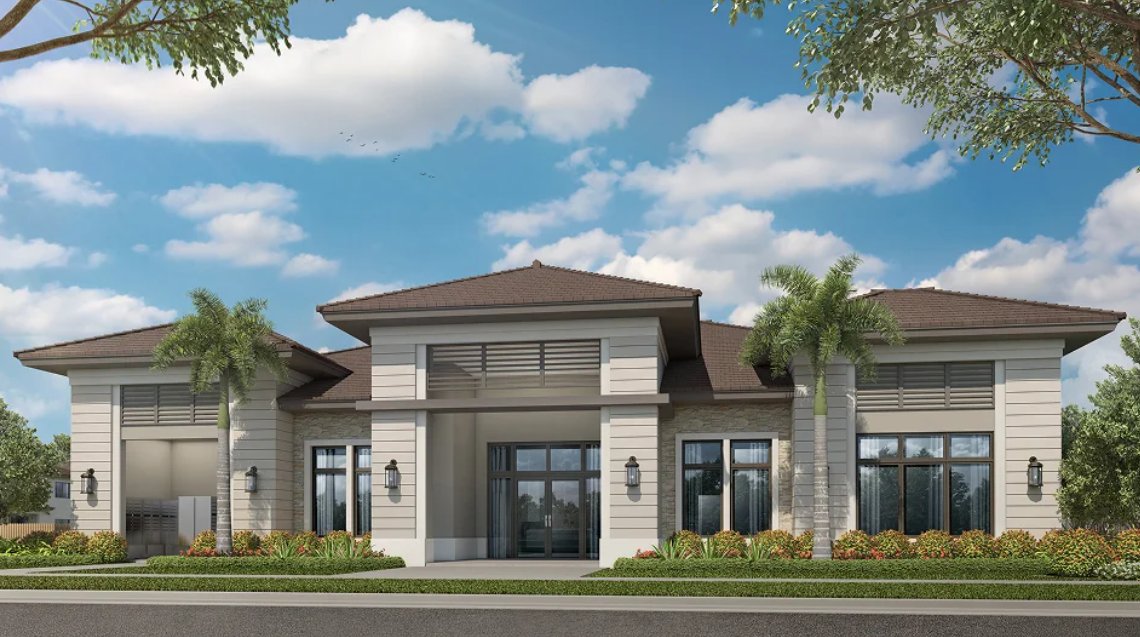
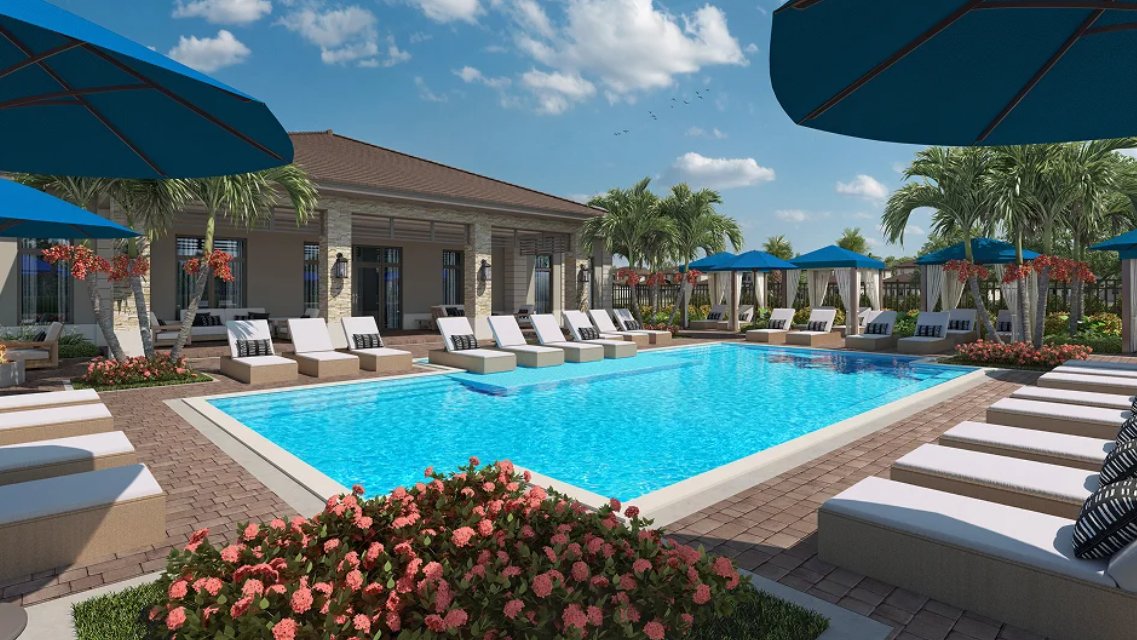
There’s also a construction-timeline reality nobody mentions upfront. Buying into Saltgrass or the newest phases near Loxahatchee Road right now means living next to an active build site for a while. Roads get reworked, model centers stay open with sales traffic driving through, and amenity centers (the pool, the clubhouse) frequently aren’t finished until well after the first residents move in. If you need a fully settled, quiet street from day one, an earlier phase or an established community like Heron Bay will get you there faster than the newest release.
HOA and CDD Reality: What You’ll Actually Pay Every Month
Parkland HOA dues vary widely depending on whether you’re in an older, established community or a newer gated development with amenity centers, guard gates, and landscaping crews included in the fee.
Realistic ranges for 2026:
- Older, non-gated communities: $150 to $300 a month, often covering basic common area maintenance only.
- Gated communities with amenities (pools, clubhouses, fitness centers): $350 to $600 a month.
- Guard-gated, staffed communities (24-hour gate attendants, higher-end landscaping, more amenities): $500 to $800+ a month.
Add CDD assessments on top of that for anything built in the last decade, particularly on the western edge near the new Lennar and Toll Brothers footprint. CDD debt service typically runs $2,000 to $4,000+ a year depending on the size of the infrastructure bond that community is paying down, and it shows up as a separate line on your property tax bill, not folded into HOA dues. Buyers who don’t budget for it separately are almost always the ones surprised at their first November tax bill.
The other detail worth knowing: CDD assessments don’t disappear over time the way some buyers assume. They amortize on a fixed schedule, often 15 to 30 years, and the balance is tied to the property, not the original owner. If you buy resale in a community with an active CDD bond, you’re picking up the remaining balance, and that should be reflected in how you negotiate price, not treated as a surprise line item at closing.
If you want a full breakdown of how HOA and CDD math actually works line by line in a comparable master-planned community, Mainstreet HOA and CDD Fees: What You’ll Actually Pay Every Month walks through the mechanics in detail, and the same logic applies directly to Parkland’s newer developments.
Schools and Family Life: The Real Reason Most Buyers Choose Parkland
Ask any relocating family why they’re targeting Parkland specifically, and schools come up before amenities, before commute, before almost anything else. Parkland feeds into some of Broward County’s most consistently A-rated public schools, including Park Trails Elementary, Riverglades Elementary, Westglades Middle School, and Marjory Stoneman Douglas High School, and that reputation is the single biggest driver of the price premium discussed above.
If schools are your primary driver, verify current zoning for the specific address you’re considering before you write an offer, not the neighborhood in general. Zoning lines in Broward can shift between school years, and a home two streets over from your target can feed into a different school. Your agent should be pulling the current zoning map for the exact parcel, not quoting you the general reputation of “Parkland schools.”
Beyond the school question, day-to-day family life in Parkland leans quiet and low-density. Most communities are built around family-oriented amenities (parks, walking trails, community pools) rather than nightlife or retail density. If you want walkable restaurants and a downtown feel, that’s not what Parkland offers, and you should know that going in rather than discovering it after closing.
Commute Reality: What You’re Actually Signing Up For
Parkland sits inland, near the Palm Beach County line, and that location shapes daily life more than most relocation guides admit. Sawgrass Expressway is the main artery out, connecting to I-75 and eventually to I-95 and the Florida Turnpike for anyone commuting toward Fort Lauderdale, Boca Raton, or Miami.
Realistically, a commute to downtown Fort Lauderdale or Fort Lauderdale-Hollywood International Airport runs 35 to 50 minutes depending on traffic and time of day. Boca Raton’s office corridor along Glades Road and Yamato Road is often a shorter, more reliable drive for Parkland residents, sometimes 20 to 30 minutes, which is part of why Parkland has become a popular landing spot for professionals working in Boca and Delray Beach rather than strictly a Broward-facing suburb. If your job is fully remote or hybrid, this matters far less. If you’re commuting five days a week to a downtown Fort Lauderdale office, factor that drive into your decision the same way you’d factor in a school rating. It’s a daily cost, not a one-time consideration.
Who Parkland Fits (and Who It Doesn’t)
Being direct here, because most relocation content won’t be.
Parkland fits you if:
- You have a household budget comfortably clearing $7,500 to $9,500 a month all-in on housing.
- Top-tier school zoning is a non-negotiable, not a nice-to-have.
- You want gated, low-crime, low-density living and you’re willing to pay for it.
- You’re buying new construction and want the newest inventory in Broward’s western corridor.
- Your commute is flexible, remote, hybrid, or oriented toward Boca Raton rather than a fixed downtown Fort Lauderdale office five days a week.
Parkland doesn’t fit you if:
- You’re optimizing for price per square foot or want more house for the same budget. Coral Springs or Coconut Creek will get you there with a similar suburban feel and meaningfully lower entry prices.
- You want walkable retail, nightlife, or a shorter commute to the coast. Parkland is inland and car-dependent by design.
- Your budget tops out under $700,000. That price point exists in Parkland only in older, non-gated pockets, and inventory there is thin. A first-time buyer working with a tighter budget is often better served looking at Deerfield Beach, which offers a genuine starter-home path with a shorter drive to the beach.
- You’re weighing a condo instead of a single-family home to control your monthly cost. Parkland has almost no condo inventory, so if that flexibility matters, you’re looking outside the city limits, and you should understand SIRS and reserve requirements before buying any South Florida condo, covered here.
The Corridors and Neighborhoods to Know
Parkland isn’t one uniform market. A few corridors matter more than others when you’re narrowing a search:
- Loxahatchee Road corridor (west): The newest ground in the city, home to the Lennar and Toll Brothers pipeline discussed above. Expect the highest new-construction prices and the longest runway of ongoing development activity, which means construction traffic and changing inventory for the next several years.
- Trails/Ranches area (central-west): Larger lots, more established estate-style homes, and a horse-friendly zoning history in pockets. Lot size drives price here more than square footage.
- Heron Bay and central Parkland: Established, amenity-rich gated communities with a mix of home ages, generally the most “move-in and settle” option if you want an established neighborhood feel rather than an active construction zone next door.
- Eastern Parkland near the Coral Springs line: The closest thing Parkland has to an entry-level price point, and the easiest spot to cross-shop against Coral Springs inventory directly.
Each of these corridors has a different buyer profile attached to it, and it’s worth being honest about which one you actually are. Families chasing the newest homes and willing to live near construction for a few years gravitate west. Families who want an established, quiet, fully built-out community with mature landscaping and a settled feel tend to land in Heron Bay or central Parkland. Buyers stretching their budget to get inside the city limits at all usually end up shopping the eastern edge against Coral Springs listings directly, which is exactly why that comparison matters so much earlier in this guide.
Making the Decision: A Practical Framework
Before you commit to Parkland, run this short checklist:
- Confirm the real all-in monthly number, not just the mortgage payment, including HOA, CDD, insurance, and taxes on the specific home.
- Pull current school zoning for the exact address, not the general area reputation.
- Ask for the CDD bond balance and payoff schedule on any new construction purchase.
- Cross-shop Coral Springs and Coconut Creek on the same budget before you anchor to Parkland pricing, so you know what you’re giving up or gaining either way.
- Map your actual commute from the specific address to your workplace, on a weekday, at the time you’d actually be driving it, not a best-case Sunday afternoon estimate.
- Decide what you’re actually optimizing for: schools and gated privacy, or price per square foot and flexibility. Parkland only makes sense if the first list matters more to you than the second.
The reality is Parkland in 2026 is not the hidden-gem, still-affordable suburb it may have been a decade ago. It’s a mature, premium market with a clear price floor and a builder pipeline that’s still pushing that floor higher. That’s not a reason to avoid it. It’s a reason to go in with real numbers instead of a brochure.
If you’re actively comparing Parkland against other Fort Lauderdale metro communities, whether that’s a specific new construction development, an HOA structure, or a neighboring city entirely, drop your budget and priorities and I’ll give you the same straight breakdown for your specific situation. Make a wise decision, not a rushed one.
More articles you might like
Moving to Coconut Creek, Florida (2026): The Honest Relocation Guide
17 min read
Moving to Doral, FL: The Honest Relocation Guide (2026)
17 min readMoving to Wellington, FL: The Honest Relocation Guide (2026)
14 min read
Moving to Pembroke Pines, Florida (2026): The Honest Relocation Guide
21 min read
Living in Parkland, Florida (2026): Schools, Cost of Living, and Is It Worth It?
17 min read