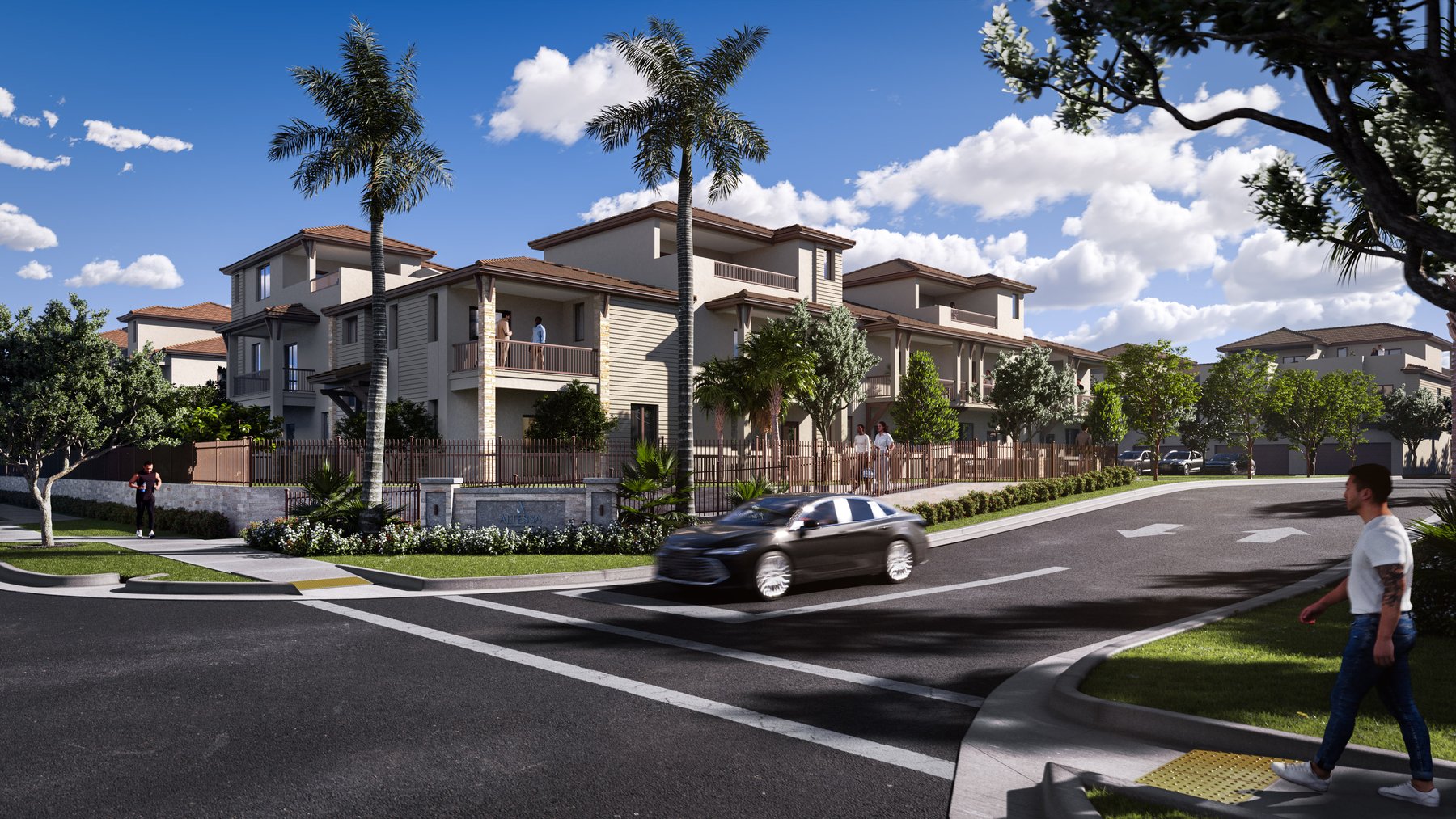
Plantation Florida Guide (2026): Neighborhoods, Schools, Prices, and Commute
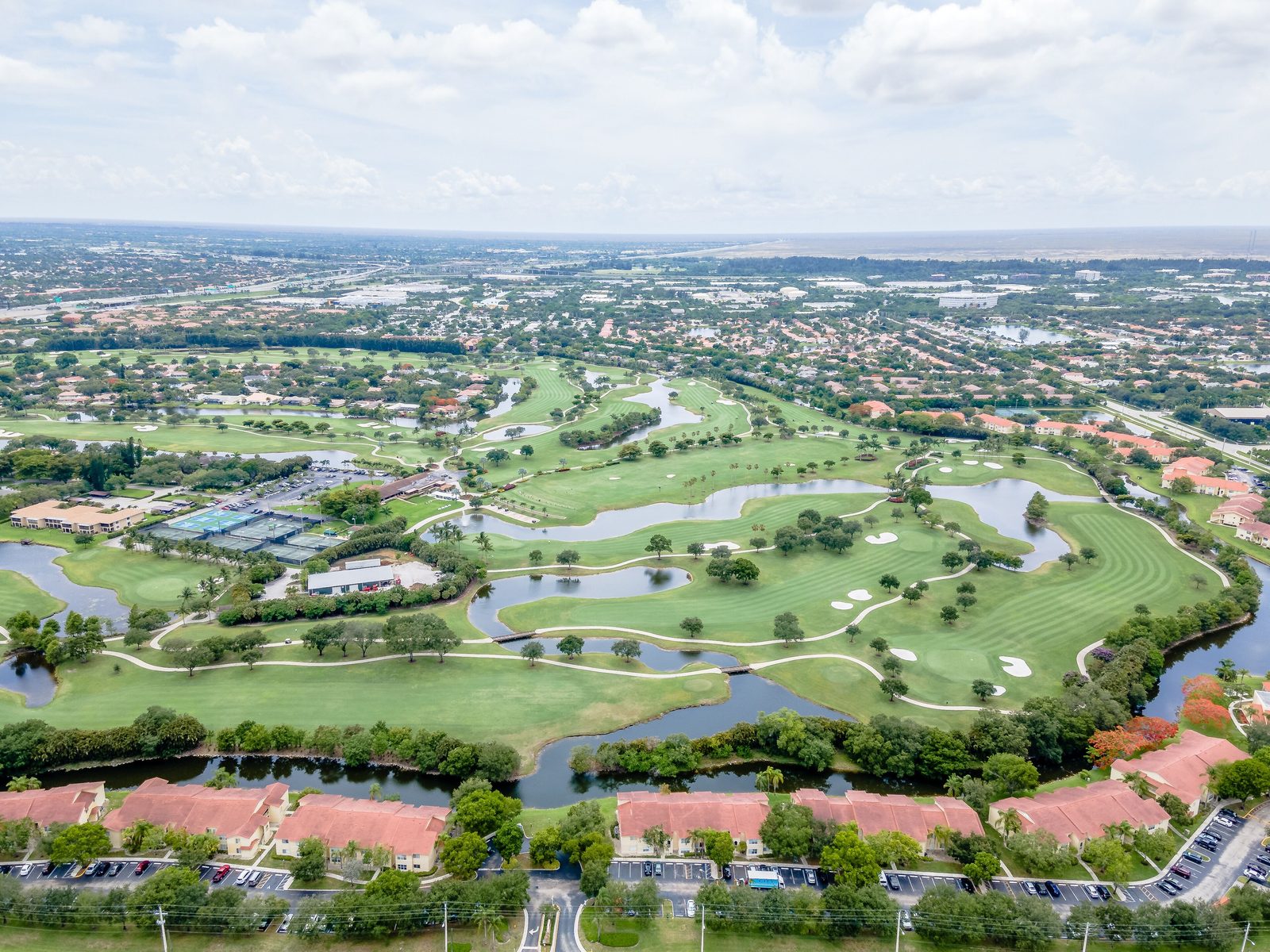
If you are searching for a plantation florida guide because you keep hearing the name and can’t quite place it on the map, here is the short version: Plantation is a built out, tree lined suburb in central Broward County, sandwiched between Fort Lauderdale, Sunrise, and Davie, known for strong schools, a short commute, and a housing stock that is almost entirely resale. It is not the newest suburb in South Florida and it is not trying to be. It is the suburb people move to when they want stability, shade trees instead of sod, and a 15 to 20 minute drive to downtown Fort Lauderdale.
This guide covers what Plantation actually is, who it fits, what homes really cost by type, the neighborhoods that make up the city, the schools, the commute, the lifestyle, and where new construction fits into the picture (spoiler: not much, and that matters for how you should shop).
What Is Plantation, Florida?
Plantation is an incorporated city in central Broward County, part of the Fort Lauderdale metro. It sits west of Fort Lauderdale, north of Davie, east of Sunrise, and south of Tamarac and Lauderhill. Unlike newer master planned suburbs out west, Plantation was largely developed from the 1960s through the 1990s, which means mature landscaping, established HOAs (many with modest fees or none at all), and a road network that already exists instead of one still being built around new rooftops.
The city has a reputation locally as a “quiet money” suburb. It is not flashy like Weston, not brand new like Parkland, and not cheap like some of the western Broward suburbs still building out. It is the suburb where longtime Broward families have lived for two or three decades, and where relocating families land when they want good schools and a real commute without paying Weston or Southwest Ranches prices.
Plantation also runs its own police and fire departments and its own utilities in parts of the city, which is a detail relocating buyers from outside Florida sometimes ask about. It’s a full service city, not a paper suburb that leans entirely on the county for basic services. That matters when you’re comparing response times and service quality against a newer, less established community out west that’s still building out its own infrastructure alongside its housing.
Who Plantation Actually Fits (and Who It Doesn’t)
The reality is Plantation is not for everyone, and pretending otherwise wastes your time and mine.
Plantation fits you if:
- You want an established neighborhood with mature trees and a lived-in feel, not a construction zone
- You need a short commute to downtown Fort Lauderdale, the airport, or the Sawgrass/I-595 corridor for work
- You have school-age kids and want zoned access to Plantation or Nova schools without private school tuition
- You want land. Plantation Acres still has genuine acre-plus lots, some zoned for horses
- You are comfortable buying a home that is 20, 30, or 40 years old and either updating it yourself or paying a premium for one that’s already been renovated
Plantation does not fit you if:
- You want brand new construction with a builder warranty and current-code everything. Plantation barely has any left
- You are a first time buyer on a tight budget looking for the cheapest entry point in Broward. Sunrise, Lauderhill, and parts of North Lauderdale beat it on price
- You want walkable nightlife and a young, dense social scene. That’s Fort Lauderdale proper or Wilton Manors, not Plantation
- You want a gated, amenity-heavy new community with a resort pool and a clubhouse calendar. Plantation’s HOAs are mostly older and simpler than that
Here’s a scenario that comes up often. A family relocating from out of state, usually the Northeast or the Midwest, gets pointed at Plantation by a coworker or a relative who already lives in Broward. They tour a few homes, and the first reaction is almost always the same: “these houses feel small compared to what we’re used to for the price.” That’s a fair reaction, and it’s worth addressing directly instead of glossing over it. A lot of Plantation’s housing stock was built to 1970s and 1980s standards, three bedrooms, one and a half or two baths, 1,500 to 1,800 square feet, on a lot that’s often a quarter acre or less outside of Plantation Acres. You’re not paying for square footage in Plantation. You’re paying for the school zone, the commute, the tree canopy, and the fact that the neighborhood isn’t going to look like a construction site for the next five years. If square footage per dollar is your main filter, you’ll be happier in Weston, Parkland, or parts of Coconut Creek, where the newer housing stock runs bigger. If location and an established feel matter more than raw size, Plantation is hard to beat.
Plantation Florida Guide: Price Reality by Home Type
This is the section people actually need, so no vague ranges. Here is how pricing breaks down by product type in Plantation as of 2026. Treat these as general orientation, not an appraisal. Comps move, so verify current numbers before writing an offer.
Single Family Homes
- Dated 3/2 ranch homes (1,400 to 1,900 sq ft) in Central Park, Jacaranda, or older sections east of University Drive: roughly $450,000 to $600,000
- Updated or larger 4/2 and 4/3 homes (2,000 to 2,800 sq ft), particularly near Plantation Preserve Golf Course or Jacaranda Country Club: roughly $650,000 to $950,000
- Plantation Acres estate lots (often a half acre to over an acre, some with horse zoning): roughly $850,000 to $1.6 million depending on lot size, home age, and whether it’s been rebuilt or substantially renovated
- Luxury and larger new-build infill homes in pockets throughout the city: can push $1.2 million to $2 million plus
To make that concrete, here’s how it plays out for two different buyer profiles. A young family relocating with a $650,000 to $750,000 budget is usually looking at an updated 3 or 4 bedroom home in Central Park or Jacaranda, something that’s had a kitchen and bath refresh in the last five to ten years but isn’t fully gutted. They’re competing with other relocating families for the same handful of listings, so homes in that range that show well tend to move fast, often under contract inside two weeks when they’re priced right. A move-up buyer with $1 million to $1.4 million to spend is usually shopping Plantation Acres, looking at lot size and horse zoning as much as the house itself, because at that price point the land is doing a lot of the work. Knowing which bucket you’re in before you start touring saves you from wasting weekends on homes that were never a real match.
Townhomes and Condos
- Older condo communities (built 1970s to 1990s): roughly $180,000 to $320,000, watch HOA fees closely since older buildings often carry higher maintenance assessments and may be subject to Florida’s post-Surfside structural reserve requirements if they’re 3 stories or more
- Newer townhomes and updated communities: roughly $350,000 to $500,000
The post-Surfside reserve rules deserve a specific callout because they’ve changed the math on older Florida condos across the board, not just in Plantation. Buildings three stories and up now have to complete milestone structural inspections on a set timeline and fully fund their reserves instead of waiving them, which means HOA fees on older buildings have been climbing, sometimes sharply, as associations catch up on years of underfunded reserves. If you’re looking at a 1980s condo in Plantation with a HOA fee that looks unusually low compared to similar buildings, that’s a flag to ask for the most recent reserve study and milestone inspection report before you get attached to the unit, not after.
HOA and CDD Reality
Most of Plantation predates Florida’s CDD era, so you generally will not see the layered CDD-plus-HOA structure that shows up in newer western Broward and Palm Beach communities. If you’re comparing Plantation to a newer build elsewhere and want to understand what a CDD fee actually is and how it’s different from an HOA, our CDD fee guide breaks it down, and our piece on Estates by Turnberry’s HOA and CDD fees shows what that stacked cost structure looks like in a newer Davie community for comparison. In Plantation, your ongoing cost is more likely to be a modest HOA (or none at all in many single family sections) plus a homeowner’s insurance premium that reflects the home’s age and roof condition.
That insurance point is worth sitting on for a second, because it’s often the bigger monthly cost swing in Plantation, more than any HOA fee. A home with an original 1980s roof is going to cost meaningfully more to insure, or may not qualify for standard coverage at all, compared to a home with a roof replaced in the last ten years. Before you fall in love with a house, ask for the roof age and the last four point inspection. It affects your insurance quote more than almost anything else in the transaction, and it’s a much bigger factor here than it would be shopping a five year old build in Parkland or Coconut Creek where the roof isn’t in question yet.
Neighborhoods in Plantation, Explained
Plantation is not one neighborhood, it’s a collection of them, and picking the right one matters as much as picking the city.
Central Park / Jacaranda
The classic Plantation address. Homes built mostly in the 1970s and 80s, tree-canopied streets, close to Jacaranda Country Club and Plantation Preserve. This is the sweet spot for buyers who want established Plantation without the largest lots. It’s also the section that tends to hold value best when the market softens, simply because demand for it rarely dries up, relocating families and move-up buyers from elsewhere in Broward both target it at the same time.
Plantation Acres
The horse country pocket of Plantation. Larger lots, some genuinely rural feeling despite being minutes from shopping and I-595. This is where buyers who want space, privacy, or the ability to keep animals end up looking. Worth knowing before you shop here: lot condition varies enormously. Some parcels have been fully cleared and rebuilt with a large modern home, others still have the original 1970s or 80s ranch house sitting on the same acre and a half. You’re often really buying the land and deciding later whether you renovate, add on, or eventually rebuild, so budget and mindset need to match that reality going in.
Plantation Isles / Plantation Gardens
Older, established sections closer to the historic core, mixed lot sizes, often more affordable entry points into single family Plantation living. These pockets are a good option for buyers who want the Plantation address and school zoning but don’t need Jacaranda or Acres-level lot size and are willing to trade some of that for a lower purchase price.
Historic Plantation / Old Plantation
The original heart of the city, near Broward Boulevard and University Drive. This is where you find the Liberty Tree and the sense that Plantation existed well before Broward’s newer suburbs did. Homes here skew older still, and buyers drawn to this section are usually less focused on square footage and more focused on the character and history of the area.
Plantation Walk (Broward Blvd / University Drive corridor)
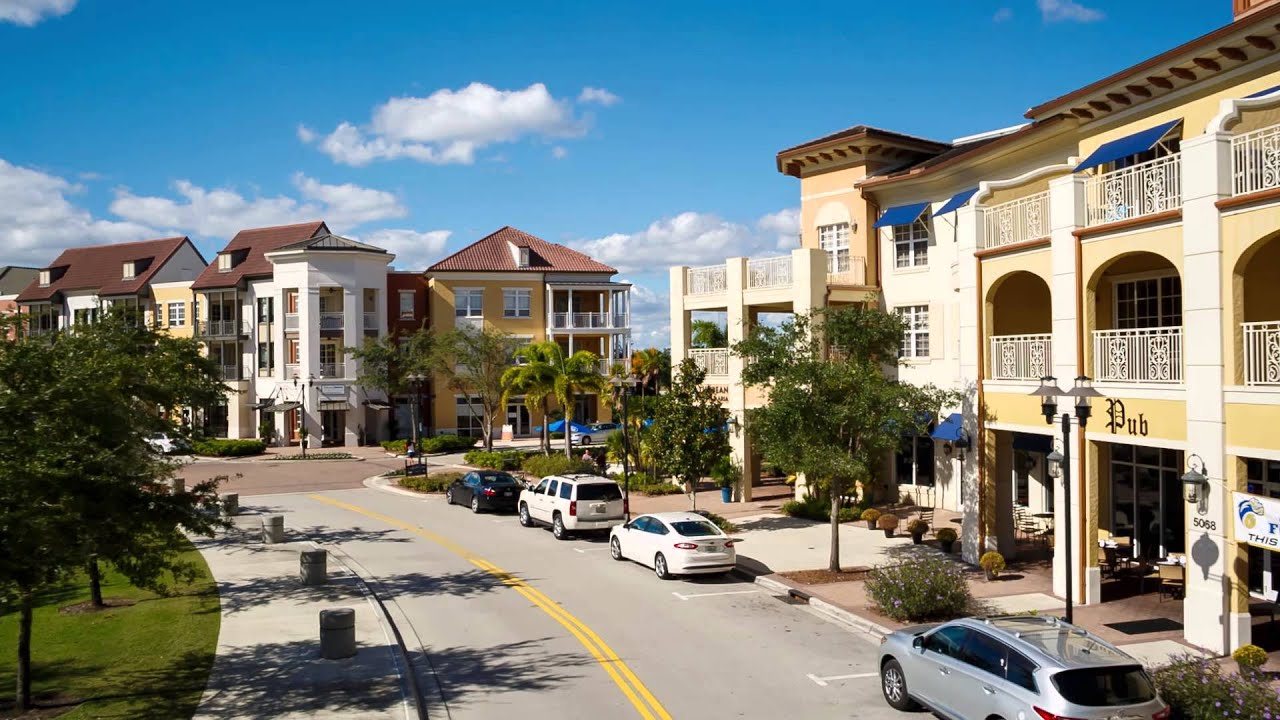
The city’s answer to modern mixed-use living: restaurants, shops, and newer residential product concentrated near Broward Boulevard. This is essentially the only meaningfully “new” development pocket left in the city, and it leans toward townhomes and multifamily rather than single family lots. If your priority is walkability, a newer building, and being able to grab dinner without getting in the car, this is the one corner of Plantation built for that lifestyle, even though it looks nothing like the rest of the city.
Schools in Plantation
Schools are usually the deciding factor for relocating families, so here is the honest picture.
Plantation is zoned for Plantation Elementary, Plantation Middle, and Plantation High School, all Broward County Public Schools. Depending on the exact address, you may also fall into zoning for Peters Elementary, Central Park Elementary, or Sawgrass Elementary, so always confirm the exact zoned school by address before assuming, boundaries shift and overlap in this part of Broward.
The bigger draw for a lot of relocating families is the Nova schools (Nova Blanche Forman Elementary, Nova Middle, and Nova High School), which sit in the Davie/Plantation border area and are operated in partnership with Broward College. Nova High in particular has a strong reputation and pulls interest from families well outside its immediate zone, which is part of why some homes near the Plantation/Davie line carry a premium. If you’re cross-shopping Plantation against Davie for schools, it’s worth noting that brochures for newer Davie communities like The Oaks in Davie actually cite Plantation-zoned schools despite the Davie mailing address, which is a good reminder to always confirm exact zoning with the district rather than trusting a builder’s marketing map.
That last point trips up more buyers than you’d expect, because it isn’t unique to one community. A builder’s site plan and a marketing brochure reflect what’s true at the time it was printed, and school boundaries in Broward do get redrawn as enrollment shifts. Before you write an offer on any home, whether it’s a resale in Central Park or a new build in a neighboring city, pull up the current Broward County Public Schools boundary tool by the actual address, not the neighborhood name. It takes five minutes and it can save you from a very expensive surprise a year after closing.
For families who want a private option, American Heritage School’s main campus sits right in Plantation and is one of the most recognized private K-12 campuses in Broward County. It draws families from across central and western Broward, not just Plantation itself, and for some relocating families it’s actually the deciding factor that puts Plantation on the shortlist over a comparable suburb further west, since living close to campus cuts a meaningful daily commute out of the picture.
Commute and Corridors
This is where Plantation earns its keep. The city sits directly on the I-595 corridor, which is the single most useful east-west artery in Broward County. From most parts of Plantation you can reach:
- Downtown Fort Lauderdale: 15 to 20 minutes via I-595 or Broward Boulevard
- Fort Lauderdale-Hollywood International Airport: roughly 20 minutes via I-595
- I-95 and the Turnpike: both accessible off I-595 within 10 to 15 minutes
- Sawgrass Expressway (toward Coral Springs, Parkland, and northwest Broward): quick access at the western end of I-595
- Sawgrass Mills and the Sunrise retail corridor: 10 to 15 minutes west
University Drive and Broward Boulevard (SR 842) are the two main surface corridors cutting through the city, both lined with shopping, medical offices, and everyday errands, so you’re rarely more than 10 minutes from a grocery store or urgent care regardless of which Plantation neighborhood you’re in.
For buyers commuting to downtown Fort Lauderdale or Brickell for work, that I-595 access is the whole ballgame. Compare it honestly to the alternative: a similarly priced home further west in Coconut Creek or Coral Springs might get you more square footage and a newer build, but you’re adding real time to a daily commute, often 15 to 25 extra minutes each way depending on traffic on Sawgrass Expressway or Atlantic Boulevard. Over a five day work week that’s two to four extra hours in the car, which matters a lot more to some buyers than it does to others. If you work from home most days, that tradeoff barely registers. If you’re driving into an office five days a week, it’s worth running the actual math on your specific commute before deciding Plantation isn’t worth the smaller lot.
Lifestyle and Amenities
Plantation’s lifestyle draw is quieter than the beach cities, and that’s the point for the buyers it attracts.
Central Park is the city’s largest green space: walking and biking paths, sports fields, a dog park, and shaded picnic areas, genuinely one of the better municipal parks in Broward County. Plantation Preserve Golf Course & Club is a public course that anchors the Central Park area and is a big part of why homes nearby carry a premium. Jacaranda Country Club offers a more traditional private club experience for buyers who want that.
Retail and dining center around Plantation Walk, The Fountains at Plantation, and the University Drive corridor, with Sawgrass Mills a short drive west for bigger-box shopping. The city also hosts a genuine historic district near the old Plantation core, which gives it a sense of place that a lot of newer western Broward suburbs simply don’t have yet.
Day to day, Plantation runs on routine rather than destination. You’re not driving to the beach every weekend, that’s a 20 to 25 minute trip east to Fort Lauderdale Beach or Hollywood Beach, but you’re also not dealing with beach traffic and tourist season as part of your daily life. It’s the suburb version of South Florida: errands, kids’ sports at Central Park, dinner on University Drive, and the beach as an occasional trip rather than a backdrop. For buyers relocating from a landlocked state who romanticize being minutes from the water every day, it’s worth being honest that Plantation isn’t that. For buyers who actually want the quieter, more routine version of Broward living, that’s exactly the appeal.
New Construction in Plantation (and Where to Look Instead)
Here’s the part that matters most for buyers specifically hunting for a brand new home: Plantation is close to built out. There is no large master planned new construction community here the way there is in Parkland, Coconut Creek, or parts of Davie. What little new product exists is concentrated in Plantation Walk and scattered infill lots where an older home was torn down and rebuilt.
If new construction with a builder warranty, current hurricane codes, and a fresh floor plan is actually your priority, and you’re flexible on being inside Plantation’s city limits specifically, it’s worth widening the search west and north. A few real comparisons worth looking at:
- Solterra in Sunrise: a Lennar community about 15 to 20 minutes from Plantation with a full amenity package, and our honest breakdown of whether it’s worth the price, plus a full Solterra floor plan guide if the community itself checks out for you
- Mainstreet in Coconut Creek: another newer-construction option north of Plantation worth cross-shopping if you want new build over resale
- Parkland Royale in Parkland, with its own floor plan breakdown, for buyers willing to go further northwest in exchange for genuinely new construction and top-tier Parkland schools
None of these are “better” than Plantation, they’re just a different trade. Plantation trades new-construction availability for location, established neighborhoods, and a shorter commute. Communities further west trade commute time for brand new product and bigger amenity packages. Which one wins depends entirely on what you’re optimizing for.
It’s also worth addressing the infill option directly, since it comes up a lot with buyers who want new construction but won’t budge on being inside Plantation specifically. Scattered lots throughout the city do get torn down and rebuilt, usually a 1970s ranch replaced with a larger, current-code home. These can be a real option, but go in with clear eyes: you’re usually paying custom-build pricing, $1.2 million and up in most cases, for a single lot rather than a builder’s community pricing, and you won’t have the amenity package, the sales office, or the community-wide warranty support that comes with buying in an actual planned development. It’s the right move for a buyer who specifically wants Plantation’s location and is willing to pay a premium for new construction there. It’s the wrong move for a buyer who’s mainly chasing value in new construction, since that value is further west.
How Plantation Compares to Its Neighbors
If you’re cross-shopping the Fort Lauderdale metro, here’s the short version: Weston and Southwest Ranches cost more and feel more manicured. Sunrise and Lauderhill cost less but with fewer of the mature, established pockets Plantation has. Davie offers more land and a slower pace but a longer, less direct commute in some sections. Plantation sits in the middle on price, ahead on commute, and behind on new construction availability. That middle position is exactly why it keeps showing up on relocation shortlists even though it rarely gets the marketing attention that newer suburbs do.
Put dollar figures on it and the comparison gets clearer. A comparable 4 bedroom home that runs $650,000 to $750,000 in Central Park or Jacaranda would likely run $850,000 to $1 million or more in a similar pocket of Weston, largely because of the newer housing stock and Weston’s stronger school branding. That same budget in Sunrise or Lauderhill might get you a bigger lot or a larger house, but you’re giving up some of Plantation’s established feel and, in parts of those cities, some of the school zoning strength. None of that makes one city objectively better than another. It just means the honest answer to “should I buy in Plantation” always depends on what you’re weighing it against, which is exactly why doing that comparison before you tour, not after, saves you the most time.
The Bottom Line
Plantation works for buyers who value an established, shaded, centrally located suburb with real schools and a real commute, and who are comfortable buying resale rather than waiting on a builder’s construction schedule. It does not work for buyers whose top priority is brand new construction or the lowest possible price point in Broward.
If you’re relocating to South Florida and Plantation is on your shortlist, the smartest first move is getting a clear, honest read on which specific pocket of the city fits your budget and your must-haves, school zone, lot size, commute, before you start touring homes. That’s the kind of groundwork that saves you from falling in love with a house in the wrong zone.
DM me “PLANTATION” and I’ll walk you through current inventory by neighborhood and price point, no pressure, just the real numbers.
More articles you might like
Coconut Creek Real Estate Market (2026): Prices, Trends, and What It Means for Buyers
18 min readBest Neighborhoods in Coconut Creek (2026): Where to Buy by Budget and Lifestyle
17 min readCoconut Creek Schools Guide (2026): Zoning, Ratings, and Where Families Buy
18 min readMainstreet Review (2026): Prices, Floor Plans, HOA, CDD, and Who It's For
18 min read
Vineyards Review (2026): Prices, Floor Plans, HOA, CDD, and Who It's For
15 min read