Is Solterra Worth It? An Honest Look at Lennar's Sunrise Community
Is Solterra worth it? If you’re comparing new construction against resale in west-central Broward, the honest answer is yes for the right buyer and no for the wrong one, and the difference comes down to three things: how you weigh the HOA and CDD math against a resale home with no CDD, how much you care about the specific zoned schools, and whether you’re buying to live in it for ten years or flip it in three. This isn’t a sales pitch. It’s the breakdown I’d give a client sitting across from me at the kitchen table, because that’s who actually reads these posts before they tour a model home in Sunrise.
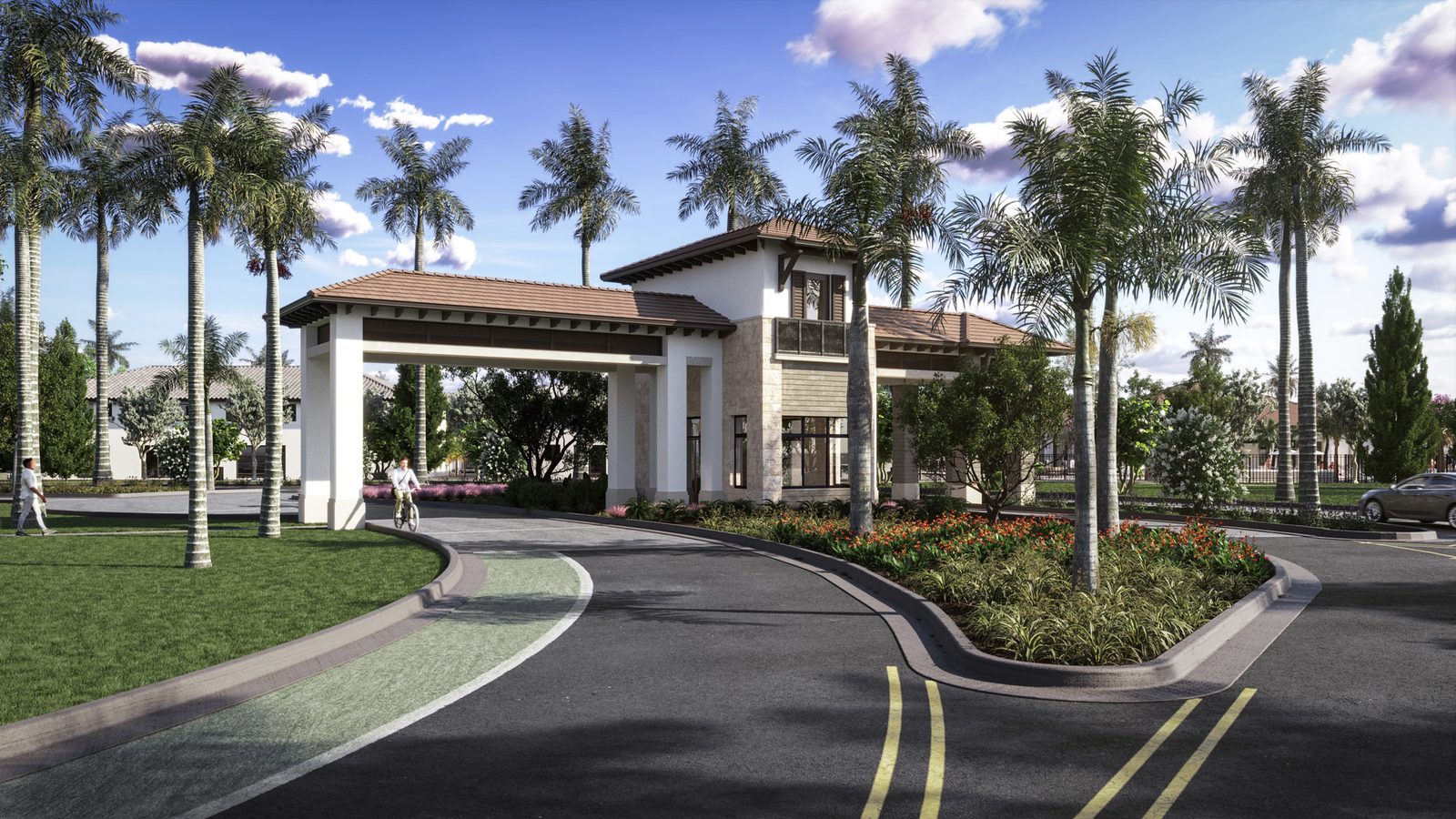
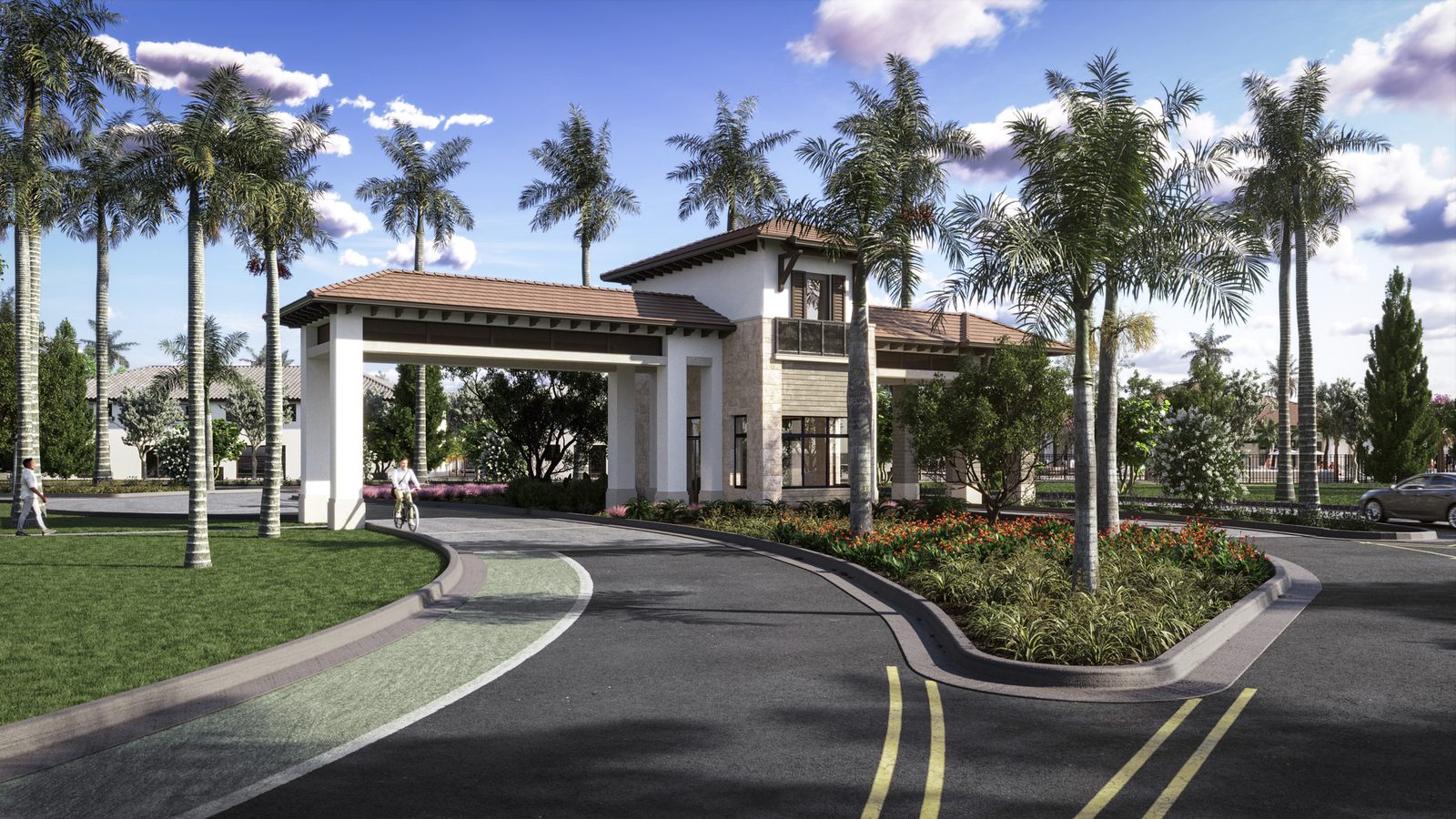
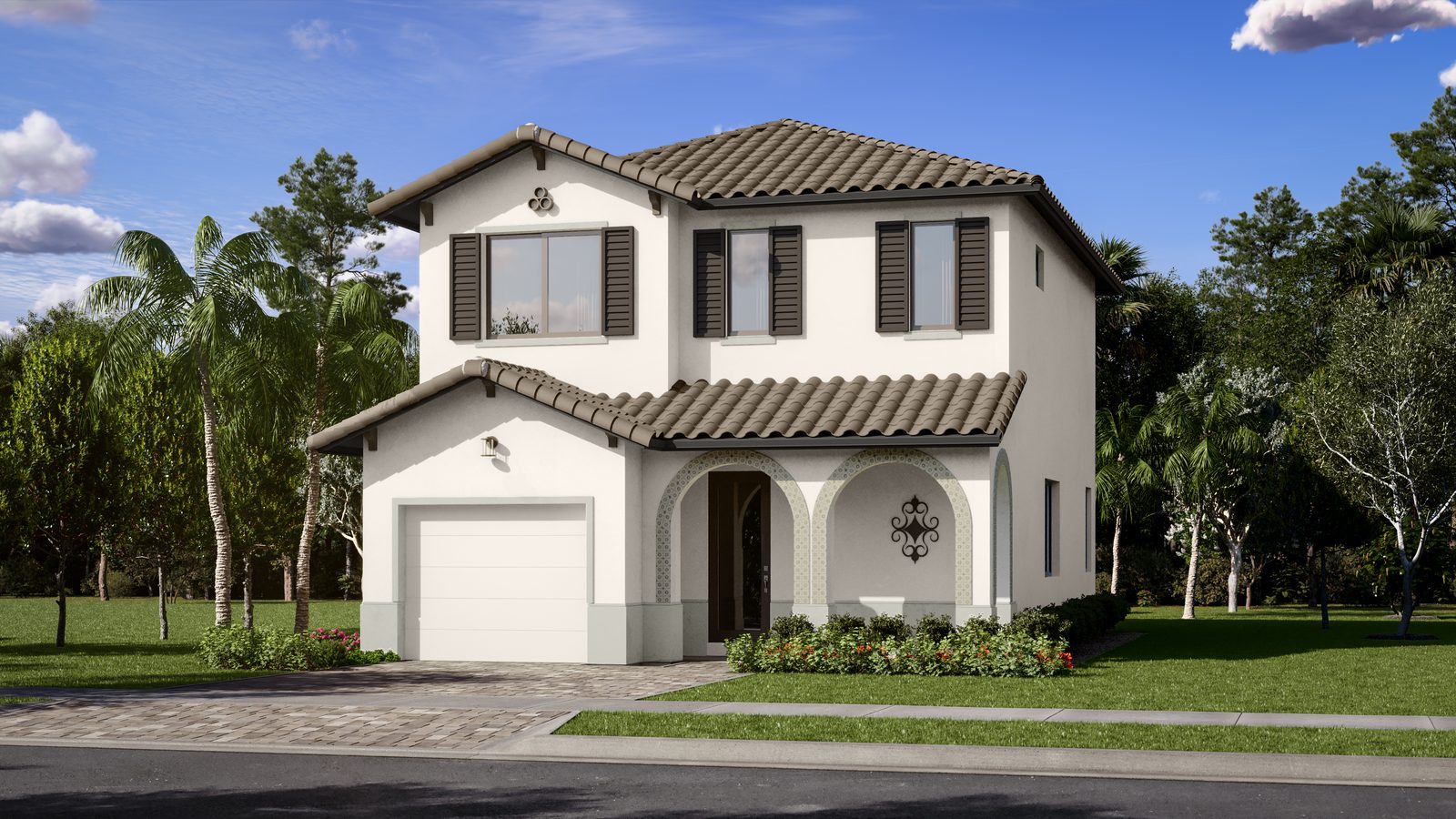
Solterra is a Lennar community at 7440 NW 24th Place in Sunrise, built under Lennar’s “Everything’s Included” program, with three collections of new construction, villas, townhomes, and single-family homes, priced from $543,990 to $838,990 as of this writing. It’s gated with manned security, and it comes with a clubhouse, resort-style pool, fitness center, green parks, a playground, and a lounge. That’s the pitch. Now let’s get into what it actually costs to live there, what the location really gets you, and who should walk past it.
Is Solterra Worth It? The Short Answer
Here’s what you really need to know before you tour Solterra: the sticker price on the brochure is not your real monthly number. The Aurora villas start at $543,990, the Lusso townhomes start at $615,990, and the Radiance single-family homes start in the $750s. Those are base prices for entry-level floor plans before lot premiums, structural options, and design center upgrades, which at Lennar can add real money fast.
On top of the mortgage, every collection carries an HOA and a CDD (Community Development District) special assessment, plus a 1.55% tax rate. That combination is where buyers get surprised, not because Lennar hides it, it’s disclosed on the HOA and tax page of every buyer package, but because most people budget the HOA and forget the CDD is a second, separate annual bill.
So is Solterra worth it? If you want brand-new construction, a gated community, and a location close to the Sawgrass Expressway, I-95, and the Turnpike, and you can absorb roughly $2,545 to $3,040 a year in combined HOA and CDD on top of your mortgage, yes, it’s a legitimate option in a part of Broward that doesn’t have much new construction inventory left. If you’re stretching to make the base price work and haven’t accounted for the CDD, or if you need a specific zoned school, you need to look elsewhere first. I break this down in more detail in the Solterra Sunrise New Construction Buyer’s Guide, but the short version is above.
What You’re Actually Paying For at Solterra
Lennar splits Solterra into three collections, and each one serves a different buyer.
Aurora (Villas) starts at $543,990 for the Elaris, a 1,426 square foot, 2 bedroom plus office, 2.5 bath layout with no garage, and $563,990 for the Olaria, a 1,633 square foot, 3 bedroom, 2.5 bath villa. These are the entry point into the community and the ones most likely to qualify for FHA financing with 3.5% down, which matters if you’re a first-time buyer trying to get into new construction without 20% down.
Lusso (Townhomes) starts at $615,990 for the Amara (1,776 square feet, 3 bedroom, 2.5 bath, 1-car garage) and moves up through the Bellini and Marani plans. This collection adds a garage, which the Aurora villas don’t have, and that’s a real trade-off worth thinking through if you’re used to covered parking.
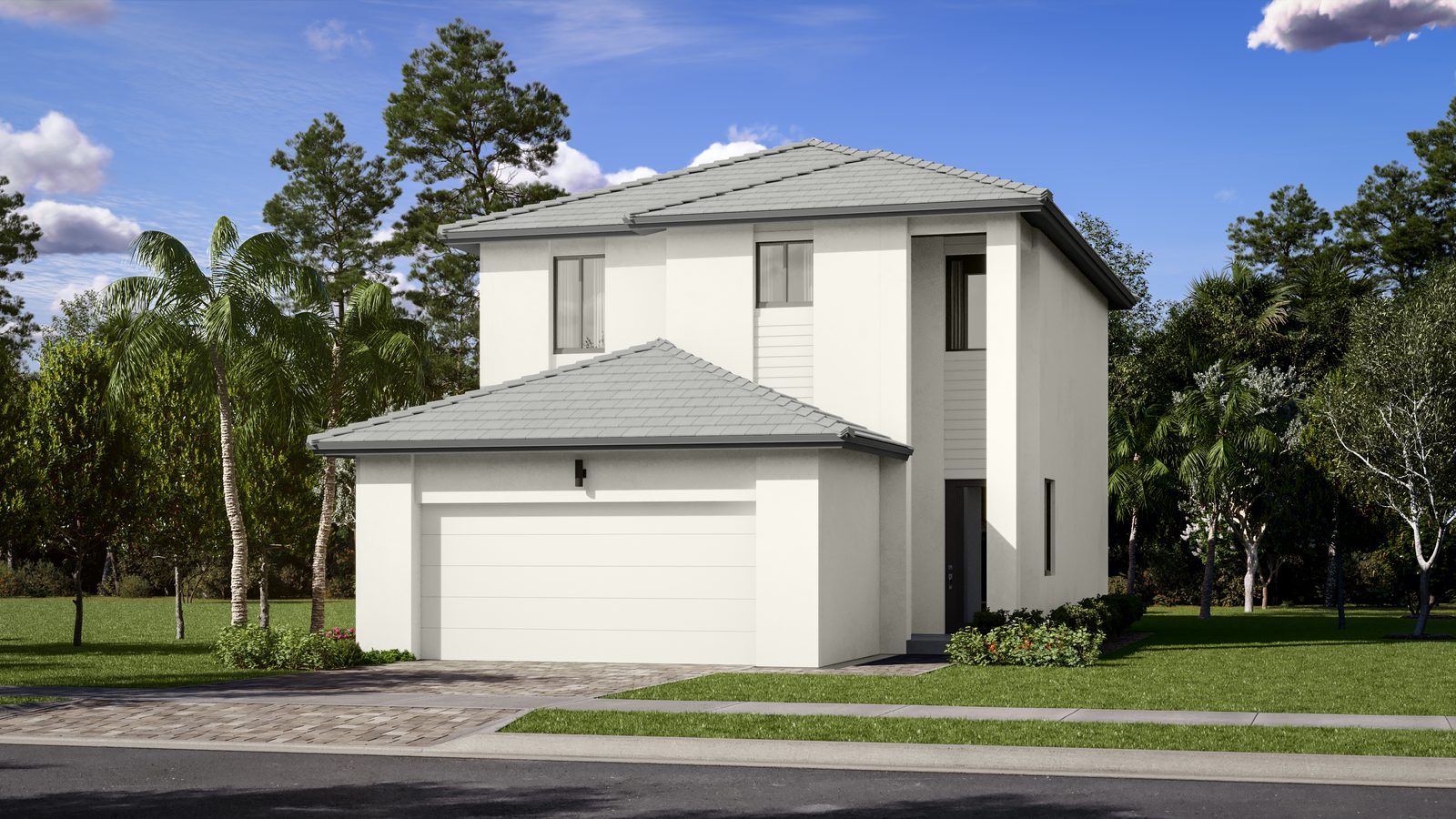
Radiance (Single-Family) starts around $750,000 and represents the top of the community, larger homes with more square footage and presumably more garage and yard space, though the exact floor plans and sizes are worth confirming directly with the sales team since Lennar’s mix changes with availability.
I go plan-by-plan, including square footage and layout logic, in Solterra Floor Plans Explained, and I lay out the full pricing and HOA picture in the Solterra by Lennar Review. If you’re deciding between collections, read those before you sit down with a sales rep, because the rep’s job is to sell you the plan that’s available today, not necessarily the one that fits your budget three years from now.
Base Price vs. What You’ll Actually Sign For
Lennar’s “Everything’s Included” branding means a lot of finishes that other builders charge extra for (like impact windows, stainless appliances, and quartz counters) are baked into the base price. That’s a real value. But base price still doesn’t include lot premiums for corner or preserve-facing homesites, structural upgrades you have to lock in before the slab pours, and design center selections that can add tens of thousands if you’re not disciplined. Walk into the design center with a hard ceiling number and don’t let the “it’s only $40 a month more on your payment” framing move you off it.
The Location Math: Where Solterra Sits in Sunrise
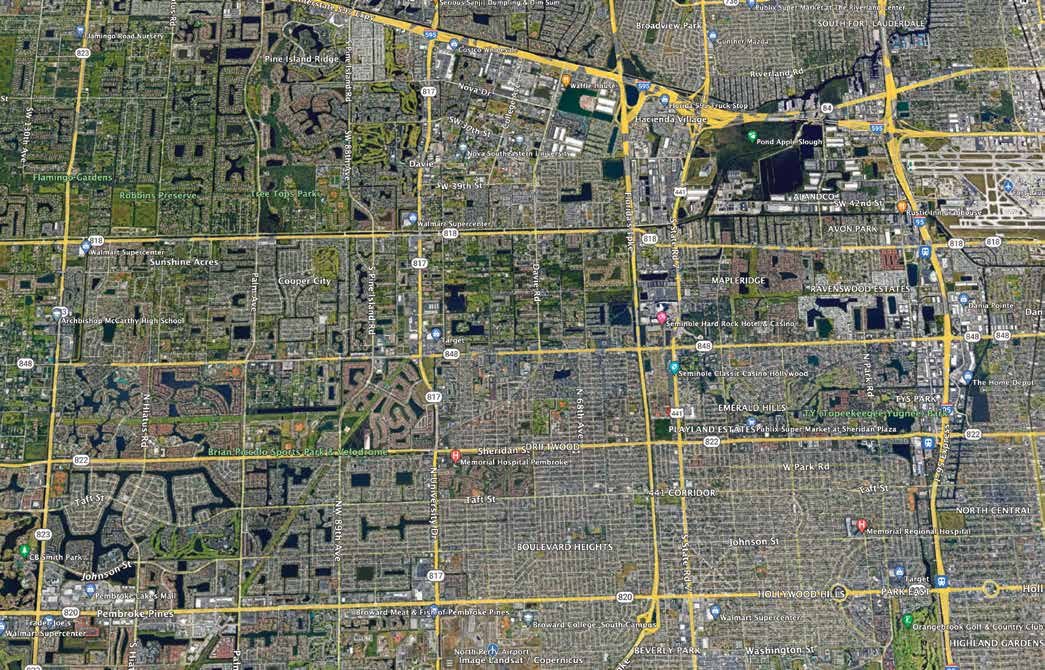
Solterra sits in west-central Broward, and the location is honestly one of the strongest arguments for buying here. You’re minutes from the Sawgrass Expressway, I-95, and the Florida Turnpike, which means quick access north to Coral Springs and Parkland, south to Fort Lauderdale and the airport corridor, and west to Sawgrass Mills and the outer suburbs. For a buyer who commutes anywhere along that I-95 or Sawgrass corridor, that’s real time saved every single day, and it’s the kind of thing that holds resale value regardless of what the broader market does.
What the location doesn’t give you is beach proximity or the walkable downtown feel of Fort Lauderdale or Wilton Manors. This is a suburban, corridor-access community, not a lifestyle destination. If your priority is walking to restaurants and nightlife, Solterra isn’t that. If your priority is a quick, predictable commute and a gated new-construction home for under $600,000 to start, it’s one of the better options left in this part of Broward.
How Sunrise Compares to Nearby New Construction
Sunrise doesn’t have a lot of ground-up new construction left inside city limits, which is part of what makes Solterra notable. Compare that to Parkland, further north and west, where communities like Parkland Royale, Saltgrass at Heron Bay, and Mainstreet in Coconut Creek are still actively building. Those communities generally sit in stronger school zones (Parkland is the draw for a reason), but they also carry higher price points and, in some cases, their own HOA and CDD structures worth comparing line by line. If schools are your top priority and budget allows, it’s worth cross-shopping Parkland before you commit to Sunrise. If budget and commute are your top priorities, Solterra wins that comparison in most cases.
HOA, CDD, and Tax: The Real Monthly Number
This is the section most buyers skip and shouldn’t. Here’s the actual fee structure by collection, straight from Lennar’s HOA and tax disclosure:
| Collection | Monthly HOA | Annual CDD / Special Assessment | Tax Rate |
|---|---|---|---|
| Aurora (Villas) | $496 | $2,160 | 1.55% |
| Lusso (Townhomes) | $385 | $2,160 | 1.55% |
| Radiance (Single-Family) | $385 | $2,544 | 1.55% |
Add it up and an Aurora villa owner is paying roughly $496 a month in HOA plus about $180 a month amortized for the CDD, so call it $676 a month in fixed community costs before property tax. A Radiance single-family owner is paying $385 a month HOA plus roughly $212 a month for the CDD, so about $597 a month. Neither of those numbers includes the 1.55% tax rate applied to assessed value, which on a $600,000 home runs close to $9,300 a year, or about $775 a month, on top of everything else.
Why the CDD Matters More Than the HOA
A CDD is bond debt the developer used to build the community’s infrastructure, roads, gates, drainage, amenities, that gets passed to homeowners as a line item on the property tax bill. It’s not optional and it doesn’t go away when the amenities are “paid for” the way some buyers assume. It typically runs for the life of the bond, often 20 to 30 years, though it can sometimes be paid off early in a lump sum if you want to eliminate it. If you’re comparing Solterra to a resale home in Sunrise with no CDD, you need to add that $2,160 to $2,544 a year to make an apples-to-apples comparison. A lot of buyers compare sticker prices and never do this math, then feel surprised when their total housing payment lands $150 to $250 a month higher than they modeled. For a deeper walkthrough of how CDD and HOA stacking works in another Broward new-construction community, Estates by Turnberry’s HOA and CDD breakdown is a useful side-by-side read, since the math principle is the same even though the numbers differ.
Resale Considerations: What Happens When You Sell
New construction resale is a different animal than resale-home resale, and Solterra buyers need to think about this before they close, not five years in.
The CDD follows the home, not you. When you sell, the buyer inherits the remaining CDD obligation. That’s a cost future buyers will factor into their offer, especially once mortgage rates or the broader market makes buyers more fee-sensitive. It doesn’t kill resale value, but it’s a real line item every future buyer’s agent will point out, the same way ours would.
You’re competing with Lennar’s own inventory while the community is still building out. If Solterra still has unsold homesites when you go to sell, you may be competing directly against the builder, who can offer financing incentives, design center credits, or lower base prices that you can’t match on a resale listing. This is standard for any community that’s still active, not unique to Solterra, but it’s worth timing your sale around, ideally after the community is fully built out or close to it.
Location holds value better than finishes do. The I-95, Sawgrass, and Turnpike access is a durable resale asset. It doesn’t depreciate the way a trendy backsplash does. If you’re buying with resale in mind, don’t over-upgrade the design center package chasing a return; buy the finishes you’ll actually enjoy living with, and trust the corridor access to do the heavy lifting on future demand.
Who Solterra Actually Serves (and Who Should Look Elsewhere)
Solterra makes sense for:
- First-time buyers using FHA financing who want brand-new construction instead of a dated resale home, since the Aurora villas at $543,990 to $563,990 are realistically reachable with 3.5% down.
- Buyers whose daily commute runs along I-95, the Sawgrass Expressway, or the Turnpike, where the location cuts real time off the drive.
- Buyers who want a gated, amenitized community (pool, clubhouse, fitness center, manned security) without paying Parkland or Coral Springs prices.
- Move-up buyers who want a low-maintenance new-construction townhome or single-family home and don’t need top-tier school zoning because they’re not raising school-age kids, or they’re already committed to private school.
Solterra is not the right fit for:
- Buyers whose top priority is a specific A-rated zoned public school. Sunrise’s zoned schools are not in the same tier as Parkland’s, and no amount of clubhouse or gate security changes that. If schools are the deciding factor, cross-shop Parkland Royale or Saltgrass at Heron Bay first.
- Buyers who want zero HOA or CDD exposure. That home exists, it’s just not new construction in this part of Broward.
- Buyers who need walkability to restaurants, nightlife, or the beach. Solterra is a corridor community, not a lifestyle district.
- Buyers stretching their approval to the base price without room for the CDD, tax rate, and design center add-ons. Get pre-approved with the full monthly number, not the brochure number.
Solterra vs. Other Broward and Parkland New Construction
If you’re cross-shopping, here’s the honest positioning. Solterra wins on price of entry and commute access to I-95 and the Sawgrass corridor. Parkland Royale and Saltgrass at Heron Bay win on school zoning and long-term prestige, at a higher price point. Mainstreet in Coconut Creek sits in the middle geographically and on price. None of these are objectively “better,” they serve different buyers with different priorities, which is exactly why I tell clients to write down their top three non-negotiables (commute, school zone, price ceiling, HOA tolerance) before touring any model home. Walk into a sales office without that list and the rep will sell you on whatever’s available that week.
The Bottom Line
Is Solterra worth it? For a buyer who wants new, gated construction inside I-95 in west-central Broward, who has budgeted the full monthly number including HOA and CDD, and who isn’t chasing a specific school zone, yes, it’s one of the more accessible new-construction entry points left in this part of the county, especially through the Aurora villas at $543,990 with FHA eligibility. For a buyer who needs top-rated zoned schools, wants to avoid CDD debt entirely, or is stretching their budget to hit the base price without room for the extras, it’s not the right community, and that’s fine, that’s what the alternatives up in Parkland and Coconut Creek are for.
Before you tour, get the full floor plan and pricing picture in the Solterra Floor Plans Explained guide, and read the complete Solterra Sunrise Buyer’s Guide for financing and HOA specifics. If you want the community details, gate hours, and amenity list, start at the Solterra community page.
If you’re weighing Solterra against Parkland or Coconut Creek and want a straight answer on which one actually fits your budget and priorities, send me a message with your price ceiling and your must-have (school zone, commute, or HOA tolerance) and I’ll tell you which community makes sense for you.

Watch: learn more
Go deeper with my South Florida Insider videos.
Solterra: Everything You Need to Know Before You Visit
Solterra: Everything You Need to Know Before You Visit
More articles you might like
Solterra Floor Plans Explained (2026): Sizes, Layouts, and Which One Fits
15 min readSolterra Sunrise New Construction: The Complete Buyer's Guide to Floor Plans, Pricing, and HOA Costs
14 min readSolterra HOA & CDD Fees: What You'll Actually Pay Every Month
17 min readSolterra by Lennar Review (2026): Prices, Floor Plans, HOA, CDD, and Who It's For
18 min readIs Solterra, Sunrise Worth It? An Honest Look at Lennar's Newest Broward Community
18 min read