Coral Gables Investment Property: What the Market Looks Like for Investors in 2026
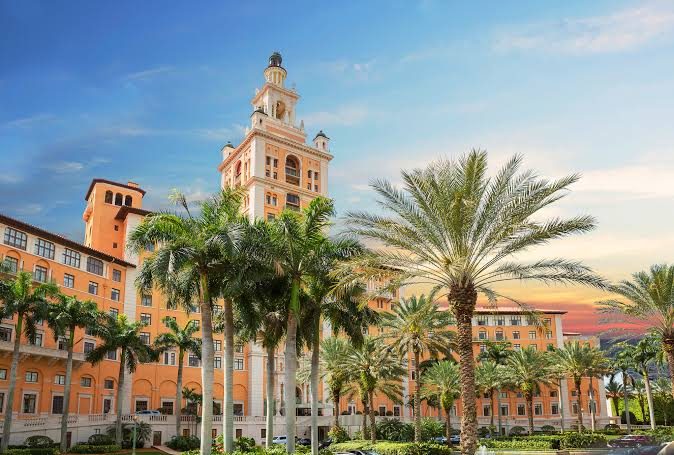
Coral Gables investment property in 2026 is not a cash flow game. If you’re coming from a market where you buy a duplex and the rent covers the mortgage with room to spare, recalibrate now. Coral Gables is an appreciation market with a rental floor underneath it, and understanding that distinction is the difference between an investor who’s happy with their purchase in five years and one who’s frustrated by month two.
I work with investors in this market every week, some local, some relocating capital from New York or California, some buying their first rental after years of renting themselves. This is the honest breakdown of what the numbers actually look like, where the demand is coming from, and where I’d put money if I were buying today.
Coral Gables Investment Property: What the Market Looks Like for Investors Right Now
Here’s the current picture. Single family homes in Coral Gables are trading anywhere from $900,000 for a smaller home in a transitional pocket to well over $15,000,000 in Gables Estates and Old Cutler Bay. Condos run a wider band, from the high $300,000s for an older mid-rise unit off Bird Road to $4,000,000-plus in the new luxury towers going up near Merrick Park. Rents have grown steadily for three straight years, driven by relocation demand (corporate transfers, Latin American capital, University of Miami affiliated tenants) outpacing the supply of quality inventory.
What that means for an investor: rental income is real and growing, but purchase prices have grown faster, which is why cap rates are compressed. You’re not buying Coral Gables for a 8 percent cash-on-cash return. You’re buying it because it’s one of the most stable, restrictive, well-governed markets in Miami-Dade, and stability plus scarcity is its own kind of return. If you need double digit yield, this isn’t your market. If you want a asset that holds value through downturns and rents easily in every cycle, keep reading.
Cap Rates: What You’re Actually Getting
Let’s put real numbers on it, because “low cap rate” means nothing without context.
Single family homes. A $1,400,000 home in a neighborhood like Ponce Davis or South Gables might rent for $6,500 to $7,500 a month to a family or corporate relocation tenant. That’s roughly $78,000 to $90,000 a year in gross rent, before taxes, insurance, and maintenance. Net that out and you’re looking at a cap rate in the 2.5 to 3.5 percent range. That’s not a typo. That’s Coral Gables.
Condos. A $650,000 two bedroom unit near Miracle Mile might rent for $3,200 to $3,800 a month. Gross yield lands closer to 5.5 to 6 percent, and after HOA fees, taxes, and insurance, net cap rate is usually in the 4 to 5 percent range. This is why condos are the more common entry point for investors who actually want the numbers to work harder.
New construction pre-construction condos. This is where it gets more interesting for investors with a longer horizon, and I’ll get into specific buildings below.
If you want the full picture of where prices stand across the city right now, before you run numbers on a specific property, start with the Coral Gables Real Estate Market: Where Prices Stand in Mid-2026 breakdown. It’ll tell you whether the address you’re looking at is priced in line with the rest of the city or an outlier.
Single Family Rentals vs Condos: Which Actually Cash Flows
I get asked this constantly, so let’s be direct about it.
Single family homes in Coral Gables cash flow the worst and appreciate the best. You’re buying into a city with some of the strictest zoning and architectural review in Miami-Dade County (Coral Gables has a Board of Architects that reviews exterior changes, and the city actively enforces its Mediterranean Revival aesthetic standards). That restriction is a feature, not a bug, for long term value. Supply of buildable single family lots is essentially fixed. Demand from families wanting the school zoning and the walkability isn’t shrinking. But the rent-to-price ratio is thin, so you need to be capitalized to hold this as a long term asset, not a quick cash flow vehicle.
Condos cash flow better and appreciate more modestly, especially older buildings from the 1970s and 1980s along Bird Road, Coral Way, and south of US-1. These units are more affordable to acquire, rent quickly to young professionals and UM-affiliated tenants, and the math is closer to a normal rental property. The tradeoff is HOA risk (more on that below) and slower price appreciation compared to single family.
Townhomes sit in between. Something like The Village at Coral Gables, the MG Developer project of Spanish-style row homes starting around $2,450,340, offers a lower-maintenance product with strong rental appeal to executives who want a house feel without single family upkeep, but at a price point that still requires real capital.
If you’re weighing this decision as a first purchase rather than a pure investment, it’s worth reading how the entry level actually looks right now in First-Time Buyer in Coral Gables: What the Entry Level Looks Like, because a lot of “investment property” conversations in this city start as owner-occupant conversations that turn into rentals two or three years later.
The Short-Term Rental Question
I’ll save you the research. Coral Gables does not allow short term rentals under 30 days in single family residential zoning, and the city enforces this. This isn’t a gray area you can quietly operate in. Code enforcement in Coral Gables is active, and fines add up fast.
Most condo buildings layer on their own restrictions on top of the city rule, often requiring a minimum 6 or 12 month lease, and many require board approval of tenants. If your investment thesis depends on Airbnb income, Coral Gables is the wrong city. Look instead at areas with more permissive short-term rental zoning, or accept that this is a long term lease market and price your return accordingly.
The upside of that restriction: it keeps the rental pool stable, keeps buildings from turning into transient hotels, and it’s part of why Coral Gables holds value better than more tourist-driven Miami-Dade submarkets during downturns.
New Construction Condos as an Investment Play
This is where I’d point most investors with a five to seven year horizon, because Coral Gables’ new construction pipeline is thin, well-located, and priced for a buyer who plans to hold, not flip.
A few specific projects worth understanding as investment inventory:
CORA, by Constellation Group and The Boschetti Group, is a 12-story, 74-unit tower designed by Arquitectonica on Aurora Street, with pricing from $898,350 to $4,088,000, delivering in 2027. This is pre-construction, meaning you’re buying at today’s basis for a 2027 delivery, which is the classic new construction investor play: lock the price now, let the building appreciate through construction, and either flip at closing or hold and rent into a building with no deferred maintenance and no assessment risk for at least a decade.
The Avenue Coral Gables, from Roger Development Group, is a 54-unit boutique building directly across from The Shops at Merrick Park, pricing from $1,000,000-plus, already under construction with delivery expected 2025/2026. The location across from Merrick Park is a real rental advantage. This building also offers flexible rental guidelines, which matters more than people realize given how restrictive some Coral Gables associations are.
Ponce Park Coral Gables, from Allen Morris Company, is a higher-luxury, 58-unit building priced $2,400,000 to $4,550,000, aimed more at empty-nester owner-occupants than investors, but worth knowing about if you’re advising a client on the luxury end of the spectrum.
For the full rundown of what’s being built across the city and what it actually costs unit by unit, go read New Construction in Coral Gables: What Is Being Built and What It Costs. It’s the companion piece to this one and it’ll save you from evaluating a pre-construction unit in a vacuum.
The reality with pre-construction as an investment: you’re not buying for immediate rental income, you’re buying construction-phase appreciation and a brand-new asset with builder warranties, modern systems, and none of the special assessment exposure that’s become the defining risk of older South Florida condos.
The Post-Surfside Condo Reality: HOA, Reserves, and Assessments
If you’re evaluating an older condo as a rental, this is the section that matters most, and it’s the one most out-of-state investors skip.
Since the Surfside collapse, Florida law requires condo associations to complete milestone structural inspections and fund reserves at 100 percent, no more waived or underfunded reserves. Buildings that had been coasting on low HOA dues for years are now hitting owners with large special assessments, sometimes $20,000, $50,000, even six figures per unit, to bring reserves and structural repairs into compliance.
Before you buy any condo in Coral Gables built before, say, 2000, ask for three things: the most recent milestone inspection report (if the building is over 30 years old, it’s required), the reserve study, and the last two years of board meeting minutes. If the association is sitting on a fully funded reserve and a clean inspection, that’s a green light. If they’re not, price in a special assessment, because it’s likely coming.
This is exactly why the new construction inventory covered above is attractive to investors right now. A 2026 or 2027 delivery building has no deferred maintenance, no reserve shortfall, and no assessment risk for a long time. You’re paying a premium per square foot for that, but you’re also removing the single biggest risk in the Miami-Dade condo market today.
Who Is Actually Renting in Coral Gables
Understanding your tenant pool changes how you buy. Coral Gables draws from a few distinct renter profiles:
Corporate relocations. Coral Gables is headquarters or regional office to a long list of international companies along the Alhambra Circle and Ponce de Leon corridor, banking, insurance, and Latin American regional offices among them. These tenants often come with corporate housing allowances and want turnkey single family homes or high-end condos, typically 12-month leases, sometimes with a company as the actual lessee.
University of Miami affiliated tenants. UM’s main campus sits just south of Coral Gables in adjacent Coral Terrace/South Miami, and Coral Gables is a preferred address for faculty, grad students with means, and visiting scholars who want walkability to Miracle Mile and easy access to campus. This tenant pool favors condos and smaller homes near the Coral Gables/South Miami line.
Consulate and diplomatic staff. Coral Gables hosts a number of Latin American consulates, and diplomatic staff frequently lease furnished or semi-furnished units on multi-year terms, another stable, high-quality tenant pool.
Local professionals and families. Attorneys, doctors affiliated with Baptist Health and the University of Miami health system, and executives who want the school zoning and walkable downtown without buying yet, or between home purchases.
None of these are transient, price-sensitive renter pools. That’s the underlying reason Coral Gables supports rent levels that keep climbing even as cap rates stay compressed: the tenant base is stable and largely insulated from the swings that hit more tourist-and-service-worker-driven rental markets elsewhere in Miami-Dade.
Where Smart Money Is Looking Inside Coral Gables
Not every pocket of the city offers the same investment logic. A few specific areas worth knowing:
North Gables and the area near Coral Way offer the most accessible single family entry point, with older three bedroom homes that rent well to families wanting the school zoning without Old Gables pricing.
South of Bird Road, near Ponce Davis, sits right on the Coral Gables line and offers relatively lower per-square-foot pricing for single family with strong rental demand from UM-affiliated tenants.
The Miracle Mile and Giralda corridor is the condo and walkability play, best for investors targeting young professional and corporate tenants who want to walk to restaurants, offices, and the trolley.
Merrick Park adjacent (where The Avenue and several other new towers are rising) is the newest, highest-growth investment zone in the city right now, driven by proximity to the retail hub and the wave of new construction inventory.
For a broader read on how these submarkets differ, including where Old Gables, Ponce Davis, and Gables Estates sit relative to each other on price and character, Coral Gables Neighborhoods: Old Gables, Ponce Davis, Gables Estates and More is worth reading before you commit capital to a specific pocket.
A Sample Deal, Run Honestly
Here’s what a realistic condo investment looks like on paper. Say you buy a two bedroom, two bath unit near Merrick Park for $700,000. Put 25 percent down ($175,000), finance the rest at current investor rates. HOA runs roughly $850 a month, property taxes around $12,000 a year, insurance around $2,400 a year. You rent it for $3,500 a month, $42,000 a year gross.
After HOA, taxes, insurance, and a reasonable vacancy and maintenance buffer, you’re netting somewhere around $22,000 to $24,000 a year against a $525,000 loan. That’s a mortgage-dependent, appreciation-driven return, not a self-sustaining cash cow. What you’re actually banking on is rent growth (which has run 4 to 6 percent annually in this submarket the last few years) and price appreciation on a scarce, well-located asset in a city that isn’t adding meaningful new supply outside a handful of towers.
That’s the honest version of the math. Anyone telling you Coral Gables condos throw off double-digit cash-on-cash returns is either using unrealistic assumptions or selling you something.
What to Actually Do With This Information
If you’re serious about buying investment property in Coral Gables, here’s the sequence I’d walk a client through:
- Decide your horizon. Under five years, condos or new construction pre-construction. Five-plus years and you can absorb thin early cash flow, single family becomes viable.
- Pull the reserve study and milestone inspection on any pre-1990s condo before you make an offer, not after.
- Compare the pre-construction pipeline against resale inventory in the same submarket, because a 2026/2027 delivery unit removes assessment risk that resale units carry.
- Run your numbers on net, not gross, rent. HOA, taxes, and insurance in Coral Gables are meaningfully higher than the Miami-Dade average.
- Talk to someone who tracks this market weekly, not a national investment platform running Miami-Dade averages that don’t reflect Coral Gables’ zoning, HOA landscape, or tenant base.
If you’re weighing Coral Gables against relocating your capital here from out of state entirely, the broader context is worth reading in Coral Gables, Florida: The Complete Relocation Guide for 2026 and Moving to Coral Gables: Miami-Dade’s Most Established Luxury City, both of which cover the city-wide fundamentals that ultimately drive your rental demand and resale value.
Coral Gables rewards patient capital and punishes anyone expecting it to behave like a high-yield market. Know that going in, run the real numbers on the specific property, and you’ll make a wise decision instead of a hopeful one.
If you want me to run the actual numbers on a specific address or pre-construction unit, DM me “INVEST” and I’ll send you a breakdown.
More articles you might like
Coral Gables, Florida: The Complete Relocation Guide for 2026
13 min readFirst-Time Buyer in Coral Gables: What the Entry Level Looks Like
13 min readNew Construction in Coral Gables: What Is Being Built and What It Costs
13 min readCoral Gables Luxury Homes: What $2M to $15M+ Actually Gets You in 2026
13 min readLife in Coral Gables: Miracle Mile, The Biltmore, and What Makes This City Different
18 min read