First-Time Buyer in Coral Gables: What the Entry Level Looks Like
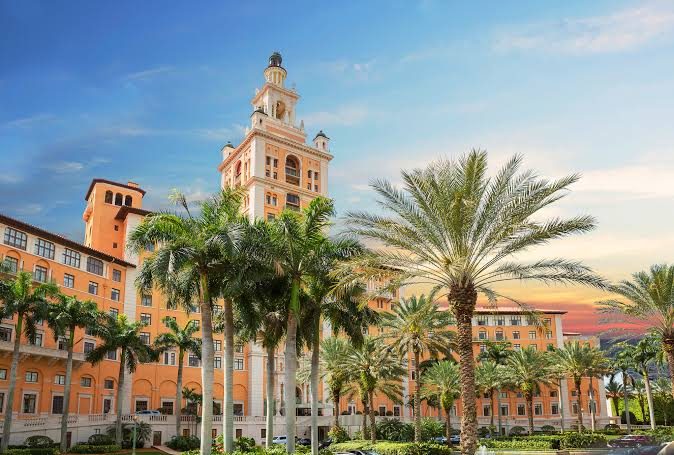
A first-time buyer in Coral Gables is looking at one realistic entry point: a vintage one or two-bedroom condo in an older mid-rise building, priced somewhere between $280,000 and $650,000, with a monthly HOA payment that needs to be scrutinized before anything else. Single-family homes in Coral Gables do not have a true “starter” tier anymore. The smallest, most dated houses in the city still open north of $900,000. If you’re trying to buy your first home in the 33134 or 33146 zip codes, understanding that split, condo versus house, and what each one actually costs to own, is the difference between a smart first purchase and an expensive lesson.
This guide breaks down what “entry level” really means in Coral Gables in 2026, where those options exist, what they cost to carry (not just to buy), and whether the numbers make sense compared to renting or buying somewhere else in Miami-Dade.
What “Entry Level” Actually Means in Coral Gables
Coral Gables was built out almost entirely between the 1920s and the 1980s inside a fixed footprint of roughly 13 square miles, with strict zoning and historic preservation rules that have kept new supply scarce for decades. There’s no undeveloped land left to build a subdivision of smaller starter homes. Everything that gets built new here now is luxury, whether that’s a custom estate in Gables Estates or a $900,000-and-up condo tower like the ones detailed in New Construction in Coral Gables: What Is Being Built and What It Costs. Projects like CORA (from $898,350) and Ponce Park (from $2.4 million) are aimed at move-up buyers and second-home owners, not someone buying their first place.
That means “entry level” in Coral Gables isn’t a price point in the way it is in Kendall or Homestead. It’s a property type. Two tiers exist:
- Older condos, built mostly between the 1960s and 1980s, concentrated along corridors like Bird Road, Ponce de Leon Boulevard, Segovia Street, and pockets near the University of Miami campus.
- Small, dated single-family homes, usually 2-bedroom or 3-bedroom on modest lots, mostly in South Gables and the sections closer to US-1.
Everything else, the Mediterranean-style estates in Old Gables, the waterfront homes in Gables Estates and Cocoplum, and the new luxury towers near Merrick Park, is priced for buyers who already have significant equity or investment capital. If you’re comparing Coral Gables to the broader relocation picture, Coral Gables, Florida: The Complete Relocation Guide for 2026 lays out how this city fits into the wider Miami-Dade market. This post is about the narrow lane that actually works for a first-time buyer.
The Honest Entry Point: Condos in Coral Gables’s Older Buildings
If you want to own in Coral Gables as a first-time buyer, the condo market is where the real opportunity sits, and it’s smaller than most buyers expect.
Where to Look
The older condo stock clusters in a few specific areas:
- Along Bird Road (SW 40th Street) near the western edge of the city, where 1960s and 1970s low-rise and mid-rise buildings sit closer to Coral Way and the border with unincorporated Miami-Dade.
- Near Salzedo Street and Ponce de Leon Boulevard, closer to Miracle Mile, where smaller buildings offer walkable urban living at a fraction of what a new tower costs.
- Around the University of Miami campus, where older buildings originally built for faculty and staff housing still trade at relatively accessible prices, though many carry rental restrictions or age requirements worth checking before you fall in love with a unit.
A one-bedroom, one-bathroom unit in one of these buildings, typically 700 to 900 square feet, tends to land in the $280,000 to $420,000 range depending on condition, floor, and how recently the building did its assessments. A two-bedroom unit in the same class of building runs closer to $450,000 to $650,000. These aren’t renovated, amenity-loaded units. Expect original terrazzo or dated tile, older kitchens, and window units or aging central air that may need replacement.
The Post-Surfside Reality: Milestone Inspections and Special Assessments
This is the part that catches first-time buyers off guard, and it’s the single most important thing to understand before buying an older Coral Gables condo. After the Champlain Towers South collapse in Surfside in 2021, Florida passed SB-4D, which requires condo buildings three stories or taller to complete a milestone structural inspection once they hit 30 years old (25 years if within 3 miles of the coast), and then recertify every 10 years after that. Associations are also now required to fund full reserve studies instead of waiving reserves, which many older buildings used to do to keep monthly dues artificially low.
A huge share of Coral Gables’s older buildings were built in the 1960s and 1970s, which means they’re hitting these deadlines right now, in 2026. The practical effect for a buyer:
- Ask for the building’s most recent milestone inspection report and reserve study before you go under contract, not after.
- Ask whether a special assessment has already been levied, and if so, whether it’s already paid by the seller or being passed to you at closing.
- Understand that a unit priced $50,000 below comparable listings in the same building is often priced that way because of a pending or recent assessment, not because it’s a deal.
- Budget monthly HOA dues realistically. In older Coral Gables buildings, expect $500 to $900 a month for a one-bedroom and $700 to $1,200 for a two-bedroom, and that’s before any special assessment installment plan gets added on top.
This isn’t a reason to avoid condos. It’s the reason to hire an agent and attorney who will actually pull these documents, because the sale price is only half the real cost of ownership.
If You Want a Single-Family Home: What “Entry Level” Costs
Some first-time buyers want a house, not a condo, and that’s still possible in Coral Gables, just at a price point that will surprise anyone comparing it to nearby suburbs.
Where Smaller Homes Still Exist
The smallest, least expensive single-family inventory in Coral Gables sits in a few specific pockets:
- South Gables, closer to US-1 and Sunset Drive, where 1950s and 1960s 2-bedroom and 3-bedroom homes on smaller lots (5,000 to 7,500 square feet) occasionally come to market.
- The numbered “sections” north of Bird Road and east of Red Road, where post-war concrete block homes were built more densely than the estate lots further south.
- The edges near Coral Way, where smaller homes sit closer to the city’s commercial corridor and further from the Biltmore and Old Gables core that command the highest prices.
Realistically, a 2-bedroom or small 3-bedroom home in original or lightly updated condition starts around $950,000 to $1.1 million. A 3-bedroom, 2-bathroom home in move-in condition on a standard Coral Gables lot is more commonly $1.2 million to $1.5 million. Compare that to the broader city picture in Coral Gables Real Estate Market: Where Prices Stand in Mid-2026, where mid-tier and luxury properties routinely clear $2 million and up, and the “entry” single-family tier starts to make more sense as a relative bargain, even though it’s out of reach for most true first-time buyers on a starter budget.
What You’re Actually Buying at That Price
At the entry tier for single-family homes, you are typically buying:
- An original kitchen and bathrooms, often untouched since the 1970s or 1980s.
- A smaller lot without room for a pool or significant addition without variance approval, since Coral Gables enforces strict setback and historic preservation review in many sections.
- A property that may need a new roof, updated electrical, or plumbing work within the first few years of ownership.
- Real long-term upside, because land in Coral Gables doesn’t get less scarce, and these smaller homes are the ones most likely to get renovated or rebuilt by the next owner.
Financing an Entry-Level Coral Gables Purchase
Down Payment Assistance and First-Time Buyer Programs
Florida’s Hometown Heroes program and Miami-Dade County’s SHIP down payment assistance both exist and both technically apply in Coral Gables. The problem is fit. Hometown Heroes caps purchase price and household income, and in a lot of scenarios those caps land below what even the smallest Coral Gables condo costs once you’re past the very bottom of the market. Where these programs actually help is on the lower end of the condo tier, a $300,000 to $400,000 one-bedroom, where the assistance can meaningfully close the gap on a down payment. For anything approaching the single-family entry tier, most first-time buyers in Coral Gables are financing conventionally with 10 to 20 percent down, not leaning on assistance programs designed for more moderately priced markets.
Condo Financing Red Flags
Not every Coral Gables condo building is financeable the way a buyer expects. A few things to check with your lender before you write an offer:
- Fannie Mae and Freddie Mac eligibility. Buildings with pending litigation, insufficient reserves, or a high percentage of units in arrears on HOA dues can fall onto ineligible lists, which limits you to cash or specialty non-warrantable condo loans with higher rates.
- Owner-occupancy ratios. Some older buildings have a high percentage of investor-owned, rented units, which can also affect conventional financing eligibility.
- Insurance costs. Florida condo insurance has climbed sharply since 2022, and older buildings without updated roofs or wind mitigation can carry master policy premiums that get passed through in HOA dues.
None of this means don’t buy the condo. It means get your lender involved on the specific building, not just the general loan program, before you fall for a unit.
Do the Numbers Actually Make Sense?
This is the question worth answering honestly, because Coral Gables isn’t the cheapest way into Miami-Dade homeownership, and it shouldn’t be sold as one.
Renting a comparable one-bedroom apartment in Coral Gables currently runs roughly $2,200 to $2,800 a month depending on building and location. On a $350,000 condo with 10 percent down, a mortgage payment plus HOA dues and taxes will often land somewhere close to that range, sometimes above it once a special assessment is factored in. The financial case for buying versus renting in Coral Gables specifically comes down to two things: how long you plan to stay, and whether you’re buying into a building with a clean assessment history or one about to get hit with one.
Compared to nearby suburbs like South Miami, Pinecrest, or unincorporated areas closer to Kendall, Coral Gables condos and entry homes carry a real premium, generally 15 to 30 percent above comparable product just outside the city line. What you’re paying for is the Coral Gables name, the walkability of Miracle Mile and the Biltmore area, the school zoning, and long-term appreciation in a city that physically cannot add much new supply. For a buyer planning to stay 5+ years and build equity in a market with structurally limited inventory, that premium can make sense. For someone optimizing purely for the lowest possible monthly payment, it usually doesn’t, and a suburb one town over will pencil out better.
Coral Gables Schools and Why First-Time Buyers Still Fight for This Zip
A meaningful share of first-time buyers stretching to get into Coral Gables condos are doing it for the school zoning, not the walkability. Coral Gables Senior High, Ponce de Leon Middle, and the elementary options that feed into them are a genuine draw for young families trying to buy in before kids reach school age, because it’s easier to buy into a zone early than to try to move into it later once prices have moved further. If schools are the actual driver behind your search, it’s worth reading Coral Gables Schools: Private Options, Public Magnets, and What Families Need to Know before you narrow your search to a specific building or block, because zoning lines don’t always match the neighborhood boundaries buyers assume.
Alternatives If Coral Gables Entry Level Doesn’t Pencil Out
If the numbers above don’t work for your budget, you have real options that keep you close without stretching into a distressed purchase:
- South Miami and unincorporated areas just outside the Coral Gables line offer similar walkability and school access at a meaningful discount on both condos and small homes.
- Waiting for a specific building’s assessment cycle to clear. A condo that just finished its milestone inspection and special assessment can be a better buy 12 months later than one about to start the process, even at a similar list price.
- Buying smaller now, moving up later. A number of Coral Gables owners use an older one-bedroom condo as the entry point, build equity for 3 to 5 years, and trade up into a small single-family home once they’ve got more capital. It’s a slower path, but it’s a realistic one in a city where inventory doesn’t expand to meet demand.
If you’re weighing Coral Gables against buying new construction elsewhere in Miami-Dade, or against a straight relocation decision, the full picture in Moving to Coral Gables: Miami-Dade’s Most Established Luxury City is worth reading alongside this one, since it covers the tradeoffs at a city level rather than just the entry-level price band.
Bottom Line
A first-time buyer in Coral Gables should walk in expecting a condo, not a house, and should expect to spend real time reading milestone inspection reports and reserve studies before writing an offer, not after. The single-family “entry level” exists, but it starts closer to $950,000 than $500,000, and it’s really a stretch purchase for a well-positioned buyer, not a true starter home. Both paths can work. Neither one works if you skip the building financials or assume Coral Gables prices the way its neighboring suburbs do.
If you’re trying to figure out whether a specific Coral Gables condo or a small home actually makes sense for your budget, send me the listing or the building name and I’ll walk through the real numbers with you, assessments, HOA history, and financing included, before you write an offer.


More articles you might like
Coral Gables, Florida: The Complete Relocation Guide for 2026
13 min readNew Construction in Coral Gables: What Is Being Built and What It Costs
13 min readCoral Gables Investment Property: What the Market Looks Like for Investors in 2026
14 min readCoral Gables Luxury Homes: What $2M to $15M+ Actually Gets You in 2026
13 min readLife in Coral Gables: Miracle Mile, The Biltmore, and What Makes This City Different
18 min read