Pompano Beach Neighborhoods: Beach, Waterfront, and Where to Avoid (2026 Guide)
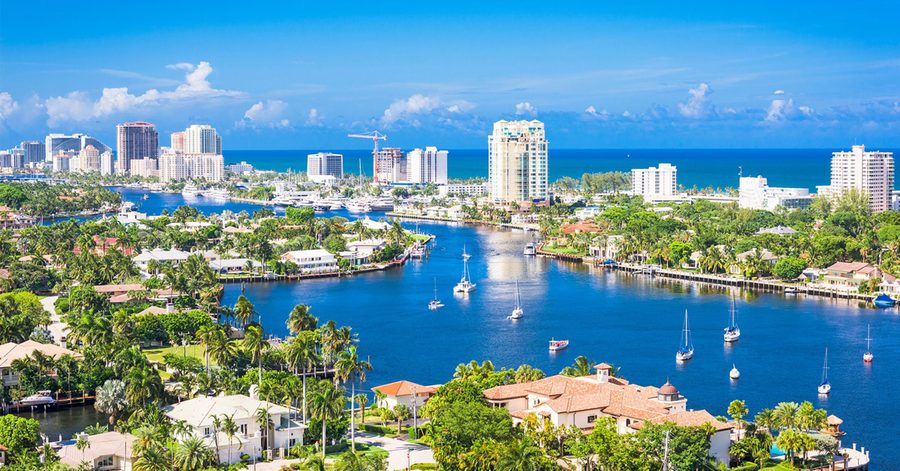
If you ask five different agents to draw a map of Pompano Beach, you’ll get five different answers, and most of them will be wrong in a way that costs a buyer money. The honest version looks like this: Pompano Beach breaks into a beach and Hillsboro Mile corridor where money has been pouring in for a decade, a canal and Intracoastal belt where you can still find real boat access at a price Fort Lauderdale stopped offering years ago, a solid middle tier anchored by Palm Aire and the newer inland pockets, and a set of neighborhoods west of Dixie Highway and along Powerline Road that are genuinely still transitioning. Pretending that last category doesn’t exist does buyers a disservice. So does painting the whole city with that brush, which is what a lot of outdated “avoid Pompano” content still does.
This guide is the neighborhood-by-neighborhood breakdown I give clients when they’re deciding where in Pompano Beach actually fits their budget, their lifestyle, and their risk tolerance. For the bigger picture on the city itself, start with the Pompano Beach, Florida: The Complete Relocation Guide for 2026. This piece goes narrower, street by street.
Pompano Beach Neighborhoods: Beach, Waterfront, and Where to Avoid
Think of Pompano Beach in three bands running roughly east to west.
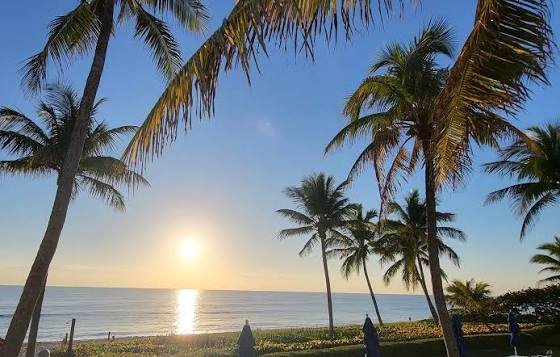
The beach band runs along Ocean Boulevard and up into the Hillsboro Mile, and it’s the most expensive real estate in the city by a wide margin. This is where you’ll find high-rise condos, boutique new construction, and the kind of institutional investment that tells you where a market is headed. The first standalone Waldorf Astoria Residences broke ground in Pompano Beach, and just north on Hillsboro Beach, Rosewood is building an ultra-luxury waterfront community with a private marina. That’s not incidental. It’s a signal that hospitality brands see Pompano’s beach corridor the way they saw Fort Lauderdale Beach fifteen years ago, before prices there tripled.
The waterfront and canal band sits just inland from the beach, threaded through with finger canals that feed into the Intracoastal. This is where Pompano’s real value proposition lives. You can own a home with a dock and ocean access, no bridges in some cases, for meaningfully less than the same setup in Fort Lauderdale’s Las Olas Isles or Rio Vista.
The inland band stretches west from roughly Dixie Highway to the Sawgrass Expressway, and it’s the least uniform part of the city. Palm Aire, on the western half of this band, is a stable, established golf community. Closer to the middle, older neighborhoods like Collier City, Kendall Green, and Cresthaven range from quietly improving to genuinely still working through the same disinvestment issues that hit a lot of Broward’s older inland communities in the 1980s and 90s. Treating “inland Pompano” as one category is the mistake most outsiders make. It isn’t one category. It’s a dozen small neighborhoods at very different points in their own trajectory.
The Beach Corridor: Ocean Boulevard to Hillsboro Mile
Pompano Beach Boulevard and North Ocean
The stretch around Pompano Beach Boulevard and the Fisher Family Pier is the city’s front door. Older mid-rise condo buildings from the 1970s and 80s sit alongside newer towers, and the Pompano Beach CRA (Community Redevelopment Agency) has spent the last decade pushing streetscape improvements, a rebuilt pier, and restaurant and hotel development along this corridor. Pricing here spans a wide range because building age varies so much: older one-bedroom units can still be found in the $250,000 to $350,000 range, while new or newer construction with ocean views runs well past $700,000 and into the millions for larger units.
This is walkable, tourist-adjacent, and increasingly amenity-rich. It’s a strong fit for a second home, a rental investment, or a buyer who wants beach lifestyle without Fort Lauderdale Beach or Miami Beach pricing. For a fuller sense of what daily life looks like down here, including the restaurant scene and what the pier area is becoming, see Life in Pompano Beach: Beach, Pier, Restaurants, and What the City Is Becoming.
Hillsboro Mile and the North End
Head north along Ocean Boulevard toward the Hillsboro Inlet and you cross into the most expensive real estate in the entire market, both in Pompano’s northern edge and technically over the line in Hillsboro Beach. This is single-family mansion territory with private docks, deep-water access, and, with projects like Rosewood’s residences on nearly an acre of combined ocean and Intracoastal frontage, institutional-grade luxury development. This isn’t a first-time buyer’s market. It’s a corridor to know about because it anchors pricing expectations for everything south of it, and because it tells you Pompano’s northern beach edge is not a “wait and see” market anymore. Capital has already decided.
Waterfront and Canal Communities: Where the Real Value Is
This is the section most buyers relocating from out of state skip past, and it’s the one I’d argue matters most if boating or waterfront living is actually why you’re looking at South Florida.
Harbor Village and Riverside Park
Harbor Village sits along the Intracoastal near the Cove, with direct or near-direct ocean access through the Hillsboro Inlet without the bridge restrictions that choke off boat size in some Fort Lauderdale canal systems. Homes here range widely by lot and dock configuration, generally starting in the $700,000s for older single-story canal homes and climbing past $1.5 million for larger, renovated, or newly built waterfront properties.
Riverside Park, just south and slightly inland, offers a similar canal-community feel with somewhat more accessible pricing, often $600,000 to $900,000 for a solid three-bedroom on the water. It’s a neighborhood in the middle of its own quiet renovation cycle: a mix of original 1960s Florida ranch homes, some torn down and rebuilt, others updated in place.
Pompano Isles and Cypress Bend
Pompano Isles is a smaller, tucked-away canal community that flies under the radar compared to the Cove or Harbor Village, which is exactly why it’s worth a look if budget matters. You’ll find canal-front homes here at a discount to the more marketed communities nearby, simply because fewer buyers know to ask about it.
Cypress Bend, further inland, is more of a mixed townhome and single-family community without direct waterfront access for most units, but it borders canal systems and offers a lower entry point, often in the $400,000s to $550,000s, for buyers who want to be near the water lifestyle without paying for a private dock they might not use every week.
If waterfront access is the whole reason you’re looking at Pompano over Fort Lauderdale, read Pompano Beach Waterfront Homes: More Access, Lower Price Than Fort Lauderdale for a deeper comparison on dock size, bridge clearance, and what “ocean access” actually means block by block, because it changes fast within a quarter mile.
Palm Aire: The Golf Course Value Play
Palm Aire sits on the western side of the city, built around a legacy golf course community with multiple villages and condo sections developed from the 1970s through the 90s. It’s not waterfront, and it’s not beach-adjacent, but it’s one of the most stable, predictably priced parts of Pompano Beach, which matters if you’re prioritizing budget certainty over view.
Single-family homes in Palm Aire generally run $400,000 to $650,000 depending on the section and whether it’s been renovated, with condo and villa product available well under $350,000 in some of the older phases. HOA fees vary significantly by section, some as low as a couple hundred dollars a month, others (particularly condo buildings with more amenities) running $500 or more, so verify the specific HOA docs and reserve study before you assume anything. Some sections carry deed restrictions tied to the golf course itself; if you’re not a golfer, confirm whether membership is mandatory or optional before you fall in love with a listing.
Palm Aire is a strong fit for retirees, buyers prioritizing a quieter, more suburban feel, or anyone who wants Broward County pricing that still feels sane. It’s inland enough that flood insurance costs are typically lower than the beach or canal communities, which is a real number, not a footnote, given where South Florida insurance has gone.
Downtown Pompano and the Innovation District: What’s Emerging
Just west of the beach corridor and centered around the old downtown near Atlantic Boulevard and Federal Highway, Pompano Beach’s CRA has been steadily investing in what’s now branded the Innovation District, along with continued redevelopment around the Ali Cultural Arts Center and Old Town. New townhome and low-rise condo product has started filling in here, generally in the $450,000 to $650,000 range, aimed at buyers who want walkability and proximity to downtown amenities without beach pricing.
This is the part of Pompano I watch most closely for early-mover value. It’s not fully arrived yet, which means pricing hasn’t caught up to what’s coming. If you want the fuller build-out picture, including specific projects and what’s actually under construction versus still in planning, New Construction in Pompano Beach: What Is Being Built and What It Costs covers it in detail, and the Pompano Beach Real Estate Market Update: Prices and Opportunity in 2026 tracks how pricing here is moving quarter over quarter.
Where Pompano Beach Is Still Transitioning
Here’s the part most Pompano Beach content either skips entirely or wildly overstates. Neither approach helps a buyer.
Collier City, Kendall Green, and Cresthaven
These are older, historically Black neighborhoods in the central and northwest part of the city, and they’ve had a genuinely mixed trajectory. Some blocks have seen real reinvestment, owner-occupants renovating, and infill construction on formerly vacant lots. Other blocks, particularly closer to Powerline Road and some of the older rental-heavy pockets, still deal with higher crime rates and slower code enforcement than the rest of the city. Property values are meaningfully lower here, sometimes $250,000 to $350,000 for a single-family home, which draws investors and first-time buyers looking for entry-level pricing.
The honest advice: don’t rule these neighborhoods out on reputation alone, and don’t buy on price alone either. Walk the specific block at different times of day. Check the Broward Sheriff’s Office crime mapping tool for the address, not just the zip code. Talk to neighbors if you can. Some of these streets are quietly becoming some of the better value plays in the county. Others are not there yet. The difference is often one street over, which is a frustrating answer but an accurate one.
The Powerline Road Corridor
Powerline Road running through central Pompano has historically had a rougher reputation, tied to older commercial strips, higher rental turnover, and pockets of crime that show up disproportionately in county-wide statistics. That reputation is not entirely outdated, but it’s also not the whole story anymore. Redevelopment pressure is real here given the corridor’s proximity to both I-95 and the beach. If you’re considering a property near Powerline, the diligence is the same as above: specific address, specific block, current crime data, not a five-year-old blog post.
What “Transitioning” Actually Means for a Buyer
Transitioning is not a euphemism for “avoid.” It means change is happening but incomplete, which cuts both ways. It can mean you’re buying in ahead of appreciation. It can also mean the amenities, schools, or safety you want aren’t fully there yet. The way to tell the difference is data, not vibes: recent sale comps trending up over 24 months, permit activity for renovations and new construction nearby, and current crime trends rather than reputation. If a neighborhood has three of those three things moving in the right direction, that’s a real signal. If it has none, that’s a real signal too.
For families specifically weighing school quality against neighborhood and price, Pompano Beach Schools: What Families Need to Know (2026 Guide) breaks down zoning by these same sub-areas, because school assignment can shift the calculus on a transitioning block more than almost anything else.
How to Choose: Matching Neighborhood to Buyer Type
A few honest pairings based on who I actually see buying in each part of the city:
Second-home or beach lifestyle buyer: the Ocean Boulevard corridor around Pompano Beach Boulevard, condo product, walkable to the pier and restaurant row.
Boater who wants Fort Lauderdale access without Fort Lauderdale prices: Harbor Village, Riverside Park, or Pompano Isles, with the caveat that you confirm bridge clearance and dock depth for your specific boat before you commit.
First-time buyer or budget-conscious family: Palm Aire for stability and predictable HOA structure, or Cypress Bend and the newer inland townhome product for a lower entry point. Related read: First-Time Buyer in Pompano Beach: The Coastal Broward Option at a Better Price.
Investor looking for appreciation, not just cash flow: the Innovation District and Old Town area, and select blocks in Collier City and Kendall Green with strong recent comps and permit activity, approached with real due diligence rather than a drive-by opinion. See Pompano Beach Investment Property: Why Investors Are Paying Attention in 2026 for the numbers behind that thesis.
Ultra-luxury, waterfront estate buyer: Hillsboro Mile and the northern beach edge, full stop.
The Bottom Line
Pompano Beach is not one market, and it never was. It’s a beach corridor with institutional money moving in, a canal and Intracoastal belt that still offers real value against Fort Lauderdale, a stable inland anchor in Palm Aire, an emerging downtown worth watching before it fully arrives, and a set of older neighborhoods genuinely mid-transition where the right answer depends on the specific block, not the zip code. Anyone telling you to blanket-avoid “West Pompano” or to blindly trust every canal listing as a bargain isn’t giving you the full picture. Do the block-level homework, and Pompano Beach holds some of the better value left on Broward’s coastline. For the full relocation picture beyond just neighborhoods, including cost of living and what moving here actually involves, Moving to Pompano Beach: The Honest Guide to Broward’s Emerging Waterfront City is the next read. If you want a walkthrough of which specific streets fit your budget and boat or lifestyle needs, that’s a conversation worth having before you start touring, not after.
Watch: learn more
Go deeper with my South Florida Insider videos.

The Best Flex-Space Townhome in West Palm Beach: Pulte's Nautical Plan
Inside Everton's Latitude II Model: $458k New Homes In Palm Beach
The Best Flex-Space Townhome in West Palm Beach: Pulte's Nautical Plan
More articles you might like
Pompano Beach, Florida: The Complete Relocation Guide for 2026
20 min readFirst-Time Buyer in Pompano Beach: The Coastal Broward Option at a Better Price
18 min readLife in Pompano Beach: Beach, Pier, Restaurants, and What the City Is Becoming
17 min readPompano Beach Schools: What Families Need to Know (2026 Guide)
17 min readNew Construction in Pompano Beach: What Is Being Built and What It Costs (2026)
14 min read