Pompano Beach Investment Property: Why Investors Are Paying Attention in 2026
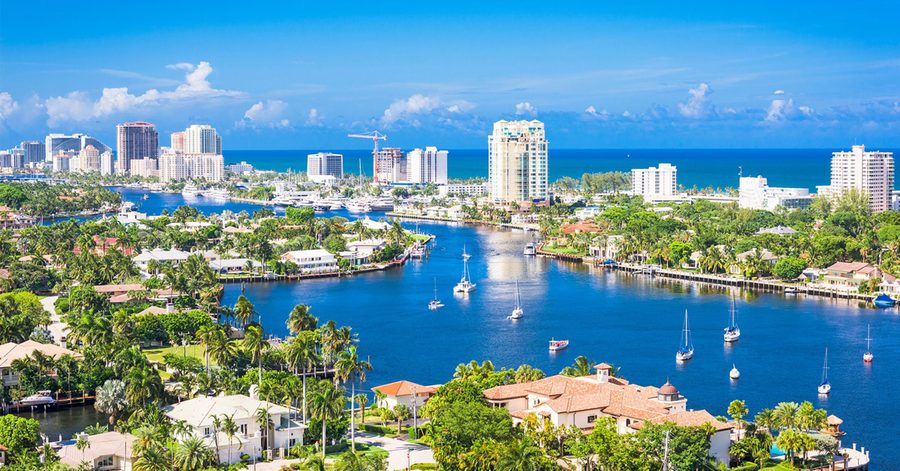
Pompano Beach investment property is getting more attention in 2026 for a simple reason: it still offers the fundamentals investors want, real rental demand, a visible appreciation story, and entry prices below Fort Lauderdale, while the rest of the coastal Broward market keeps climbing. That gap is closing. Investors who understand where the real numbers work, and where the numbers only look good on a listing sheet, are the ones who will actually make money here over the next several years.
This guide is the honest version. Not the version that tells you every property in Pompano Beach is a slam dunk, because it isn’t. Some of the best-looking cap rates in this market are sitting on top of buildings that are about to hand their owners a six-figure special assessment. The goal here is to walk through rental demand, real numbers, where the opportunity actually is, and where you need to slow down and do the homework most buyers skip.
The Short Answer for Investors
If you’re asking whether Pompano Beach investment property makes sense in 2026, the answer is yes, with conditions. The city sits directly between Fort Lauderdale and Boca Raton, on the Atlantic, with a working pier district, an improving downtown, and a wave of new luxury construction (including the first standalone Waldorf Astoria Residences) that’s pulling capital and attention north from Fort Lauderdale’s saturated beach corridor. Rental demand is real, both seasonal and year-round. Appreciation has been steady, not speculative. But the market isn’t uniform. New construction and recently built condos are outperforming older 1970s and 1980s beachside buildings, largely because of insurance costs and looming structural reserve requirements under Florida’s post-Surfside condo law. Know which category you’re buying into before you run your numbers.
Why Pompano Beach, Why Now
For years, Pompano Beach was the place investors passed through on the way to Fort Lauderdale or Deerfield Beach. That’s changing. Fort Lauderdale’s beach and Intracoastal inventory has been bid up for over a decade, and buyers priced out of the Galt Ocean Mile or Rio Vista are pushing north. Pompano Beach still has direct beach access, a genuine pier and pier district, and a downtown that’s actively being redeveloped around the Pompano Citi Centre corridor, and it’s doing it at a meaningfully lower basis than its neighbor to the south.
The appreciation story here isn’t hype. It’s infrastructure and capital following rooftops. High-net-worth buyers chasing deep-water dockage and bridge-free ocean access have been moving into Hillsboro Beach and northern Pompano, and hospitality-branded residential product, the kind that used to only show up in Miami and Fort Lauderdale, is now landing in Pompano Beach directly. When a Waldorf Astoria puts its first standalone residential branded tower in your city, that’s a signal institutional capital is underwriting long-term demand, not just a one-off condo project.
For a full picture of where the city is headed and who’s moving there, the Pompano Beach, Florida: The Complete Relocation Guide for 2026 lays out the broader demand drivers behind this investment thesis: job growth, migration patterns, and the corridors filling in fastest.
Rental Demand: Who’s Actually Renting in Pompano Beach
Cap rate math is only as good as the demand underneath it. Pompano Beach has two distinct rental markets, and conflating them is where a lot of investors get their assumptions wrong.
Seasonal and snowbird demand
Pompano Beach has a real seasonal rental market, driven by the same snowbird migration that fills Fort Lauderdale and Boca Raton every winter. Beachside condos and units within walking distance of the pier see strong demand from November through April. This is where furnished, shorter-term leases (where the building allows them) can outperform a standard 12-month lease, but it also means more turnover, more management, and more exposure to building-specific rental restrictions.
Year-round renter demand
The bigger, steadier story is year-round demand from people relocating to the Fort Lauderdale metro who want coastal Broward without coastal Broward pricing. Renters priced out of Fort Lauderdale proper, along with workforce tenants tied to the broader Pompano and Deerfield employment corridors, are filling single-family homes and older condo inventory west of Federal Highway and around the Cypress Road and Atlantic Boulevard corridors. This demand is less glamorous than a beachfront rental listing, but it’s more stable, and it’s the segment that actually produces reliable monthly cash flow.
If you’re trying to understand who these renters are and what draws them to the city day to day, the Life in Pompano Beach: Beach, Pier, Restaurants, and What the City Is Becoming piece covers the lifestyle pull that’s converting renters into long-term residents, and eventually buyers.
Cap Rates and Numbers: What the Math Actually Looks Like
Here’s where investors need to slow down. Advertised cap rates in Pompano Beach can range widely depending on property type, and the headline number rarely tells the whole story.
Single-family and townhome rentals
Single-family rentals in the neighborhoods west of Federal Highway, and in areas transitioning near the downtown core, tend to produce more modest but more predictable returns, generally in the 4 to 6 percent range on a cash basis once you account for property taxes, insurance, and maintenance. These properties see less turnover, fewer association headaches, and steadier tenant demand from families and relocating professionals.
Older condo inventory
This is where the “great cap rate” trap lives. Older beachside and Intracoastal condos, especially buildings from the 1970s and 80s, often list at prices that produce attractive rent-to-price ratios on paper. What that math frequently leaves out is the building’s structural reserve funding status. Under Florida’s post-Surfside reforms, condo associations for buildings three stories and taller that are 30 years old or older (25 years in some coastal counties) are now required to complete milestone structural inspections and fund full reserves through a Structural Integrity Reserve Study, no more waiving reserves. Buildings that were underfunded for decades are now catching up fast, and that catch-up often comes as a special assessment landing directly on unit owners. A property that looks like a 7 percent cap rate on the listing sheet can turn into a loss the year a $40,000 to $100,000+ assessment hits.
New construction and recently built product
Newer buildings, built to current wind-mitigation and hurricane codes, carry lower insurance premiums and don’t carry the deferred-maintenance risk of older stock. Cap rates tend to run lower on paper, often in the 3.5 to 5 percent range, but the total cost of ownership is far more predictable, and appreciation potential is stronger given where new luxury and branded product is landing in the city. For a rundown of what’s actually being built and what it costs, see New Construction in Pompano Beach: What Is Being Built and What It Costs.
The takeaway: don’t compare cap rates across property types without adjusting for building age and reserve health. A lower cap rate on a well-funded, newer building can be the safer and more profitable position over a 5 to 10 year hold.
Where Investors Are Finding Opportunity
The Pier District and downtown core
The area around the Pompano Beach Pier and the downtown redevelopment corridor is where the city is putting its long-term bet. New restaurants, public space improvements, and residential product are converging here, and early buyers in this corridor are positioned for the appreciation that tends to follow sustained public and private investment. This is also where new construction pricing is highest, so it’s a longer-term appreciation play more than an immediate cash-flow play.
Federal Highway and the value corridor
Older condo and townhome inventory along US-1 offers the lowest entry point in the city, and it’s where a lot of investor activity is concentrated right now precisely because prices haven’t caught up to the redevelopment happening closer to the beach. This is workhorse rental inventory, not glamorous, but functional, and it benefits from proximity to both downtown Pompano and the broader Fort Lauderdale job market.
Waterfront and Intracoastal product
Pompano’s waterfront inventory, docks, canal access, and Intracoastal frontage, continues to price below comparable product in Fort Lauderdale, which is the core appeal for investors targeting higher-end long-term tenants or eventual resale to relocating boaters and second-home buyers. The Pompano Beach Waterfront Homes: More Access, Lower Price Than Fort Lauderdale guide breaks down where that price gap is widest and which canals still offer real value.
Neighborhood selection matters more than people think
Not every part of Pompano Beach is investment-grade yet, and knowing which pockets are still transitioning versus which are established is the difference between buying early and buying into a stall. The Pompano Beach Neighborhoods: Beach, Waterfront, and Where to Avoid (2026 Guide) is worth reading in full before you commit to a corridor.
The Waldorf Astoria Effect: What Branded Luxury Construction Signals
The arrival of the first standalone Waldorf Astoria Residences in Pompano Beach is one of the clearest signals in this entire market. Hospitality brands don’t attach their name to a residential tower on a whim, they underwrite decades of demand before committing capital. This mirrors what’s happening along Hillsboro Beach’s “Millionaire’s Mile” just north of Pompano, where Rosewood Residences and similar branded product are anchoring high-net-worth demand around deep-water dockage and direct ocean access, assets that remain in short, inelastic supply anywhere in South Florida.
For investors, the practical takeaway isn’t necessarily “buy the penthouse.” It’s that branded luxury construction pulls the surrounding market up with it, retail, restaurants, service demand, and resale comps for nearby product all tend to benefit. Investors buying two or three years ahead of a major branded delivery, in adjacent but more accessible product, have historically captured a meaningful share of that lift without needing eight figures of capital.
Insurance, HOA, and Carrying Costs Investors Must Model
This is the part of the underwriting process too many out-of-state and first-time investors skip, and it’s the single biggest variable separating a good Pompano Beach investment from a bad one.
Homeowners and condo insurance premiums across Broward County have climbed between 30 and 80 percent since 2020. That’s not a one-time adjustment, it reflects reinsurance costs and storm risk that aren’t going away. New construction, built to current wind-mitigation and hurricane-impact codes, qualifies for real insurance discounts compared to legacy buildings. That gap alone can be the difference between a property cash-flowing and a property bleeding money every month.
On top of insurance, factor in:
- HOA and condo association dues, which are rising across the board as associations fund reserves properly under the new state requirements.
- Special assessment risk on any building older than 25 to 30 years that hasn’t completed its milestone inspection and reserve study.
- Property taxes, which reassess based on purchase price, not the seller’s basis.
- CDD assessments, if the property sits within a community development district, common in some of Broward’s larger new-build communities, which function as a long-term debt service line item on top of your tax bill.
None of these are deal-killers on their own. They’re underwriting inputs. The investors who lose money in Pompano Beach are usually the ones who ran their numbers off list price and current rent without pricing in where insurance and assessments are headed over a 5 to 7 year hold.
Short-Term Rental Rules and Regulatory Reality
Short-term rental viability in Pompano Beach is not a citywide answer, it’s a building-by-building and zoning-by-zoning answer. Many condo associations, especially older ones, restrict rentals to 6 or 12-month minimums specifically to protect insurance eligibility and building character. Single-family and townhome zoning varies by neighborhood as well. Before you buy anything with a short-term rental strategy in mind, get the association’s rental restriction documents (or the zoning code, for non-HOA properties) in writing. Don’t rely on what a listing agent tells you verbally, and don’t assume because a neighboring city allows something that Pompano Beach does too.
Who Should, and Shouldn’t, Buy Investment Property Here
Pompano Beach investment property makes sense if you’re looking for a longer hold, want exposure to a Fort Lauderdale-adjacent appreciation story at a lower basis, and you’re willing to actually underwrite building condition and reserve health rather than chase the highest advertised cap rate. It also makes sense for buyers comfortable holding through a redevelopment cycle, the Pier District and downtown corridor aren’t finished transforming, and that’s exactly why early positioning there has upside.
It makes less sense if you need immediate, maximized cash flow with no tolerance for insurance volatility, or if you’re buying an older beachside condo purely on its listed cap rate without pulling the milestone inspection report first. It also makes less sense if your only strategy is short-term rental arbitrage, because too much of the city’s condo inventory restricts it.
For a current read on where pricing sits across the city right now, pair this with the Pompano Beach Real Estate Market Update: Prices and Opportunity in 2026, and if you’re trying to figure out how investment activity is shaping first-time buyer competition in the same neighborhoods, the First-Time Buyer in Pompano Beach: The Coastal Broward Option at a Better Price guide covers the other side of that same demand curve.
Bottom Line
Pompano Beach investment property is drawing real attention in 2026 because the fundamentals, location, rental demand, and a visible redevelopment and appreciation story, are legitimate, not manufactured. The opportunity is real in new construction, in the downtown and Pier District corridor, and in well-run waterfront product priced below Fort Lauderdale comparables. The risk is concentrated in older, underfunded condo buildings where an attractive cap rate on paper can turn into a five-figure or six-figure liability the moment a reserve study comes due.
Run the numbers on the building, not just the unit. Get the milestone inspection report before you write an offer on anything built before the mid-1990s. And don’t assume every corridor in the city is investment-grade yet, some are established, some are still becoming what they’re going to be.
If you want a second set of eyes on a specific property or neighborhood in Pompano Beach, DM me “POMPANO” and I’ll walk through what I’m actually seeing on the ground right now.


Watch: learn more
Go deeper with my South Florida Insider videos.

The Best Flex-Space Townhome in West Palm Beach: Pulte's Nautical Plan

Inside Everton's Latitude II Model: $458k New Homes In Palm Beach
The Best Flex-Space Townhome in West Palm Beach: Pulte's Nautical Plan
More articles you might like
Pompano Beach, Florida: The Complete Relocation Guide for 2026
20 min readFirst-Time Buyer in Pompano Beach: The Coastal Broward Option at a Better Price
18 min readLife in Pompano Beach: Beach, Pier, Restaurants, and What the City Is Becoming
17 min readPompano Beach Schools: What Families Need to Know (2026 Guide)
17 min readNew Construction in Pompano Beach: What Is Being Built and What It Costs (2026)
14 min read