Pompano Beach Real Estate Market Update: Prices and Opportunity in 2026
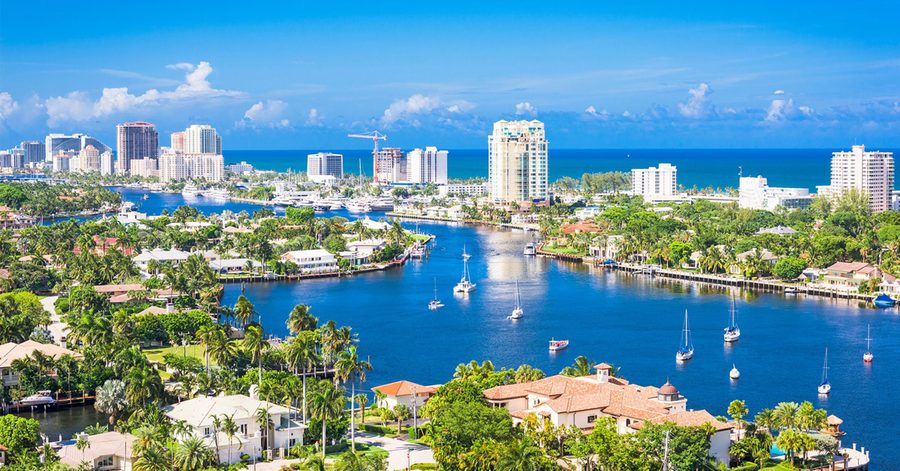
If you are trying to figure out what a home in Pompano Beach actually costs in 2026 and whether it is still worth buying into, here is the direct answer: non-waterfront single-family homes are mostly trading between $450,000 and $675,000, canal and waterfront homes start around $900,000 and run well past $2 million on wide-water lots, and the city remains 15 to 25 percent cheaper than comparable Fort Lauderdale inventory. That gap is the entire story of Pompano Beach real estate right now. This Pompano Beach real estate market update covers prices and opportunity in 2026 the way I’d explain it to a client sitting across from me: what things cost, why they cost that, and where the actual room to win still exists.
I’ve watched this city shift over the last few years from “the affordable option next to Fort Lauderdale” to a market with its own identity, its own luxury pipeline, and its own buyer competition. That shift changes how you should approach buying here. Let’s get into the numbers.
Pompano Beach Real Estate Market Update: Prices and Opportunity in 2026
Pompano Beach sits on the Broward coastal corridor directly between Fort Lauderdale and the Deerfield Beach/Boca Raton line, with beach access along Ocean Boulevard (A1A), a working pier, an inland canal system that rivals Fort Lauderdale’s “Venice of America” waterways, and a golf-course community (Palm-Aire) that anchors the western half of the city. That geography is why Pompano has become the release valve for Fort Lauderdale demand. Buyers who want the coastal Broward lifestyle but can’t or won’t pay Las Olas or Coral Ridge prices look ten minutes north and find a market that still makes sense on paper.
The opportunity in 2026 is real, but it is not evenly distributed. Inland non-waterfront homes still carry a meaningful discount to Fort Lauderdale. Beachfront and new-construction luxury condos do not, because institutional capital has already found them. Understanding which category you’re shopping in determines whether “opportunity” applies to you.
To put the scale of this market in context: Pompano Beach is Broward’s second-largest city by land area, and it stretches nearly seven miles from the Intracoastal to the western reaches near the Sawgrass Expressway. That’s a lot of ground, and a $450,000 budget behaves completely differently depending on which third of the city you’re shopping in. A buyer who only looks at the citywide median and doesn’t map it to a specific corridor is going to be confused by every listing they tour, because the number on the sign will swing by hundreds of thousands of dollars within a two-mile radius.
What’s Driving Demand: The Fort Lauderdale Overflow Effect
Fort Lauderdale’s coastal neighborhoods (Coral Ridge, Victoria Park, Rio Vista, Las Olas Isles) have pushed well past what a large share of relocating buyers are willing or able to spend. When a buyer’s search starts in Fort Lauderdale and the numbers don’t work, the natural next stop on the map is Pompano Beach. It offers the same coastal Broward proposition: beach access, boat access, a short commute to Fort Lauderdale-Hollywood International Airport, and proximity to the Fort Lauderdale job market, without the Las Olas price tag.
This overflow effect shows up in the data as compressed days-on-market for anything priced right and move-in ready, and it shows up anecdotally as out-of-state buyers (a lot of Northeast and Midwest relocators) who tell me flat out they looked at Fort Lauderdale first and got priced out. If you want the fuller relocation picture, our Pompano Beach relocation guide walks through who is actually moving here and why, corridor by corridor.
The second driver is Broward’s broader luxury repositioning. Broward County has been closing the historical luxury gap with Miami-Dade, and Pompano Beach specifically has become one of the visible symbols of that shift. Global hospitality brands don’t plant flags in markets they think are peaking, they plant flags where they see room to run. That’s the context behind the third driver, which we’ll get to below.
There’s a third demand driver worth naming directly, because it doesn’t get talked about enough: builder confidence. When a builder commits land and capital to a corridor, they’ve already run the absorption math and decided the buyer pool is deep enough to support the price point for years, not months. That’s a different signal than a single hot listing season. It tells you the demand behind Pompano isn’t a temporary overflow, it’s a market that’s being underwritten for the long haul by people whose job is to get that call right.
I’d also point out who specifically is showing up. In my own client conversations over the last year, the Pompano buyer pool breaks roughly into three groups: relocating families from the Northeast (New York, New Jersey, Connecticut) who want a single-family home with a yard and are coming from a much higher cost basis, retirees and near-retirees from the Midwest looking for a lock-and-leave condo or villa near the golf corridor, and Fort Lauderdale renters who finally decided to buy and got pushed north by their own budget. Each of those groups shops differently, and each one is filling a different price band in this city.
Median Prices by Property Type in 2026
Here’s the breakdown by category, because “Pompano Beach prices” as a single number is close to meaningless in a city this varied.
Single-family homes, non-waterfront
Most non-waterfront single-family inventory in neighborhoods like Pompano Beach Highlands, Cresthaven, Crystal Lake, and the areas surrounding Palm-Aire is trading between $450,000 and $675,000 depending on lot size, age, and whether the roof and impact windows have been updated. Smaller 1950s-1970s concrete block homes on the low end, larger updated four-bedroom homes with pools on the high end.
To make that range concrete: a three-bedroom, two-bath block home built in 1968 on a standard 60-by-100 lot in Cresthaven, needing a kitchen and bath refresh but with a newer roof, is realistically a $480,000 to $520,000 conversation right now. Move to a fully renovated four-bedroom with a pool and a permitted addition in the same neighborhood, and you’re at $625,000 to $675,000. The spread between those two homes isn’t really about square footage, it’s about how much work the next owner has to do and how that work gets priced into insurance underwriting, which brings us to a section below.
Waterfront and canal-front homes
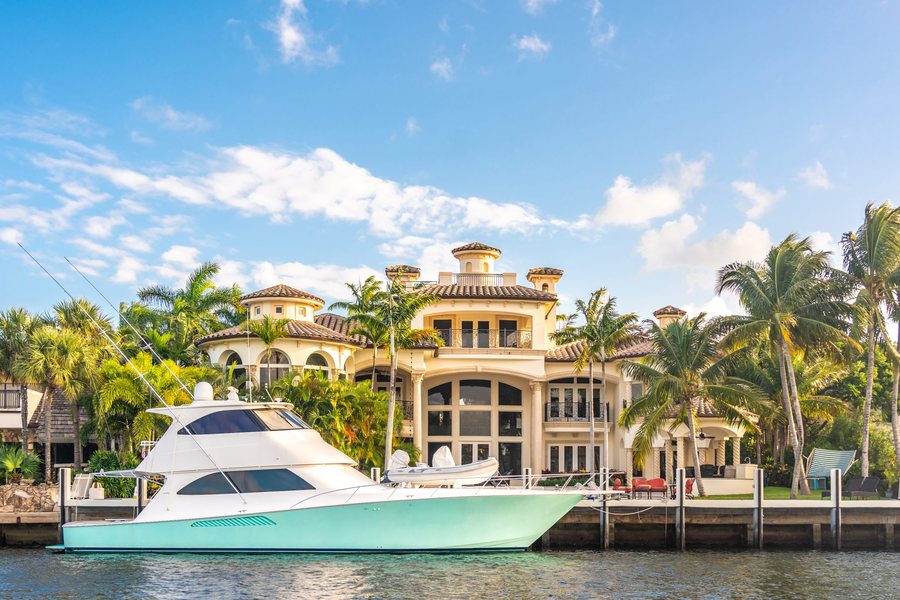
Pompano’s canal system runs through several older neighborhoods and newer infill pockets. Canal-front homes with ocean access (no fixed bridges) start around $900,000 for a dated home on a good lot and climb past $2 million for updated, wide-water properties. This is the segment where the Fort Lauderdale price comparison matters most. A comparable canal home in Rio Vista or the Las Olas Isles will run well above what the same lot size and water access commands in Pompano. That spread is covered in more depth in our Pompano Beach waterfront homes guide.
The math that matters to boaters specifically: bridge clearance and canal width determine what actually docks at the house, not the price tag alone. A $950,000 canal home on a narrower, older cut might only accommodate a 30 to 35-foot boat comfortably, while a $1.8 million wide-water property a few streets over can handle a 50-footer with room to turn around. If you’re a serious boater, price per square foot of house is the wrong metric. Price per usable dockage is the one that should drive the decision, and that’s exactly the kind of detail worth confirming with a survey and a walk of the seawall before you write an offer, not after.
Condos
Older inland condo buildings, particularly around Palm-Aire and the golf corridor, still offer some of the last truly affordable coastal Broward housing left, with units from the $150,000s to $300,000s. Beachfront condos along Ocean Boulevard are a different market entirely, with older buildings starting in the $300,000s to $500,000s and new-construction luxury towers running from $1.5 million well into eight figures for penthouse product.
The gap between those two condo tiers is the widest price spread in the entire city, and it’s growing. Five years ago, a beachfront unit and a Palm-Aire unit might have been separated by a factor of three or four. Today, with new luxury towers pricing penthouses in the eight figures, that spread can be a factor of thirty or more within the same zip code. If a condo purchase is on the table, the building matters as much as the location. Older inland buildings can still be a legitimate value play, but only after real diligence on reserves, milestone inspection status, and any pending special assessments tied to Florida’s post-Surfside structural reform requirements. Skip that step and the “affordable” unit can turn into the most expensive purchase in the city once a special assessment lands.
New construction and townhomes
New-construction townhomes and smaller-lot single-family product in Pompano generally lands between $500,000 and $750,000. For a full breakdown of what’s actually being built and what it costs, see New Construction in Pompano Beach.
Neighborhood-by-Neighborhood Price Breakdown
Pompano Beach is not one market, it’s a collection of very different micro-markets stitched together by city limits. A few worth knowing:
Palm-Aire is the golf and country club corridor west of Federal Highway, with a mix of single-family homes, villas, and condos. Prices here tend to run mid-range, and the appeal is more lifestyle and value than beach proximity. This is the pocket I point retirees and near-retirees toward most often, because HOA-maintained landscaping and clubhouse amenities matter more to that buyer than a five-minute drive to sand.
Pompano Beach Highlands and Cresthaven are classic inland single-family neighborhoods with 1950s-1970s block construction, popular with first-time buyers and renovators because they still offer the lowest entry point into single-family ownership in the city. These are also the neighborhoods where a smart renovation budget, spent on roof and windows first, does the most for both livability and insurance premiums.
Harbour Village and the canal neighborhoods east of Federal Highway are where boaters concentrate, with direct or near-direct ocean access driving the premium. Expect tighter lots and older housing stock than what you’d find inland at the same price point, because you’re paying for the water, not the square footage.
The beach corridor along Ocean Boulevard is where the luxury condo pipeline is concentrated, and where prices have moved the fastest over the last two years. This is also where walkability, restaurants, and the pier culture live, which is part of why it’s commanding the premium it does.
If you’re trying to figure out which pocket fits your budget and your lifestyle, our full Pompano Beach neighborhoods guide breaks down beach, waterfront, and the areas worth avoiding block by block.
The Insurance Math: Why New Construction Changes the Numbers
This is the part most buyers underweight, and it matters more in Pompano than almost anywhere else in Broward because the city has such a large stock of homes built before current Florida Building Code standards took effect in 2002.
Homes built to current code, with poured-concrete tie beams, impact-rated glazing throughout, and wind-engineered roofing, qualify for windstorm insurance discounts of up to 50 percent compared to a legacy home built before those standards existed. In a coastal Broward market where windstorm premiums have become one of the largest line items in monthly carrying cost, that discount is not a rounding error. It can be the difference between a deal that pencils and one that doesn’t.
This is exactly why new construction in Pompano, even at a higher purchase price than an older resale, can carry a lower or comparable true monthly cost once insurance is factored in. It’s also why I tell buyers not to compare list prices in isolation. Compare total carrying cost. A $600,000 new-construction townhome with a $2,800 annual windstorm premium can beat a $500,000 1962 block home with a $6,500 premium on a month-to-month basis. Run both numbers before you decide a resale is “the cheaper option.”
Here’s what that actually looks like on a monthly basis, side by side. On the new-construction townhome, principal and interest on a $600,000 purchase with 20 percent down runs roughly $3,100 to $3,400 depending on rate, plus about $233 a month for that $2,800 windstorm premium, plus a modest HOA. On the 1962 block home at $500,000 with the same down payment structure, principal and interest is lower, closer to $2,600 to $2,900, but the $6,500 windstorm premium adds about $542 a month, and that’s before you factor in an older roof that may need replacement in the next five to ten years, or the cost of retrofitting impact windows to even qualify for a better rate down the line. Once you add it up, the “cheaper” home on paper can land within a couple hundred dollars a month of the new build, without accounting for deferred maintenance. That’s the calculation buyers need to run before they anchor on list price alone.
There’s also a financing angle here that doesn’t get enough attention. Lenders and insurers are both pricing risk more aggressively than they were five years ago, and a four-point wind mitigation inspection on an older home can swing a quote by thousands of dollars a year depending on roof age and opening protection. If you’re shopping resale in Pompano, get a wind mitigation inspection done, or at least request the seller’s most recent one, before you go under contract. It’s a small cost that can save you from a nasty surprise at closing when your insurance binder comes back at double what you budgeted.
Inventory and Days on Market: How Competitive Is It Right Now
Inventory in Pompano Beach has loosened compared to the extreme seller’s market conditions of a few years ago, but it hasn’t flipped to a buyer’s market across the board. Well-priced, move-in-ready single-family homes under $600,000 are still moving quickly, often with multiple offers if they’re clean and in a desirable pocket. Dated homes needing significant work, and anything overpriced relative to condition, are sitting longer and accumulating price reductions.
Condo inventory is more buyer-friendly right now, particularly in older beachfront and inland buildings where owners are contending with rising HOA assessments and insurance-driven special assessments following statewide structural reform requirements. That’s created real negotiating room for buyers willing to do diligence on a building’s reserve funding and any pending assessments before writing an offer.
What that means for strategy on the ground: if you’re shopping single-family under $600,000 and priced right, be ready to move within days, not weeks. Have your pre-approval done, know your max number before you tour, and don’t waste your agent’s time or yours scheduling a second showing on a clean, well-priced home, because it may not be there. On the condo side, the opposite discipline applies. Slow down, ask for the last two years of board meeting minutes and the most recent reserve study, and don’t let a motivated seller’s urgency talk you out of doing that homework. The buildings with clean books and funded reserves are worth paying up for. The ones without them are where a “deal” turns into a five-figure assessment bill eighteen months after closing.
Where the Opportunity Is in 2026
The honest opportunity in Pompano Beach right now breaks into three lanes.
First-time and move-up buyers
Inland single-family neighborhoods still offer a legitimate entry point into coastal Broward ownership that simply does not exist anymore in Fort Lauderdale proper. If you’re comparing Pompano to Fort Lauderdale on a monthly payment basis, Pompano usually wins, and it’s not close. Our first-time buyer guide to Pompano Beach walks through the specific programs and neighborhoods that make sense at this price point.
Investors
Rents across Broward’s coastal corridor have kept pace with Fort Lauderdale in a lot of submarkets even though purchase prices haven’t fully caught up, which keeps cap rates more favorable in Pompano than in neighborhoods just a few miles south. Add the insurance math above, and new-construction or recently-built product starts to look like the more defensible long-term hold. The specifics are in our Pompano Beach investment property guide.
A quick reality check for investors specifically: a three-bedroom rental in Pompano Beach Highlands is renting in a range that, against a $500,000 to $550,000 purchase price, produces a gross yield that’s still competitive with what you’d find in comparable Fort Lauderdale inland neighborhoods priced 20 to 30 percent higher. That gap is the whole investment thesis. It’s not that Pompano rents are dramatically higher than Fort Lauderdale, it’s that the purchase basis is lower while the rent roll has largely caught up.
Waterfront buyers priced out of Fort Lauderdale
If deep-water or canal access is non-negotiable but Rio Vista or Las Olas Isles pricing isn’t realistic, Pompano’s canal system is the most direct alternative left on the Broward coast. You give up some walkability to downtown Fort Lauderdale’s restaurant and nightlife scene, and you gain real savings on the water itself.
What’s Coming: The Waldorf Astoria Residences and the Luxury Pivot
The clearest signal that Pompano Beach has changed tiers is the arrival of the Waldorf Astoria Residences Pompano Beach, the brand’s first standalone residential project of its kind on this stretch of coast. When a global luxury hospitality brand commits to a market, it’s underwriting years of demand, not chasing a short-term trend. This kind of project pulls in the same buyer pool that has been paying Fort Lauderdale and Miami prices for amenitized, branded residences, and it’s already pushing beachfront and near-beach pricing upward in a way that inland Pompano hasn’t felt yet.
What this means practically: the “cheap alternative to Fort Lauderdale” window is closing fastest on the beach and staying open longest inland and around the canal neighborhoods a few blocks off the water. If branded luxury condo living is the goal, that ship is catching up to Fort Lauderdale pricing. If a real single-family home with reasonable proximity to the coast is the goal, the opportunity is still there, but it is not going to last indefinitely as this kind of institutional capital keeps flowing north from Fort Lauderdale and Miami.
It’s worth putting the Waldorf project into a wider frame, too. Pompano Beach isn’t the only Broward city catching this kind of attention. St. Regis Bahia Mar and Rosewood Residences Hillsboro Beach are part of the same wave, brands that don’t typically build outside markets they expect to hold value for a generation. Broward is closing the historical luxury gap with Miami-Dade, and Pompano’s beach corridor is one of the clearest beneficiaries of that repositioning. That’s good news if you already own beachfront property here. It’s a signal to move quickly if you’re trying to buy into that corridor before it fully catches up.
Who Should (and Shouldn’t) Buy in Pompano Beach Right Now
Buy here if you want coastal Broward living without downtown Fort Lauderdale pricing, you’re comfortable with a slightly less polished downtown core than Las Olas (though that’s changing fast, see our Pompano Beach lifestyle guide), and you’re either buying new construction to lock in the insurance advantage or buying a resale with a clear eye on renovation and windstorm costs.
Hold off, or shop very selectively, if you’re set on beachfront luxury condo living and hoping to find Fort Lauderdale-style value, because that gap has mostly closed. Also do real homework on any condo building’s reserve funding and pending assessments before making an offer, this is not unique to Pompano but it applies here just as much as anywhere else in Broward.
If schools are part of the decision, which they are for most families relocating with kids, pair this market update with our dedicated Pompano Beach schools guide before you narrow down a neighborhood.
The Bottom Line
Pompano Beach in 2026 is a market with two speeds. Inland and canal neighborhoods still offer a real, defensible discount to Fort Lauderdale, and new construction in those areas comes with an insurance advantage that’s easy to underestimate. Beachfront and branded luxury condo product has already caught the attention of the same capital that built out Fort Lauderdale’s beach, and pricing there reflects it. Know which lane you’re shopping in, run the true carrying cost (not just the list price), and move on well-priced inventory quickly, because it’s still not sitting long when it’s priced right.
If you want a full walkthrough of what’s happening in a specific Pompano Beach neighborhood, what’s being built, or what a move here actually looks like day to day, our moving to Pompano Beach guide is the best next read. And if you want numbers run on a specific property or neighborhood you’re considering, that’s a conversation worth having before you write an offer, not after.
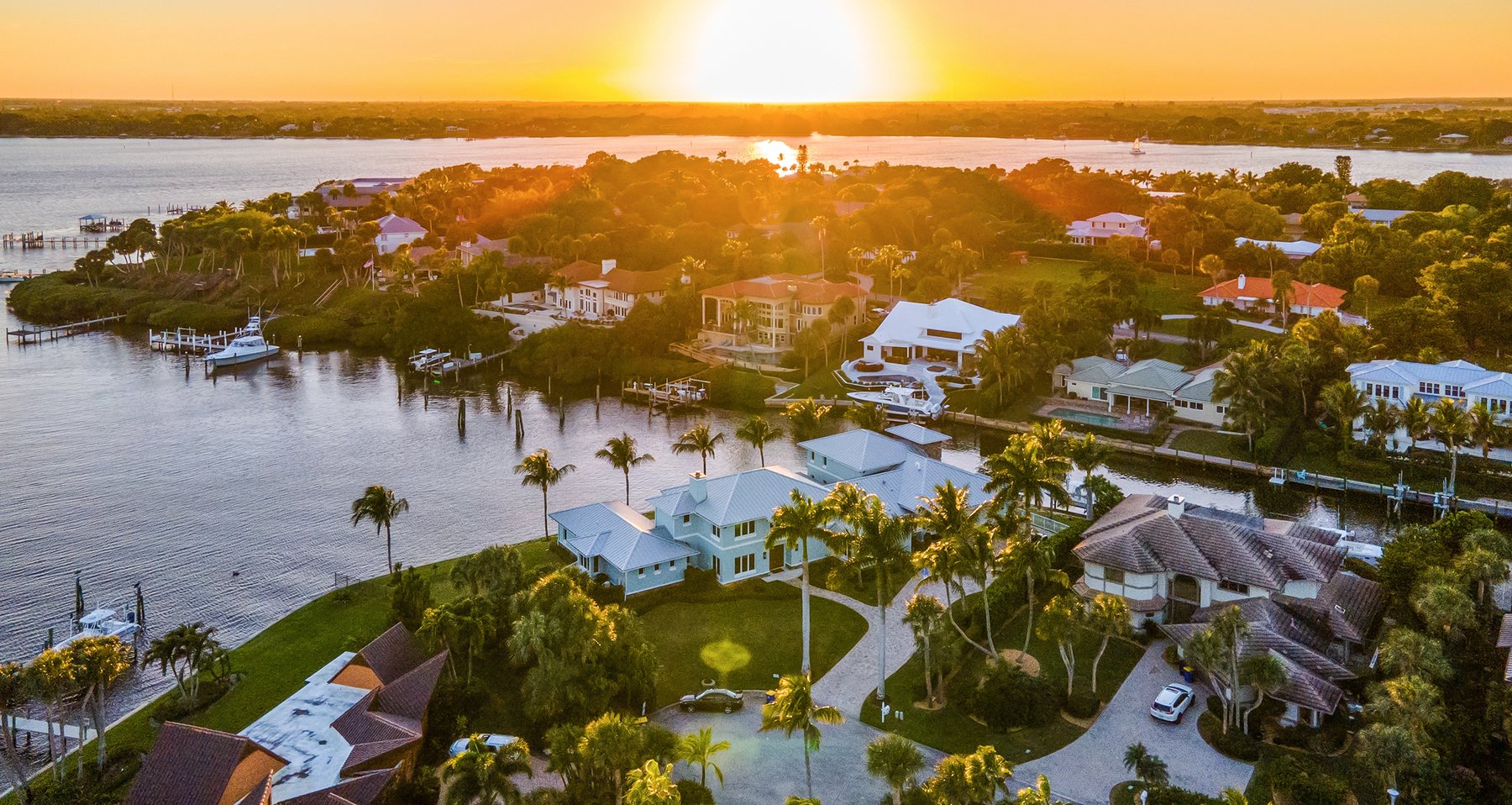
Watch: learn more
Go deeper with my South Florida Insider videos.

The Best Flex-Space Townhome in West Palm Beach: Pulte's Nautical Plan
Inside Everton's Latitude II Model: $458k New Homes In Palm Beach
The Best Flex-Space Townhome in West Palm Beach: Pulte's Nautical Plan
More articles you might like
Pompano Beach, Florida: The Complete Relocation Guide for 2026
20 min readFirst-Time Buyer in Pompano Beach: The Coastal Broward Option at a Better Price
18 min readLife in Pompano Beach: Beach, Pier, Restaurants, and What the City Is Becoming
17 min readPompano Beach Schools: What Families Need to Know (2026 Guide)
17 min readNew Construction in Pompano Beach: What Is Being Built and What It Costs (2026)
14 min read