Parkland vs. Weston: The Side-by-Side for Broward Family Buyers
Here is the full revised post.
Parkland vs. Weston: The Side-by-Side for Broward Family Buyers
If you’re cross-shopping Parkland and Weston, here’s the answer up front: Parkland gives you newer construction, a quieter feel, and one of the strictest gated-community environments in Broward County, while Weston gives you more price flexibility, a more established town center, and a shorter drive toward Fort Lauderdale and Miami. Neither city is “better.” They’re built for slightly different versions of the same buyer, and the right call depends on your budget, your commute, and whether you actually want a brand-new house or you’re fine with a well-kept resale in a mature neighborhood.
Both cities show up on every “best places to raise a family in Broward” list, and for good reason. Both are anchored by top-rated schools, both have low crime relative to the rest of the county, and both attract the same buyer profile: relocators from up north, move-up families leaving Coral Springs or Plantation, and out-of-state buyers who did their research and narrowed it to these two. That overlap is exactly why the comparison is hard. Let’s break it down category by category with real numbers, not vibes.
Parkland vs. Weston at a Glance
Here’s the short version before we go deep on each category.
- Median price: Parkland runs roughly $1.1 to $1.15 million right now. Weston has a wider spread, with entry-level condos and townhomes starting well under $400,000 and single-family resale typically landing in the $650,000 to $950,000 range, with luxury enclaves pushing past $1.5 million.
- Price per square foot: Parkland is running $369 to $403 a square foot, among the highest in Broward. Weston’s per-square-foot pricing varies more by neighborhood since it mixes older and newer product.
- Inventory type: Parkland is almost entirely gated single-family with active new construction. Weston has single-family, townhomes, and condos, and is essentially built out with no meaningful new construction left.
- Schools: Both zoned to A-rated, high-demand schools. Parkland feeds Marjory Stoneman Douglas High and Westglades Middle. Weston feeds Cypress Bay High and Tequesta Trace Middle.
- HOA/CDD: Both have HOA dues. Parkland’s newer communities frequently stack a CDD assessment on top. Weston’s HOAs are more established and CDDs are less common since most of the city was built before that financing structure became standard.
- Commute: Weston sits closer to the Sawgrass Expressway and I-75, giving it a shorter run to Fort Lauderdale-Hollywood International and Miami. Parkland sits farther northwest, closer to the Palm Beach County line.
- City age: Weston incorporated in 1996 and is a mature, built-out city. Parkland is younger in its current form, with new phases still delivering in 2026.
Now let’s get into why each of these numbers matters for your actual decision.
Price and Cost of Entry
This is where the two cities diverge the most, and it’s the first filter most buyers should run.
Parkland’s median home price sits around $1.1 to $1.15 million, and it’s running $369 to $403 a square foot, which is higher than Weston, higher than Cooper City, and higher than Coral Springs by close to $150 a square foot. There’s a structural reason for that: almost all of Parkland’s inventory is gated, single-family, newer construction. There’s no condo market, no meaningful townhome inventory, and very little that qualifies as a true starter home. If you want to read the full breakdown on why that inventory gap exists, see First-Time Buyer in Parkland: Is the Premium Worth It at Entry Level?
Weston looks completely different on paper because it offers more product types. You can find condos and townhomes in communities like the Isles at Weston or near Weston Road well under $400,000, which simply does not exist in Parkland at any price. Move up to single-family resale in neighborhoods like Country Isles, Savanna, or Windmill Lakes and you’re typically in the $650,000 to $950,000 range depending on lot size, age, and updates. At the top end, Weston’s luxury pockets, Windmill Ranch Estates with its acre-plus equestrian lots and Weston Hills with its golf course frontage, push well past $1.5 million and can rival or exceed Parkland’s highest sales.
Here’s a real scenario we see often. A family relocating from New Jersey with a $780,000 budget calls asking about Parkland because a friend recommended it. Once we run the numbers, that budget buys a smaller, older resale on the edge of Parkland’s price range, if anything is available at all, versus a well-maintained four-bedroom in Weston’s Savanna or Country Isles with a renovated kitchen and a pool. Same school quality conversation, completely different house for the same money. That’s not a knock on Parkland. It’s a budget math problem, and it’s the single most common reason buyers who start looking in Parkland end up closing in Weston instead.
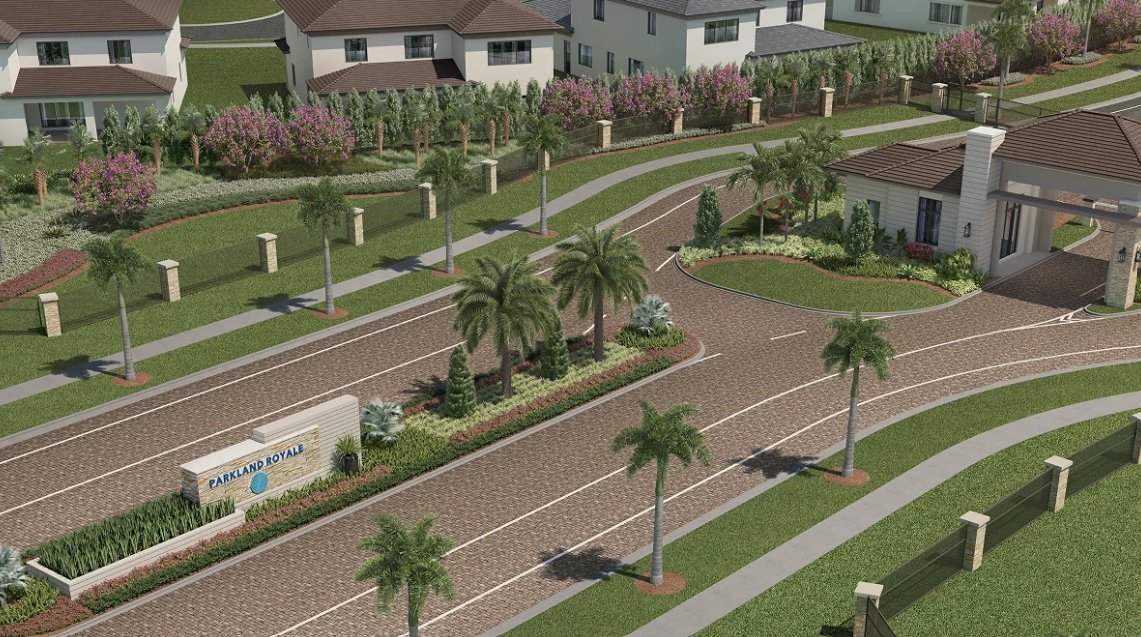
The practical takeaway: if your budget caps out under $700,000, Weston has a path in for you and Parkland largely does not. If your budget is $1 million-plus and you specifically want new construction, Parkland is the stronger fit, and communities like Cascata at MiraLago and Parkland Royale are worth walking in person before you decide.
The Property Tax Number Nobody Mentions First
This applies to both cities, but it hits harder in Parkland because the price tag is higher. Florida caps how much your property tax bill can climb each year while you own a home, through the Save Our Homes assessment cap. That cap resets completely when the home sells. Buy a $1.15 million home in Parkland with no prior Florida homestead, and your first-year tax bill can land around $21,000, sometimes double what the previous owner was paying the month before you closed.
The same math applies in Weston, just at a lower baseline because the median price is lower. A $750,000 resale in Weston will typically reset to somewhere in the $12,000 to $14,000 range in the first year depending on the specific millage rate for that neighborhood, meaningfully smaller than a $1.15 million new build in Parkland, but still a jump most out-of-state buyers underestimate. If you’re relocating from a state without this kind of reset, budget the higher number, not the seller’s current bill.
If you’re relocating from out of state and comparing a monthly payment estimate from a mortgage calculator, run the actual county millage rate against the sale price, not the seller’s current tax bill. That single mistake is the most common budgeting error we see from relocators moving into either city, and it’s the one that blows up a “comfortable” monthly payment estimate into something that actually stretches the household budget once the first full tax bill lands.
Schools: Cypress Bay vs. Marjory Stoneman Douglas
Both cities are magnets for families specifically because of the schools, and both deliver.
Parkland is zoned primarily to Marjory Stoneman Douglas High School, Westglades Middle School, and a cluster of highly rated elementary schools including Park Trails, Heron Heights, and Riverglades. These schools consistently post some of the strongest academic outcomes in Broward County, and that reputation is baked directly into Parkland’s home values.
Weston is zoned primarily to Cypress Bay High School, one of the largest and most academically decorated high schools in the county, along with Tequesta Trace Middle and strong elementary options like Manatee Bay, Country Isles, and Eagle Point. Cypress Bay’s size gives it a broader program catalog, more AP and IB offerings, and a deeper athletics and arts bench simply because of enrollment scale.
Here’s the honest read: this should not be your deciding factor between the two cities. Both are genuinely excellent, both are A-rated, and both will serve a family well from elementary through high school. Where they differ is texture, not quality. Cypress Bay is bigger and more comprehensive, which means more elective variety and more competition for spots on top teams and in top programs. Marjory Stoneman Douglas and Westglades operate at a slightly smaller scale with a tighter community feel, where it’s easier for a kid to be known by name rather than one of several thousand.
A detail worth knowing if you’re relocating with younger kids specifically: both cities’ middle schools feed directly and predictably into their respective high schools, so you’re not gambling on a boundary redraw between fifth grade and ninth grade the way you might in a faster-growing part of the county. Visit both if school culture matters to you beyond the ratings, because that’s a fit question, not a rankings question.
New Construction vs. a Built-Out Resale Market
This is the most practical, least talked-about difference between these two cities, and it should weigh heavily in your decision.
Weston incorporated in 1996 and its buildable land is essentially gone. What you’re buying in Weston today is resale, full stop. That means home age, prior renovations, and roof/AC condition matter enormously, and it also means you’re negotiating against an established comp history rather than a builder price list. Practically speaking, that means budgeting for the age of the systems in whatever you buy. A lot of Weston’s housing stock dates to the late 1980s through the 2000s, so ask directly about roof age and AC replacement history before you write an offer, because a 20-year-old barrel tile roof is a real negotiating point, not a footnote.
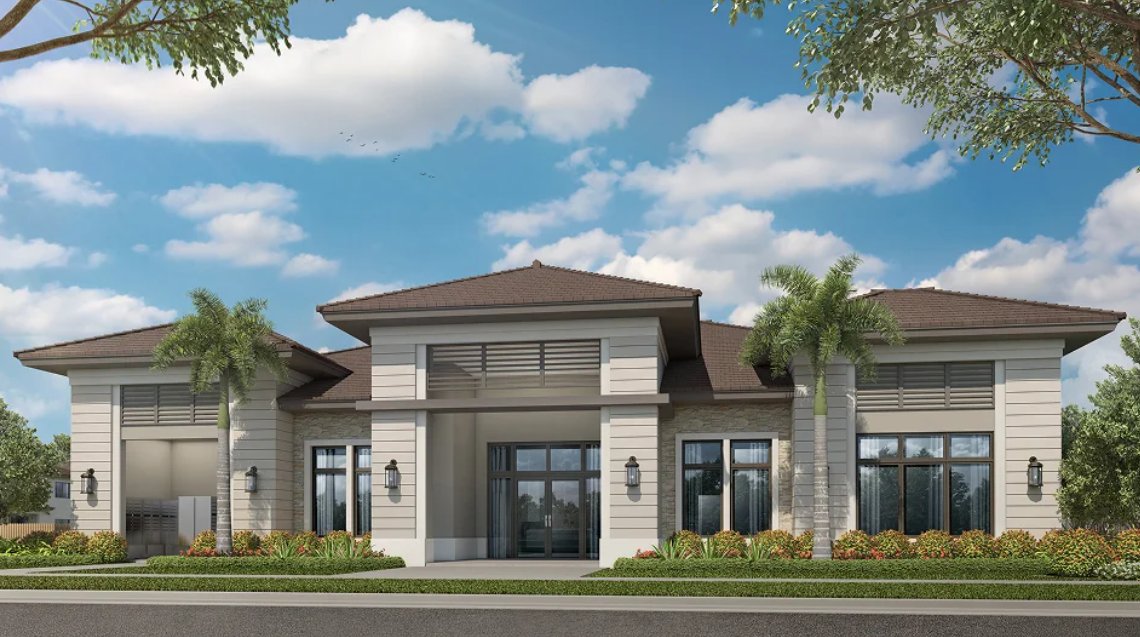
Parkland is different. There is still active new construction delivering right now, which is genuinely rare for a city this close to full Broward buildout. Cascata at MiraLago and Saltgrass at Heron Bay both represent newer product with builder warranties and modern floor plans, and Parkland Royale by Lennar has become one of the most searched new-build communities in the city, including its Next Gen multigenerational floor plan option. If you want a full inventory snapshot of what’s actively selling, New Construction in Parkland: What Is Available in 2026 breaks down what’s out there right now.
If a brand-new house with a builder warranty matters to you more than an established tree canopy and a mature neighborhood feel, that alone can settle this comparison in Parkland’s favor. New construction also means you’re picking finishes, impact windows are built to current code from day one, and you’re not inheriting anyone else’s deferred maintenance. If you’d rather buy something with 20 years of landscaping already grown in and a known resale track record, where the mature oak canopy and established lawn are already there instead of years away, Weston has the edge.
HOA, CDD, and the Real Monthly Number
Both cities run on HOAs. The difference that catches people off guard is the CDD, a Community Development District assessment that funds infrastructure like roads, drainage, and amenities in newer communities and gets paid alongside your property tax bill, often for decades.
Parkland’s newer gated communities frequently carry both an HOA and a CDD. Combined with mandatory HOA dues, that stacks a real monthly cost on top of the mortgage and tax numbers most buyers focus on first. In some of Parkland’s newer phases, that combined HOA and CDD load can run several hundred dollars a month on top of the tax bill, which matters when you’re qualifying for a mortgage against a fixed debt-to-income ratio. Ask for the CDD payoff balance and the annual assessment amount in writing before you go under contract, not after.
Weston’s HOA structure is generally simpler because most of the city was built before CDD financing became the default tool for developers. You’ll still pay HOA dues, and in the luxury guard-gated communities like Weston Hills or Windmill Ranch Estates those dues can be substantial given the amenities and gate staffing they fund, but you’re less likely to be stacking a CDD assessment on top in most established neighborhoods. That gives Weston a small but real edge on predictability, since a fixed HOA number is easier to plan around than an HOA plus a CDD that may still have years left on its payoff schedule.
Neither cost is a dealbreaker on its own. The mistake is not knowing the full number until closing. For a deeper look at how these costs actually work in Parkland specifically, Living in Parkland, Florida (2026): Schools, Cost of Living, and Is It Worth It? walks through the math in more detail.
Commute and Location Tradeoffs
Parkland sits in the far northwest corner of Broward County, close to the Palm Beach County line and the Everglades edge. That’s exactly what gives it the quiet, low-density feel buyers move there for. It also means you’re farther from the beach, farther from Fort Lauderdale-Hollywood International Airport, and farther from the dense retail and dining corridors along Sawgrass Mills.
Weston sits closer to the Sawgrass Expressway and I-75 interchange, which puts it in a meaningfully shorter position for commutes toward Fort Lauderdale, the airport, and even Miami via I-75 South. On a normal weekday, that can mean the difference between a 30 to 35 minute run to downtown Fort Lauderdale from Weston versus 40 to 50 minutes from central Parkland, and the gap widens further if your destination is south toward Miami or Aventura. If your job pulls you east or south on a daily basis, that difference adds up fast, especially during rush hour on University Drive or Pine Island Road.
If your daily life involves a regular commute toward the coast, drive the actual route from each city at the actual time you’d be driving it, both from Parkland and from Weston, before you commit. What looks like a nice 25-minute drive on a map can be a very different number at 7:45 on a Tuesday morning, and the gap between the two cities on this specific point is real, not marginal. This is the single tradeoff we tell relocators to test in person rather than trust to a map estimate, because it’s the one that quietly erodes quality of life if you get it wrong.
Lifestyle and Community Feel
Parkland is built around a quieter, more residential identity. There’s no dense town center, retail is more spread out, and the community design leans heavily on equestrian trails, nature preserves, and gated single-family subdivisions. It’s a city built for people who specifically want distance from the noise. For a ground-level look at what a normal day actually feels like there, Life in Parkland: What a Day Actually Looks Like in Broward’s Quietest City is worth a read.
Weston has more of a self-contained “town” feel, anchored by the Weston Town Center with its restaurants, shops, and regular community events, plus proximity to Cleveland Clinic Weston for healthcare. It reads less like a purely residential enclave and more like a small, walkable downtown surrounded by neighborhoods, with the Bonaventure area adding another layer of golf-course and country club living on the west side of the city. If you want some retail and dining energy without leaving your city limits, Weston delivers that in a way Parkland currently does not.
There’s also a day-to-day errand difference worth naming plainly. In Weston, a trip to a good restaurant, a pharmacy, or a kid’s dentist appointment is often a five to ten minute drive inside city limits. In Parkland, those same errands more often mean a short drive into Coral Springs or over toward Sawgrass Mills, since Parkland deliberately kept commercial development light. Neither approach is wrong, but if you value being able to walk to dinner, that’s a Weston strength Parkland isn’t trying to compete on.
Investment and Resale Considerations
Parkland’s appreciation story has been strong, driven largely by scarcity of buildable land and consistent demand from relocators chasing the school district. But because nearly all the inventory sits in one price tier, there’s limited room to “buy small and move up” within the city itself the way you can in Coral Springs or Weston. If you’re weighing Parkland specifically as an investment, Parkland Investment Property: The Numbers and the Reality lays out the actual return math rather than the marketing version.
Weston’s mixed inventory, condos, townhomes, and single-family across a wide price band, gives it more internal mobility. A buyer can start in a townhome near Weston Road and move up to Windmill Lakes or Weston Hills without leaving the city, which supports a longer-term relationship with buyers and a steadier resale pipeline. That mobility also tends to smooth out Weston’s resale market during slower stretches, since there’s always a lower price tier absorbing first-time buyers even when the top of the market cools.
Two Real Buyer Scenarios
Numbers help, but decisions get made on scenarios. Here are two we see constantly.
Scenario one: the move-up family from Coral Springs. Budget around $950,000, two kids in elementary school, both parents commuting toward Fort Lauderdale for work. This family typically leans Weston. The commute math works in their favor, the budget lands comfortably in Weston’s single-family resale range, and Cypress Bay’s size doesn’t concern them since their kids are years from high school anyway.
Scenario two: the out-of-state relocator with a remote job. Budget $1.2 million or more, no daily commute to weigh, and a strong preference for something brand new with a builder warranty because they don’t want to inherit someone else’s maintenance history sight unseen from another state. This buyer typically leans Parkland, and specifically toward active new-construction communities like Cascata at MiraLago, because the commute tradeoff that matters so much to the first family simply doesn’t apply to them.
Most buyers fall somewhere between these two, which is exactly why running your specific numbers matters more than picking a city off a “best of” list.
Common Mistakes Buyers Make Comparing These Two
A few patterns show up again and again when families cross-shop Parkland and Weston, and they’re worth naming directly so you don’t repeat them.
First, comparing Parkland’s new-construction price to Weston’s resale price without adjusting for what you’re actually buying. A $1.1 million new build and a $1.1 million 15-year-old resale are not the same purchase, even if the square footage is similar.
Second, budgeting off the seller’s current tax bill instead of the reset number. This is the mistake that causes the most post-closing sticker shock in either city.
Third, picking a city off school ratings alone without visiting both, then discovering after move-in that the commute or the lack of a town center bothers someone in the household more than expected. Ratings tell you about outcomes. They don’t tell you whether the drive to work will wear on you, or whether not being able to walk to dinner will bother you six months in.
Which One Fits You
Run through these questions honestly:
- Is your budget under $700,000? Weston has a real path for you. Parkland largely does not.
- Do you specifically want new construction with a builder warranty? Parkland is the stronger option right now, and Cascata at MiraLago or Parkland Royale are worth touring first.
- Does your commute run toward Fort Lauderdale, the airport, or Miami daily? Weston’s location works in your favor.
- Do you want walkable retail and a town-center feel without leaving the city? Weston again.
- Are you prioritizing maximum quiet, low density, and gated privacy above all else, and your budget supports $1 million-plus? Parkland is built exactly for that.
- Do you want room to buy smaller now and move up later without changing cities? Weston’s mixed inventory supports that. Parkland’s does not.
Neither city is a compromise. They’re built for two different versions of “I want my kids in great schools and I want to feel safe.” If you want the unfiltered case for and against Parkland specifically before you commit, Parkland, Florida: The Complete Relocation Guide for 2026 is the deepest resource we’ve built on the city.
If you’re actively comparing these two and want the real numbers run against your specific budget, HOA and CDD math included, comment or message “PARKLAND VS WESTON” and I’ll send you a side-by-side cost breakdown built around your price range.
More articles you might like
Living in Parkland, Florida (2026): Schools, Cost of Living, and Is It Worth It?
17 min readParkland, Florida: The Complete Relocation Guide for 2026
17 min readMoving to Parkland: Broward's Most Exclusive Family Suburb Explained
16 min read
Is Cascata at MiraLago Worth It? An Honest Look at GL Homes's Parkland Community
16 min readIs Saltgrass at Heron Bay Worth It? An Honest Look at Toll Brothers's Parkland Community
13 min read