Parkland Investment Property: The Numbers and the Reality (2026)
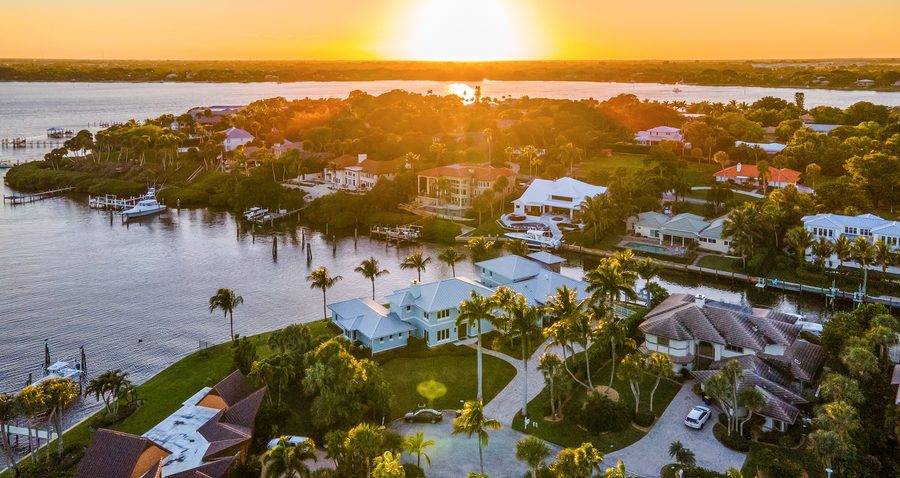
If you’re running the numbers on Parkland investment property, here’s the reality up front: this is not a cash-flow market. Between the entry price, the property tax reset on transfer, HOA dues, and CDD assessments in the newer communities, most single-family rentals in Parkland cap out around a 2 to 3% return. Parkland investment property, the numbers and the reality, comes down to one question: are you buying for monthly income, or are you buying for appreciation and a foothold in one of Broward’s tightest school zones? Those are two different strategies, and Parkland only makes sense for one of them.
I get asked about this constantly, usually from two directions. Out-of-state investors see Parkland’s home values climbing and assume the rental math scales with it. And local buyers who already own here start wondering if they should hold their current home as a rental instead of selling when they move up. Both groups need the actual numbers, not the assumption that a $1.1 million house rents for enough to make sense the way a $1.1 million house would in a market with cheaper taxes and looser HOAs.
Parkland Investment Property: The Numbers and the Reality, Starting With the Purchase Price
Parkland’s median home price sits at roughly $1.1 to $1.15 million right now, and that number isn’t an outlier pulled up by a few mansions. It’s the market, because Parkland’s housing stock is close to 90% single-family homes in gated, estate-style communities. There’s almost no condo or townhome inventory to pull that median down, which is unusual for Broward County.
Price per square foot tells the same story. Parkland runs $369 to $403 a square foot. Compare that to the surrounding suburbs an investor might also be considering:
- Weston: $302 to $350/sqft, median $727,000 to $799,000
- Cooper City: $388/sqft, median around $625,000
- Coral Springs: $254/sqft
- Davie: $289/sqft
- Pembroke Pines: as low as $256/sqft
Parkland isn’t just more expensive in absolute terms, it’s more expensive per square foot than every one of those markets except Cooper City, and it beats Cooper City on total price by nearly half a million dollars. That premium doesn’t show up as extra income when you rent the house out. It shows up as a bigger mortgage, a bigger insurance bill, and a bigger property tax bill, none of which a tenant’s rent check fully offsets in this market. If you want the full context on why that premium exists and whether it’s worth it as an owner-occupant, I broke that down in Living in Parkland, Florida (2026): Schools, Cost of Living, and Is It Worth It?.
The Property Tax Reset: The Number That Wrecks Investor Underwriting
This is the piece most out-of-state investors miss completely, and it’s the single biggest reason Parkland rental math looks worse on paper than it does on a rent roll spreadsheet built off comps.
Florida’s Save Our Homes cap limits how much a homesteaded property’s assessed value can rise each year, capped at the lesser of 3% or CPI. Over years of ownership, that creates a gap between what a home is actually worth on the market and what it’s taxed on. Great for a long-term owner-occupant. The problem for you as a buyer is that this cap resets completely the moment the home changes hands.
If you’re buying a Parkland rental property, you don’t get the Save Our Homes cap at all since it only applies to a homesteaded primary residence. You fall under the non-homestead 10% annual assessment cap instead, but here’s the part that actually costs you money: the assessed value resets to full market value the year after you close, regardless of what the previous owner (who was very likely homesteaded and capped for years) had been paying. On a $1.1 to $1.15 million purchase, that first-year tax bill can land around $20,000 to $22,000, sometimes close to double what the seller had been paying the month before you bought it.
Run that number before you run your rent comps. It’s not a rounding error, it’s the difference between a deal that looks fine on Zillow’s rent estimate and one that actually cash flows.
Cap Rate Math: What a Parkland Rental Actually Nets
Let’s build a real example instead of a hypothetical. Take a 4-bedroom, roughly 3,200 square foot home in a gated Parkland community, purchased at the median, $1,100,000.
Gross rent: A home like this realistically rents for $5,800 to $6,200 a month in Parkland’s current market. Call it $72,000 a year gross.
Annual expenses:
- Property tax (post-reset): ~$21,000
- Homeowners insurance: ~$7,000 (Florida coastal-adjacent insurance costs are not cheap, and a $1.1M+ home carries a bigger replacement cost)
- HOA dues: ~$3,600 ($300/month is typical for gated Parkland communities, some run higher with guard gates and amenity centers)
- CDD assessment (where applicable): ~$2,500
- Maintenance and vacancy reserve (roughly 10% of gross): ~$7,200
Total expenses: roughly $41,300
Net operating income: $72,000 minus $41,300 = about $30,700
Cap rate: $30,700 divided by $1,100,000 = roughly 2.8%
Add property management (8 to 10% of gross rent, standard if you’re not local or don’t want the phone calls) and that NOI drops to around $24,700, pushing the cap rate closer to 2.2%.
Now compare that to a Coral Springs rental at $254/sqft. A comparable ~2,150 square foot home runs closer to $550,000. Rent at $3,400/month gross ($40,800/year), taxes around $9,900, insurance around $3,500, little to no HOA, and a similar maintenance reserve, and you land closer to a 4% cap rate, nearly double what the same investment dollar earns in Parkland. Davie and Pembroke Pines land in a similar range to Coral Springs. Cooper City sits in between, closer to Parkland on price per square foot but with a meaningfully lower entry price.
That’s Parkland investment property, the numbers and the reality: you’re not buying cash flow. You’re buying appreciation, low vacancy risk once you find a tenant, and a house that’s easy to sell later to a family who wants the school zone.
HOA and CDD Restrictions: What You’re Actually Allowed to Do
Even if the cap rate worked for you, Parkland’s HOAs are going to shape what kind of rental strategy you’re allowed to run, and most of them are written to discourage exactly the kind of investor play that makes the numbers work elsewhere.
Short-term rentals are effectively off the table. The overwhelming majority of gated Parkland HOAs prohibit leases under six or seven months, and several ban leasing entirely for the first year or two after purchase. If your plan was an Airbnb or a furnished corporate rental with monthly turnover, cross Parkland off that list. This is a gated, family-zoned suburb, not a vacation rental submarket, and the HOAs are written that way on purpose.
Leasing caps are common. A lot of communities cap the total percentage of homes that can be leased out at any given time, often somewhere in the 10 to 20% range, with a waiting list once the cap is hit. That means even a fully compliant long-term rental plan can get delayed if too many of your neighbors already have tenants in place.
Tenant screening runs through the board. Expect an application process for your renter that includes board or management company approval, a background and credit check, and sometimes an interview. You also generally need to be current on your own HOA dues to lease the unit at all.
New construction often adds a leasing moratorium. This is the piece investors eyeing Parkland’s newer communities need to check before they assume day-one rental income. Builder-controlled HOAs in new developments frequently include a no-lease period, often the first one to two years post-closing, specifically to preserve owner-occupant perception while the community is still selling out. If you’re looking at Cascata at MiraLago, Parkland Royale, or Saltgrass at Heron Bay as a rental play, pull the actual HOA declaration and builder addendum before you close, not after. I go deeper on what’s currently available and how each community is structured in New Construction in Parkland: What Is Available in 2026, and if Lennar’s Parkland Royale specifically is on your list, the floor plan and pricing breakdown is in Parkland Royale by Lennar Review (2026).
Who Actually Rents in Parkland
The rental demand in Parkland is real, but it’s narrow, and understanding who’s actually renting here matters as much as the cap rate math.
Relocating families testing the school zone. This is the single biggest driver. Families moving from out of state, often for corporate relocation, want to confirm the fit with Marjory Stoneman Douglas High School, Westglades Middle, and the elementary schools feeding into them before they commit to buying. A one-year lease in Parkland lets them enroll their kids, get a feel for the community, and buy with confidence in year two. These are high-quality, well-qualified tenants who pay on time and take care of the house.
Bridge renters between homes. Local families who sold their previous home and are waiting on new construction to complete, whether that’s a Lennar community or a custom build, often need a 6 to 12 month rental in the same school zone so their kids don’t have to switch schools twice.
What you won’t find much of: apartment-style renters, young professionals, or anyone looking for a cheaper monthly payment than buying. Parkland has almost no multifamily or condo product, so renters who want that look toward Coconut Creek, Coral Springs, or Sunrise instead. Your Parkland tenant pool skews toward income-qualified families who could buy but aren’t ready yet, not people priced out of ownership entirely.
The upside here is vacancy risk. Once you land a tenant, Parkland rentals tend to hold that tenant for the full lease term and often renew, because families relocating for schools aren’t moving twice in one year. The downside is time-to-lease. With a smaller, more selective renter pool, expect 30 to 60 days to find the right tenant, longer than a Coral Springs or Coconut Creek rental with a deeper applicant pool.
The Real Investment Case: Appreciation, Not Income
Here’s the honest version of why people still buy Parkland investment property despite the weak cap rate. It’s not about the rent check. It’s about three things: low inventory, A-rated schools, and a buyer pool that keeps growing.
Parkland’s inventory constraint isn’t going away. With roughly 90% of the housing stock being single-family homes in built-out gated communities, there’s very little room for new supply to catch up with demand. That scarcity is what’s kept price per square foot climbing faster here than in Weston, Cooper City, or Coral Springs. An investor holding a Parkland property for 7 to 10 years is underwriting that scarcity, not this year’s rent roll.
The resale buyer pool is also unusually strong and specific. When you eventually sell, you’re not selling to a generic Broward buyer, you’re selling to a family that specifically wants the Marjory Stoneman Douglas school zone and is willing to pay the premium for it. That’s a narrower but more motivated buyer pool than most suburbs offer, and it’s part of why Parkland resale has stayed resilient even as the tax and HOA burden climbed. For the full picture on what draws buyers to Parkland in the first place, including the tradeoffs, see Parkland, Florida: The Complete Relocation Guide for 2026.
There’s also a strategy some of my clients use that isn’t a traditional rental play at all: buying a Parkland home now while they can still afford it, renting it out (within whatever HOA restrictions apply) to a qualified tenant for a year or two, and then moving in themselves once their own timeline catches up. That’s not a cap rate decision, it’s a school-zone insurance policy, and it’s a legitimate reason to accept a lower return.
Who Should (and Shouldn’t) Buy Parkland as an Investment
It makes sense if:
- You’re playing a 7 to 10 year appreciation and resale hold, not a monthly income model
- You want to lock in the school zone now for a future move-in and can absorb a below-market return in the meantime
- You’re doing a 1031 exchange and prioritize low vacancy risk and asset stability over yield
- You have the cash reserves to absorb the year-one property tax reset without it breaking your underwriting
It doesn’t make sense if:
- You need the property to cash flow from day one
- You’re planning a short-term or furnished rental strategy (the HOAs will stop you)
- You’re comparing Parkland to a 5 to 7% cap rate market and expecting Parkland to compete on yield
- You haven’t budgeted for the tax reset and are underwriting off the seller’s current, capped tax bill
If your budget is closer to $700,000 to $800,000, Parkland’s price floor is also going to work against you as an investor the same way it does for owner-occupants. That money buys more house, and a better cap rate, one exit down the road in Coral Springs or Cooper City. If you’re weighing that exact tradeoff as a buyer rather than an investor, I wrote about it directly in First-Time Buyer in Parkland: Is the Premium Worth It at Entry Level?, and if you want a feel for what daily life actually looks like here before you commit capital to it, Life in Parkland: What a Day Actually Looks Like in Broward’s Quietest City covers that ground.
Bottom Line
Parkland investment property, the numbers and the reality, is a market where the numbers only work if your goal is appreciation, not income. A 2 to 3% cap rate isn’t a bad return by accident, it’s the direct result of a $1.1 million entry price, a property tax reset that can run $20,000-plus in year one, HOA dues, and CDD assessments that a rent check in this specific market doesn’t fully cover. That’s not a reason to avoid Parkland. It’s a reason to buy it for the right reason.
If you’re deciding whether a specific Parkland address pencils out as a rental, or whether you should hold your current Parkland home instead of selling it, comment or DM me “PARKLAND INVESTOR” and I’ll run the real numbers on that specific property, tax reset, HOA docs, and all, before you commit.
More articles you might like
Is Cascata at MiraLago Worth It? An Honest Look at GL Homes's Parkland Community
16 min readIs Saltgrass at Heron Bay Worth It? An Honest Look at Toll Brothers's Parkland Community
13 min readIs Parkland Royale Worth It? An Honest Look at Lennar's Guard-Gated Parkland Community
14 min readCascata at MiraLago in Parkland: The New Construction Guide (Floor Plans, Pricing, What to Know)
15 min readParkland Royale Floor Plans Explained (2026): Sizes, Layouts, and Which One Fits
14 min read