Life in Parkland: What a Day Actually Looks Like in Broward's Quietest City
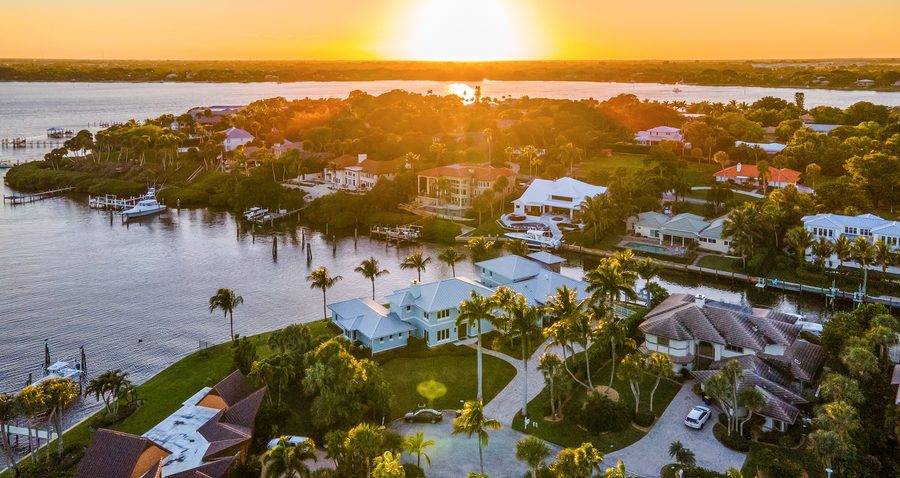
Life in Parkland, Florida runs on a different clock than most of Broward County. This is the city where the school run happens before 7:30 a.m., the loudest sound most evenings is a lawn sprinkler, and the biggest weekend decision is whether to hit Pine Trails Park or load the horses up at the Equestrian Centre. If you’re relocating and trying to picture what a real Tuesday looks like here, not the brochure version, this is that picture.
Parkland consistently ranks as one of Broward’s safest and quietest cities, and that reputation is earned. But “quiet” means something specific here. It means low commercial density, heavily gated single-family communities, and a daily rhythm built almost entirely around family logistics: school, sports, parks, and home. It does not mean close to the beach, and it does not mean a five-minute drive to anything resembling a downtown strip. Understanding that tradeoff before you move here matters more than almost anything else on this list.
Life in Parkland: What a Day Actually Looks Like in Broward’s Quietest City
Start with the morning. In most Parkland households with kids, the day begins between 6:15 and 6:45 a.m. Families zoned for Marjory Stoneman Douglas High School, Westglades Middle School, or one of the city’s strong elementary schools like Park Trails or Heron Heights are usually in the car or on the sidewalk by 7:15. Traffic inside Parkland itself is genuinely light compared to the rest of Broward. You’re not sitting through five cycles of a light on University Drive. You’re moving through quiet, tree-lined residential streets with a stop sign every quarter mile.
By 8:30, the school run is done and the second half of the morning starts. For a lot of residents, especially in communities like Heron Bay, Parkland Golf & Country Club, and Parkland Isles, this is when the neighborhood empties out. People are commuting, working from home, or heading to the gym at their community’s clubhouse. This is also when you start to notice what Parkland is missing on purpose: there’s no bustling main street with coffee shops stacked next to each other. If you want a coffee run that feels like an event, you’re driving a few minutes into Coral Springs.
Midday tends to be errands and appointments. Because Parkland is intentionally light on commercial zoning, the daily grocery run, pharmacy stop, and quick lunch almost always happen just outside city limits. More on exactly where in a minute. By early afternoon, the rhythm shifts again as school lets out and the neighborhood fills back up with buses, carpool lines, and kids heading to the parks.
For a household relocating from out of state, this rhythm is usually the biggest adjustment, bigger than the humidity, bigger than the HOA paperwork. If you’re coming from a city where daily life happens on a walkable grid, the first two weeks in Parkland can feel almost too quiet. Most transplants tell us the same thing by month two: the quiet stops feeling like a void and starts feeling like the point.
The Morning Commute Reality
Here’s the part most Parkland content skips, and it’s the single most important thing to understand before you buy here. Parkland sits in the far northwest corner of Broward County, close to the Everglades line. That location is exactly what gives the city its low-density, quiet feel. It’s also what makes the coast a real drive, not a quick trip.
If your job is in downtown Fort Lauderdale, expect 35 to 50 minutes each way depending on traffic and which corridor you take, usually University Drive down to the Sawgrass Expressway or I-95. If you’re commuting to Fort Lauderdale-Hollywood International Airport, add more time on top of that. Boca Raton is actually the closer draw for a lot of Parkland households, roughly 20 to 25 minutes north on the Sawgrass or Powerline Road, which is part of why Parkland pulls a good number of people who work in Boca but want Broward’s lower tax rate and Broward’s school district.
This isn’t a knock on Parkland. It’s a tradeoff, and it’s one you need to physically test before you commit, not estimate off a map. What looks like a clean 25-minute drive on paper can be a very different number at 7:45 on a weekday morning. If your daily life depends on being near the coast, that distance becomes a cost you pay every single day, not a one-time inconvenience.
Buyers relocating for remote or hybrid jobs handle this differently than buyers with a five-day office commute, and it’s worth being specific about the difference. If you’re in the office two or three days a week, Parkland’s location is close to a non-issue, you absorb the longer drive a couple times a week and get the quiet the other five days. If you’re commuting to a downtown Fort Lauderdale or Miami office five days a week, you need to run that actual drive at your actual departure time before you write an offer, not after closing. A 7:45 a.m. run down University Drive to the Sawgrass on a Tuesday will tell you more about whether Parkland fits your life than any listing photo will. If you want the deeper breakdown of this tradeoff alongside cost of living and school data, the Living in Parkland, Florida (2026) guide walks through it in full.
Midday: Parks, Errands, and the Equestrian Culture
Parkland’s identity as an outdoor, low-density city shows up hardest in the middle of the day. Pine Trails Park is the anchor for a huge share of daily life here. It’s got sports fields, a splash pad, an amphitheater, and enough open green space that it functions as the city’s unofficial town square. On any given weekday afternoon you’ll see stroller walks, after-school practices, and retirees doing laps on the paths.
The equestrian side of Parkland is not a marketing gimmick. This is one of the only cities in Broward County that still zones for horse property in parts of town, and the Parkland Equestrian Centre is an active, working part of daily life for a meaningful chunk of residents. You’ll see horse trailers on local roads, riders on designated equestrian trails, and full working stables tucked behind otherwise typical suburban streets. If that lifestyle matters to you, Parkland is genuinely one of the only options left this far south in Broward. If it doesn’t matter to you at all, it’s easy to live here for years and barely interact with it beyond seeing the trail signs.
Errands are the other daily reality. Because Parkland keeps commercial development deliberately minimal, most of the actual shopping, grocery stores, and pharmacies sit just across the city line in Coral Springs. That’s not a flaw, it’s the design. Parkland residents trade a five-minute grocery run for quiet, low-traffic residential streets and a much lower density of strip malls. It’s a conscious tradeoff the city has made for decades, and most longtime residents will tell you it’s the right one.
Retirees and empty nesters approach this midday rhythm differently than families do, and it’s worth naming that difference directly. Without a school schedule dictating the day, a lot of that free midday time in Parkland gets filled with the community clubhouse, the golf course at Parkland Golf & Country Club, or a walking group at Pine Trails. Parkland’s pace works well for that stage of life too, it’s just a quieter version of the same tradeoff: space and calm in exchange for distance from a busier commercial corridor.
Where People Actually Eat and Shop
If you’re picturing a Parkland with its own walkable downtown, adjust that expectation now. Parkland’s daily commercial life happens in a handful of small retail centers along Parkland’s edges (Publix-anchored plazas are the backbone) plus a short drive into Coral Springs and the Sawgrass Mills corridor for anything bigger.
For sit-down dinners, families rotate through a mix of local favorites and the broader Coral Springs and Parkland-adjacent restaurant scene. Doc’s All American Grill in Parkland is a genuine local institution and about as close as the city gets to a true neighborhood hangout. Beyond that, most dining nights involve a short drive to Coral Springs, Sawgrass Mills, or up toward Boca Raton for a wider selection.
Big-box shopping, Trader Joe’s, Whole Foods, and mall retail all live outside Parkland’s borders, generally a 10 to 20 minute drive depending on which corner of the city you’re in. This is one of the clearest signals of what Parkland actually is: a residential retreat, not a commercial hub. People who move here for the schools and the quiet accept that shopping and nightlife require leaving the city limits. People who want restaurants and retail within walking distance are almost always happier in Coral Springs or closer to the coast.
Worth naming specifically, since it comes up in almost every relocation conversation: Coral Springs’ Royal Palm Boulevard corridor and the Sawgrass Mills area cover most of what a Parkland household needs on a normal week, groceries, pharmacy, a wider restaurant selection, big-box retail. The honest math is that you’re not driving to a different city so much as driving to the next neighborhood over, it just happens to sit outside Parkland’s line on a map. For most residents that trip becomes so routine it stops registering as a “drive” at all, it’s just Tuesday.
Evenings and Weekends: What Families Actually Do
Evenings in Parkland are heavily kid-and-sports driven. Between travel soccer, Little League at Pine Trails, swim team, and equestrian lessons, a huge share of weeknight life is organized around practice schedules. Dinner is often quick and local, sometimes a Doc’s run, sometimes homemade, before homework and an early bedtime given the early school start times.
Weekends open things up. Saturday mornings often mean a farmers market or a family bike ride through one of Parkland’s many connected trail systems, since the city was master-planned with an unusually high number of parks and green corridors for a Broward suburb. Terramar Park and the city’s network of smaller neighborhood parks round out the options, so families rarely have to leave Parkland for a solid morning outdoors.
Saturday afternoons and Sundays are when the commute math flips into “worth it” territory for most residents: a beach day in Deerfield Beach or Fort Lauderdale, a mall trip to Sawgrass Mills, or dinner further south or east becomes a planned outing rather than a daily grind. This is the honest pattern in Parkland: weekdays are inward-facing and local, weekends are when residents cash in the drive for the coast, the malls, and the bigger dining scene.
Holidays and community events follow the same inward-facing pattern as the rest of the calendar. Parkland runs its own city-sponsored events, tree lightings, food truck nights at Pine Trails, National Night Out, and those tend to draw real turnout because there isn’t a competing downtown pulling residents elsewhere. If you’re the type of buyer who wants a strong sense of community identity rather than just a subdivision to sleep in, this is where Parkland actually delivers on that promise, and it’s a meaningfully different feel than you’ll get in a larger, more spread-out Broward city.
Schools Shape the Daily Rhythm
It’s impossible to talk about daily life in Parkland without talking about schools, because school zoning genuinely dictates the calendar here more than in most Broward cities. Marjory Stoneman Douglas High School and Westglades Middle School carry reputations that pull relocating families to Parkland by name, often before they’ve picked a specific neighborhood. Elementary options like Park Trails and Heron Heights carry similarly strong marks.
That reputation has real downstream effects on daily life. School functions, sports schedules, and parent group chats become a genuine social backbone for a lot of Parkland households. If you’re relocating with kids, expect the school calendar to essentially become your family’s master calendar. If you’re relocating without kids or with kids already grown, this is worth being honest with yourself about. A lot of what makes Parkland “Parkland” is downstream of the school system, and if that’s not driving your decision, you may be paying a premium for a lifestyle feature you won’t use daily.
There’s a financial layer to this too that catches out-of-state buyers off guard: Florida’s Save Our Homes cap resets when a home changes hands, so the property tax bill you inherit as a new buyer is usually higher than what the previous owner was paying, sometimes significantly. Families are often willing to absorb that reset specifically because of the school zoning, but you should run your own tax number with your lender or a local title company before you assume the seller’s current bill is what you’ll be paying. Skipping that step is one of the most common budget surprises we see with relocating buyers.
The Neighborhoods Behind the Lifestyle
Parkland is almost entirely organized into gated, master-planned communities, and which one you land in shapes your specific version of this daily rhythm. A few that come up constantly for relocating buyers:
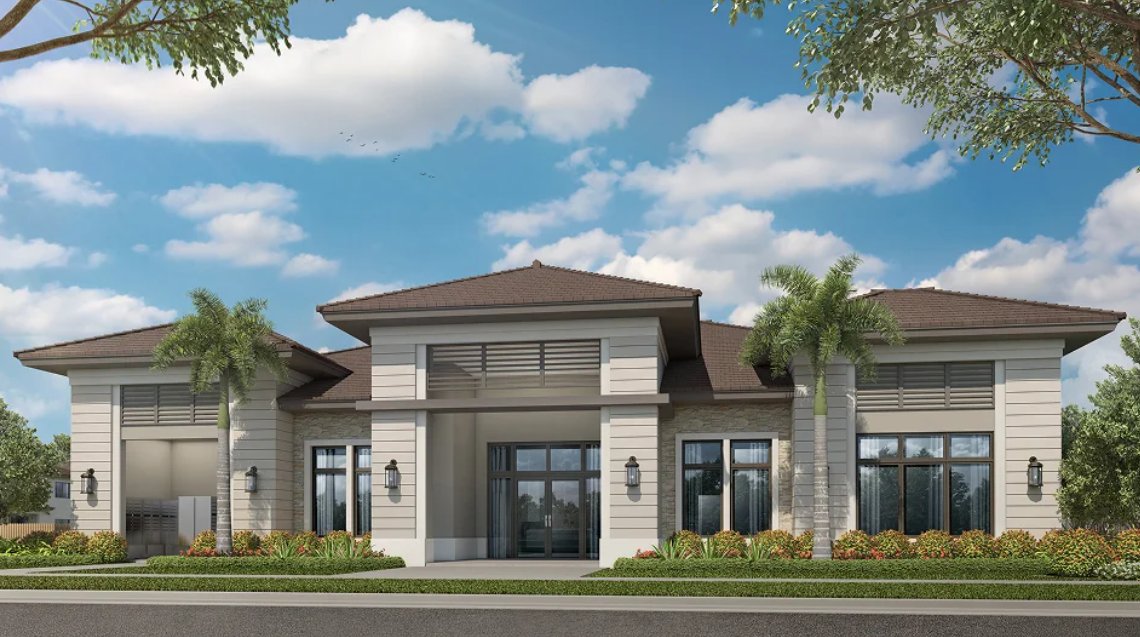
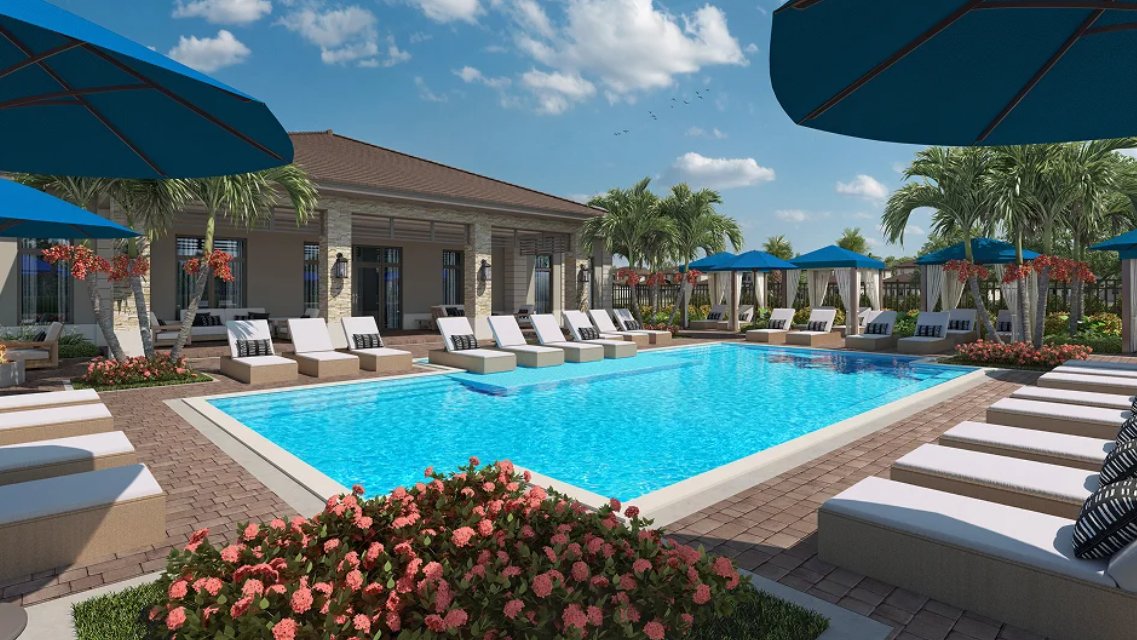
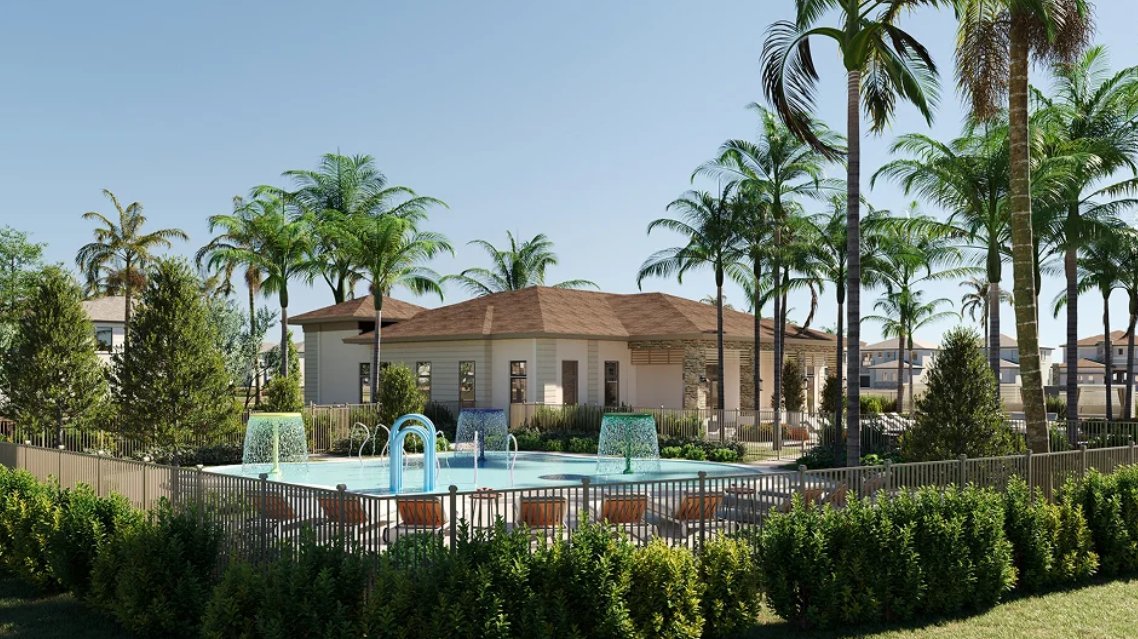
Heron Bay is one of the most established gated communities in the city, with mature landscaping and a full amenity package that includes its own clubhouse and pool circuit. Saltgrass at Heron Bay is one of the newer sections here, worth a look if you want new construction inside an already-mature, amenity-rich community rather than starting from scratch on raw land.
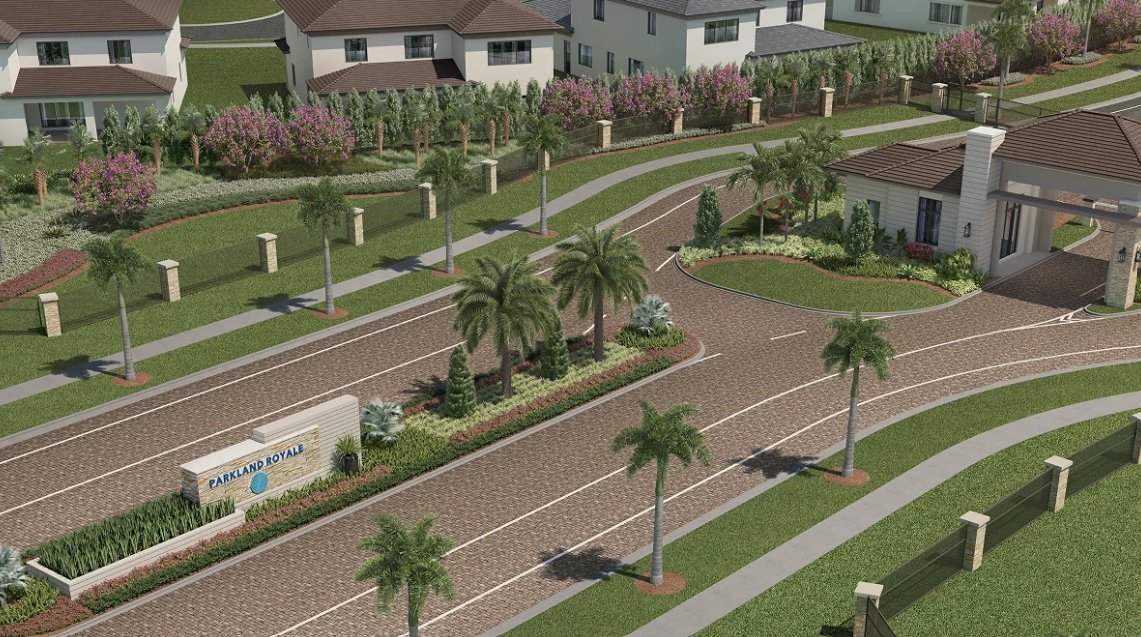
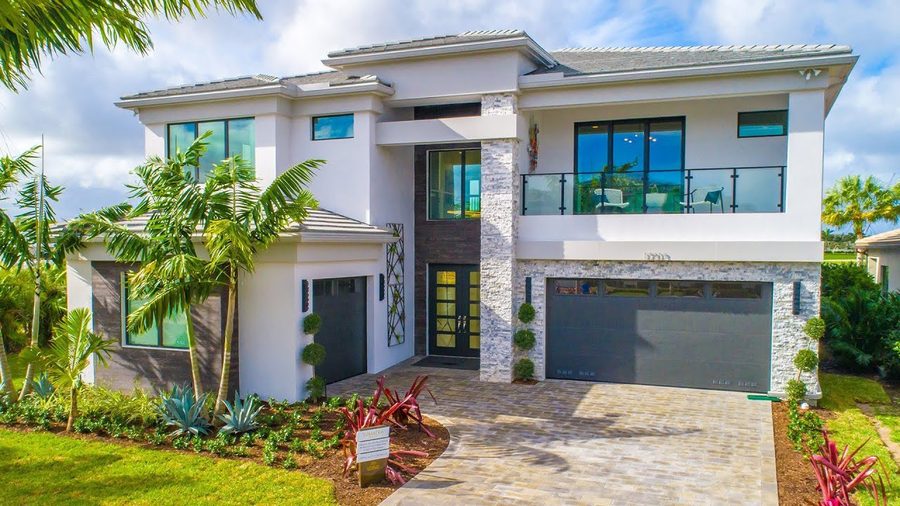
Cascata at MiraLago and Parkland Royale represent the newer wave of Parkland’s gated single-family product, generally larger homes on smaller lots than the city’s older communities, trading acreage for lower-maintenance living and newer floor plans. If you’re comparing what’s actually available to buy right now, the New Construction in Parkland breakdown covers current pricing and floor plans across these communities in detail, and the Parkland Royale by Lennar Review goes deep on that specific community’s plans, HOA structure, and who each floor plan actually fits.
Inside Parkland Royale specifically, the daily-life fit really does come down to floor plan, not just the community name. A family of four or five who wants real space and a formal dining room without a second independent living unit should start with the Crown Collection, the Barony or Kingsmont if a split three car garage matters, or the Valemont if you need a genuine fifth bedroom and a dedicated game room and don’t mind trading down to a two car garage. If you never want to deal with stairs again, the Astoria in the Monarch Collection is the only single-story plan in the community, full stop. Households with teenagers or in-laws who each want their own bathroom tend to land on the Marquis, with five and a half baths solving that math better than anything else on offer here. And if you’ve got a parent moving in or an adult child who needs real privacy, the Next Gen suite is worth confirming fits your actual situation before you fall in love with the rest of the floor plan.
Parkland Golf & Country Club anchors the city’s most golf-and-country-club-centric lifestyle, for buyers who want that specific daily amenity built into the neighborhood itself rather than driving to a separate club.
One honest note across nearly all of these: Parkland is largely a single price tier. There isn’t much of a “buy small here now, move up later within the same city” path the way there is in Coral Springs or Pembroke Pines. Most Parkland product starts well into the high six figures and climbs from there, and buyers stretching to hit that price floor should read the First-Time Buyer in Parkland breakdown before assuming this is a starter-home market, because it generally isn’t.
Is This Pace Right for You?
None of this makes Parkland a bad place to live. The schools are genuinely strong, the safety numbers are real, and the day-to-day pace is exactly what a specific kind of buyer is looking for: quiet streets, low crime, strong schools, and a slower rhythm built around family and home life rather than nightlife and walkability.
But “Broward’s quietest city” and “right for you” are two different questions, and the honest answer depends entirely on what your actual daily pattern looks like. If your work and social life orbit the coast, downtown Fort Lauderdale, or Miami, the commute is a real, recurring cost you’ll pay every weekday, not a one-time inconvenience you adjust to. If your household doesn’t have school-age kids, a meaningful part of Parkland’s daily social fabric (school functions, sports schedules, the parent network) simply won’t apply to you the same way. And if you’re stretching your budget to hit Parkland’s price floor, you should go in with clear eyes on HOA dues, CDD assessments, and what those numbers actually look like line by line before you sign anything, ask your agent to get those figures in writing, not a verbal estimate, before you write an offer.
Run through it plainly before you tour a single home. Coming from out of state with two kids under twelve and a hybrid job that’s in a Fort Lauderdale office two days a week: Parkland fits well, the commute is manageable at that frequency and the schools carry real weight for that stage of life. A retired couple who wants restaurants and a farmers market within walking distance: Parkland will feel isolating, and Coral Springs or a coastal community is probably the better fit. A first-time buyer trying to stretch into a starter home under $500,000: Parkland’s price floor makes that a difficult market here, and the First-Time Buyer in Parkland guide will show you where that budget actually goes further.
If you want the full financial and lifestyle picture side by side, the Parkland, Florida: The Complete Relocation Guide for 2026 is the best next stop, and if you’re weighing Parkland as a rental or long-term hold rather than a primary home, the Parkland Investment Property breakdown lays out the actual numbers rather than the pitch.
Parkland works exceptionally well for the family that wants top-tier Broward schools, gated community amenities, and a genuinely quiet street to come home to, and is willing to trade beach proximity and walkable retail for it. It works less well for buyers chasing a starter price point, a walkable lifestyle, or a short coastal commute. Know which one you are before you tour a single model home.
More articles you might like
Is Cascata at MiraLago Worth It? An Honest Look at GL Homes's Parkland Community
16 min readIs Saltgrass at Heron Bay Worth It? An Honest Look at Toll Brothers's Parkland Community
13 min readIs Parkland Royale Worth It? An Honest Look at Lennar's Guard-Gated Parkland Community
14 min readCascata at MiraLago in Parkland: The New Construction Guide (Floor Plans, Pricing, What to Know)
15 min readParkland Royale Floor Plans Explained (2026): Sizes, Layouts, and Which One Fits
14 min read