Is Cascata at MiraLago Worth It? An Honest Look at GL Homes's Parkland Community
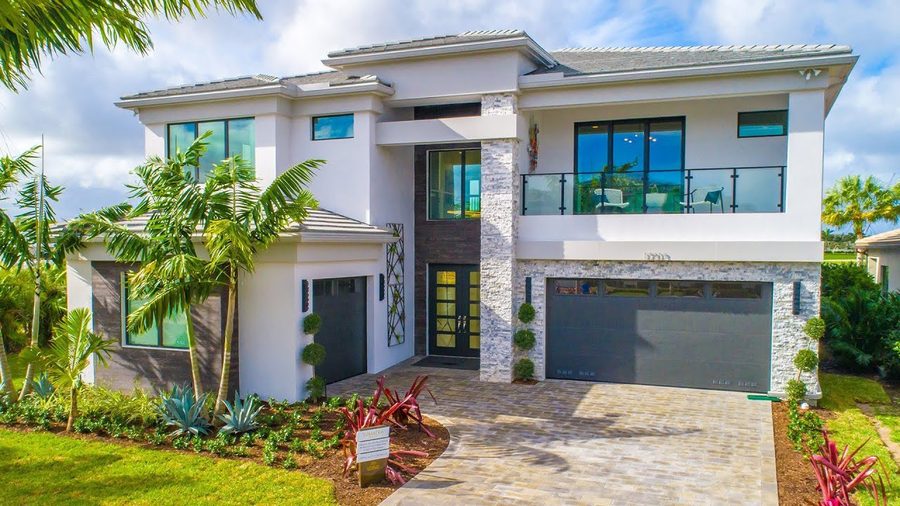
Is Cascata at MiraLago worth it? The honest answer is: it depends on what you’re optimizing for. If you’re buying for the school zoning, the lot sizes, and the resort-style lifestyle GL Homes is known for, yes, it’s worth a serious look. If you’re buying purely on price per square foot or you need to close in the next 60 days, there are better plays in Parkland and just outside it. This is the breakdown I give clients before they walk into the sales center, not after.
I’ve walked this community with enough buyers now to know the pitch by heart. What I want to do here is give you the version that doesn’t come from a sales rep, the real numbers, the real tradeoffs, and who this community actually serves.
What You’re Really Paying For at Cascata at MiraLago
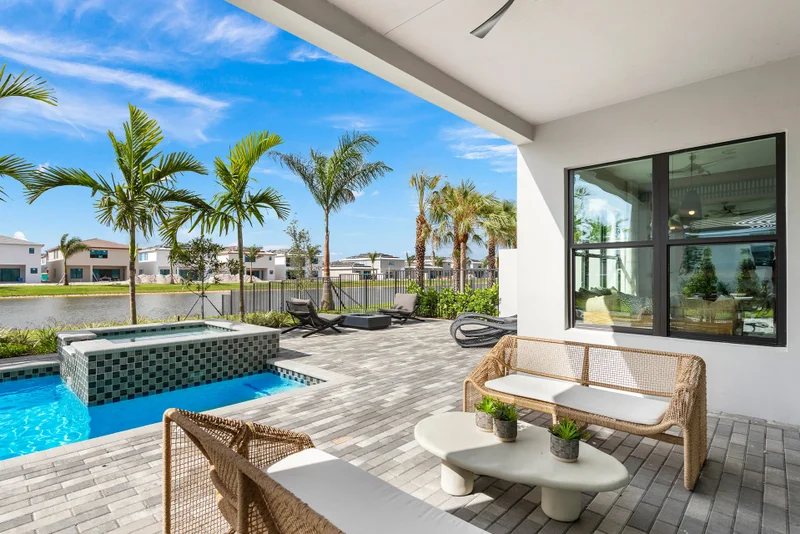
GL Homes built its reputation in South Florida on a specific formula: bigger lots than the competition, heavier amenity packages, and a level of finish that reads more custom than production. Cascata at MiraLago follows that formula. You’re not just buying a floor plan here, you’re buying into a master-planned lifestyle with resort-style pools, clubhouse programming, and the kind of landscaping and gate presence that signals “established community” rather than “still under construction.”
That matters because Parkland has no shortage of new construction right now. Parkland Royale from Lennar and Saltgrass at Heron Bay from Toll Brothers are both active in the same city, pulling from the same buyer pool. Cascata’s differentiator isn’t location exclusivity, it’s the GL Homes product itself: larger homesites, a more mature amenity center, and design-center customization that lets you actually personalize the home rather than pick from three pre-set packages.
Right now GL Homes has design-center credits active on select inventory homes at Cascata. That’s real money on the table, but it varies home by home and changes without much notice. Before you walk into the sales center, call me. I can tell you which inventory homes actually have a credit worth chasing versus which ones are priced to make the “credit” a wash.
I want to be specific about what “resort-style” actually means here, because that phrase gets thrown around by every builder in South Florida until it’s meaningless. At Cascata, it means a clubhouse built to function as a real social hub, not a leftover sales office repurposed after the community sold out. It means a resort pool with a separate lap lane, not one pool trying to do both jobs badly. It means programmed events, fitness classes, and a lifestyle director whose whole job is to make sure the amenities actually get used instead of sitting empty on a brochure. If you’ve toured a community where the “resort pool” is a glorified rectangle next to an empty cabana, you’ll notice the difference here immediately.
The Lot Size Difference Is Real
If you’ve toured other Parkland new construction, you’ve probably noticed how tight some of the newer lots have gotten as land gets scarcer. GL Homes has historically protected lot size as a selling point, and Cascata is no exception. For buyers coming from a townhome or a smaller single-family lot elsewhere in Broward, this is often the single biggest “aha” moment on the tour. Yard space, side setbacks, and the general feeling of not being able to touch your neighbor’s fence from your own patio, that’s worth something real if outdoor space matters to your family.
I had a client last quarter, a family of four relocating from a townhome in Coconut Creek, who told me flat out that the yard was the deciding factor over floor plan. They’d looked at three other Parkland communities where the lots were noticeably narrower, and the difference wasn’t subtle once they stood in the backyard of a Cascata inventory home versus a comparable plan two streets over in a competing community. If you have kids, a dog, or you just want a pool someday without engineering a miracle around a ten-foot setback, walk the actual lot dimensions before you fall for the floor plan rendering.
The Location and Commute Math
Parkland sits in the far northwest corner of Broward County, and that positioning is both the appeal and the tradeoff. You’re getting distance from the density of Fort Lauderdale and the coastal corridor, more green space, and a suburban feel that’s increasingly hard to find closer to the water. What you’re trading is commute time.
If you work anywhere near downtown Fort Lauderdale, Las Olas, or the airport corridor, plan on 35 to 50 minutes each way depending on when you’re driving and which route you take. Sawgrass Expressway access helps, and it’s the road most Cascata residents will use to get south toward Coral Springs, Sunrise, and eventually I-595 or I-95. If your job is in Boca Raton or west Palm Beach County, the commute math actually improves, since Parkland sits close to the Broward/Palm Beach line.
This is the honest trade every Parkland buyer makes: you’re paying for land, schools, and lifestyle, and you’re accepting a longer drive to get to the coast, the airport, or downtown job centers. If your work is fully remote or hybrid with one or two office days a week, that tradeoff gets a lot easier to swallow. If you’re commuting five days a week to Brickell or downtown Miami, Parkland (Cascata included) is probably not the right geography, full stop.
It’s also worth running the commute math at the actual time you’d be driving it, not off Google Maps at 11am on a Tuesday. Sawgrass Expressway traffic heading south between 7 and 8:30am is a different experience than the same drive at 10am. I tell clients to do a test drive during their real commute window before they sign anything, twice if they can, once on a Monday and once on a Friday, since traffic patterns shift depending on the day. A 35 minute drive on paper can become a 55 minute drive in practice if you’re leaving at the wrong time, and that’s the kind of thing that erodes goodwill about a home purchase fast if you didn’t see it coming.
The HOA and CDD Math Nobody Explains Clearly
This is where I see buyers get surprised after closing, and it’s entirely avoidable if you ask the right questions before you sign. Cascata at MiraLago, like most GL Homes communities in this part of Broward, carries both an HOA and a CDD (Community Development District) assessment. These are two separate charges and they function differently.
The HOA fee covers the ongoing operation of the community: landscaping of common areas, amenity center staffing and maintenance, pool upkeep, and reserve funding for future repairs. This fee typically increases over time as the community matures and reserve requirements grow.
The CDD is different. It’s a public financing mechanism that paid for the infrastructure, roads, utilities, and amenity construction, upfront, and residents pay it back over time through an assessment that shows up on your property tax bill. CDD assessments can sometimes be paid off in a lump sum, but most buyers finance it as part of their annual tax bill for years. This is the number that catches people off guard when they run their own numbers off a Zillow estimate instead of the actual CDD schedule.
What to Actually Ask Before You Offer
Before you get emotionally attached to a floor plan, ask the sales rep (or better, ask me to pull it for you) for three things: the current HOA budget with the reserve schedule, the CDD payoff balance and remaining term for the specific lot you’re considering, and whether that CDD is a “fixed” assessment or one that can be prepaid to lower it. These three numbers, combined with your mortgage principal and interest, are your real monthly housing cost. I’ve had clients walk away from a home they loved because the CDD math didn’t work for their budget, and I’ve had others prepay the CDD at closing because it made more sense long term. Both are valid decisions. What’s not valid is not knowing the number until your first tax bill arrives.
Why This Trips Up Out of State Buyers Specifically
I see this most often with relocators coming from states that don’t use CDDs at all. If you’re moving from a state where property tax is a single predictable line item, a Florida tax bill with a CDD assessment layered on top can feel like a bait and switch, even when it was disclosed correctly the whole time. It wasn’t hidden, it just wasn’t explained in a way that landed. My advice to every relocating client is the same: don’t compare your future Florida tax bill to your current out of state tax bill and assume they behave the same way. Ask for the actual number in writing, run it against your budget the same way you’d run a mortgage payment, and build it into your affordability math from day one instead of discovering it in year one.
I go deeper into the specific dollar figures, floor plan by floor plan, in the Cascata at MiraLago Review (2026), which breaks down pricing, HOA, and CDD by home type. If you want the full new construction rundown, from site plan to availability, the Cascata at MiraLago new construction guide covers that in detail.
The School Zoning Case (Why Most Buyers Are Actually Here)
Let’s be direct about why most people end up at Cascata at MiraLago: the schools. Parkland sits inside one of Broward County’s highest-rated school districts, and that reputation is not marketing spin, it’s the actual driver of demand and resale value in this part of the county. Families relocating from out of state, or moving within South Florida specifically for education, treat Parkland as a short list item, and Cascata is one of the newer options inside that zoning.
If school zoning is your primary reason for considering this community, that’s a strong “yes” on the worth-it question. You’re paying a premium, but you’re paying it for something that doesn’t erode: the zoning doesn’t change because the community got a few years older, and it’s the reason resale demand in Parkland has stayed consistent even when other parts of Broward cooled off.
If schools aren’t a factor for you, either because you don’t have school-age kids or you’re planning to go the private school route regardless, you should weigh that premium much more carefully against communities with lower HOA/CDD stacks elsewhere in Broward.
I’ll add one more layer here that most builders won’t tell you: school zoning can shift boundaries as new schools open and district lines get redrawn to manage enrollment. It doesn’t happen often, and it’s not something to lose sleep over, but if a specific school assignment is the entire reason you’re buying, don’t just take the sales rep’s word for it. Confirm the current zoned school directly with Broward County Public Schools before you write an offer, not after. It’s a five minute phone call that protects the entire premise of your purchase.
Resale Considerations: What Happens When You Sell
New construction buyers rarely think hard enough about resale on day one, and then it’s the first thing they ask about five years later. Here’s the honest picture for Cascata at MiraLago.
On the positive side, the school zoning that drove your purchase will still be driving the next buyer’s purchase. That’s a durable demand driver, not a trend. GL Homes also tends to build communities that age well physically, the lot sizes and construction quality hold up, which matters when your home is eventually competing against newer product.
On the other side, you need to understand who you’re actually competing against when you list. Parkland has multiple active new construction pipelines right now, including Parkland Royale and Saltgrass at Heron Bay. A resale buyer shopping Parkland will cross-shop your home against brand-new inventory from Lennar and Toll Brothers, often with builder incentives and rate buydowns that a resale seller can’t easily match. That’s not a reason to avoid buying here, it’s a reason to price realistically and market smart when it’s your turn to sell, rather than assuming “Parkland always sells itself.”
There’s a timing element here too. The earlier you buy into a phased community like Cascata, generally the better your resale position, because you’re not competing against the builder’s own remaining inventory when you go to list. Once GL Homes sells through the community and moves on, resale sellers only compete against each other, not against a builder who can undercut you with incentives you can’t match. If you’re buying in an early phase now, that’s actually a point in your favor for the exit, even if it means living next to active construction for a while.
I wrote a parallel breakdown on whether Saltgrass at Heron Bay is worth it and whether Parkland Royale is worth it if you want to see how Cascata stacks up against the other two builders actively competing for the same buyer right now. If floor plan sizing specifically is your sticking point, the Parkland Royale floor plans breakdown is a useful side by side even if you end up choosing GL Homes.
Who Cascata at MiraLago Actually Serves
After walking enough buyers through this community, here’s who I think it genuinely fits, and who it doesn’t.
It’s a strong fit if you are:
A family relocating specifically for Broward’s top school zones and willing to pay for that certainty rather than gamble on a less established area. A move-up buyer who has outgrown a townhome or smaller lot and wants real yard space without leaving Broward County. A buyer who values amenities and community programming, resort pools, clubhouse events, a sense of an established neighborhood rather than a construction zone. Someone with a hybrid or remote work setup who isn’t fighting a daily 8am commute to the coast.
It’s probably not the right fit if you are:
A buyer whose top priority is the lowest possible monthly payment, since the HOA and CDD stack here is meaningful and should be budgeted like a second mortgage payment, not an afterthought. Someone who needs a five-day-a-week commute to downtown Fort Lauderdale or Miami and can’t absorb the drive time. A buyer purely chasing new construction incentives with no emotional pull toward Parkland specifically, since Saltgrass and Parkland Royale may offer more aggressive current promotions depending on the month.
A Third Scenario Worth Naming: The Undecided Relocator
I get a specific type of client fairly often, someone relocating to South Florida who knows they want new construction and knows schools matter, but hasn’t landed on Parkland versus Palm Beach County versus Doral yet. If that’s you, the honest answer is Cascata is worth touring, but it shouldn’t be your only tour. Spend a day comparing it against something like Everton in Lantana if Palm Beach County is even loosely on your radar, because the school zoning, commute math, and price stack are different enough that seeing them back to back will clarify what you actually value more than reading about it will.
Making the Decision Without Regret
Here’s what I tell every buyer looking at Cascata at MiraLago: don’t decide off the model home. The model home is designed to sell you on the lifestyle, and it does that job well. Your decision should be made off the actual numbers, the real HOA budget, the real CDD balance for your specific lot, and a real commute test at the time you’d actually be driving it, not a Sunday afternoon drive-by.
Walk the community twice if you can, once during a weekday morning and once on a weekend, so you see it functioning as an actual neighborhood, not just a sales center on its best day. Ask what’s still under construction versus what’s finished, since phased communities can mean years of active building noise and traffic depending on where your home sits in the build-out.
It also helps to talk to someone who already lives there, if you can arrange it. Sales reps are trained to sell the vision. A current resident will tell you whether the pool gets crowded on weekends, whether the amenity center programming actually happens or exists mostly on paper, and whether construction traffic is a daily annoyance or a non-issue depending on which section they’re in. I’ve connected clients with current homeowners before a purchase decision, and it’s changed the outcome more than once, in both directions.
The reality is Cascata at MiraLago is a good community built by a builder with a strong track record in this part of Broward. Whether it’s worth it for you specifically comes down to three things: how much you value the school zoning, how comfortable you are with the HOA and CDD math once you see the real numbers, and how much the commute to your actual daily life costs you in time. Get those three answers clearly before you sign, and you’ll know if this is your community or if Parkland Royale or Saltgrass at Heron Bay fits your situation better.
If you want the specific inventory home numbers, the current design-center credits, and the CDD payoff schedule for the lots available right now, reach out before you go to the sales center on your own. I’d rather you walk in with the real numbers in hand than find them out after you’ve already fallen for a floor plan.
More articles you might like
Is Saltgrass at Heron Bay Worth It? An Honest Look at Toll Brothers's Parkland Community
13 min readIs Parkland Royale Worth It? An Honest Look at Lennar's Guard-Gated Parkland Community
14 min readCascata at MiraLago in Parkland: The New Construction Guide (Floor Plans, Pricing, What to Know)
15 min readParkland Royale Floor Plans Explained (2026): Sizes, Layouts, and Which One Fits
14 min readSaltgrass at Heron Bay in Parkland: The New Construction Guide (Floor Plans, Pricing, What to Know)
13 min read