Palm Springs, FL Real Estate Market 2026: Prices, Trends & What Buyers Should Expect
If you’re researching the Palm Springs, FL real estate market in 2026, here’s the honest answer up front: this is a buyer’s market right now, single family homes are generally running between $380,000 and $440,000, condos and townhomes are landing in the $180,000 to $260,000 range, and you have real negotiating room that didn’t exist two or three years ago. Palm Springs isn’t a headline neighborhood. It doesn’t have a golf course entrance or a builder sales center with balloons out front. What it has is location, older CBS construction that’s held up, and prices that are still meaningfully lower than West Palm Beach, Lake Worth Beach, or the coastal zip codes fifteen minutes east. That combination is exactly why it deserves a serious, unglamorous look.
This guide covers what’s actually selling, what it costs, what your real monthly number looks like once you account for taxes and insurance, and who Palm Springs makes sense for. No hype, no “hot market” language. Just what’s true right now.
Where Palm Springs Sits in Palm Beach County
Palm Springs is a village, not a city, tucked between Lake Worth Beach to the south and Greenacres to the north, roughly bordered by Congress Avenue to the west and I-95 to the east. It’s small geographically but dense with rooftops, about 24,000 residents packed into a few square miles. Forest Hill Boulevard and 10th Avenue North are the main east-west corridors, and Congress Avenue is the commercial spine running north-south, lined with strip retail, medical offices, and JFK Medical Center right on the Palm Springs/Atlantis line.
The location is the entire pitch. You’re about 10 to 15 minutes from downtown West Palm Beach, 15 minutes from Palm Beach International Airport, and roughly 20 minutes from the island of Palm Beach itself if you’re headed to the beach. You’re also close to Palm Beach State College’s main Lake Worth campus. If your job, your doctor, or your family is anywhere in central Palm Beach County, Palm Springs puts you within a short drive of nearly all of it, without paying coastal prices.
Palm Springs FL Real Estate Market 2026: Prices, Trends & What Buyers Should Expect
Here’s the core data buyers need. Single family homes in Palm Springs are mostly older stock, built between the 1950s and 1980s, concrete block construction (CBS), one story, on lots that run smaller than what you’d find further west in newer suburbs. In 2026, that stock is generally pricing out between $380,000 and $440,000, with the wide range coming down to condition. An untouched 1970s ranch with original terrazzo and a dated kitchen sits at the low end. A fully renovated three bedroom with a new roof, updated electrical, and a modern kitchen pushes toward the top of that range or slightly past it.
Price per square foot is running roughly $260 to $300 depending on the pocket and renovation level. That’s meaningfully below West Palm Beach proper and well below anything with beach or Intracoastal proximity. It’s also below Palm Beach Gardens and Jupiter, where new construction and top rated schools push per-square-foot pricing higher across the board. If you’re cross shopping, our Jupiter vs Palm Beach Gardens comparison and West Palm Beach vs Palm Beach Gardens breakdown are worth reading side by side with this one, because the price gap between those markets and Palm Springs is the whole story for a lot of buyers.
Condos and townhomes tell a different story. There are several older condo communities in and around Palm Springs, plus a scattering of townhome developments, generally priced from $180,000 to $260,000. These units are smaller, often two bedroom, and appeal heavily to first time buyers and investors. Some of these buildings are 40 and 50 years old, which matters in Florida right now because of state mandated structural inspections and reserve funding requirements for older condo associations. Ask for the most recent milestone inspection report and the reserve study before you write an offer on anything built before 1990. This is not optional due diligence anymore, it’s the single most important document in a Florida condo purchase in 2026.
Inventory and Days on Market
Palm Beach County as a whole is sitting at roughly 9 to 10 months of supply heading into 2026, which is squarely a buyer’s market, and Palm Springs is tracking with or slightly above that county average. Homes here are sitting longer than they did in 2021 through 2023, average days on market has stretched into the 45 to 65 day range for most single family listings, and price reductions are common rather than rare. Sellers who priced based on 2022 comps are getting corrected by the market. For buyers, that means you can take your time, ask for inspections without feeling like you’ll lose the house to a cash offer sight unseen, and negotiate on price, closing costs, or both.
What’s Actually Driving Demand
Palm Springs demand comes from three groups: first time buyers priced out of Lake Worth Beach and West Palm Beach proper, investors buying rental property because the rent-to-price ratio still pencils better here than in coastal zip codes, and relocators who did the math and realized they don’t need to be directly on the water to be close to everything. There’s very little new construction happening inside Palm Springs itself, the village is essentially built out, so almost everything you’ll see on the market is resale. That’s a real difference from a place like Westlake, which is new construction from the ground up. If you want new construction and you’re willing to trade a slightly longer commute for it, our Westlake, FL Real Estate Market 2026 guide and Westlake Buyer’s Guide cover that alternative in detail.
What Buyers Should Realistically Expect to Find
Walk into Palm Springs expecting a one story, three bedroom, two bathroom home on a lot between 6,000 and 8,000 square feet, built with concrete block, somewhere between 1,200 and 1,800 square feet under air. Terrazzo floors under carpet or tile is common in the older homes. Roofs are the number one issue to check, a lot of this stock is due or overdue for replacement, and Florida insurers are increasingly strict about roof age, some won’t write a policy on a roof older than 15 to 20 years without a full inspection and possibly a four point inspection too.
Kitchens and bathrooms range from fully original 1970s to fully gut renovated with quartz counters and stainless appliances. There isn’t a consistent “Palm Springs standard,” you have to evaluate each home on its own renovation history rather than assuming a certain finish level based on the neighborhood. This is where working with someone who actually walks these streets matters, because two homes on the same block can be $80,000 apart in price for reasons that aren’t obvious from photos alone.
Garages are hit or miss. Some homes have a one car garage, plenty have carports or no covered parking at all. If a garage is a must have for you, narrow your search early, because it will eliminate a real chunk of the inventory.
HOA, CDD, and the Real Monthly Number
This is where Palm Springs quietly wins compared to newer Palm Beach County communities. Most single family neighborhoods here have no HOA whatsoever, because the homes predate HOA-governed development as the default model. That means no monthly dues, no architectural review board, no rules about what color you paint your door. Some townhome and condo communities do carry HOA fees, typically $150 to $400 a month depending on the amenities and the age of the building, and those fees cover things like roof maintenance, exterior insurance, and common area upkeep on the condo side.
There are no CDD fees in Palm Springs. CDD, or Community Development District, fees exist specifically to finance infrastructure in large new construction communities, roads, utilities, sometimes clubhouses and amenities, and since Palm Springs isn’t building new master planned communities, that cost simply doesn’t exist here. Compare that to a new construction community west of the city, where CDD fees can add $150 to $300 or more per month on top of the mortgage. If you want to see exactly how that math works in a real new construction community, our breakdown of Agave Boca in Boca Raton walks through floor plans and true monthly costs including HOA and CDD line by line.
What you can’t avoid in Palm Springs is property taxes and insurance, and both matter more than people expect. Florida homeowners insurance has climbed significantly over the past several years, and older CBS homes with original roofs or older electrical panels (particularly aluminum wiring or Federal Pacific panels in some 1960s and 70s homes) can be harder and more expensive to insure. Get a real insurance quote before you go under contract, not after. It’s the single most common surprise that derails buyers in this price range.
Neighborhoods and Pockets Within Palm Springs
Palm Springs isn’t one uniform grid. The area closer to Forest Hill Boulevard and Kirk Road tends to have slightly larger lots and a mix of renovated and original homes. Streets closer to Congress Avenue sit nearer the commercial corridor, which some buyers like for convenience and others avoid for noise and traffic. The pockets north toward 10th Avenue North blend into Greenacres, and pricing there tracks closely with what you’ll see just across that line.
If you’re cross shopping the broader area, it’s worth reading our Best Palm Beach County Suburbs for Families Relocating in 2026 piece, because Palm Springs comes up as a value play in that comparison against places like Royal Palm Beach, Wellington, and western Boynton Beach. It’s not the flashiest suburb on that list, but it’s consistently one of the most affordable ways to stay central.
Schools
Palm Springs falls within the School District of Palm Beach County, and zoning depends on the exact address, so this is not a “one school for the whole village” situation. Families should verify zoning for any specific address directly with the district before writing an offer, addresses on opposite sides of the same street can sometimes zone differently. Generally, Palm Springs area schools are solid, not the top rated schools you’d find in Palm Beach Gardens or Jupiter, but serviceable, and that’s part of why home prices here sit where they do. If school ratings are your top priority, that’s a real tradeoff to weigh, and it’s exactly the kind of decision our Jupiter vs Palm Beach Gardens comparison digs into for families willing to pay more for school district strength.
Commute and Everyday Life
The honest sell on Palm Springs is convenience. I-95 access is fast from almost anywhere in the village, the Florida Turnpike isn’t far either, and Congress Avenue gets you to shopping, medical care, and JFK Medical Center without a long drive. Downtown West Palm Beach, Clematis Street, and the West Palm waterfront are a short 10 to 15 minute drive. Palm Beach International Airport is closer still. If you commute to downtown West Palm Beach for work, or you fly frequently, the drive time savings compared to living further west in Wellington or Royal Palm Beach adds up over a year in a way people underestimate until they’ve lived both versions.
It’s not a walkable, downtown lifestyle. This isn’t Lake Worth Beach with its arts district and walkable Lake Avenue, and it’s not Wilton Manors style urban living. Palm Springs is a drive-everywhere suburb, practical rather than picturesque, and buyers should go in with that expectation rather than discovering it after closing.
Who Palm Springs Actually Fits
Palm Springs makes the most sense for buyers who want central Palm Beach County location without central Palm Beach County pricing, first time buyers who need to stretch their budget as far as possible while staying close to work and family, and investors looking for rental property where the numbers still make sense relative to purchase price. It makes less sense for buyers who want new construction, a strong HOA-managed aesthetic, top tier school ratings, or a walkable downtown feel. Those buyers are better served looking at Westlake for new construction, or Jupiter and Palm Beach Gardens for schools, both of which we cover in the comparison guides linked above.
If you’re weighing Palm Springs specifically, our companion pieces, the Buyer’s Guide to Palm Springs, FL and Is Palm Springs a Good Place to Live? Honest 2026 Review, go deeper on day to day life, safety, and what long time residents actually say about living here. Read this market piece for the numbers, then read those for the ground-level reality.
How Palm Springs Compares to Nearby Suburbs
Set side by side with its neighbors, Palm Springs is consistently the value option. Lake Worth Beach offers more walkability and arts culture at a similar or slightly higher price point. Greenacres runs close in pricing with a similar older housing stock. Royal Palm Beach and Wellington sit further west, generally newer construction, larger lots, more HOA-governed communities, and higher price points. West Palm Beach proper commands a real premium for downtown and waterfront proximity. Palm Beach Gardens and Jupiter are a different tier entirely, both in school ratings and in price, and both are worth reading about directly if that’s genuinely your target market rather than a stretch goal.
The pattern across all of these comparisons is the same: you’re trading polish and amenities for location and price. Palm Springs sits close to the middle of Palm Beach County geographically and close to the bottom of it price-wise, and for a specific kind of buyer, that combination is exactly right.
What to Do Before You Make an Offer in Palm Springs
A few things matter more here than in newer construction. First, get a full four point inspection and a wind mitigation inspection before you commit to a home, both will directly affect your insurance quote and your ability to get coverage at all. Second, ask for the age of the roof and the electrical panel specifically, aluminum wiring and older panel brands can be insurance dealbreakers even if the home shows fine cosmetically. Third, if you’re looking at a condo or townhome, request the milestone inspection report and the association’s reserve study before you go under contract, Florida’s post-Surfside condo laws make this essential, not optional. Fourth, get a real insurance quote in writing before your inspection period ends, not an estimate, an actual quote, because the gap between what buyers expect to pay and what they’re actually quoted has become one of the most common deal-breakers in this price range statewide.
The Bottom Line on Palm Springs in 2026
Palm Springs FL real estate in 2026 is not a market defined by hype, new amenities, or bidding wars. It’s defined by location and price, in a county where both of those things have gotten harder to find together. Single family homes are running $380,000 to $440,000, condos and townhomes are $180,000 to $260,000, inventory is sitting around 9 to 10 months of supply, and buyers have real leverage to negotiate for the first time in years. It won’t be the right fit for buyers chasing new construction or top rated schools, but for buyers who want to stay central in Palm Beach County without paying coastal prices, it remains one of the most straightforward value plays in the area.
If you’re seriously considering Palm Springs, or trying to decide between Palm Springs and one of its neighbors, reach out and walk through your specific budget and priorities. The right answer depends less on what’s trending and more on what actually fits your life, and that’s worth a real conversation before you start touring.
Watch: learn more
Go deeper with my South Florida Insider videos.

The Best Flex-Space Townhome in West Palm Beach: Pulte's Nautical Plan
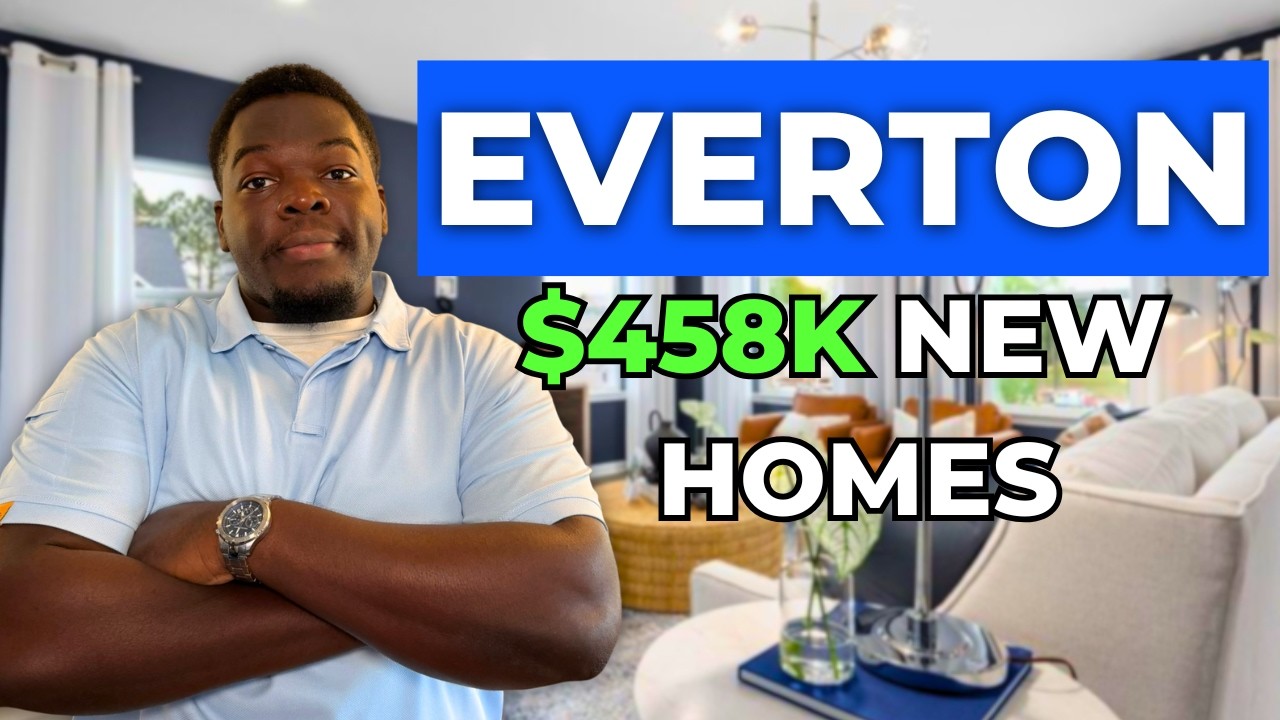
Inside Everton's Latitude II Model: $458k New Homes In Palm Beach
The Best Flex-Space Townhome in West Palm Beach: Pulte's Nautical Plan
More articles you might like
Buyer's Guide to Palm Springs, FL: What to Know Before You Purchase
13 min readIs Palm Springs a Good Place to Live? Honest 2026 Review
17 min read
Coconut Creek Real Estate Market (2026): Prices, Trends, and What It Means for Buyers
18 min read
Weston Real Estate Market Update: Prices and Conditions in Mid-2026
13 min read
Westlake, FL Real Estate Market 2026: Prices, Trends & What Buyers Should Expect
13 min read