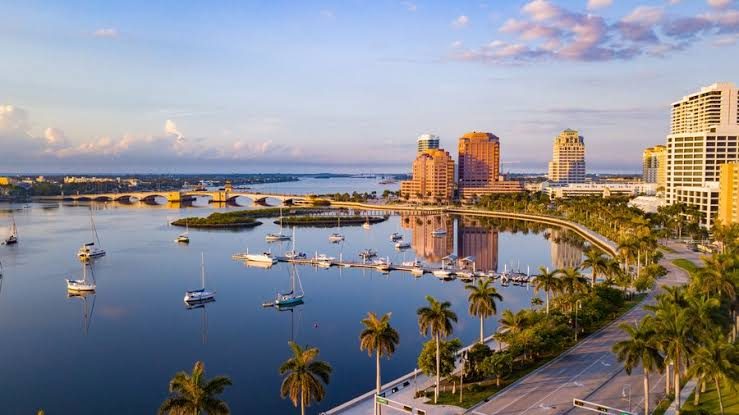
Buyer's Guide to Palm Springs, FL: What to Know Before You Purchase
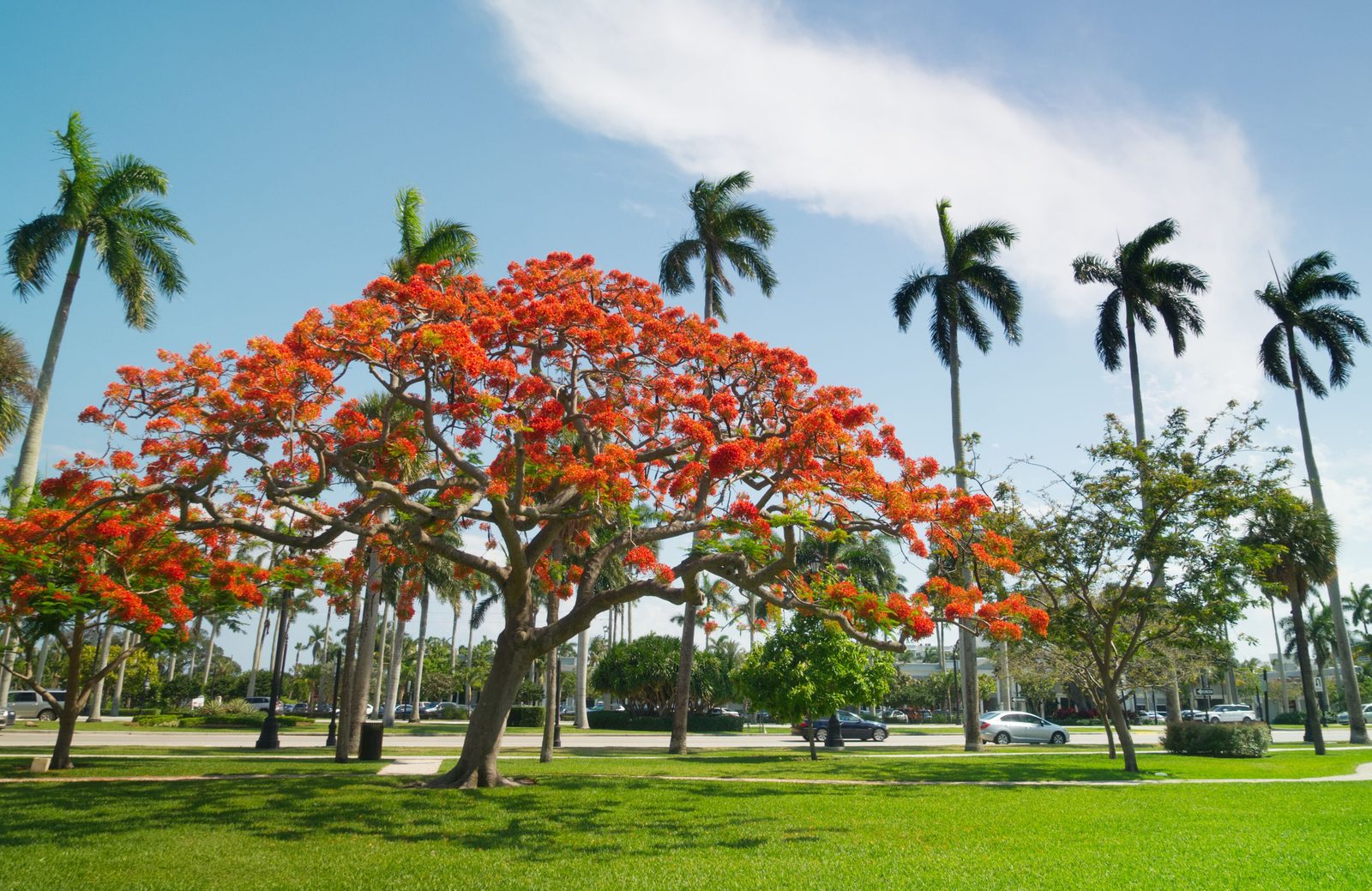
If you’re putting together a buyer’s guide to Palm Springs, FL, what to know before you purchase comes down to this: you’re buying into one of the last genuinely affordable towns in Palm Beach County, but almost everything on the market was built between the 1950s and the 1990s, which means your due diligence needs to focus on the bones of the house, not the finishes. This isn’t a new construction market. It’s an established, centrally located, no-frills town where the value is in the dirt and the location, not the granite countertops.
Stanley here. I get versions of the same question from relocating families and investors every month: “Is Palm Springs worth looking at, or should I just go straight to Lake Worth Beach or Greenacres?” The honest answer is that Palm Springs deserves its own conversation. It’s not flashy, it doesn’t have a downtown you’d put on a postcard, and it’s not going to show up in a “best of South Florida” listicle. But if you understand what you’re buying and you go in with your eyes open, it’s one of the smarter plays left in central Palm Beach County.
What Palm Springs Actually Is
Palm Springs is a small, densely built municipality sitting almost dead center in Palm Beach County, wedged between Lake Worth Beach to the south, Greenacres to the west, and West Palm Beach to the north and east. It incorporated back in 1957, and the housing stock reflects that: block-construction ranch homes, a handful of canal-front streets, some 1980s and 1990s infill, and a scattering of condo and townhome communities built over the decades as the town filled in.
There’s no beach in Palm Springs. There’s no walkable “main street” scene. What there is: a genuinely central location. You’re roughly 10 to 15 minutes from downtown West Palm Beach, close to Palm Beach International Airport, minutes from both I-95 and Florida’s Turnpike, and a short drive to John Prince Park, the 726-acre county park with a lake, a golf course, walking trails, and one of the better dog parks in the county. For buyers who care more about commute time and monthly payment than curb appeal, that combination is hard to beat.
If you want the deeper market-level view (inventory, days on market, how Palm Springs compares to its neighbors), we cover that separately in the Palm Springs, FL Real Estate Market 2026 update. This guide is about the buying decision itself.
Buyers Guide to Palm Springs, FL: What to Know Before You Purchase (Price Ranges)
Here’s what you really need to know about pricing before you start touring: Palm Springs is not a single price band, it’s three distinct tiers depending on age, lot, and whether you’re on a canal.
Condos and townhomes
The entry point into Palm Springs is almost always a condo or townhome, and you’ll typically see these start in the low $200,000s and run up into the $300,000s depending on size, age, and whether the community has been through a recent roof or structural reserve study. Palm Beach County condo associations have been under real financial pressure since the state’s post-Surfside structural inspection and reserve funding requirements kicked in, so before you fall for a unit’s price, ask for the association’s most recent structural integrity reserve study and its current reserve balance. A cheap purchase price with an underfunded reserve fund can turn into a five-figure special assessment within a year or two of closing.
Single-family ranch homes (the core of the market)
This is where most Palm Springs buyers land. A 3-bedroom, 2-bath, 1950s to 1970s concrete block ranch home, somewhere between 1,200 and 1,800 square feet, typically runs from the mid $300,000s to the low $500,000s depending on how updated it is. Homes that have had a real renovation (updated electrical panel, newer roof, updated kitchen and baths, impact windows) sit at the top of that range. Homes that are original or lightly updated sit at the bottom, and that gap is exactly where negotiating room lives in 2026’s buyer-friendlier market.
Canal-front and larger lots
Palm Springs has several canal-front pockets, mostly in the eastern and southern parts of town, where you’ll find larger lots, some with private docks providing water access toward the Intracoastal. These homes generally run from the high $400,000s into the $600,000s and occasionally higher for larger, fully renovated properties. If waterfront access is the draw, budget for a marine survey of the seawall and dock in addition to your standard home inspection. Seawall repair in Palm Beach County is not cheap, and it’s one of the most commonly deferred maintenance items on canal lots.
What Your Money Actually Buys in Palm Springs
The reality is that dollar for dollar, Palm Springs still buys you more square footage and more land than comparable listings closer to the coast in Lake Worth Beach or West Palm Beach proper. What you’re trading for that value is age. Most homes in Palm Springs are 40 to 70 years old, which means:
- Original cast iron or galvanized plumbing is still common in unrenovated homes. Get a sewer scope, not just a general inspection.
- Electrical panels from the 1960s and 70s (some Federal Pacific or Zinsco brands) show up regularly and can be a red flag for insurability. Ask your inspector to identify the panel brand specifically.
- Roofs on original homes are frequently past or near the end of their insurable life. Florida insurers are increasingly strict about roofs over 15 to 20 years old, and this single item can make or break your homeowners insurance quote and your closing timeline.
- Impact windows and doors are a mixed bag. Some homes have been retrofitted, many have not. This matters both for storm protection and for your insurance premium.
None of this means don’t buy in Palm Springs. It means budget differently than you would for new construction. A $420,000 Palm Springs ranch home with an original roof and panel isn’t actually cheaper than a $460,000 home two streets over with a 2019 roof and updated electrical, once you factor in what you’ll spend in year one.
New Construction and Infill Options
Here’s the honest answer buyers need before they go searching Palm Springs new construction listings: there isn’t much. The town is essentially built out. What you will find:
- Infill townhome and small multifamily projects. Builders occasionally pick up a handful of adjacent lots and build attached townhomes, usually 3 to 8 units at a time, priced from the $350,000s to $450,000s.
- Individual custom or spec rebuilds. A builder or investor tears down an aging ranch home and puts up a new 3 to 4 bedroom home on the existing lot, often listed in the $500,000 to $650,000 range depending on size and finishes.
- No master-planned communities. If you’re picturing a Pulte or Lennar-style gated community with a clubhouse, resort pool, and a builder sales center, that’s not what Palm Springs offers. For that experience in Palm Beach County, you’re looking farther west, in places like Westlake, where we’ve broken down the Westlake, FL Real Estate Market 2026 and put together a full Buyer’s Guide to Westlake, FL covering HOA and CDD costs, floor plans, and what the money buys out there. If you’re cross-shopping “established and affordable” against “brand new and master-planned,” those two guides plus this one will give you the real comparison.
If new construction is a must-have and you still want to stay close to central Palm Beach County, it’s worth widening your search to Boca Raton corridor projects like Agave Boca, though that’s a different price point and commute than Palm Springs.
Neighborhoods to Know
Palm Springs isn’t large enough to have dramatically different “neighborhoods” the way Miami-Dade or Broward suburbs do, but there are real distinctions worth knowing before you start touring:
The eastern canal streets
Closer to Congress Avenue and toward Lake Worth Beach, these streets have the canal-front lots and tend to command the highest prices in town. Older homes, larger lots, and the most water access.
The central grid
The bulk of Palm Springs’ housing stock sits in the classic mid-century grid west of Congress Avenue, straightforward block ranch homes on quarter-acre-ish lots, no water, no HOA in most sections. This is the heart of the affordable single-family market.
The western edge near Greenacres
As you move toward the Greenacres border, you’ll find a mix of slightly newer construction from the 1980s and 90s alongside some of the condo and townhome communities. This is generally the more budget-friendly end of the single-family range.
Because Palm Springs sits so close to both Lake Worth Beach and Greenacres, it’s genuinely worth cross-shopping all three. If your priority list includes good public schools and family-oriented layout over walkability, take a look at our roundup of the Best Palm Beach County Suburbs for Families Relocating in 2026 before you narrow your search to one town.
Schools, Commute, and Daily Life
Palm Springs falls under the Palm Beach County School District, with kids typically zoned to schools like Palm Springs Elementary, Tradewinds Middle, or Congress Middle depending on the specific address, and John I. Leonard High School as the zoned high school for most of the town. As with anywhere in Palm Beach County, verify the current zoned school for a specific address directly with the district before you write an offer. Boundaries shift, and the online zoning tools aren’t always current the week you’re touring.
On commute: Palm Springs’ entire value proposition rests on its location. You’re a few minutes from I-95, a few minutes from the Turnpike, close enough to Palm Beach International Airport to make it a non-issue, and roughly 10 to 15 minutes from downtown West Palm Beach on a normal day. If your job is anywhere along the I-95 corridor from West Palm Beach down through Lake Worth Beach and Boynton Beach, Palm Springs puts you in a genuinely central position without paying coastal prices.
Daily life here is low-key. You’re not walking to restaurants and there’s no downtown strip. Most day-to-day life happens in Lake Worth Beach, Greenacres, or West Palm Beach, all a short drive away. If that trade-off doesn’t work for your lifestyle, it’s worth reading our honest take on nearby Palm Springs living before you commit: Is Palm Springs a Good Place to Live? Honest 2026 Review covers the day-to-day reality beyond the numbers.
HOA, Flood Zones, and Insurance Reality
This is the section most buyers skip and regret skipping.
HOA: The majority of single-family homes in Palm Springs’ central grid have no HOA at all. That’s a real selling point if you’re coming from a heavily restricted community and want fewer rules and no monthly assessment. It also means there’s no shared entity maintaining common areas, drainage, or enforcing property upkeep on your street, so a quick drive-by of the block on a weekday (not just during a showing) tells you a lot. Condo and townhome communities do carry HOA or condo association fees, typically running from $250 to $500+ per month depending on the building’s age and amenities, and as mentioned above, you need the reserve study before you buy in.
Flood zones: Palm Springs sits at a modest elevation for South Florida, but flood zone designation varies street by street, especially near the canals. Pull the FEMA flood map for the specific address, not just the general area, and get an actual flood insurance quote during your due diligence period, not after closing.
Insurance: Given the age of most homes, this is the single biggest financial variable in a Palm Springs purchase. Roof age and type, electrical panel brand, and plumbing material all directly affect whether you can get a standard homeowners policy or whether you’re pushed toward Citizens or a surplus lines carrier at a meaningfully higher premium. Get a real insurance quote, not an estimate, before your inspection contingency expires. This one step prevents more last-minute deal collapses than anything else in a Palm Springs transaction.
The Due Diligence Checklist Before You Purchase
Make wise decisions here, not fast ones. Before you go hard on an offer in Palm Springs, work through this list:
- Full 4-point inspection focus areas: roof age and condition, electrical panel brand and age, plumbing material (cast iron, galvanized, or updated PEX/copper), and HVAC age.
- Sewer scope on any home built before 1985. This is cheap insurance against a five-figure repair.
- Insurance quote in hand before your inspection period ends, not after.
- FEMA flood zone lookup for the specific address, plus flood insurance quote if applicable.
- Seawall and dock inspection if the property is canal-front.
- HOA/condo reserve study for any condo or townhome purchase, specifically the structural integrity reserve study required under current Florida law.
- Zoned school confirmation directly with Palm Beach County School District if kids are part of the decision.
- Comparable sales in the last 90 days on the same street, not just the same zip code. Palm Springs’ pricing varies block to block based on canal access and renovation status, so a citywide average tells you very little about one specific house.
- Permit history check with the Town of Palm Springs building department for any additions, roof replacements, or electrical upgrades, to confirm they were done permitted and to code.
Who Palm Springs Is (and Isn’t) Right For
Palm Springs makes sense if you want a central Palm Beach County location, a real yard, no HOA, and you’re comfortable putting some money and attention into an older home rather than paying a premium for a brand-new one. It’s a strong fit for buyers who value commute and budget over walkability and amenities, and for investors looking at rental or renovate-and-hold strategies where the bones of the house matter more than the finish level on day one.
It’s probably not the right fit if you want new construction with a builder warranty, a master-planned community with resort-style amenities, or a walkable town center. For that experience, you’re better served looking at communities farther west in Palm Beach County, or comparing coastal energy versus suburban comfort in our breakdown of West Palm Beach vs Palm Beach Gardens, or the northern county comparison in Jupiter vs Palm Beach Gardens.
The reality is that Palm Springs rewards buyers who do their homework. It punishes buyers who show up expecting a turnkey experience and skip the inspection details because the price felt like a deal. If you go in with a real checklist, a real insurance quote, and a real sense of what you’re buying, it remains one of the more sensible entry points left in central Palm Beach County.
If you’re weighing Palm Springs against a specific street, a specific condo building, or another Palm Beach County suburb, reply or reach out and tell me the address or the community you’re looking at. I’ll give you the honest read before you write an offer.
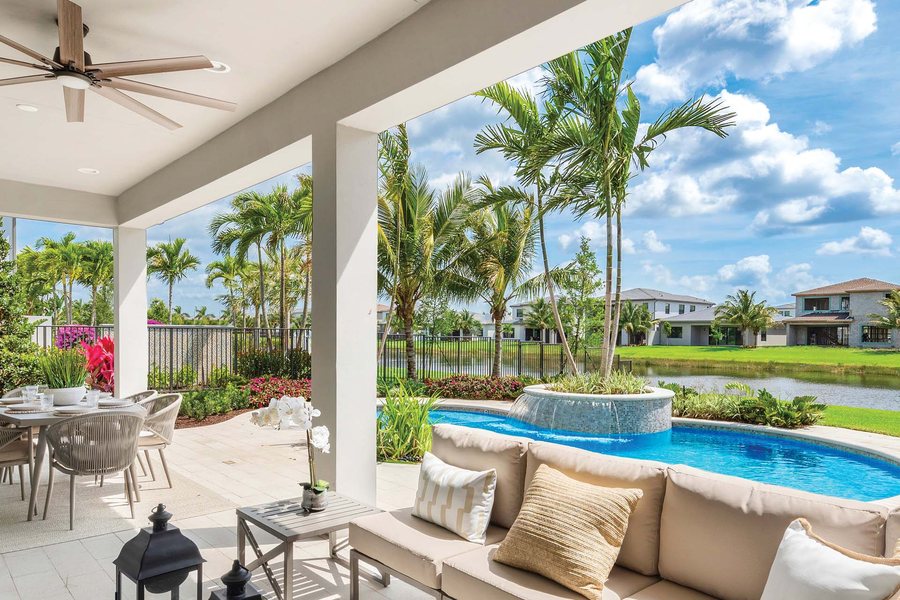
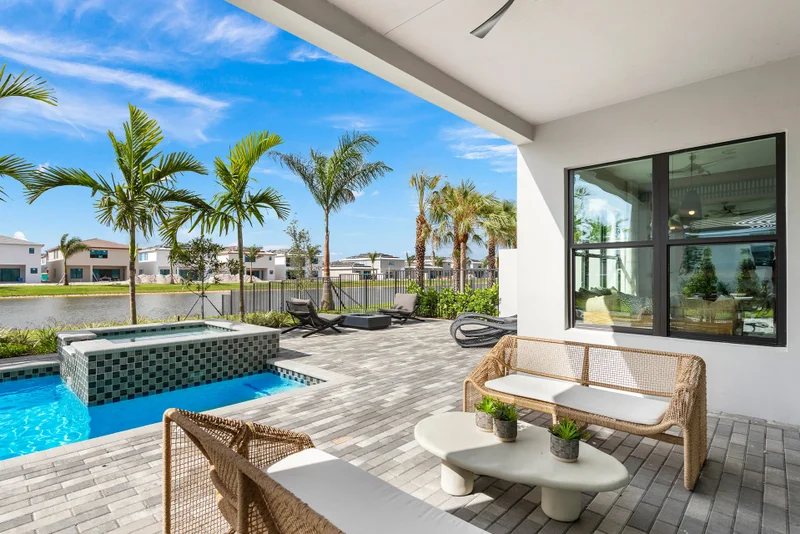
Watch: learn more
Go deeper with my South Florida Insider videos.
Solterra: Everything You Need to Know Before You Visit

The Best Flex-Space Townhome in West Palm Beach: Pulte's Nautical Plan
Inside Everton's Latitude II Model: $458k New Homes In Palm Beach
More articles you might like
Palm Springs, FL Real Estate Market 2026: Prices, Trends & What Buyers Should Expect
14 min readIs Palm Springs a Good Place to Live? Honest 2026 Review
17 min readHow to Choose the Best Suburb in Palm Beach County for Your Family (2026)
17 min read
Buyer's Guide to Westlake, FL: What to Know Before You Purchase
13 min read
Buyer's Guide to Tequesta, FL: What to Know Before You Purchase
18 min read