Buyer's Guide to Palm Beach, FL: What to Know Before You Purchase
If you’re putting together a buyer’s guide to Palm Beach, FL, what to know before you purchase comes down to three things: this is a scarcity market on a 3.75-mile barrier island, ownership structures here (especially co-ops) work differently than anywhere else in South Florida, and due diligence carries more weight than usual because of flood zones, seawalls, and a design review board that can slow down even a simple renovation. This guide walks through all of it, honestly, with real numbers and no fluff.
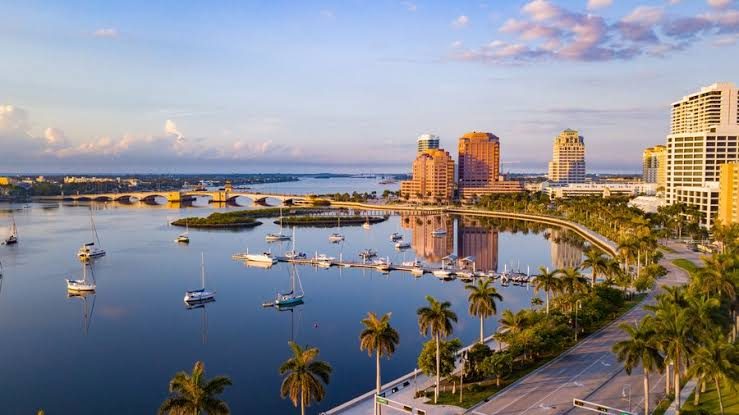
First, a clarification that trips up a lot of relocators: the Town of Palm Beach is not West Palm Beach. They sit across the Intracoastal Waterway from each other, connected by three bridges (Royal Park, Royal Poinciana/Flagler Memorial, and Southern Boulevard), but they’re two entirely different markets. West Palm Beach is a growing city with new towers, a downtown core, and a broader range of price points. Palm Beach the town is an island of roughly 4,000 to 10,000 residents depending on the season, home to Worth Avenue, The Breakers, Mar-a-Lago, and some of the most expensive residential real estate in the country. If your budget doesn’t stretch into island territory, it’s worth reading West Palm Beach vs Palm Beach Gardens: City Energy or Suburban Comfort? before you keep reading this one, because the mainland side of the county offers a completely different value proposition.
Palm Beach, FL Price Ranges in 2026
Palm Beach doesn’t have a “starter home” the way most South Florida markets do. Instead, think in tiers.
Condos, $700,000 to $2 million. This is the most accessible entry point, mostly in Midtown and the South End, in older mid-rise buildings from the 1960s through 1980s. Units are typically smaller (1,000 to 1,800 square feet), and many are in co-ops rather than true condominiums, which changes the buying process significantly (more on that below).
Condos and townhomes, $2 million to $5 million. Larger units, better buildings, closer to the ocean or Intracoastal, often with amenities like a pool, doorman, or covered parking. This is where you start seeing true condominium ownership (deeded, financeable) rather than co-op shares.
Single-family homes, South End and parts of Midtown, $2.5 million to $8 million. The South End is the most “normal” part of the island, smaller lots, more modest (relatively speaking) homes, and the closest thing Palm Beach has to a starter neighborhood for single-family buyers.
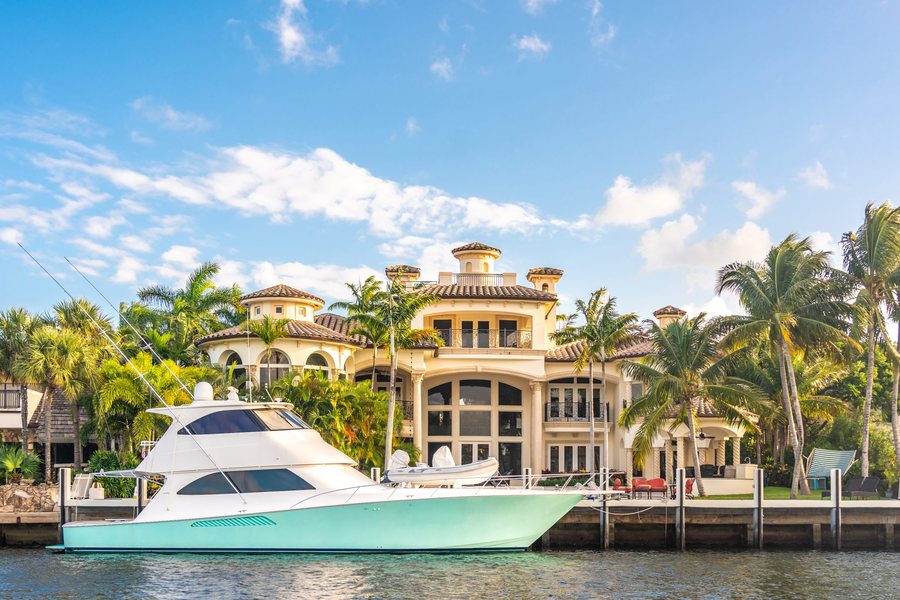
Single-family homes, Estate Section and North End, $10 million to $50 million. This is where the island’s reputation comes from: large lots, mature landscaping, architectural pedigree (Mizner, Fatio, Wyeth), and privacy.
Oceanfront and trophy estates, $30 million to $150 million-plus. South Ocean Boulevard and North Ocean Boulevard see the headline sales that make national news. These aren’t typical buyer transactions, they’re a different category of purchase entirely, often involving multiple parcels assembled into a single estate.
For full market data and trend direction, see Palm Beach, FL Real Estate Market 2026: Prices, Trends & What Buyers Should Expect.
What Your Money Actually Buys
Numbers alone don’t tell you much without context, so here’s what each tier actually gets you on the ground.
At $1 million, you’re likely looking at a two-bedroom co-op unit, a few blocks from but not directly on the water, in a building that was constructed before hurricane-era building codes tightened. You’ll want a home inspector who understands older concrete and plumbing systems, not just a generalist.
At $3 to $5 million, you move into either a nicer condo with real amenities, or a small single-family home in the South End, often on a lot under 8,000 square feet. These homes are frequently renovated rather than original, since teardown economics make sense even at this price point given land scarcity.
At $10 million-plus, you’re buying land as much as house. Many Estate Section and North End purchases at this level are effectively lot purchases where the existing structure gets gutted or demolished. Buyers in this tier should budget for ARCOM approval timelines (discussed below) as part of their purchase timeline, not as an afterthought.
Condo vs Co-op vs Single-Family: The Island’s Ownership Structures
This is the part of a Palm Beach buyer’s guide that catches people off guard, especially those relocating from Broward or Miami-Dade condo markets, where everything is a deeded condominium.
True condominiums are deeded real property, like anywhere else. You own your unit outright, can finance it through a conventional lender (subject to the building’s condo questionnaire and any Fannie Mae/Freddie Mac warrantability issues), and can sell or rent according to the association’s bylaws.
Co-ops are different. You’re not buying real property, you’re buying shares in a corporation that owns the building, along with a proprietary lease giving you the right to occupy a specific unit. Several older Palm Beach buildings are structured this way. The practical impact on you as a buyer:
- Many co-op boards require all-cash purchases, or cap financing at 50 percent of the purchase price.
- Board approval is not a formality. Some boards interview buyers in person and can reject a purchase without giving a reason, which is legal for private co-ops in Florida.
- Rental restrictions are often strict, some buildings prohibit renting entirely for the first year or more of ownership, which matters if you’re buying as an investment or pied-a-terre you might lease out occasionally.
- The approval process can take four to eight weeks after contract, so build that into your closing timeline from day one.
Before you write an offer on any co-op, ask your agent for the building’s financial statements, reserve study, and house rules. A building with a poorly funded reserve can hit owners with a large special assessment, and that’s a cost that doesn’t show up in the listing price.
New Construction and Teardown-Rebuild: Why There’s Almost No “New” on the Island
If you’re used to shopping new construction in Broward or the western suburbs of Palm Beach County, adjust your expectations here. The Town of Palm Beach is fully built out. There is no vacant land being platted into new communities, no builder sales centers, no Lennar or Pulte inventory on the island itself.
What passes for “new construction” in Palm Beach is almost always a teardown-rebuild: a buyer purchases an existing home (often one built decades ago), demolishes it, and builds new on the same lot. This happens constantly in the Estate Section and North End, where land value far exceeds the value of the structure sitting on it.
If you’re pursuing this route, know that every renovation and rebuild on the island goes through the Architectural Commission (ARCOM) and, for older or historically designated homes, the Landmarks Preservation Commission. These bodies review exterior design, scale, and materials, and they can require revisions before approving a permit. Timelines for approval plus construction on a full rebuild commonly run 18 to 30 months. If you’re buying with the intent to build, get a real read on ARCOM’s current posture toward your specific street and design style before you close, not after.
Neighborhoods and Corridors: North End, Midtown, South End, Estate Section
North End runs from around Wells Road up toward the Palm Beach Country Club and Sloan’s Curve area. Quieter, more residential, a mix of single-family homes and low-rise condos, generally a notch below Estate Section pricing while still commanding several million dollars for a home.
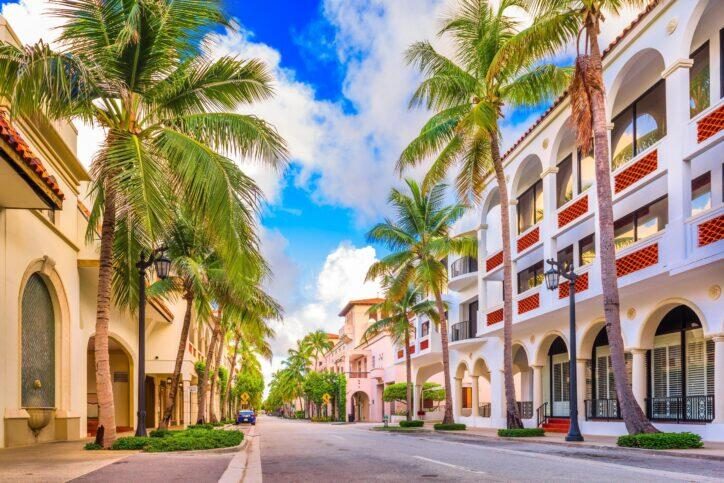
Midtown is the commercial and social heart of the island: Worth Avenue, Royal Poinciana Way, the Society of the Four Arts, and The Breakers. Condo and co-op inventory concentrates here, and it’s the most walkable part of the island.
South End is the most accessible single-family neighborhood, smaller lots, a grid layout, and the closest thing to attainable Palm Beach for a buyer who wants a house rather than a condo without a $10 million-plus budget.
Estate Section, west of South Ocean Boulevard and centered around the Everglades Club and Bethesda-by-the-Sea, is old-money Palm Beach: large lots, mature banyan and ficus canopies, and homes designed by the island’s namesake architects. This is where most of the trophy sales happen.
South Ocean Boulevard and North Ocean Boulevard are the oceanfront corridors, home to the estates that make headlines. Buying here means dealing directly with Coastal Construction Control Line rules and, in many cases, significant seawall or dune maintenance obligations.
The Buyer’s Guide to Palm Beach, FL: What to Know Before You Purchase (Due Diligence Checklist)
This is the section to bookmark. Before you go under contract on anything in Palm Beach, work through this list.
-
Confirm ownership structure. Condo, co-op, or fee-simple single-family. This changes your financing options, your closing timeline, and your resale flexibility.
-
Check the flood zone. Much of the island sits in FEMA flood zones AE or VE. Get the elevation certificate and understand your flood insurance premium before you fall in love with a property. On oceanfront and Intracoastal lots, ask about the condition of the seawall specifically, repairs run into six figures.
-
Ask about the Coastal Construction Control Line. Any property near the beach may fall within this state-regulated zone, which affects what you can build or rebuild and how.
-
Review association or co-op documents in full. Reserve studies, recent or pending special assessments, rental restrictions, pet policies, and board approval requirements. In Florida, condo associations are also now required to complete structural integrity reserve studies for buildings three stories and up, so ask directly whether the building has completed its milestone inspection and what it found.
-
Understand ARCOM if you’re renovating or rebuilding. Every exterior change on the island goes through architectural review. Ask your agent or a local contractor what ARCOM has approved or rejected recently on the same street.
-
Get a real inspection, not a rubber stamp. Many homes on the island are older. Confirm the age and condition of the roof, electrical panel, plumbing, and HVAC, and ask specifically about wind mitigation features, since that materially affects insurance cost.
-
Price out insurance before you write the offer. Wind and flood coverage on the island run meaningfully higher than mainland Palm Beach County. Get a quote during your due diligence period, not after closing.
-
Confirm financing eligibility early. If you’re financing rather than paying cash, ask your lender to review the building’s condo questionnaire (for condos) or the co-op’s financing policy before you’re deep into the contract.
-
Walk the property at high tide and after rain, if possible. Drainage and tidal flooding issues on the island are real in some low-lying pockets, and they don’t always show up on a sunny showing day.
-
Talk to a local agent about resale, not just purchase. Palm Beach is a relationship-driven market. Knowing which streets, buildings, and price points move quickly versus sit matters as much going in as it will going out.
Financing, Flood Zones, and Insurance Realities
Financing in Palm Beach isn’t always straightforward. Jumbo loans are the norm given the price points, and lenders will scrutinize co-op buildings more heavily than standard condominiums, some won’t lend on co-ops at all. Cash buyers have a real advantage in competitive situations, particularly in co-op buildings where boards often favor cash offers for the simplicity and certainty they provide.
Insurance is the other cost that surprises relocators. Between wind coverage, flood insurance in AE and VE zones, and in some cases surplus-lines carriers for older or oceanfront homes, annual premiums on a multi-million-dollar Palm Beach property can run into five figures or more. Factor this into your monthly cost of ownership the same way you’d factor in HOA or co-op fees, it’s not a rounding error.
Schools and Who Actually Lives Here
Palm Beach itself has a small year-round population, and many buyers are seasonal residents, retirees, or families who split time between the island and another primary residence. For buyers with school-age children as a primary consideration, most look toward the mainland for day-to-day school logistics, even while owning on the island. If schools and family-oriented suburbs are your priority rather than island exclusivity, it’s worth comparing Best Palm Beach County Suburbs for Families Relocating in 2026 and Jupiter vs Palm Beach Gardens: A Relocator’s Real Comparison for 2026 alongside this guide. Both give you a realistic look at family-focused alternatives without giving up proximity to the coast.
Comparing Palm Beach to the Mainland
A lot of buyers who start out searching “Palm Beach” actually mean the broader area, not the island specifically. If your budget or lifestyle points you toward the mainland, these are worth reading before you commit to a search strategy:
- Is West Palm Beach a Good Place to Live? An Honest 2026 Review covers the city directly across the Intracoastal, with a broader range of price points and a genuine downtown.
- Best Neighborhoods in West Palm Beach: An Honest 2026 Breakdown breaks down specific West Palm Beach areas the way this guide breaks down the island.
- West Palm Beach FAQ: 20 Questions Buyers Ask Before Moving (2026 Guide) answers the practical, logistical questions relocators ask most often.
The honest answer for most buyers: unless island living, ARCOM review, and co-op board approval are things you specifically want to take on, the mainland gets you more house, simpler financing, and a faster close.
Making the Decision
The reality is that buying in the Town of Palm Beach isn’t really a real estate decision, it’s a lifestyle decision that happens to involve real estate. You’re paying for scarcity on a barrier island where new supply essentially doesn’t exist, where co-op boards can say no without explanation, and where a rebuild means working with ARCOM rather than picking a floor plan from a builder’s website. None of that makes it a bad purchase. It makes it a purchase that rewards buyers who do their homework before they fall in love with a listing photo.
If you’re weighing Palm Beach against other parts of the county, or trying to figure out whether the island fits your actual life versus your idea of it, that’s exactly the kind of conversation worth having before you start touring. Reach out and tell me your price range and what you actually want your day-to-day to look like, and I’ll give you a straight answer on whether the island makes sense or whether the mainland gets you there faster and for less.
Watch: learn more
Go deeper with my South Florida Insider videos.
Solterra: Everything You Need to Know Before You Visit

The Best Flex-Space Townhome in West Palm Beach: Pulte's Nautical Plan
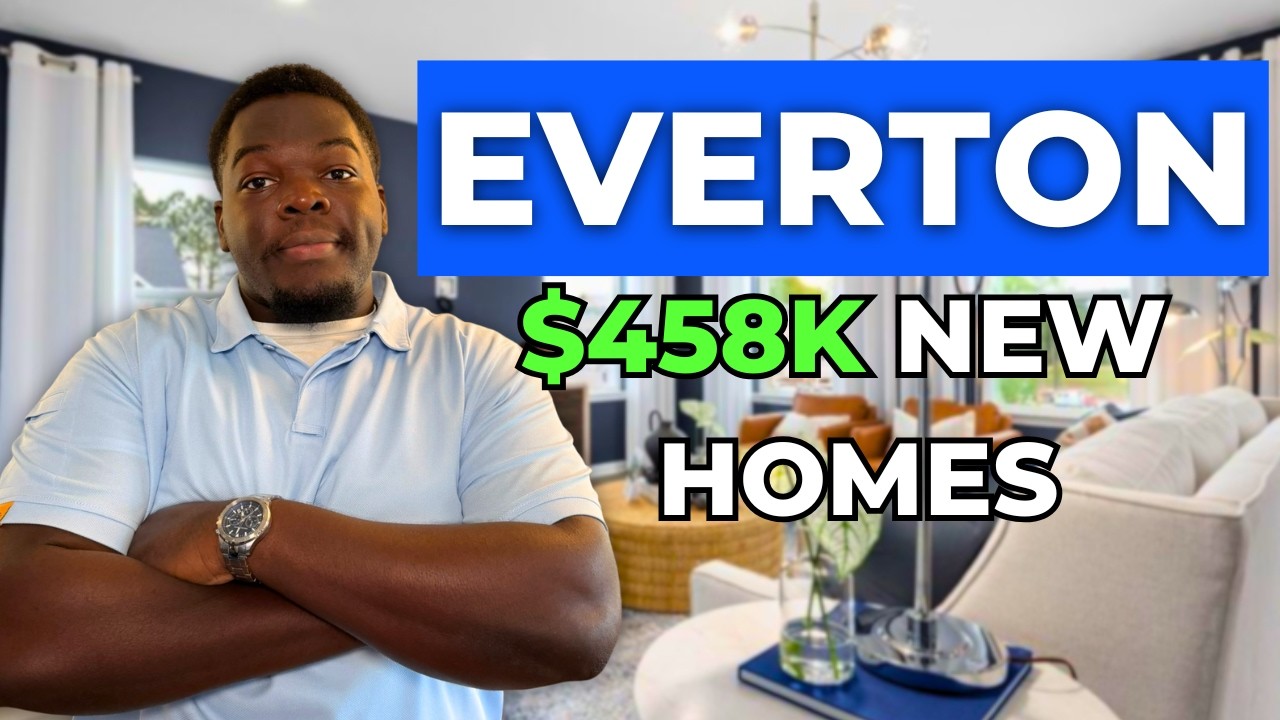
Inside Everton's Latitude II Model: $458k New Homes In Palm Beach
More articles you might like
palm-beach, FL Real Estate Market 2026: Prices, Trends & What Buyers Should Expect
13 min readIs palm-beach a Good Place to Live? Honest 2026 Review
18 min read
How to Choose the Best Suburb in Palm Beach County for Your Family (2026)
17 min read
Buyer's Guide to Westlake, FL: What to Know Before You Purchase
13 min read
Buyer's Guide to Tequesta, FL: What to Know Before You Purchase
18 min read