Moving to Jupiter, Florida: The Honest Relocation Guide for 2026
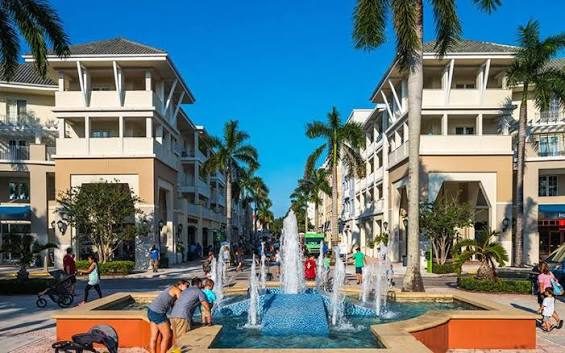
Moving to Jupiter, Florida: The Honest Relocation Guide for 2026
If you’re moving to Jupiter, Florida, here’s the honest answer up front: you’re buying into one of the last coastal Palm Beach County towns that still feels like a town, not a subdivision, but you’re paying for that. Median single-family home prices sit in the $650,000 to $900,000 range depending on distance from the water, HOA and CDD fees vary wildly by community, and the schools are genuinely good, not just marketed that way. This guide breaks down what it actually costs, which neighborhoods fit which kind of buyer, the school reality, and the parts of relocating here that nobody puts in a brochure.
Jupiter sits at the northern edge of Palm Beach County, bordered by Juno Beach to the south, Tequesta and Martin County to the north, and the Loxahatchee River and inland preserve land to the west. It’s smaller and less dense than Palm Beach Gardens or Boca Raton, which is exactly why people move here. It’s also why the buy-in is steeper on the water and looser once you get out to Jupiter Farms.
What It Actually Costs to Live in Jupiter
Home Prices by Type
Jupiter is not a one-price-fits-all market. It’s several markets stacked next to each other:
- Inland single-family, non-waterfront (Jupiter Farms, older sections west of I-95): roughly $500,000 to $700,000 for a 3-4 bedroom home on a standard or larger lot.
- Master-planned gated communities (Abacoa, Jupiter Country Club, Egret Landing): $650,000 to $1.2 million depending on square footage and lot type.
- Golf and country club communities (Admirals Cove, Jupiter Island Club areas): $1.5 million and up, with waterfront estates well into the $5 million to $10 million-plus range.
- New construction townhomes: Water Pointe by LC Construction, a waterfront townhome-style condo community, is actively selling from $1,119,900 to $1,350,000-plus for 35 units, which tells you where new coastal product is priced right now. Reserve at Jupiter by D.R. Horton, a gated townhome and single-family boutique subdivision, is in presale with pricing not yet released, which is typical for D.R. Horton’s staged release strategy.
- Jupiter Island proper: this is its own category entirely, with oceanfront estates regularly transacting above $20 million. If you’re relocating on a normal family budget, this isn’t your neighborhood, but it’s worth knowing it exists a few minutes north.
For a full breakdown of where prices are trending market-wide, see Jupiter, FL Real Estate Market 2026: What Buyers Need to Know. If you’re stretching to make the numbers work, First-Time Buyer’s Guide to Jupiter, Florida: Can You Actually Afford It? walks through realistic budgeting scenarios rather than best-case ones.
Property Taxes, HOA, and CDD Fees
Palm Beach County’s effective property tax rate lands around 1.0% to 1.2% of assessed value annually, so a $750,000 home is roughly $7,500 to $9,000 a year before any homestead exemption kicks in (and homestead only applies once it’s your primary residence). Layer on top of that:
- HOA fees: $250 to $900 a month depending on the community and what’s included (gate staffing, landscaping, amenity centers, cable/internet bundles).
- CDD fees: less common in Jupiter than in western Palm Beach County or Broward’s new construction corridors, but check any newer community individually. CDD debt gets baked into the tax bill as a non-ad valorem assessment and doesn’t show up until you actually pull the property’s tax record, not the listing sheet.
- Country club membership: communities like Admirals Cove often carry separate, sometimes mandatory, club membership costs that can run into the tens of thousands initially plus ongoing dues. This is a different financial commitment than a standard HOA and needs to be underwritten separately before you write an offer.
Insurance and the Real Monthly Number
This is the line item that surprises relocators most. Homeowners insurance in coastal Palm Beach County has climbed hard over the last several years. Expect $4,000 to $6,000 a year for inland non-waterfront homes and $8,000 to $14,000-plus for waterfront or flood-zone property, plus a separate flood policy if you’re in a FEMA-designated flood zone (much of Jupiter’s waterfront and low-lying areas are). Before you fall in love with a house, get a real insurance quote, not an estimate, because it changes the monthly payment more than people expect.
The Best Neighborhoods in Jupiter (And Who Each One Fits)
For the full ranked breakdown with pricing and pros/cons on each, read Best Neighborhoods in Jupiter, FL: Honest 2026 Guide. Here’s the short version.
Abacoa
Jupiter’s closest thing to a walkable town center. Downtown Abacoa has restaurants, a movie theater, Roger Dean Stadium (spring training home to the Marlins and Cardinals), and multiple sub-neighborhoods (Mallory Creek, Tuscany, Village Walk, Iris Point) at different price points from the low $500,000s to over $1 million. Families move here for the zoned schools and the fact that you can walk to dinner. It’s the top pick for buyers who want community feel without a car for every errand.
Jupiter Country Club
A Toll Brothers-developed gated golf community with a Greg Norman-designed course. Homes run roughly $700,000 to $1.5 million. This is the pick for buyers who want a resort-style clubhouse, golf, and consistent architectural standards, and who are comfortable with HOA dues that reflect all of that.
Admirals Cove
The top of Jupiter’s market. Waterfront, deep-water dockage for serious boats, private golf and marina club. Entry points start around $1.5 million and climb well past $5 million on the water. This is a destination, not a starter move, and buyers here already know that.
Egret Landing
A smaller, more understated gated community with larger lots than Abacoa, popular with families who want space and privacy without the country club price tag. Homes generally run $700,000 to $1 million.
Jupiter Farms
The outlier. Large lots (often 1.25 to 5 acres), a rural, horse-property feel, no sidewalks, well and septic in many pockets, and significantly lower HOA presence overall. Prices per acre are lower but you’re trading proximity to the beach and downtown for space and privacy. This is the right answer for buyers who want land, not a gate.
Jupiter Island
Ultra-luxury, oceanfront, extremely private. Not a relocation budget category for most buyers, but it defines the top of the market and is worth understanding if you’re evaluating the town as a whole.
For a side-by-side against the town most people cross-shop against Jupiter, read Jupiter vs Palm Beach Gardens: A Relocator’s Real Comparison for 2026. The short version: Palm Beach Gardens has more new construction inventory and a bigger retail base, Jupiter has a stronger small-town identity and better beach access.
New Construction: What’s Actually Available
Jupiter is largely built out compared to western Palm Beach County communities like Avenir in Palm Beach Gardens or Arden in Loxahatchee. There isn’t a large master-planned new construction pipeline here, which is part of the appeal (less traffic growth, more established tree canopy) and part of the constraint (fewer brand-new options, higher per-square-foot pricing on what does exist).
What’s actually in the pipeline right now:
- Water Pointe (LC Construction Florida, Inc.): waterfront townhome-style condominiums, actively selling, 35 total units, priced from $1,119,900 to $1,350,000-plus. This is boutique, low-inventory product, and units move relatively fast because there’s so little coastal new construction in Jupiter proper.
- Reserve at Jupiter (D.R. Horton): a gated boutique subdivision offering both townhomes and single-family homes, currently in presale with pricing not yet released. Worth tracking if you want a warranty-backed new build without leaving Jupiter’s zip code.
If new construction is a priority, you’ll likely be cross-shopping against Palm Beach Gardens (Avenir, with Regency at Avenir from Toll Brothers and Avondale at Avenir from DiVosta) or areas further west. For the full current list specific to Jupiter, see New Construction in Jupiter, FL: What’s Actually Available in 2026.
The School Reality
Jupiter is zoned into the Palm Beach County School District, and this is one of the strongest legitimate draws for families relocating here, not a talking point. Jupiter High School and Lighthouse Elementary both consistently post A grades from the state. Jupiter Middle School and Independence Middle also serve the area with solid track records.
What matters practically: school zoning in Palm Beach County can shift with enrollment and redistricting, so if a specific school is the reason you’re buying a specific house, confirm current zoning directly with the district before you close, not from an old listing sheet or a Zillow overlay that may be outdated. Some newer or boundary-adjacent communities have had zoning changes in recent years.
Private options exist too, including The Benjamin School and Jupiter Christian School, both of which draw families from across northern Palm Beach County, not just Jupiter residents. For a deeper breakdown of zoning by neighborhood and how Jupiter compares to nearby districts, read Jupiter, FL Schools: Why Families Move Here and What to Know Before You Do.
Commute, Traffic, and Getting Around
Jupiter is car-dependent, and that’s not changing. The main corridors:
- I-95: the fastest north-south route for commuting toward Palm Beach Gardens, West Palm Beach, or further south. Rush hour backups build around the PGA Boulevard and Indiantown Road interchanges.
- Florida’s Turnpike: useful if you’re commuting toward western communities or need to bypass I-95 congestion, with an entrance near Indiantown Road.
- US-1 (Federal Highway) and A1A: slower, more scenic, and the route most people actually take for local errands, beach access, and getting between Jupiter’s own neighborhoods.
- Indiantown Road: the primary east-west spine connecting I-95, the Turnpike, downtown Jupiter, and the beach. It carries heavy traffic at commute times and during snowbird season (roughly November through April).
There is no meaningful rail commuter option serving Jupiter directly the way Brightline serves West Palm Beach and Boca Raton further south, so if you’re relocating from a market with train access, budget for the fact that everything here runs on car time. Palm Beach International Airport is about 25-30 minutes south depending on traffic, which is manageable but not a short hop.
For a closer look at what day-to-day life actually feels like once you’re past the moving boxes, from grocery runs to beach access to weekend routines, see Living in Jupiter, Florida: What Daily Life Actually Looks Like.
What Nobody Tells You Before You Move
Snowbird season changes everything. From roughly Thanksgiving through Easter, Jupiter’s population swells with seasonal residents. Restaurant waits get longer, Indiantown Road gets slower, and beach parking fills up earlier in the day. If you’re moving in summer, don’t assume that’s the year-round pace.
HOA rules vary more than people expect. Some Jupiter communities are strict about exterior paint colors, landscaping, parking commercial vehicles, and even holiday decorations. Read the HOA documents before you close, not after you’ve already violated a rule you didn’t know existed.
Flood zones aren’t optional information, they’re a budget line. A large share of Jupiter’s most desirable waterfront and low-lying property sits in FEMA flood zones that require separate flood insurance. Ask for the flood zone designation and a real insurance quote before you fall in love with a house near the water.
Hurricane season is a real annual event, not a distant risk. June through November, and Jupiter is directly on the coast. Newer construction is built to stricter wind codes (impact windows, tie-down standards), which is one more reason new construction and post-2002 homes often carry lower insurance premiums than older coastal stock, even at a similar price point.
No state income tax is real money, but it’s not the whole story. Florida’s lack of a state income tax is a genuine financial advantage for relocators, especially higher earners moving from states like New York, New Jersey, or California. But property taxes, insurance, and HOA/CDD fees eat into that advantage more in Jupiter than in cheaper inland Florida markets, so run the full numbers, not just the income tax comparison.
Jupiter Farms is a genuinely different lifestyle, not just a cheaper zip code. Well water, septic systems, longer drives to grocery stores and schools, and horse-friendly zoning. It’s the right fit for a specific kind of buyer and the wrong fit for someone who wants sidewalks and a five-minute Publix run.
If you want the rapid-fire version of everything relocators ask before they move, Jupiter, FL FAQ: 18 Questions Buyers Ask Before Moving covers the smaller questions this guide doesn’t have room for.
Who Jupiter Is Actually Right For (and Who Should Look Elsewhere)
Jupiter fits buyers who want a smaller-town coastal identity, are willing to pay a premium for that over Palm Beach Gardens or Boynton Beach, and don’t need a large inventory of brand-new construction to choose from. It’s strong for families prioritizing top-rated public schools, retirees and semi-retirees drawn to the golf and boating lifestyle, and remote workers who can absorb the car-dependent layout without a daily commute penalty.
It’s a tougher fit for buyers who need new construction variety, want walkable urban density beyond Abacoa’s town center, or are working with a tight budget that doesn’t leave room for Jupiter’s insurance and HOA realities. Those buyers are often better served looking at Palm Beach Gardens, Royal Palm Beach, or western Palm Beach County communities like Arden, where new construction inventory and price-per-square-foot are more favorable.
For the direct verdict on whether Jupiter earns its reputation, read Is Jupiter, Florida a Good Place to Live? Honest 2026 Review.
The Bottom Line
Moving to Jupiter, Florida in 2026 means paying a real premium for a smaller, more established coastal town with genuinely strong public schools, limited but boutique new construction, and a lifestyle built around the water, not a master-planned amenity center. Know your neighborhood before you know your house. Get real insurance quotes before you get emotionally attached. Confirm school zoning directly with the district. And decide early whether you’re a Jupiter Farms buyer or an Abacoa buyer, because those are two different towns wearing the same zip code.
If you’re comparing Jupiter against the town most relocators cross-shop it with, start with Jupiter vs Palm Beach Gardens: A Relocator’s Real Comparison for 2026 before you commit to either.


More articles you might like
Jupiter vs Palm Beach Gardens: A Relocator's Real Comparison for 2026
15 min readJupiter vs Palm Beach Gardens: Choosing Your North Palm Beach Home Base
18 min readJupiter, FL FAQ: 18 Questions Buyers Ask Before Moving (2026 Guide)
20 min readLiving in Jupiter, Florida: What Daily Life Actually Looks Like (2026 Guide)
17 min readIs Jupiter, Florida a Good Place to Live? Honest 2026 Review
17 min read