Is Jupiter, Florida a Good Place to Live? Honest 2026 Review
Is Jupiter, Florida a Good Place to Live? The Honest 2026 Answer
Yes, Jupiter, Florida is a good place to live in 2026, but only for a specific kind of buyer. If you want quiet, low-density coastal living, strong public and private schools, a beach town that hasn’t fully turned into a strip mall corridor, and you can absorb a median home price north of $650,000, Jupiter delivers. If you need an affordable entry point, a short commute to Miami or Fort Lauderdale, or nightlife within walking distance, Jupiter will frustrate you. This is the honest version of that answer, not the brochure version.
Jupiter sits at the northern edge of Palm Beach County, wedged between the Loxahatchee River, the Atlantic, and the Martin County line. It’s been one of the fastest-appreciating towns in South Florida for the last decade, and that appreciation has changed who can actually afford to move here. The town in 2026 is not the sleepy fishing village some people still picture. It’s a well-run, affluent, increasingly expensive coastal town, and the gap between “sounds great” and “is right for you” comes down to money, commute tolerance, and what you actually want your life to look like day to day.
What Jupiter Actually Gets Right
The Coastal, Low-Density Feel Is Real
Unlike Fort Lauderdale or even Boca Raton, Jupiter has resisted a lot of the high-rise density that defines the rest of the southeast Florida coast. There’s no skyline. Jupiter Island, just across the inlet, has strict height and density limits that keep the whole area feeling low-slung and green, and that spills over into how the mainland side of town gets built out too. Carlin Park and Jupiter Beach Park give you real, uncrowded public beach access, not the packed sand you’d find in Fort Lauderdale Beach or South Beach on a Saturday. Blowing Rocks Preserve, just north on Jupiter Island, adds a genuinely wild stretch of Anastasia limestone coastline you won’t find anywhere else in Palm Beach County. The Jupiter Inlet Lighthouse and the Loxahatchee River corridor, Florida’s first federally designated Wild and Scenic River, add a genuine sense of place that a lot of newer South Florida suburbs simply don’t have. You can kayak the Loxahatchee, tie up a boat at a waterfront restaurant, or walk a dog on a beach that isn’t shoulder to shoulder, and that’s a real, tangible difference from most of the county.
Schools Are a Real Draw, Not Just Marketing
Jupiter High School and the surrounding Palm Beach County zoned schools consistently post strong ratings, and the town has a dense cluster of private options too, most notably The Benjamin School and Jupiter Christian School. Elementary options like Limestone Creek and Lighthouse Elementary, along with Independence and Watson B. Duncan middle schools, round out a genuinely strong public feeder pattern for families who land on the right side of the zoning map. Families relocating from the Northeast or Midwest specifically for schools are not being sold a myth here. If schools are the driving factor in your move, it’s worth reading the deeper breakdown in Jupiter, FL Schools: Why Families Move Here and What to Know Before You Do before you commit to a specific neighborhood, because school zoning lines in Jupiter can split streets that otherwise look identical, and a house two blocks away can land you in a completely different feeder pattern.
Abacoa Gives Jupiter Something Most Suburbs Don’t Have
Abacoa is Jupiter’s New Urbanism neighborhood, built around walkable blocks, Roger Dean Chevrolet Stadium (spring training home to the Marlins and Cardinals), and a research and biotech cluster anchored by Scripps Florida and the Max Planck Florida Institute. It’s the closest thing Jupiter has to a downtown, and it’s genuinely useful for people who want to walk to a coffee shop or a bar without getting in the car. The town center around Main Street and University Boulevard has restaurants, a movie theater, and a Sunday farmers market that draws people from outside Abacoa itself. Homes in Abacoa run from townhomes in the $500Ks to single-family homes well past $900,000, depending on proximity to the town center, and the neighborhood skews younger than the rest of Jupiter because it’s one of the few places in town where you can genuinely live without a car for day-to-day errands.
Low Crime and a Town That Runs Well
Jupiter’s crime rates are consistently below both the Florida and national averages, and the town government has a reputation for being responsive rather than bureaucratic. Road maintenance, park upkeep, and code enforcement are noticeably better here than in a lot of comparably sized Florida towns. That’s not a small thing when you’re paying a premium to live somewhere. Ask anyone who’s lived in both Jupiter and a fast-growth western Broward town about permitting timelines, park conditions, or how quickly a downed tree limb gets cleared after a storm, and you’ll hear the same thing: Jupiter’s town government simply operates at a higher standard, and that operational competence is part of what you’re paying for in the home price.
What’s Genuinely Hard About Living in Jupiter
The Price of Entry Has Moved Fast
The median single-family home in Jupiter is sitting well above $650,000 in 2026, and that number undersells what most relocating buyers actually end up paying, because a large share of true inventory is concentrated in the $800,000 to $1.5 million range once you get anywhere near the water or a name-brand golf community. Condos on the Intracoastal in communities like Admirals Cove or Jupiter Yacht Club start well into seven figures. If you’re coming from a market where $650,000 buys a large home with acreage, the sticker shock in Jupiter is real, and it should factor directly into whether this town makes financial sense for you. A buyer relocating from Ohio with $700,000 to spend, for example, is not shopping the same Jupiter that a longtime Palm Beach County resident remembers from a decade ago. That budget today lands you in an older, non-waterfront home east of Central Boulevard or a townhome in Abacoa, not a golf course lot with a pool. The Jupiter, FL Real Estate Market 2026: What Buyers Need to Know breakdown has the current price bands by neighborhood if you want the numbers before you start touring.
HOA, Club Equity, and CDD Costs Add Up Fast
A lot of Jupiter’s most desirable communities, especially the golf and country club neighborhoods like Admirals Cove, Jonathan’s Landing, and Jupiter Country Club, carry mandatory club membership or equity buy-ins on top of the mortgage and HOA dues. Depending on the community, that can mean anywhere from $30,000 to well over $150,000 in initiation costs, plus monthly dues that run into the four figures. Admirals Cove, for instance, is a full equity club, meaning the membership cost is baked into what you pay for the property itself, and it’s not optional if you want to live there. Newer developments closer to Central Boulevard and the western corridor sometimes carry CDD assessments as well, which function as a bond repayment for the infrastructure that built the community and typically run somewhere between $1,500 and $4,000 a year on top of your property tax bill. None of this is disclosed clearly in a Zillow listing. It shows up in the HOA docs, and buyers who skip reading them get blindsided at closing when the true monthly carrying cost is $800 to $1,200 higher than the mortgage payment alone suggested.
Traffic Is a Real Daily Cost, Not a Rumor
US-1 through downtown Jupiter, A1A near the beach, and Indiantown Road heading toward I-95 all bottleneck hard during snowbird season (roughly November through April) and during shift changes at Jupiter Medical Center and the Abacoa office and biotech cluster. There is no rail transit option here, no Brightline stop, and the town’s geography (river, inlet, barrier island) limits how many east-west and north-south routes exist. A trip from Jupiter Farms to Jupiter Beach that takes 18 minutes on a Tuesday morning in July can take 35 to 40 minutes on a Saturday afternoon in February, when the snowbird population is at its peak and every east-west connector is running at capacity. If your daily life depends on getting from a western neighborhood to the beach or to I-95 during peak hours, budget real time for it, not the Google Maps estimate.
Hurricane and Flood Exposure Is Not Optional Math
Jupiter is a coastal, low-lying town. Flood insurance is mandatory in a lot of neighborhoods, and premiums have climbed sharply since 2022 as insurers repriced Florida coastal risk. Homes near the Loxahatchee River, the Intracoastal, and anywhere in a FEMA flood zone will carry meaningfully higher insurance costs than a comparable inland Palm Beach County property, sometimes an extra $3,000 to $6,000 a year once you combine wind, flood, and homeowners coverage on a waterfront lot. This isn’t a reason to avoid Jupiter, but it is a real monthly cost that needs to be underwritten before you fall in love with a waterfront listing. Get an insurance quote before you write an offer, not after, because the number on a 1990s-built waterfront home can genuinely change the math on whether the purchase still makes sense.
Who Jupiter Is Actually Right For
Empty Nesters and Retirees With Real Capital
Jupiter’s golf and country club communities, its low crime, and its quieter pace make it a strong fit for buyers in their 50s and up who have the equity from a prior home sale or the retirement capital to absorb both the purchase price and the club dues. Florida’s lack of state income tax matters more at this stage of life too, when retirement income and investment gains are a bigger share of the picture. A retiring couple selling a paid-off $900,000 home in New Jersey or Connecticut, for example, often finds that the tax savings alone materially offset Jupiter’s higher club and HOA costs within a few years, which is why so much of the Admirals Cove and Jonathan’s Landing buyer pool comes from exactly that profile.
Families Who Prioritize Schools Over Commute
If you can work remotely, or your job is based in Jupiter, Palm Beach Gardens, or the biotech corridor around Abacoa, and school quality is your top priority, Jupiter is one of the strongest plays in Palm Beach County. Just be honest about the tradeoff versus Jupiter vs Palm Beach Gardens: A Relocator’s Real Comparison for 2026, since Palm Beach Gardens offers more inventory and slightly easier commuting at a similar or sometimes lower price point. A family relocating for a job in downtown West Palm Beach, for instance, needs to run the actual commute numbers from a Jupiter address before assuming the school quality is worth an extra 30 to 40 minutes in the car twice a day.
Buyers Who Want Land and Don’t Mind Rural
Jupiter Farms, the western, unincorporated pocket of Jupiter, is a completely different lifestyle from the coastal side of town. Lots run one to five-plus acres, many properties have no HOA at all, and it’s genuinely popular with equestrian buyers and people who want space, chickens, and a workshop. There are no sidewalks, no municipal water in most of it (well and septic), and it’s a 20 to 30 minute drive to the beach or to a grocery store. It’s a great fit for the right buyer, someone who wants a barn, a fenced pasture, and genuine distance from neighbors, and a bad fit for anyone who wants walkability or a quick errand run.
Who Jupiter Is Not Right For
If your budget caps out around $450,000, Jupiter is going to be a hard search. Inventory at that price point is thin, older, and shrinking every year as new construction and renovations push comparable homes upward. First-time buyers with tighter budgets should read First-Time Buyer’s Guide to Jupiter, Florida: Can You Actually Afford It? before spending months touring homes that are realistically out of reach, and should seriously consider whether a neighboring, less expensive town gets them 80% of what they want at a price that actually works. A first-time buyer with a $400,000 budget, for example, is often better served looking at Jupiter Farms manufactured or older stick-built homes, or shifting the search a few miles south, than waiting for a comparable-priced home to appear near the coast.
If you commute daily to downtown Miami or Fort Lauderdale, Jupiter is also a tough sell. It’s the northernmost significant town in Palm Beach County’s coastal chain, and a daily commute south on I-95 during rush hour will eat two to three hours of your day round trip. That commute math kills a lot of otherwise-good fits, and it’s the single most common reason a Jupiter search stalls out once a buyer actually maps their real commute rather than a best-case, no-traffic estimate.
Jupiter’s Neighborhoods: Where the Honest Differences Show Up
Jupiter is not one market, it’s several very different micro-markets stacked next to each other:
- Abacoa: Walkable, mixed housing stock, closest thing to a downtown, strong for young families and professionals who want density without leaving Jupiter. Expect $500Ks for townhomes and $700K to $900K plus for single-family homes near the town center.
- Admirals Cove and Jonathan’s Landing: Guard-gated, golf and marina country clubs, mandatory equity membership, seven-figure entry points, built for retirees and second-home buyers with real capital. Waterfront lots with deep-water dock access command a real premium over interior golf-course lots.
- Jupiter Country Club: Newer construction, resort-style amenities, mid-to-high six figures into seven figures, popular with relocating families who want a turnkey home without the older-community renovation headaches.
- Jupiter Farms: Rural, acreage, no HOA in most of it, equestrian-friendly, a genuinely different lifestyle from the rest of town, and the last place in coastal Palm Beach County where a buyer can still get real land at a relatively approachable price.
- Downtown/Old Jupiter near US-1 and A1A: Older housing stock, some of the more attainable entry points left, walkable to the river and inlet, but lot sizes are small and many homes need updating.
A full, honest breakdown of each pocket, including which ones are quietly overpriced for what you get, is in Best Neighborhoods in Jupiter, FL: Honest 2026 Guide.
What Daily Life Actually Feels Like
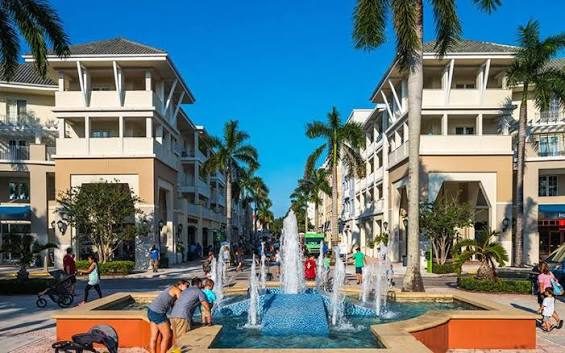
Grocery runs, school drop-off, and weekend routines in Jupiter revolve heavily around whether you’re east or west of Central Boulevard. East-side residents lean on Harbourside Place, Carlin Park, and the beach for weekend life, and can genuinely build a routine around walking or a five-minute drive. West-side residents, especially in Jupiter Farms and the newer communities off Indiantown Road, drive more and plan trips in bigger blocks because everything is farther apart, so a Saturday often means combining a Costco run, a kid’s sports practice, and a beach trip into one loop instead of three separate short drives. If you want the unfiltered version of what a Tuesday actually looks like here, not the marketing version, Living in Jupiter, Florida: What Daily Life Actually Looks Like walks through it neighborhood by neighborhood.
New Construction: Is It Worth Considering in Jupiter?
New construction in Jupiter is limited compared to western Palm Beach County towns like Westlake or Palm Beach Gardens’ newer western pockets, simply because Jupiter has less raw land left to build on. What is available tends to be infill product, townhomes, or higher-end single-family homes in communities like Jupiter Country Club and pockets near Central Boulevard. Pricing on new construction generally starts in the $700Ks and climbs from there, and CDD fees are more common in these newer communities than in Jupiter’s older, established neighborhoods. Builders active in the area have leaned toward smaller, higher-density infill parcels rather than large master-planned communities, which means new construction buyers should expect fewer floor plan options and tighter lot sizes than what’s available in western Palm Beach Gardens or over in Westlake. If new construction is part of your search, New Construction in Jupiter, FL: What’s Actually Available in 2026 has the current builder-by-builder rundown, including which communities are close to sellout.
The Direct Comparison Everyone Asks About
The single most common question relocating buyers ask about Jupiter is how it stacks up against Palm Beach Gardens, its neighbor immediately to the south. The short version: Palm Beach Gardens generally offers more inventory, slightly better commute access to I-95, and a lower average entry price, while Jupiter offers a quieter, more coastal feel and, in most cases, stronger long-term appreciation on waterfront and golf-community product. Both towns share the same excellent Palm Beach County school district boundaries in several zones, which means a family choosing purely on school quality often finds the decision comes down to lifestyle and commute rather than education. If this comparison matters to your decision, don’t guess, read the full side-by-side in Jupiter vs. Palm Beach Gardens: Which Is the Better Buy in 2026? before you pick a town to focus your search on.
Common Questions Buyers Ask Before Moving to Jupiter
Buyers relocating from out of state consistently ask the same handful of questions: what property taxes actually look like with homestead exemption, whether flood insurance is mandatory in a specific neighborhood, how far the nearest hospital and airport are, and whether a specific community allows short-term rentals. Jupiter Medical Center covers the east side of town, Palm Beach International Airport is roughly 25 to 35 minutes south depending on traffic, and short-term rental rules vary community by community, with many of the golf and country club neighborhoods restricting rentals to protect property values. Rather than repeat all of that here, the full answer set, pulled directly from real buyer conversations, lives in Jupiter, FL FAQ: 18 Questions Buyers Ask Before Moving (2026 Guide).
The Bottom Line
Jupiter, Florida is a genuinely good place to live in 2026 if you can afford the entry price and your priorities line up with what the town actually offers: quiet, low-density coastal living, strong schools, low crime, and a slower pace than the rest of South Florida’s coast. It is not a good fit if you need an affordable starter home, a short commute to Miami-Dade or Broward, or a walkable urban lifestyle beyond the small pocket of Abacoa. The honest move is to get specific about your budget, your commute tolerance, and which of Jupiter’s very different micro-markets (coastal country club, walkable Abacoa, or rural Jupiter Farms) actually fits your life, rather than falling for the town’s reputation without doing that math first.
If you’re weighing Jupiter against a neighboring town or trying to figure out what your budget actually buys here in 2026, that’s a conversation worth having before you start touring. DM me “JUPITER” and I’ll walk you through current inventory and what it really costs to live in each part of town.

More articles you might like
Jupiter vs Palm Beach Gardens: A Relocator's Real Comparison for 2026
15 min readJupiter vs Palm Beach Gardens: Choosing Your North Palm Beach Home Base
18 min readJupiter, FL FAQ: 18 Questions Buyers Ask Before Moving (2026 Guide)
20 min readLiving in Jupiter, Florida: What Daily Life Actually Looks Like (2026 Guide)
17 min readBest Neighborhoods in Jupiter, FL: Honest 2026 Guide
19 min read