Living in Jupiter, Florida: What Daily Life Actually Looks Like (2026 Guide)
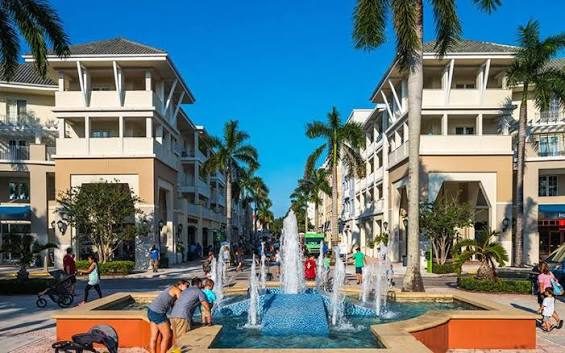
Living in Jupiter, Florida, day to day, means your calendar gets built around water and school schedules more than around traffic or nightlife. Mornings start early because the humidity climbs fast after 9 a.m. School drop-off lines snake around Jupiter Elementary and Limestone Creek. By 10 a.m., the Jupiter Inlet has more boats in it than cars on Indiantown Road. That is the honest version of what daily life actually looks like here, not the postcard version.
This guide is the deep, updated version of what we have covered before on Living in Jupiter, Florida: What Daily Life Actually Looks Like. If you are still deciding whether Jupiter fits your life at all, start with Is Jupiter, Florida a Good Place to Live? Honest 2026 Review. This piece assumes you already know the answer is probably yes and want to know what a real week looks like once you move in. The goal here is not to sell you on Jupiter. It is to walk you through what a Tuesday, a Saturday, and a hurricane season Sunday actually feel like once the moving truck is gone and the routine sets in.
The Morning: Commutes, Coffee, and the School Run
Jupiter does not have a single “downtown commute” the way West Palm Beach or Fort Lauderdale does. Most people work one of three directions: south toward Palm Beach Gardens and West Palm Beach on I-95 or US-1, west toward the Turnpike and inland job centers, or they work from home and never leave town before noon.
US-1 through Jupiter is the connective tissue. It runs past Harbourside Place, through the Jupiter Inlet area, and links Tequesta to the north with Juno Beach to the south. During season (roughly January through April), US-1 backs up at Indiantown Road and again near Donald Ross Road. Locals learn to shift their errands to mid-morning or after 3 p.m. to avoid the worst of it.
If your job is in Palm Beach Gardens, the commute is genuinely short, 15 to 20 minutes most days. If you are commuting into downtown West Palm Beach, plan on 30 to 40 minutes depending on the bridge schedules on the Intracoastal. Anyone who tells you Jupiter has “no traffic” has not driven Indiantown Road at 8:15 a.m. in February. The Turnpike interchange at PGA Boulevard adds another five to ten minutes if you are commuting west toward Wellington or Royal Palm Beach, and that stretch gets its own version of season traffic once snowbirds settle in for the winter.
Remote and hybrid workers make up a bigger share of Jupiter’s daytime population than most outsiders assume. Coworking space is limited compared to West Palm Beach, so a lot of that hybrid crowd works from home offices or from a laptop table at Sweet Melissa’s before the lunch rush hits. If your job requires a downtown Miami or Fort Lauderdale office two or three days a week, be honest with yourself about that drive. It is 60 to 75 minutes each way without traffic, and Jupiter residents who try to commute that far more than occasionally tend not to last long before they either change jobs or move south.
The school run matters more here than in a lot of South Florida suburbs because so many families chose Jupiter specifically for the schools. Jupiter Elementary, Lighthouse Elementary, Independence Middle, and Jupiter High School all see real drop-off congestion between 7:45 and 8:15 a.m. Parents who live inside walking distance of Lighthouse Elementary in Abacoa often walk or bike their kids in specifically to skip that car line, and on a clear December morning it is a genuinely pleasant fifteen minutes. If you are cross-shopping Jupiter against Palm Beach Gardens for school logistics, the full comparison is in Jupiter vs Palm Beach Gardens: A Relocator’s Real Comparison for 2026.
Water Is the Point: Boating, Beach, and the Loxahatchee
This is the part outsiders underestimate. Jupiter is not a beach town that happens to have water nearby. It is a water town that happens to have houses on land.
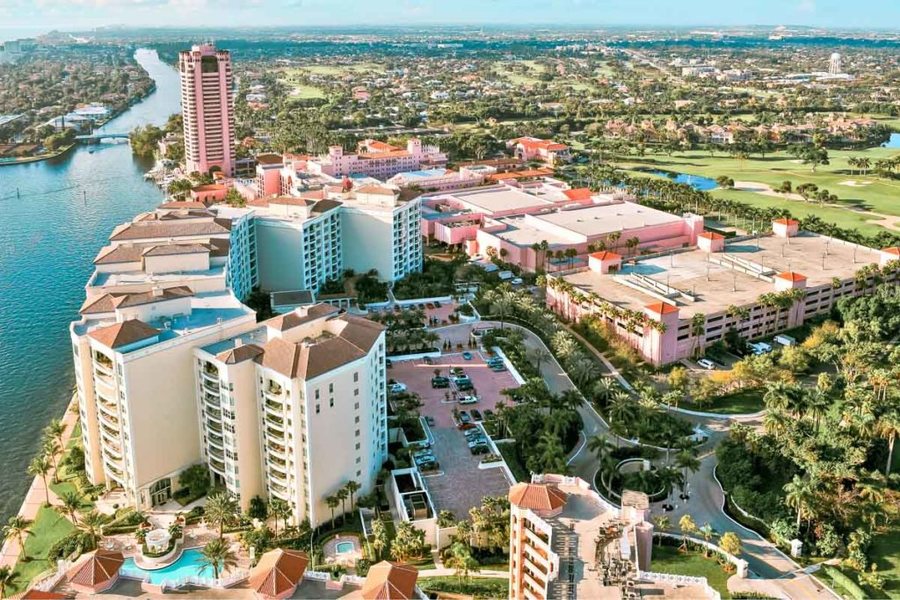
The Jupiter Inlet connects the Loxahatchee River to the Atlantic, and that single geographic fact shapes the entire local culture. Boat ramps at Burt Reynolds Park stay busy on weekends year round, not just in summer. Marinas like Jupiter Yacht Club, Loggerhead Club and Marina, and Riverwatch host everything from center consoles to serious sportfishers, and slip waitlists at the more established marinas can run months long during peak season. If you are buying a home specifically for the boat, ask about deeded dock access before you write an offer, not after. A lot of the older riverfront homes near the Loxahatchee were platted before docks were standardized, and not every waterfront lot comes with one.
If you do not own a boat, you still feel the culture. Restaurants on the water, Guanabanas, U-Tiki Beach, and the Square Grouper down in Jensen Beach, are built around dock-and-dine culture. Paddleboarding and kayaking on the Loxahatchee, especially near Riverbend Park and up toward Jonathan Dickinson State Park, is a normal Tuesday evening activity, not a special occasion. Fishing charters run out of the inlet daily, and it is common to see a family running a chartered half-day trip for a kid’s birthday the same way another family might book a party room.
The beaches themselves, Jupiter Beach Park, Carlin Park, and the stretch near the lighthouse, are less crowded than Fort Lauderdale or Miami beaches but still require early arrival on weekends for parking. Jupiter Beach Park’s north end has a genuinely different feel than the south, quieter, more dog-friendly, less of a scene. Carlin Park adds tennis courts, an amphitheater that hosts a summer concert series, and picnic pavilions that get reserved months out for birthday parties. If saltwater access is the entire reason you are considering Jupiter, walk the inlet at both 7 a.m. and again at 4 p.m. on a Saturday before you buy. The two versions of that same half mile of water feel like different towns.
A Typical Week When You Live in Jupiter
Here is what an actual week looks like for a working family in a neighborhood like Abacoa or Egret Landing, not the brochure version:
Monday through Friday mornings: School drop-off by 7:50, then either a short commute south or a work-from-home setup. Coffee culture here runs through local spots more than chains, Sweet Melissa’s, Copper Blues, and the Green Room in Abacoa’s town center all pull steady weekday crowds.
Weekday evenings: Abacoa’s town center and Harbourside Place both function as the informal “downtown” for after-work walks, dinner, and the occasional concert at the Harbourside amphitheater or Roger Dean Chevrolet Stadium (spring training home for the Cardinals and Marlins in March). Youth practices for baseball, soccer, and lacrosse fill most weeknights from September through May, and Jupiter Community Park’s fields are booked solid by 5:30 p.m. most nights during the school year.
Saturday mornings: Farmers markets rotate through Abacoa and Downtown Jupiter. Youth sports, especially baseball and lacrosse, fill Jupiter Community Park.
Saturday afternoons: This is when the boating culture shows up most clearly. Families head to the inlet, the river, or offshore. Non-boaters spend the afternoon at Carlin Park or Jupiter Beach.
Sundays: Slower. Church, brunch at spots like Little Moir’s Food Shack, and prep for the week. Hurricane season (June through November) adds a layer of Sunday-evening habit for a lot of residents, checking the tropics before bed becomes automatic by August.
Compare that to a retired couple in Jupiter Farms, and the week looks almost unrecognizable. Mornings start with feeding horses instead of a school run. There is no drop-off line, no HOA newsletter, and the nearest neighbor might be a quarter mile away. Errands mean a real drive, ten to fifteen minutes just to reach a Publix on Indiantown Road, and weekends revolve around trail riding or working on the property rather than the inlet. Both households live in Jupiter. Both would describe their week as “quiet.” They would not recognize each other’s version of quiet.
That rhythm is different from Boca Raton’s more polished, retail-driven pace, and it is slower than the constant churn of Fort Lauderdale. It is closer in feel to a small coastal town that happens to sit inside the greater Palm Beach County market.
Where People Actually Live (Neighborhoods and What They Cost)
Jupiter is not one lifestyle. It is several, depending on which part of town you land in.
Abacoa is the walkable, town-center option, restaurants, a movie theater, Roger Dean Stadium, and Florida Atlantic University’s Jupiter campus all within a short walk of homes in neighborhoods like Mallory Creek and Newhaven. HOA fees here run in the moderate range, typically $250 to $450 a month depending on the sub-neighborhood, and they cover shared amenities like pools and common area landscaping. Abacoa also has the highest concentration of townhomes and smaller single-family lots in Jupiter, which makes it the more realistic entry point for buyers who want walkability without the Jupiter Island price tag.
Jupiter Farms, unincorporated and inland, is the opposite end of the spectrum entirely. This is roughly 15 square miles of custom-built single-family and equestrian homes on parcels typically running 1.25 to over 2.5 acres. There is no horizontal HOA out here. Homes are priced by custom specification, generally from around $950,000 up past $4.6 million for larger equestrian estates, and properties run on private well and septic. If you want to keep horses, store a boat and an RV on your own land, and build with real architectural flexibility, this is the corridor. It is a genuinely different daily life than Abacoa, quieter, more rural, and a longer drive to the beach and to schools.
Jupiter Island is its own category entirely, ultra-high-net-worth, oceanfront, and largely out of reach for most buyers, but it defines a lot of Jupiter’s reputation from the outside. It is worth knowing about even if you never seriously shop there, because it anchors the top of the market and pulls a certain type of buyer and a certain type of privacy expectation into the broader Jupiter brand.
Egret Landing, Jupiter Country Club, and the Central Boulevard corridor offer the more typical relocator path, single-family homes from the $700,000s into the $1.5 million range, most with HOA fees in the $300 to $600 monthly range covering gated entry, clubhouse, and in Jupiter Country Club’s case, golf-adjacent amenities. Buyers relocating from the Northeast or Midwest who want a gated community with sidewalks, a clubhouse, and predictable HOA governance tend to land here rather than in Abacoa or Jupiter Farms.
For the full breakdown of which pocket fits which lifestyle, see Best Neighborhoods in Jupiter, FL: Honest 2026 Guide. And if new construction is on your radar, the current builder landscape is covered in New Construction in Jupiter, FL: What’s Actually Available in 2026.
Schools: What Families Are Actually Choosing
Schools are the number one reason families pick Jupiter over flashier coastal towns further south. Jupiter High School, Independence Middle, and elementary schools like Lighthouse and Jupiter Elementary consistently pull strong marks in the School District of Palm Beach County, and that reputation is baked into home prices in the attendance zones that feed them.
What daily life actually looks like around schools: carpool lines that start forming 15 minutes before dismissal, a genuinely active PTA and booster culture (Jupiter High’s athletics, especially football and lacrosse, draw real community turnout), and a steady stream of families moving specifically to land inside a preferred elementary zone before their kids start kindergarten. Some families also weigh private options, Jupiter Christian School and a handful of smaller private and faith-based programs in the surrounding area give parents an alternative if the public zone they land in is not the one they wanted.
Florida Atlantic University’s Jupiter campus also changes the flavor of the town slightly compared to a typical suburb. It is a smaller, research-focused satellite campus rather than a full college-town environment, but it means Jupiter has a modest year-round student and faculty presence that Abacoa’s restaurant and retail scene partly caters to.
This is worth researching street by street, because Jupiter’s zoning lines do not always match neighborhood boundaries the way buyers assume. Two houses on the same street can sometimes feed different elementary schools depending on which side of a line they fall on, and that line rarely follows an obvious landmark. The full guide is at Jupiter, FL Schools: Why Families Move Here and What to Know Before You Do.
Eating and Shopping: The Restaurant and Retail Reality
Jupiter’s dining scene is heavy on seafood and casual waterfront spots, and light on the kind of dense, walkable retail you find in Delray Beach or Boca’s Mizner Park. Harbourside Place is the closest thing to a retail and dining hub, with a rotating mix of restaurants, a movie theater, and waterfront event space. Abacoa’s town center covers the rest, with a mix of chain and local spots that skews toward casual over upscale.
For everyday shopping, most residents end up driving south to The Gardens Mall or the Legacy Place shopping center in Palm Beach Gardens, about 15 to 20 minutes away. That is one of the honest trade-offs of Jupiter living: you get quieter, more water-focused daily life, but you give up some retail convenience compared to towns immediately to the south. There is no major mall inside Jupiter’s town limits, and residents who want a Target run or a specific big-box store make peace with that short drive becoming a routine part of the week rather than an occasional trip.
Grocery options are solid and close, Publix locations are well distributed through Abacoa, Central Boulevard, and the Indiantown Road corridor, and there is a Whole Foods in Palm Beach Gardens for residents willing to make the short drive. Trader Joe’s fans make the same drive south, since Jupiter itself does not have one yet. Farmers markets on Saturday mornings, particularly the Abacoa market, fill some of that gap with local produce, seafood, and prepared food vendors that rotate through the season.
Weather, Hurricane Season, and the Trade-Offs Nobody Advertises
Nobody selling you on Jupiter is going to lead with hurricane season, so here it is directly. June through November is real. Most years bring at least one storm scare that means boarding windows, filling up the truck, and watching the National Hurricane Center’s cone of uncertainty more closely than the news wants to admit. Jupiter’s location on the coast means it is not immune, and insurance costs reflect that risk.
Homeowners insurance in coastal Palm Beach County has climbed meaningfully over the past several years, and it is a real budget line, not a footnote. Buyers coming from out of state are consistently surprised by premiums, especially on older homes near the water or anything requiring flood insurance due to FEMA zone placement. A newer, well-built home inland in Abacoa or Egret Landing with a newer roof and impact windows will typically insure noticeably cheaper than an older coastal home near the inlet or in a flood zone. That gap alone changes the real monthly cost of two homes that look similar on paper. Get a real insurance quote before you fall in love with a specific house, not after.
Summers are hot and humid, with afternoon thunderstorms that roll in like clockwork most days from June through September. Daily life adjusts around it: outdoor plans happen in the morning or evening, and the middle of the day in July is mostly an indoor, air-conditioned affair for anyone not on a boat. Residents who grew up here plan pool time, boat trips, and yard work around that predictable 3 p.m. storm window instead of fighting it, and newcomers usually take one full summer to learn the same habit.
Cost of Living: What It Really Takes to Live Here
Jupiter is not the most expensive town in Palm Beach County, that title generally goes to the barrier island communities, but it is not inexpensive either. Single-family homes in the more established, HOA-governed neighborhoods generally start in the high $600,000s and climb well past $1.5 million depending on lot size, water access, and school zone. Jupiter Farms sits in its own tier, starting near $950,000 for custom builds.
Beyond the mortgage, factor in HOA or CDD fees where applicable (these vary widely, from roughly $250 a month in some Abacoa communities to several hundred more in gated, amenity-rich neighborhoods), property insurance that has risen faster than most other cost-of-living categories, and property taxes that reflect Palm Beach County’s overall assessment rates. Utility costs also run higher than a lot of relocating buyers expect, mainly from air conditioning running near constant from May through October, so it is worth budgeting a real number there rather than assuming a Northeast or Midwest utility bill translates directly.
If you are actively budgeting a purchase, the current numbers are broken down in Jupiter, FL Real Estate Market 2026: What Buyers Need to Know, and first-time buyers specifically should read First-Time Buyer’s Guide to Jupiter, Florida: Can You Actually Afford It? before assuming affordability based on list price alone.
Who Jupiter Actually Fits (and Who It Doesn’t)
Jupiter fits people who want their daily life organized around water access and a slower pace than the rest of South Florida offers, who value school quality enough to pay a premium for the right zone, and who do not mind a real, if short, commute for that trade-off. It fits boaters, retirees who want quiet without total isolation, and families willing to build their weekends around Little League and the inlet rather than nightlife. It also fits equestrian buyers who want acreage and privacy without leaving Palm Beach County entirely, which is a niche Jupiter Farms serves better than almost anywhere else in the region.
It does not fit people who want dense, walkable urban living, big-city retail at their doorstep, or a short commute to downtown Miami or Fort Lauderdale. It also does not fit buyers unwilling to budget seriously for insurance and, in some neighborhoods, HOA or CDD obligations. If nightlife, a dense restaurant row, or a fifteen-minute commute to a downtown high-rise office is what you are actually looking for, Jupiter will feel slow in a way that wears on you within the first year, even if it photographed perfectly during your visit.
If you are still weighing Jupiter against its most obvious rival, the comparison worth reading in full is Jupiter vs. Palm Beach Gardens: Which Is the Better Buy in 2026?. And if you still have specific questions before making a move, most of them are already answered in Jupiter, FL FAQ: 18 Questions Buyers Ask Before Moving (2026 Guide).
The Bottom Line
Living in Jupiter, Florida, what daily life actually looks like, comes down to this: your week gets built around water, school schedules, and a manageable but real commute, and you pay for that with higher home prices and rising insurance costs. It is not a party town, and it is not trying to be. It is a place where the good days start at the inlet and end with dinner on a dock, and the trade-offs are honest ones if you go in with your eyes open.
If you are weighing a move here and want the numbers run against your specific situation, that is the conversation worth having before you start touring homes.
More articles you might like
Jupiter vs Palm Beach Gardens: A Relocator's Real Comparison for 2026
15 min readJupiter vs Palm Beach Gardens: Choosing Your North Palm Beach Home Base
18 min readJupiter, FL FAQ: 18 Questions Buyers Ask Before Moving (2026 Guide)
20 min readIs Jupiter, Florida a Good Place to Live? Honest 2026 Review
17 min readBest Neighborhoods in Jupiter, FL: Honest 2026 Guide
19 min read