Moving to Aventura: Miami-Dade's Upscale Condo City on the Water
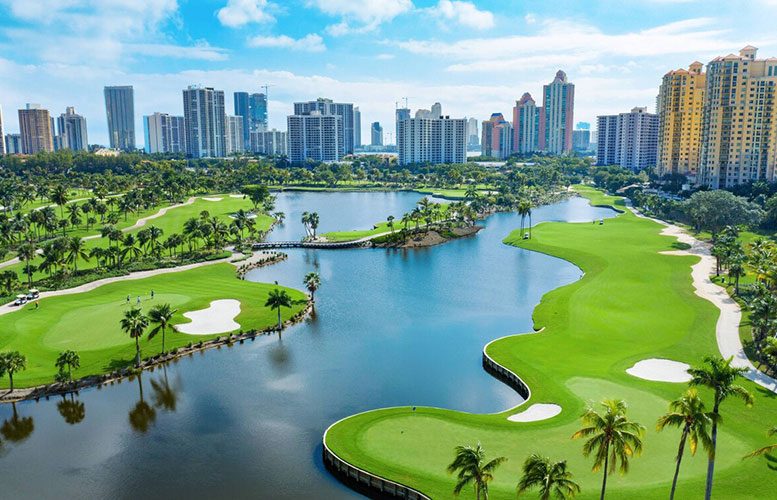
Aventura is a 3.3 square mile city in north Miami-Dade County built almost entirely on high-rise condominiums, wrapped around Biscayne Bay, the Intracoastal Waterway, and one of the busiest luxury malls in the country. If you’re moving to Aventura, Miami-Dade’s upscale condo city on the water, you need to understand upfront that this is not a single-family home market and it is not a budget market. It is a vertical, amenity-heavy, HOA-driven lifestyle built for people who want water views, walkability to Aventura Mall, and a level of building service that a typical suburban HOA cannot match. This guide breaks down what that actually costs, where people live, what schools look like, how the traffic really works, what the buying process itself involves, and who Aventura fits versus who should look elsewhere.
For the broader orientation on the city, pair this with our Aventura, Florida: The Complete Guide for 2026. What follows here goes deeper into the actual mechanics of relocating: budgets, buildings, HOA math, board approval, and daily life once the moving trucks leave.
What Aventura Actually Is
Aventura incorporated as its own city in 1995, carved out of unincorporated Miami-Dade between North Miami Beach to the south, Ojus and Golden Beach to the west and north, and Sunny Isles Beach across the water to the east. It sits directly on Biscayne Bay, with the Intracoastal Waterway running through it and man-made waterways (the Aventura Lakes and canal system) threading between the towers. There is no historic downtown, no old Florida bungalow district. Aventura was built out fast in the 1980s and 1990s as a planned, high-density condo city, and it has kept building since, most visibly around Aventura Mall and the Biscayne Boulevard corridor.
The year-round population is around 40,000, but that number swells noticeably from November through April with seasonal residents, many from the Northeast, Canada, and Latin America, particularly Venezuela, Colombia, and Argentina. That seasonal rhythm matters for anyone moving here: traffic, restaurant waits, and gym crowding at your building all shift meaningfully between June and January versus February through April. It also affects the rental and resale market. Listings that sit quietly in August can get three showings in a day come January, and sellers know it, so pricing softens in the off-season and firms up heading into snowbird season. If you have flexibility on when you buy, closing in the summer often means less competition on the same unit you’d be bidding against five other buyers for in February.
Aventura also functions differently at street level than most people expect from photos of the skyline. It is dense, but it is not loud or chaotic the way parts of Sunny Isles or South Beach can feel. Buildings are set back from the water with landscaped grounds, the trolley system keeps a lot of local traffic off the main roads, and the overall feel is closer to a well-run resort community than an urban core. That combination, density without grit, is a big part of why relocating buyers from the Northeast gravitate here specifically.
The Condo Market: Prices, HOA Fees, and What You Get
This is the part most relocation guides skip past, and it’s the part that actually determines whether Aventura works for your budget.
Entry-level condos. The most affordable inventory sits in older, mid-rise buildings built in the 1980s and 1990s, mostly one and two bedroom units without direct water views. Realistic entry pricing runs roughly $300,000 to $450,000 for a one or two bedroom in a non-waterfront building. HOA fees on these older, smaller buildings tend to run $600 to $1,000 a month. That range is not a promise, HOA dues vary building to building based on reserves, insurance costs, and amenity level, so get the current number in writing from the association before you write an offer. For a full walkthrough of what that entry tier actually looks like unit by unit, see First-Time Buyer in Aventura: What the Entry Level Looks Like.
To make that concrete: a retired couple relocating from New Jersey with a $400,000 budget and no mortgage is realistically shopping the Hamptons or an older Biscayne Boulevard-facing building, not Williams Island. At $800 a month HOA on top of a paid-off $380,000 unit, that’s roughly $1,300 to $1,500 a month in carrying costs once you add property taxes and insurance, before you’ve spent a dollar on lifestyle. That number needs to be part of the retirement budget conversation up front, not discovered after closing.
Mid-tier and waterfront. Move up to a direct Intracoastal or bay view, a newer building, or a full-amenity tower and you’re commonly looking at $600,000 to $1.2 million for a two or three bedroom. Buildings with marina access, private beach clubs, or golf course frontage push higher. HOA fees at this tier commonly land between $1,200 and $2,000 a month, and that’s before any special assessments. This is the tier where most relocating families with a working income, rather than a fixed retirement income, actually land, because it balances real water views with a mortgage payment that a dual-income household can carry alongside a strong HOA.
Luxury and Williams Island. At the top, private-island communities like Williams Island and full-service towers with concierge, valet, spa, and marina amenities run $1.5 million to $5 million or more for larger units and penthouses. HOA fees here regularly exceed $2,000 to $3,500 a month. This is the tier where the building is functionally a country club with a mailing address attached, and buyers at this level are usually paying cash or putting down 40 to 50 percent, since jumbo financing on high-HOA luxury condos comes with its own underwriting scrutiny.
A word on HOA and insurance since Surfside: Florida’s 2022 structural reserve law forced condo associations statewide to fund full reserve studies and stop deferring maintenance costs. Aventura’s building stock skews newer than Surfside or Miami Beach on average, but older 1980s and early 1990s towers here are still subject to milestone inspections and reserve funding once they hit 30 years old (25 years if within three miles of the coast, which most of Aventura is). Ask every seller’s agent for the building’s most recent reserve study, milestone inspection status, and whether a special assessment is pending or already approved. This single document matters more to your monthly cost of living than almost anything else in the deal. Special assessments in older buildings that deferred maintenance for years have run into the tens of thousands of dollars per unit in parts of South Florida, and they don’t show up in the listing price, only in the condo docs. For current pricing trends across the market, see Aventura Real Estate Market Update: Condo Prices and Trends in Mid-2026, and for a building-by-building breakdown of which towers are worth buying into, see Aventura Condo Guide: Which Buildings Are Worth Buying and Why.
Where People Actually Live: Neighborhoods and Buildings
Aventura doesn’t have “neighborhoods” the way a single-family suburb does. It’s organized around building clusters and a handful of named enclaves.
Williams Island. A private, gated island community connected by bridge, with multiple towers (including Uso, Mystique, Portofino, and St. Tropez), a private marina, tennis complex, and beach club. This is Aventura’s premier address and it prices accordingly. Access is controlled at the bridge as well as at each building, which is part of the appeal for buyers who want a second layer of privacy beyond a normal lobby desk.
The Hamptons (South and West). Large-scale condo complexes with resort-style pools, gyms, and lakes, popular with families and downsizers who want space without Williams Island pricing. These buildings tend to have larger floor plans per dollar than the true waterfront towers, which is why they show up so often in the entry and mid-tier searches.
Aventura Marina / Biscayne Bay-front towers. Buildings directly on the bay east of Biscayne Boulevard, with the highest concentration of true waterfront units and boat slip access. These command the clearest per-square-foot premium in the city.
Turnberry area. Anchored by Turnberry Isle Miami (the golf resort and country club, now operating under JW Marriott), with condo towers overlooking the golf course rather than open water. Golf course frontage here is its own kind of premium, distinct from waterfront, and it appeals to a buyer who wants green space and quiet views without the boat traffic and salt exposure of a bayfront unit.
Aventura ParkSquare and the mall-adjacent corridor. Newer mixed-use development near Aventura Mall combining condos with ground-floor retail and restaurants, aimed at buyers who want to walk to shopping and dining without a car. This is generally the newest construction in the city and the easiest place to find a unit built to current hurricane code with full reserves already funded from day one, which matters given the reserve conversation above.
If direct water access, dock space, or Intracoastal views are the whole point of your move, read Waterfront Living in Aventura: Intracoastal Views and Marina Access before you tour buildings. Waterfront in Aventura is not one price tier, it’s a spectrum from a partial canal view to a private deep-water slip, and the difference in both price and HOA cost is significant.
New construction in Aventura is limited by geography, there’s not much vacant land left, but a handful of projects continue to deliver or sell pre-construction units in and around the mall corridor and along Biscayne Boulevard. Pricing on new towers typically starts well above the resale entry level, often $700,000 and up, because you’re paying for unused reserves, current-code hurricane construction, and updated amenities. The tradeoff buyers need to weigh is straightforward: resale gets you into an established building at a lower price point today, but new construction gets you a freshly funded reserve fund, no deferred maintenance risk, and modern unit layouts that older 1980s towers simply can’t match. If a new build is on your radar, New Construction Condos in Aventura: What Is Coming and What It Costs covers what’s actually in the pipeline rather than what’s been rumored.
Schools and Family Life in Aventura
Aventura is more family-friendly than its glass-tower skyline suggests, largely because of one school: Aventura City of Excellence School (ACES), a K-8 charter school run by the city itself. ACES consistently posts strong state assessment scores and is one of the real reasons families choose Aventura over comparable condo cities like Sunny Isles Beach. It operates on a lottery and enrollment preference system, not pure geographic zoning, so living in Aventura does not automatically guarantee a seat. Confirm current lottery rules and any residency preference before you assume your kids are in.
For public high school, Aventura area students are typically zoned toward Michael Krop Senior High or the Dr. Michael M. Krop area schools depending on exact address, and some families opt for magnet programs elsewhere in Miami-Dade County Public Schools. Private options nearby include several Jewish day schools serving Aventura’s large Jewish community, which is one of the largest in South Florida and shapes a lot of the city’s kosher dining, synagogue, and community-center infrastructure. Families relocating for religious community access, not just school quality, should factor proximity to specific synagogues and day schools into which building cluster they target, since Turnberry and the mall-adjacent buildings sit closer to that infrastructure than Williams Island does.
If schools are a top decision factor, don’t rely on generic ratings sites. Read Aventura Schools: What Families Need to Know for the specifics on zoning, lottery mechanics, and how Aventura compares to nearby Sunny Isles Beach and North Miami Beach on the school question, because that comparison changes the calculus for a lot of relocating families. A family choosing between a $700,000 unit in Aventura with ACES lottery access and a similarly priced unit in Sunny Isles with no comparable charter option is often making a school decision more than a real estate decision, and it should be treated that way.
Getting Around: Commute, Traffic, and the Corridors That Matter
Aventura sits at the intersection of two major arteries: Biscayne Boulevard (US-1) running north-south, and the William Lehman Causeway (State Road 856) connecting west to Ives Dairy Road, I-95, and the Turnpike, and east across the Intracoastal to Sunny Isles Beach and A1A. This intersection is also where Aventura Mall sits, which means the corridor is genuinely congested most of the day, worse during the winter season and on weekends when mall traffic peaks.
For commuters, I-95 access via the Lehman Causeway and Ives Dairy Road puts downtown Miami roughly 25 to 35 minutes south under normal traffic, longer during rush hour. Fort Lauderdale is a similar distance north. There is no Brightline or Metrorail station inside Aventura itself, the closest heavy rail access is Metrorail’s Dadeland or downtown stations well to the south, so this remains a car-dependent city despite its walkable, mall-centered core. If your job requires a daily downtown Miami or Fort Lauderdale commute, budget real time for I-95 and factor seasonal snowbird traffic into your calculation, not just an off-season test drive. A test drive in July tells you almost nothing about what that same commute looks like in February.
Locals learn to avoid Biscayne Boulevard directly in front of the mall between roughly 4pm and 7pm on weekdays and nearly all day on winter weekends, using NE 34th Avenue or cutting through the Waterways side streets instead. That kind of local routing knowledge is exactly the sort of thing a relocation buyer doesn’t have on day one and should ask about directly when touring, because the same commute can feel completely different depending on which entrance and exit your building uses relative to the mall.
Within the city itself, Aventura is genuinely walkable in a way most South Florida suburbs are not. Founders Park, the Waterways, and the mall corridor connect via sidewalks and a citywide trolley system that runs frequent, free routes looping through the major condo clusters and shopping areas. Many residents, especially seasonal ones, go weeks without needing a car if they live within trolley range of the mall and their preferred grocery store. For a buyer deciding between two similarly priced units, one with easy trolley access and one without, the trolley-adjacent unit is worth paying a premium for if a car-light lifestyle is actually the goal, and it’s worth asking the listing agent for the nearest trolley stop before you tour.
Aventura Mall, Marina Life, and Daily Living
Aventura Mall is not a side amenity here, it’s a core part of the city’s identity and economy. At over 2.7 million square feet, it’s one of the largest and highest-grossing malls in the United States, anchored by Nordstrom, Bloomingdale’s, Macy’s, and a heavy roster of luxury retailers alongside a large Apple store, a Cinemark theater, and an extensive dining wing. For daily living, this means grocery, pharmacy, dining, and entertainment needs are covered within a short drive or trolley ride for most residents, which is a real quality-of-life factor for people downsizing from a house-and-yard lifestyle.
Marina and boating life is the other defining piece. Aventura sits on Biscayne Bay with direct Intracoastal access, and several buildings offer private marina slips or nearby marina access, making it a legitimate boating city, not just a waterfront-view city. If you own a boat or plan to, confirm slip availability and any separate marina HOA before buying, dock access is often governed by a separate agreement from the building’s standard HOA, with its own waitlist and its own monthly fee that is easy to overlook until you’re already under contract.
Founders Park, on the bay near the Waterways, is the city’s main public green space, with sports fields, a splash pad, and bay views, and it’s one of the only places in Aventura that feels like open, non-vertical space. Community life leans toward building amenities (pools, gyms, social rooms) more than public parks simply because there isn’t much land left for public green space. That’s worth internalizing before you move: your building’s pool deck and gym aren’t a bonus, they function as your yard and your neighborhood park, so the quality of those specific amenities should weigh heavily in which building you choose, not just the unit’s interior finishes. For a fuller picture of what a typical week actually looks like, from the mall to the marina to the trolley routes, see Life in Aventura: Mall, Marina, Waterways, and What Daily Life Really Looks Like.
The Buying Process: Financing, Approval, and Timeline
Buying a condo in Aventura is not the same transaction as buying a single-family home in Broward or western Miami-Dade, and relocating buyers who’ve only bought houses before are usually surprised by two things: financing scrutiny and board approval.
On financing, lenders underwrite the building, not just you. If the association has pending litigation, a high percentage of investor-owned units, insufficient reserves, or an unresolved milestone inspection, some conventional and Fannie Mae-backed loans can be difficult or impossible to get, regardless of your own credit and income. This has gotten stricter since 2022, not looser. Before you fall in love with a unit, ask your lender to run a preliminary condo questionnaire on the building, and ask your agent whether that specific tower has any known financing flags. Cash buyers sidestep this issue entirely, which is part of why you’ll see a heavier cash presence in Aventura than in a typical suburban Broward subdivision.
On approval, most Aventura buildings require board approval before closing, sometimes including a formal interview, a background check, and an application fee that can run several hundred dollars. This process typically adds two to four weeks to your closing timeline, so build it into your contract dates rather than assuming a 30-day close like you might on a standard house purchase. Some buildings also cap the number of units that can be leased at any given time, which matters enormously if you’re buying with any intention of renting the unit out seasonally or long-term. Ask that question before you write an offer, not after you own the unit and discover you’re on a rental waitlist.
Who Aventura Is Actually Right For
Aventura fits a specific buyer, and being honest about that upfront saves everyone time.
It fits you if: you want low-maintenance, high-amenity condo living with water views, you don’t need a yard or a garage, you value walkability to shopping and dining, you’re relocating from a colder market and want a turnkey lifestyle, or you’re a boater who wants marina access without buying acreage on a canal elsewhere in the county.
It does not fit you if: you want a single-family home with a yard for kids or pets (look at Ojus, North Miami Beach, Miami Lakes, or further into Broward), you’re allergic to HOA fees and rules, you need a short highway-free commute to a job well south of Miami-Dade, or you’re chasing the absolute lowest price per square foot in Miami-Dade, which you won’t find in Aventura.
Investment buyers should also go in clear-eyed. Aventura rents well to seasonal tenants and professionals who want the mall-and-marina lifestyle, but rising HOA fees and insurance costs across South Florida condos have compressed net rental yields compared to five years ago. Run the real numbers, including current HOA, insurance pass-through, and any pending assessments, before assuming a unit cash flows. Aventura Condo Investment: What the Numbers Look Like in 2026 walks through the actual math with current rent comparables.
It’s also worth being honest about how Aventura stacks up against its closest competitors. Sunny Isles Beach, directly across the water, offers a similar high-rise lifestyle with more direct ocean frontage but generally higher price points and less of a defined family infrastructure since it lacks an equivalent to ACES. Bal Harbour, further south, trades Aventura’s mall-centered convenience for a smaller, quieter, and considerably more expensive luxury enclave. Hallandale Beach, just north across the Broward line, offers a comparable condo lifestyle at a meaningfully lower price point and lower HOA fees on average, but without Aventura Mall at your doorstep or the same walkability. Buyers cross-shopping these four cities should be comparing HOA trajectories and school access, not just view and price per square foot, because those two factors are what actually differ most between them over a five and ten year hold.
The Bottom Line
Aventura is one of the clearest examples in South Florida of a purpose-built lifestyle city. It was designed around the condo tower, the mall, and the marina, not the single-family lot, and moving here means accepting that trade fully rather than fighting it. The honest version of this move: budget realistically for HOA fees that will likely rise, get every building’s reserve study and milestone inspection status before you fall in love with a view, confirm school lottery odds if ACES is part of your decision, check your building’s financing eligibility and rental cap before you write an offer, and expect a car-optional but not car-free lifestyle centered on Biscayne Boulevard and the Lehman Causeway. Done with that groundwork, Aventura delivers a genuinely upscale, water-oriented, walkable life that few other Miami-Dade cities can match at the same density.
If you’re actively comparing Aventura against other north Miami-Dade or south Broward options, that’s a conversation worth having before you tour buildings, not after. Drop a comment or reach out and we’ll walk through which building, price tier, and HOA structure actually fits what you’re trying to do.

More articles you might like
Aventura, Florida: The Complete Guide for 2026
19 min readAventura vs. Boca Raton: Condo Life vs. Suburban House, Which Fits Your Budget?
20 min readFirst-Time Buyer in Aventura: What the Entry Level Looks Like
13 min readAventura Schools: What Families Need to Know (2026 Guide)
13 min readNew Construction Condos in Aventura: What Is Coming and What It Costs
14 min read